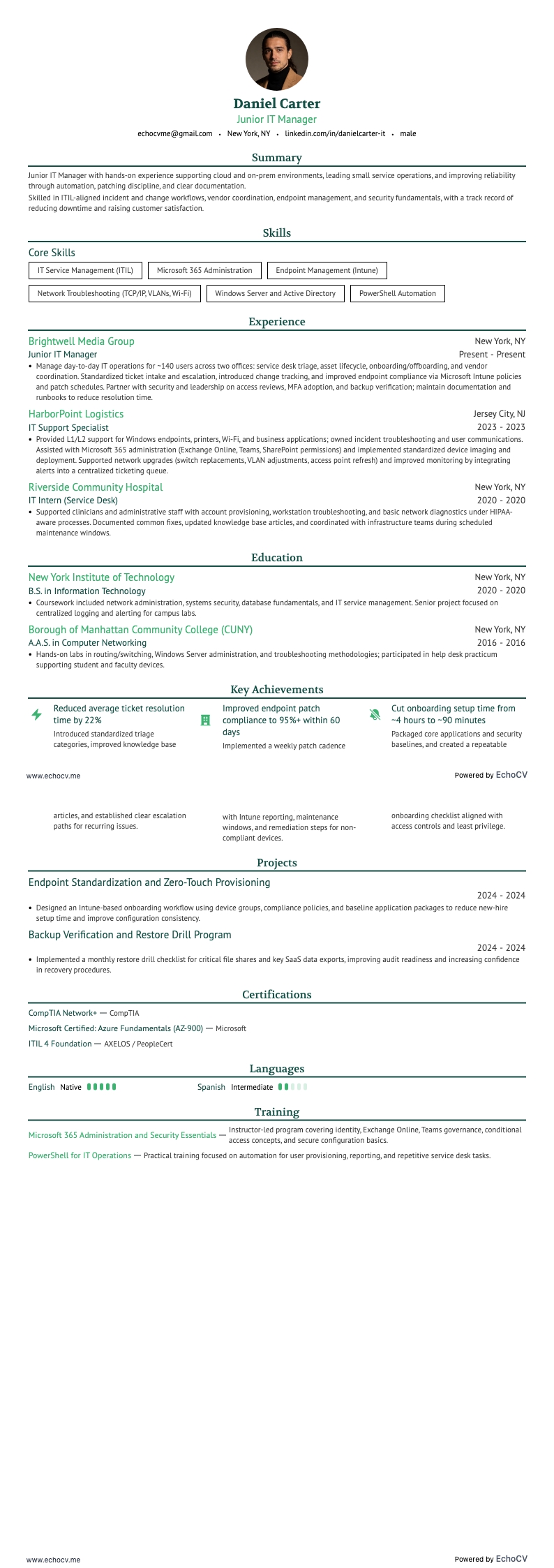
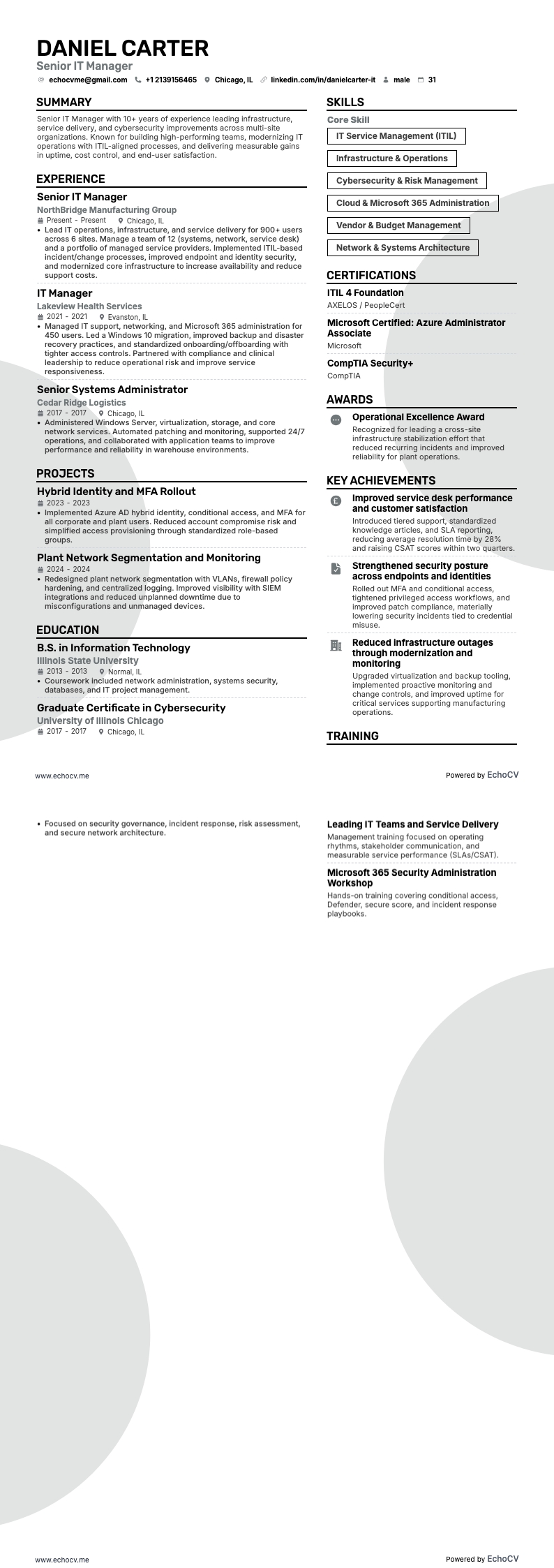
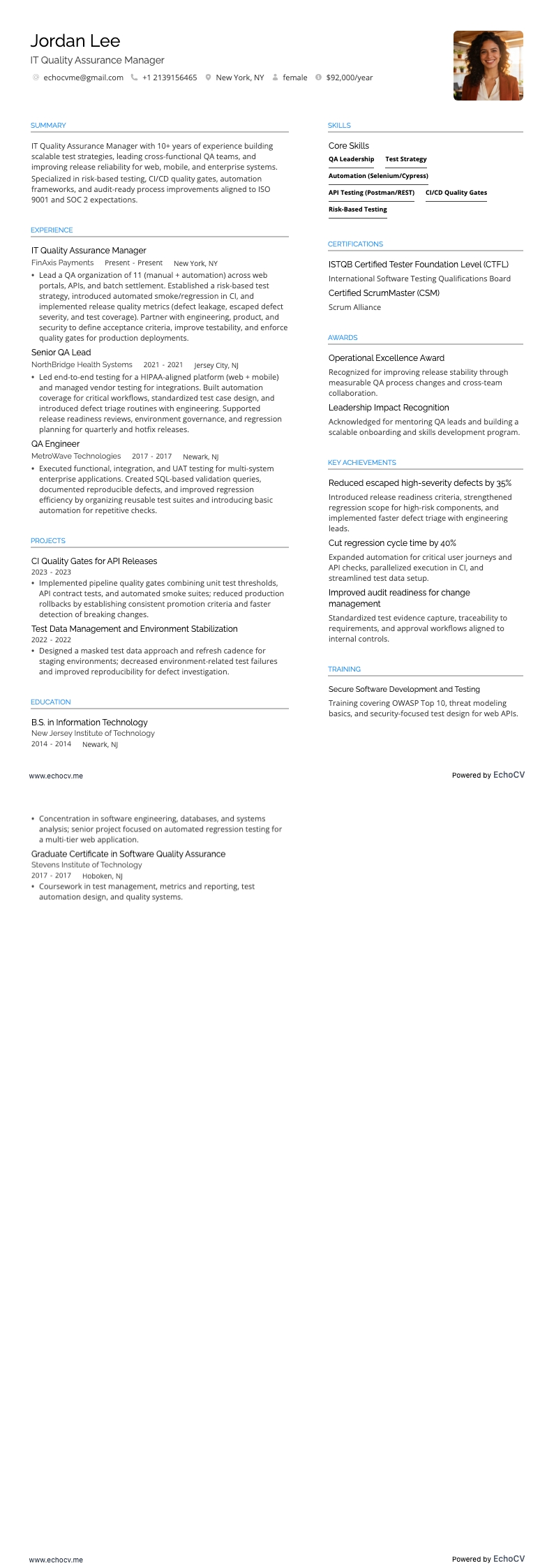
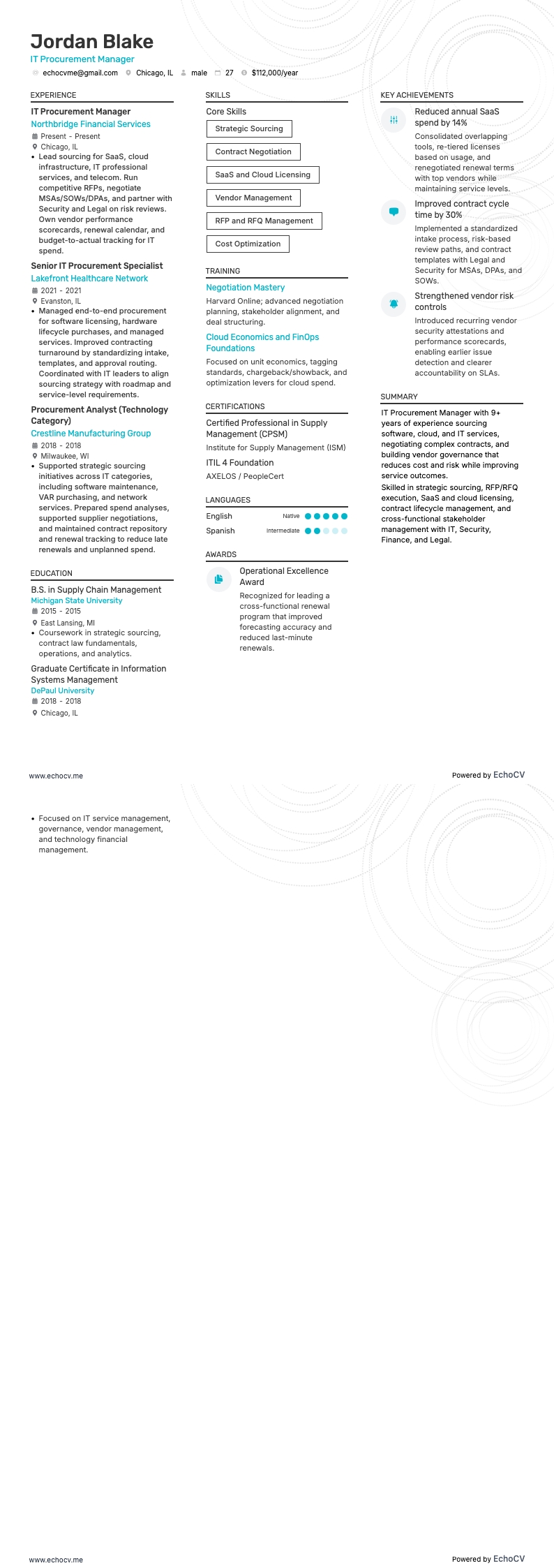
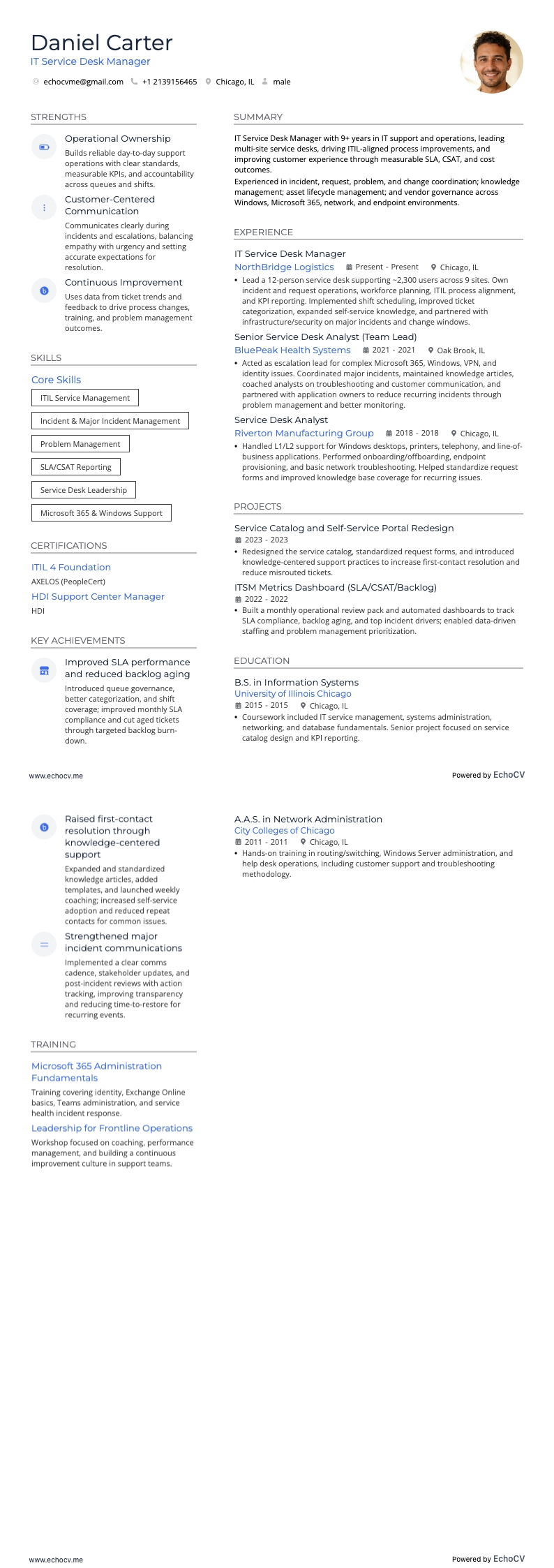
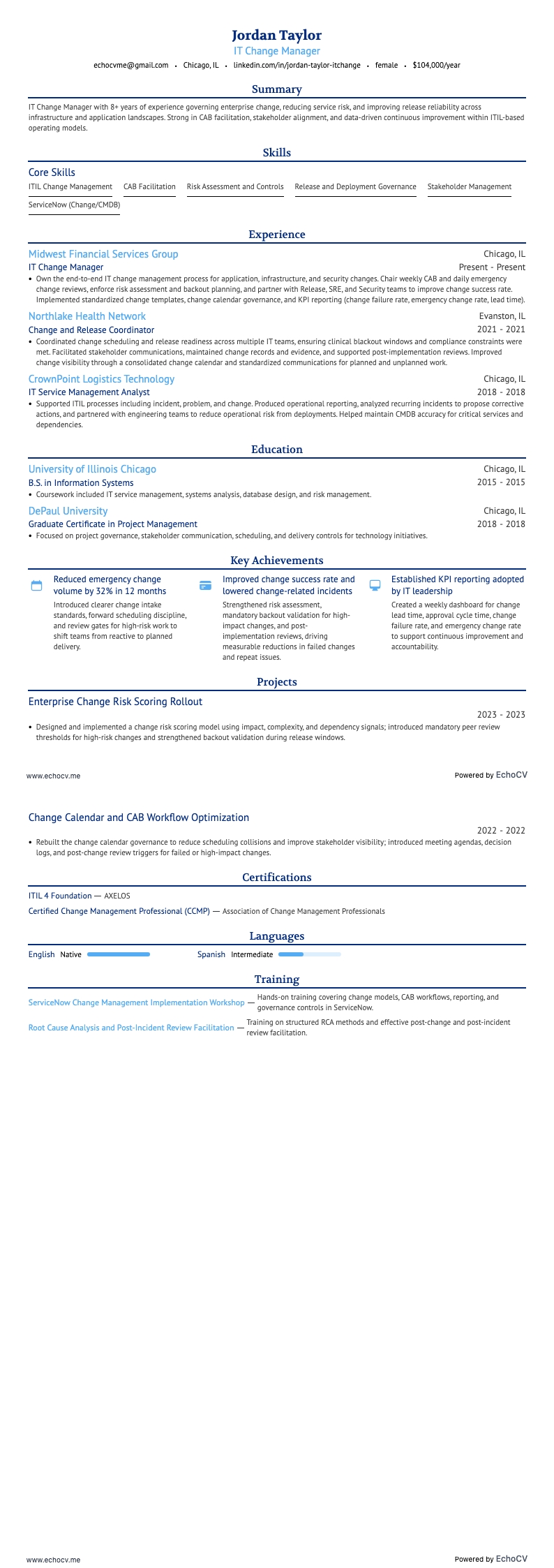
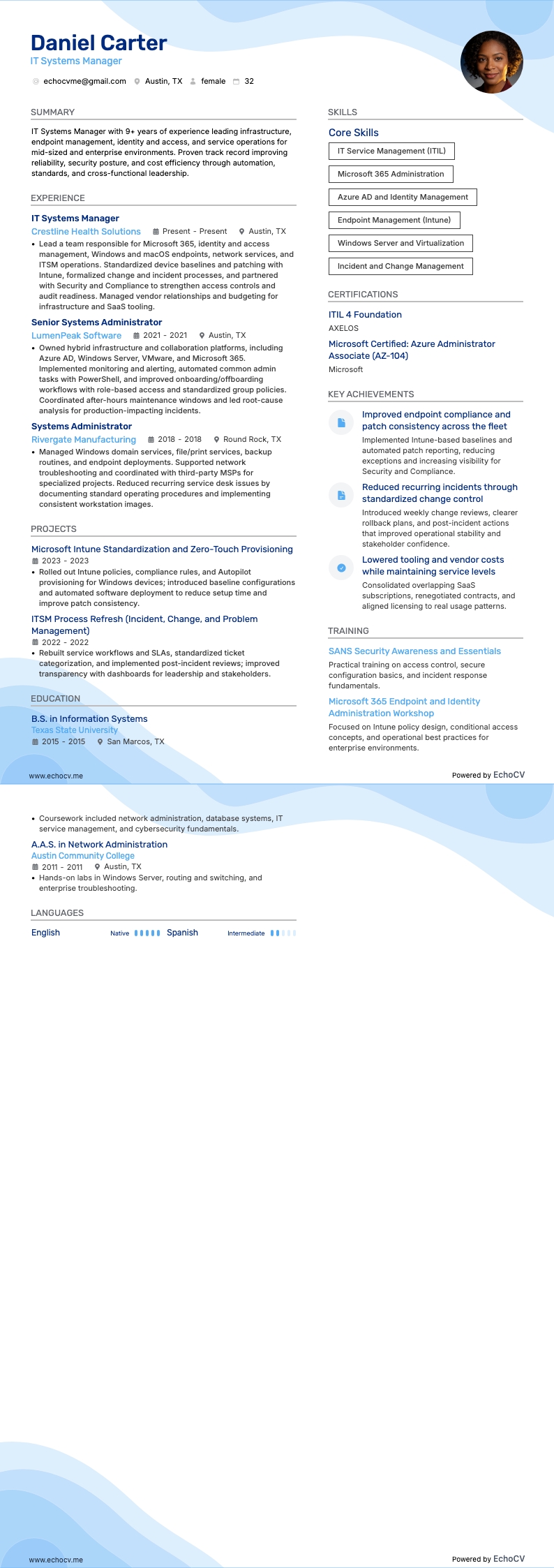
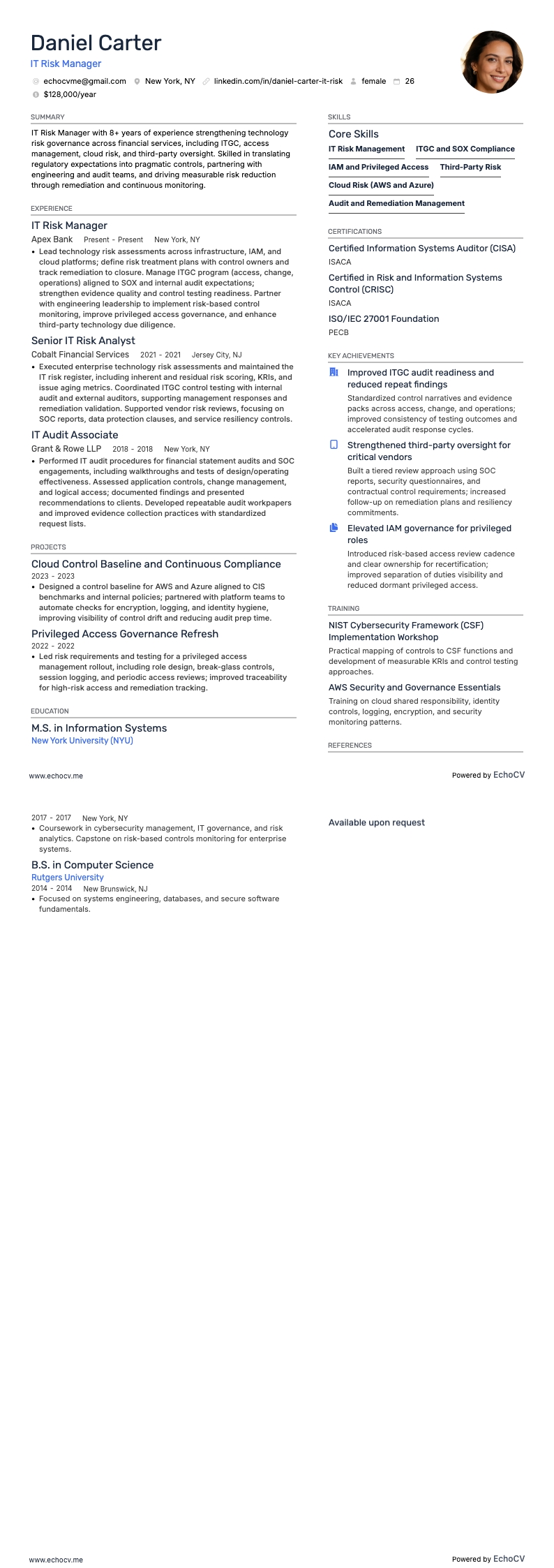
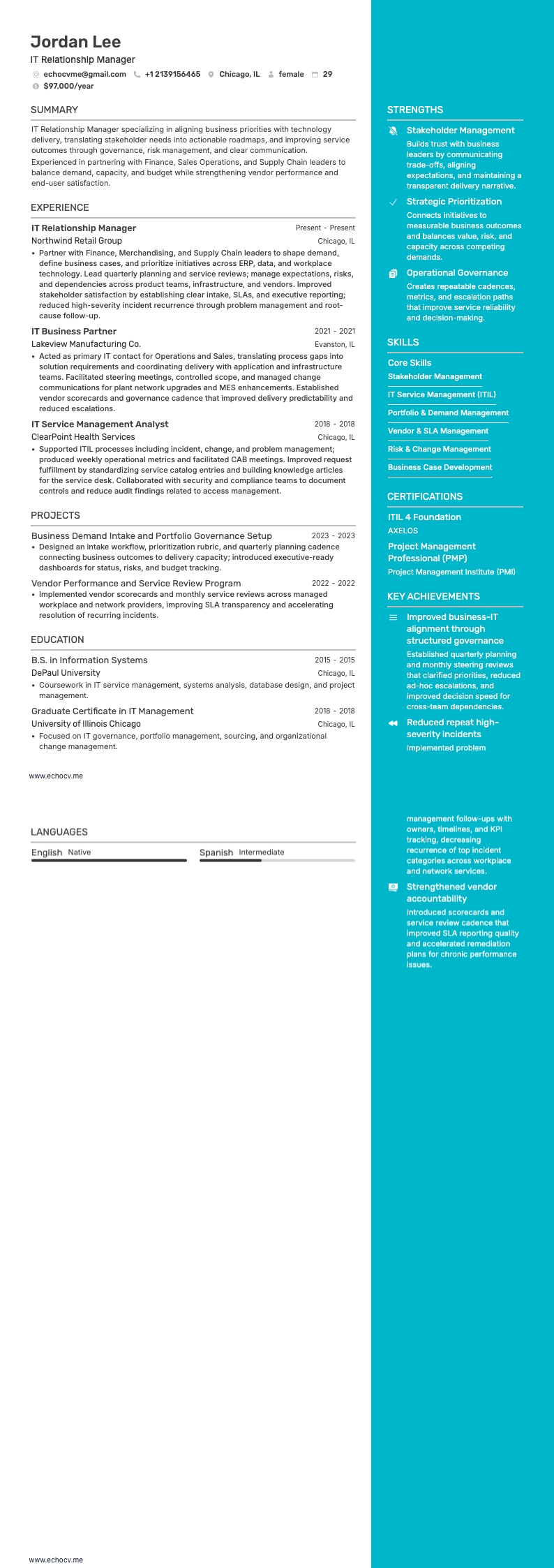
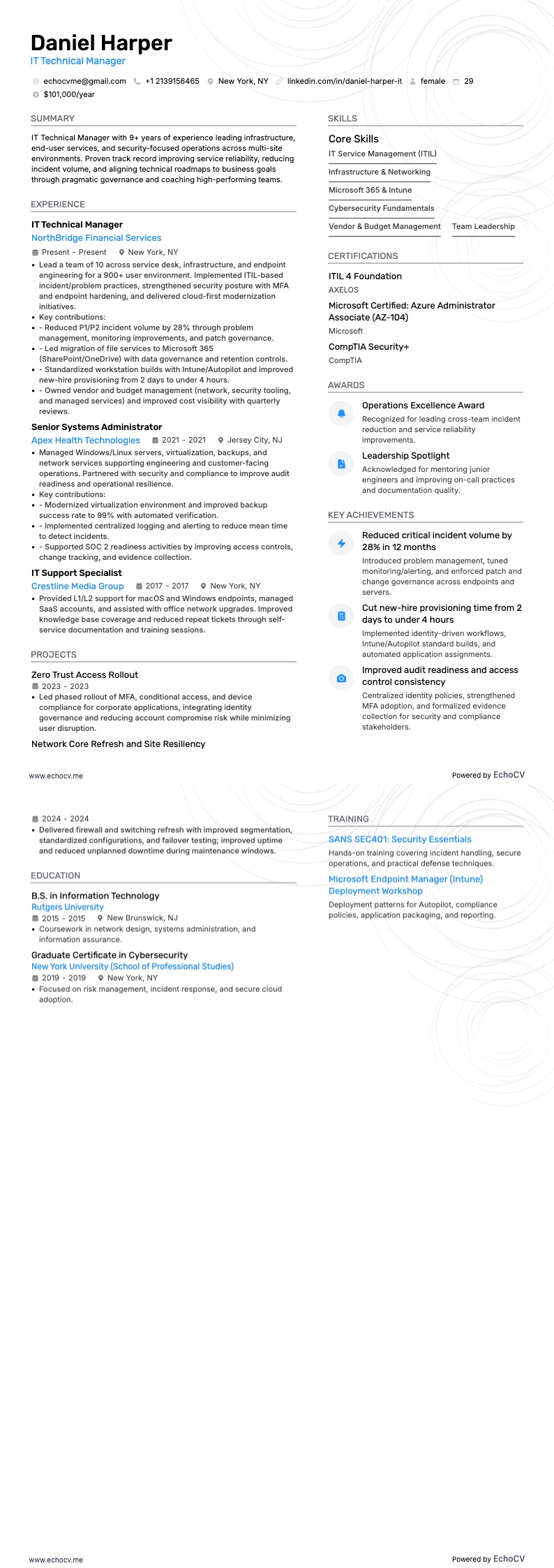
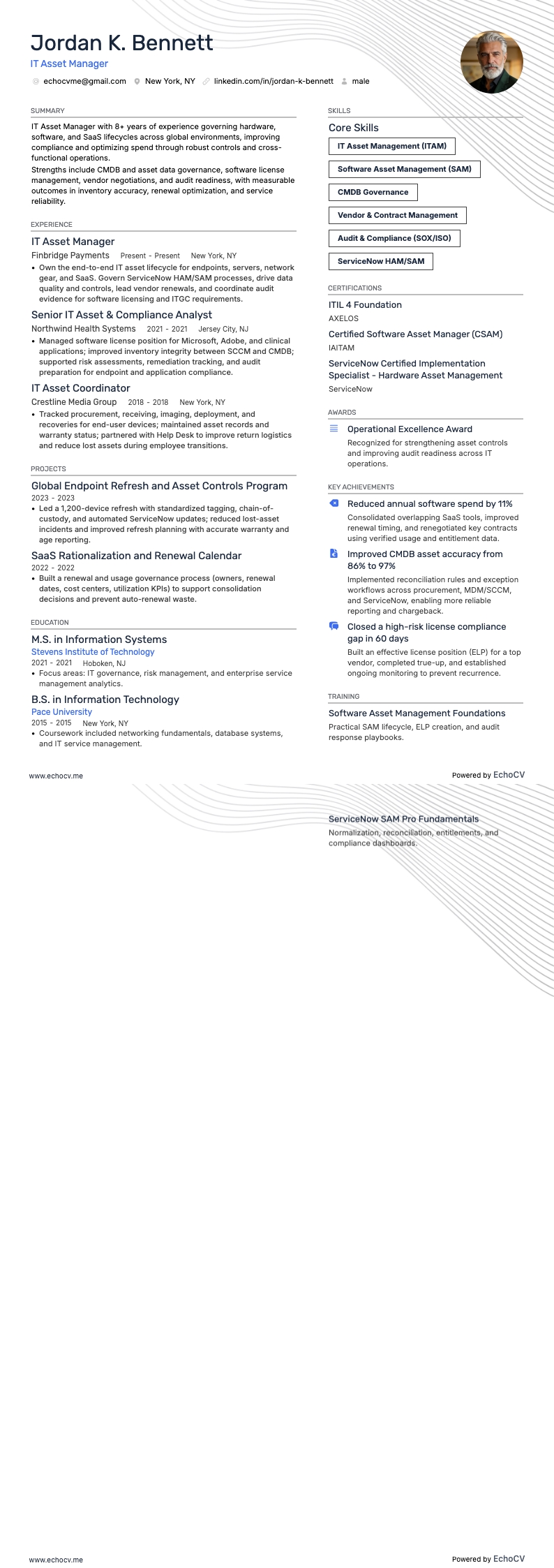
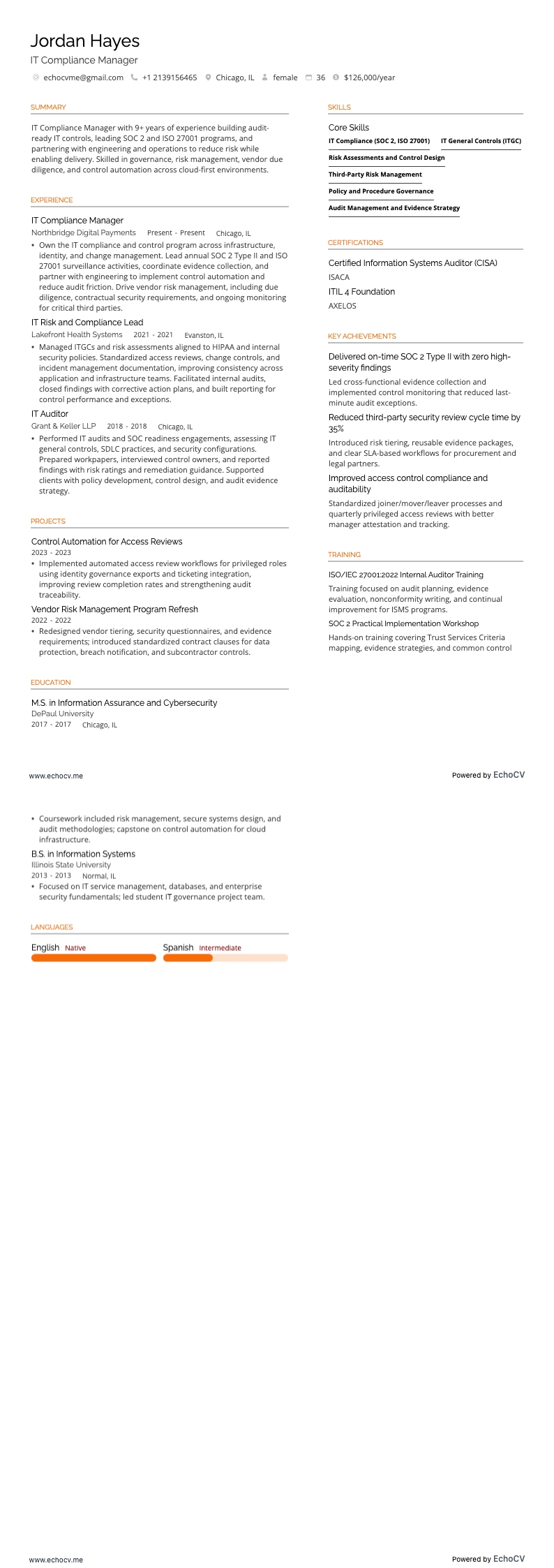
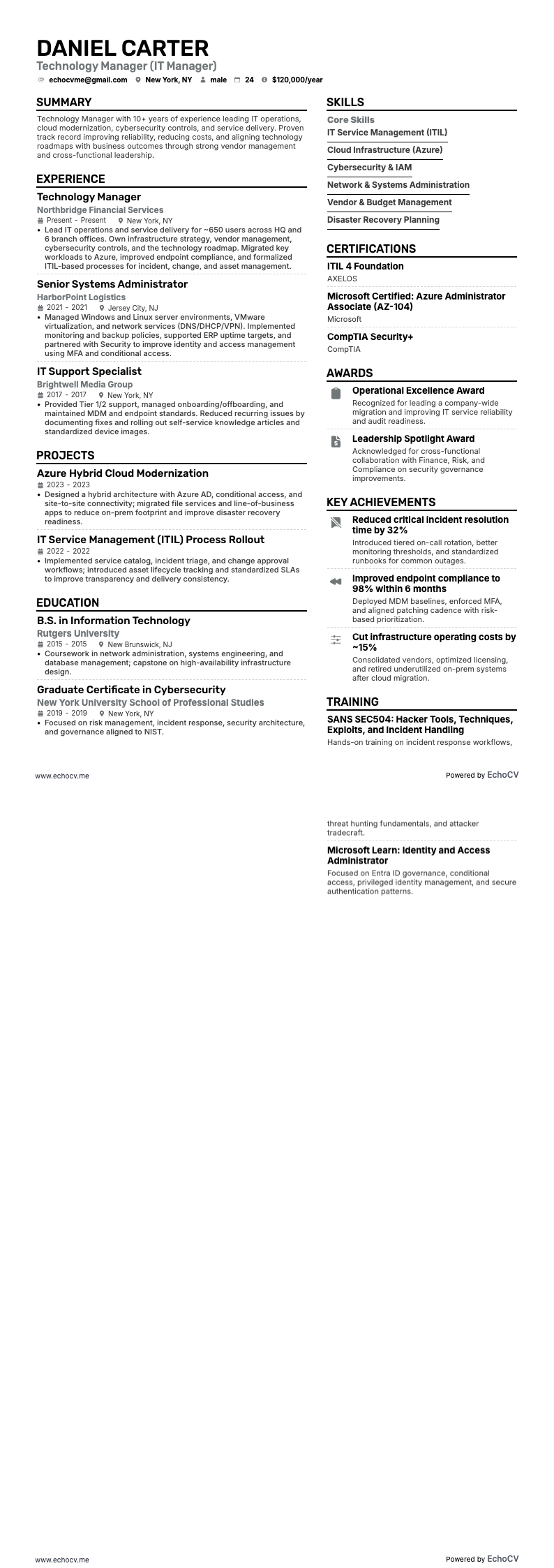
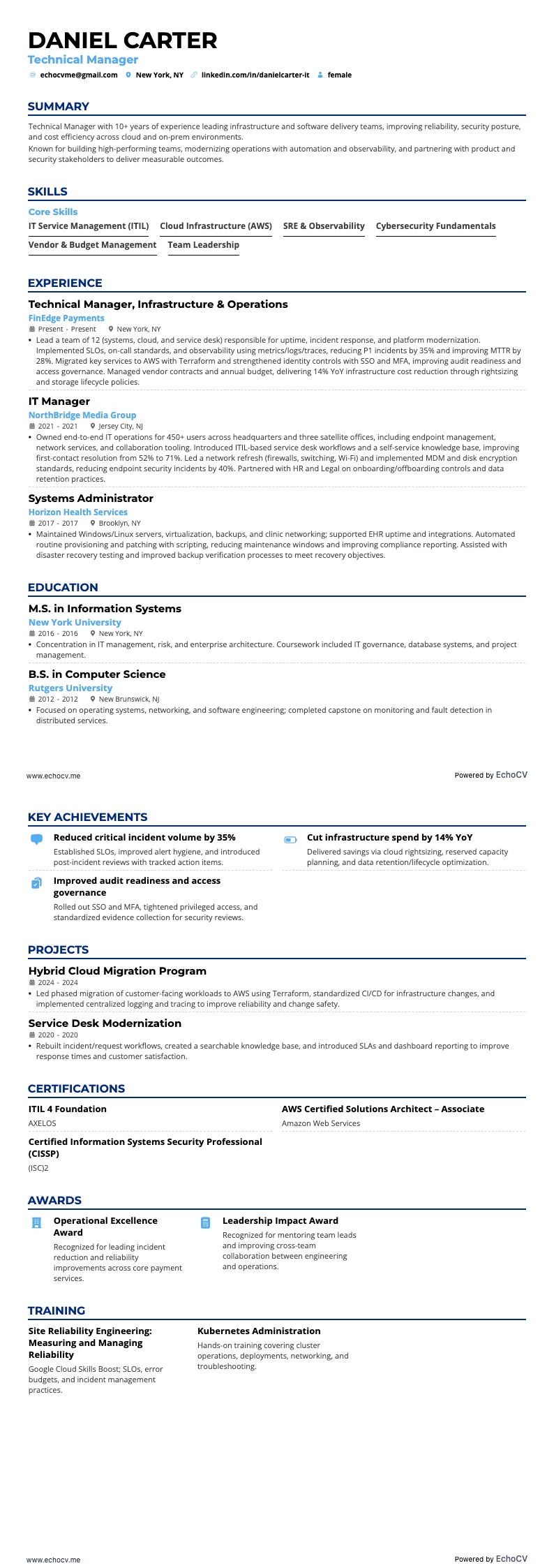
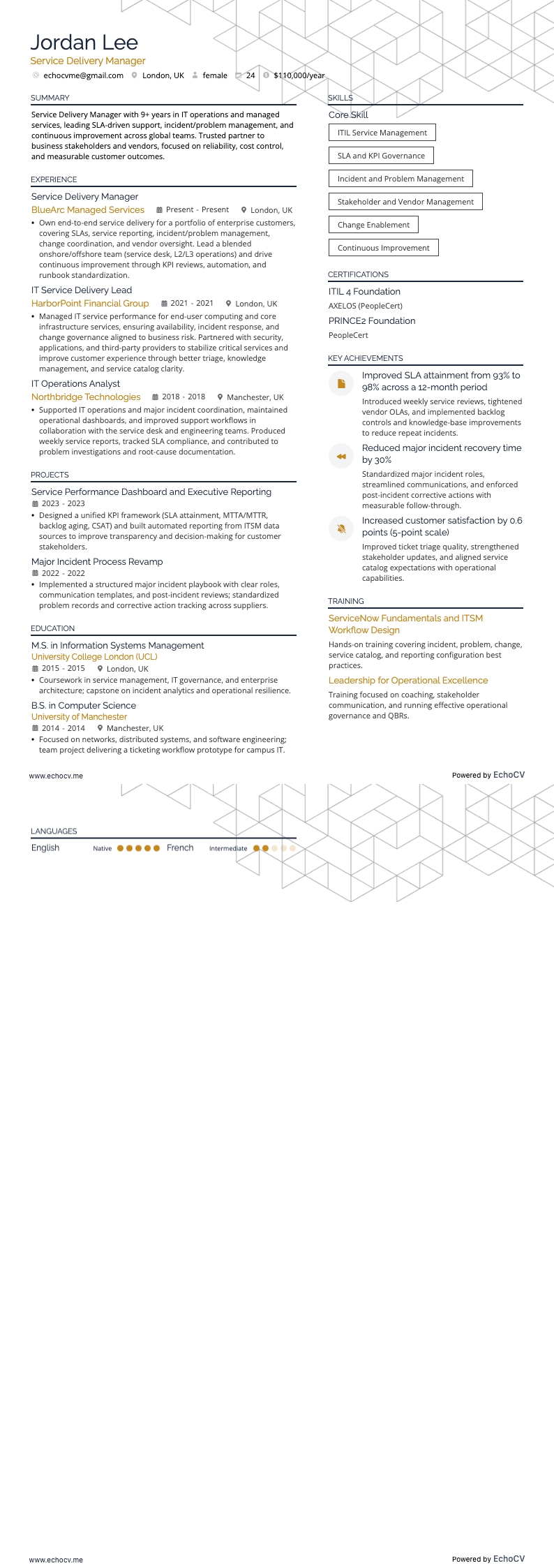
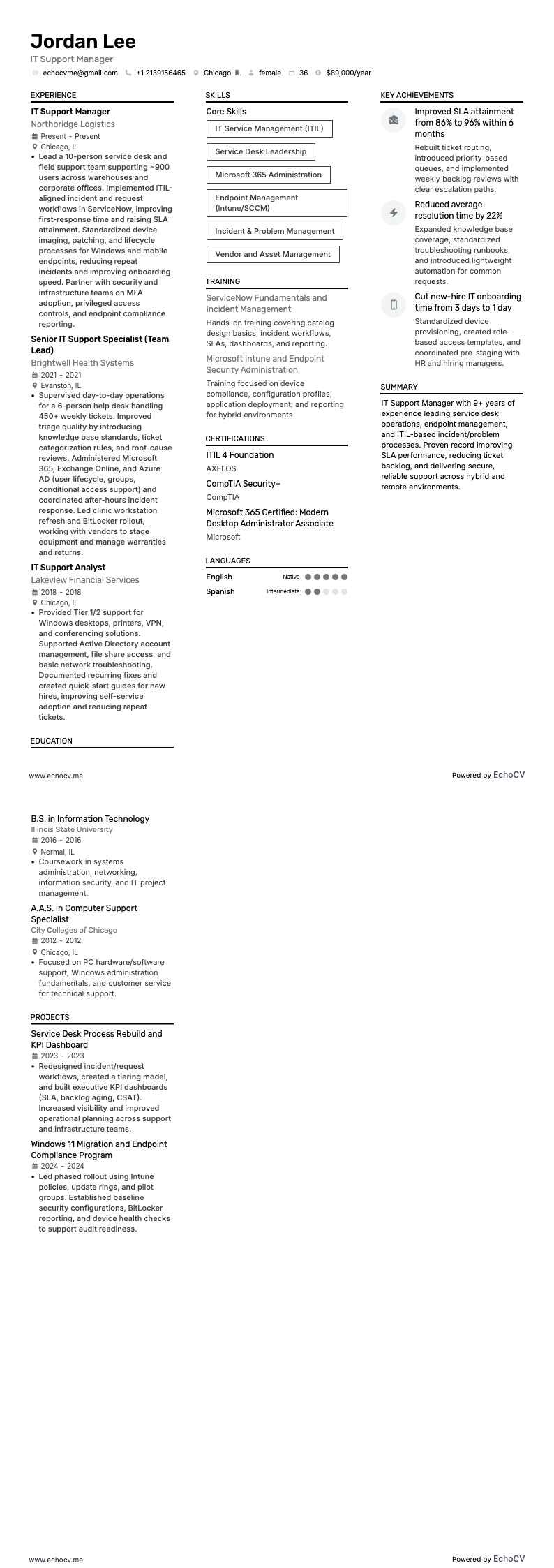
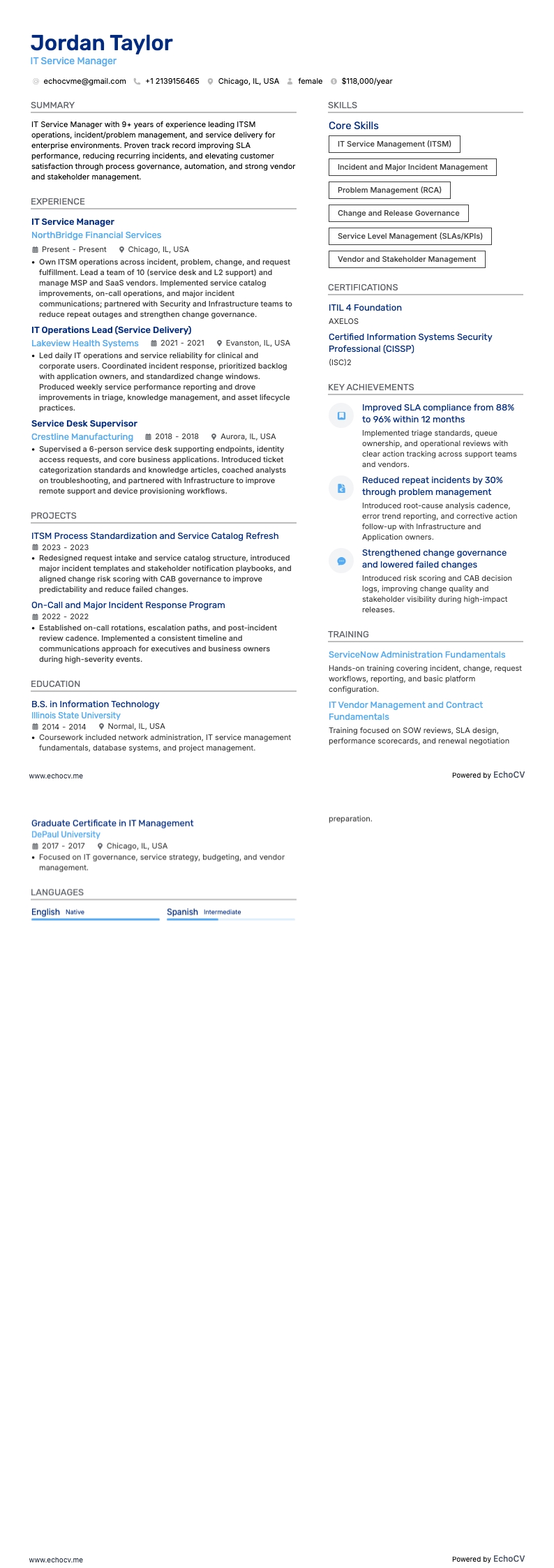
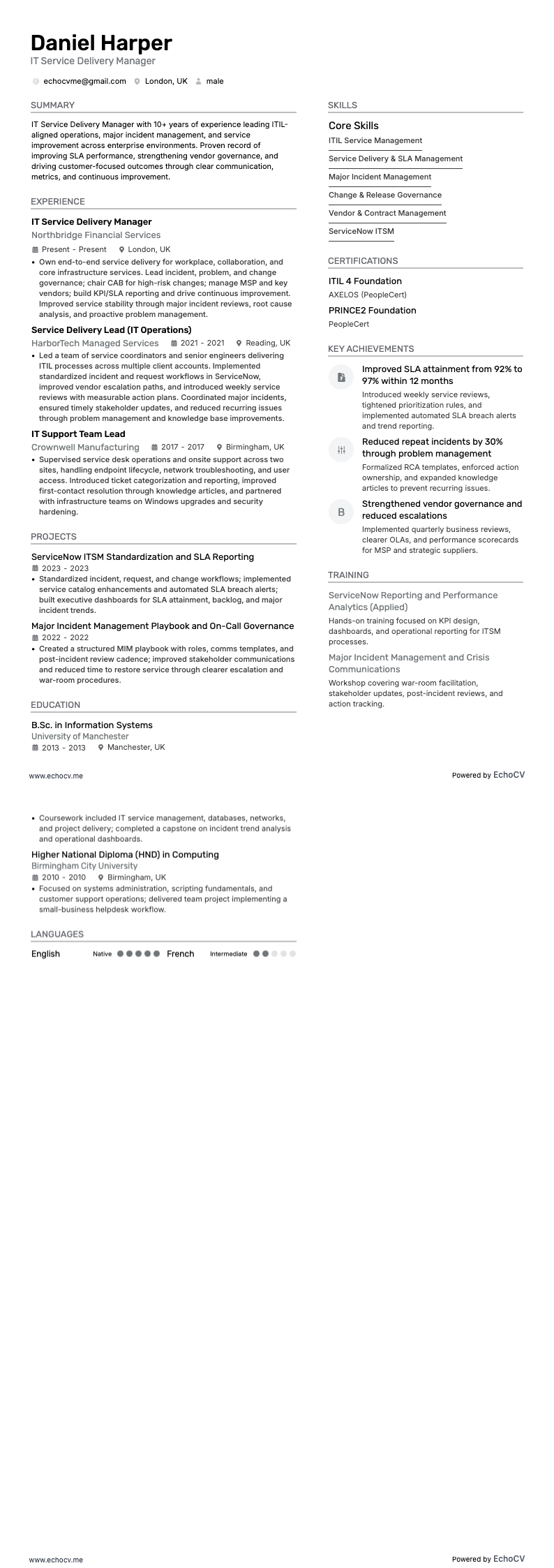
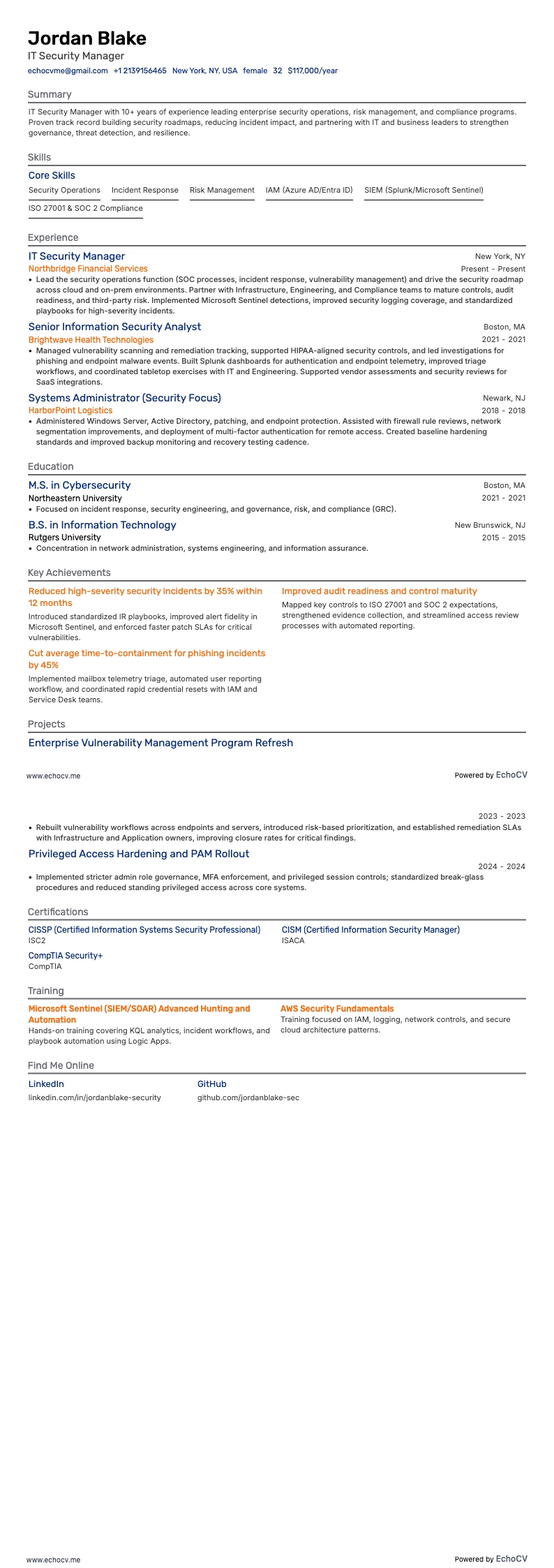
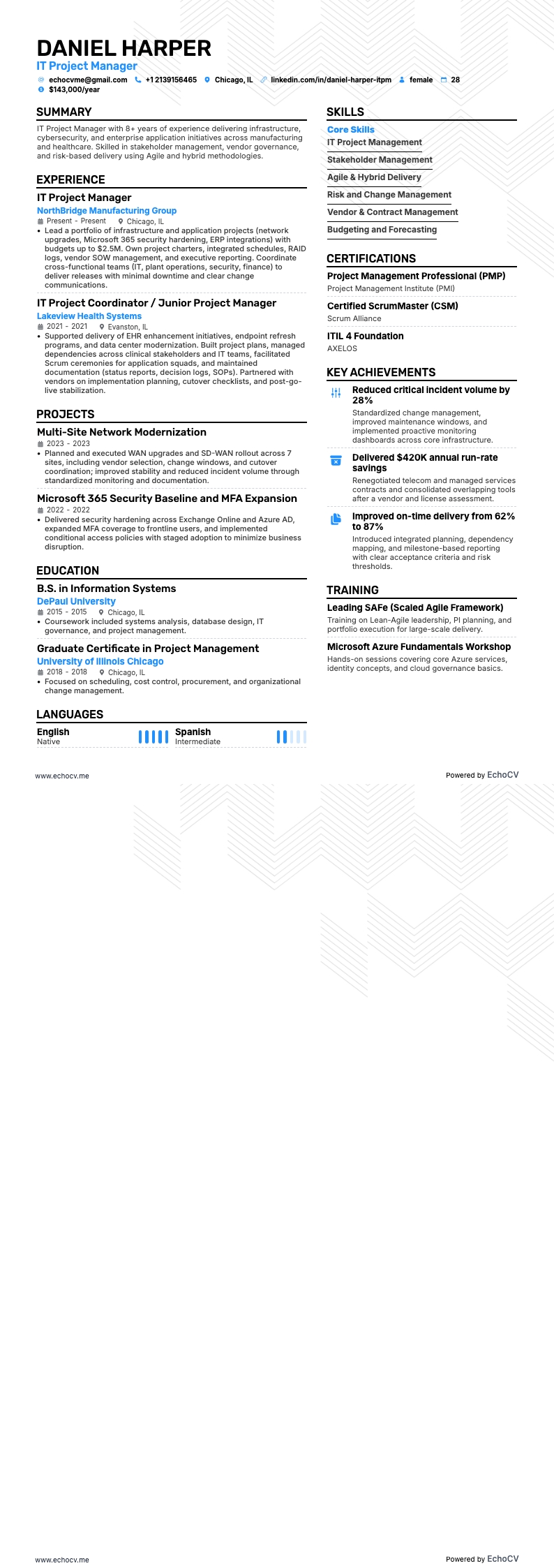
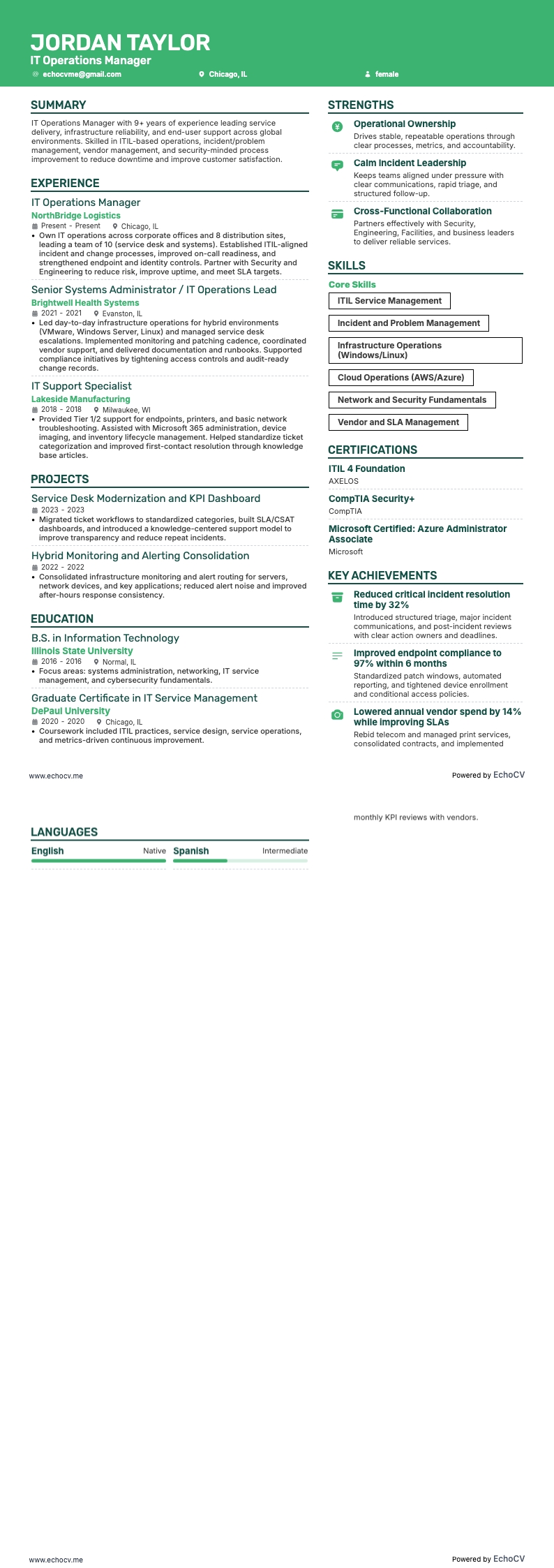
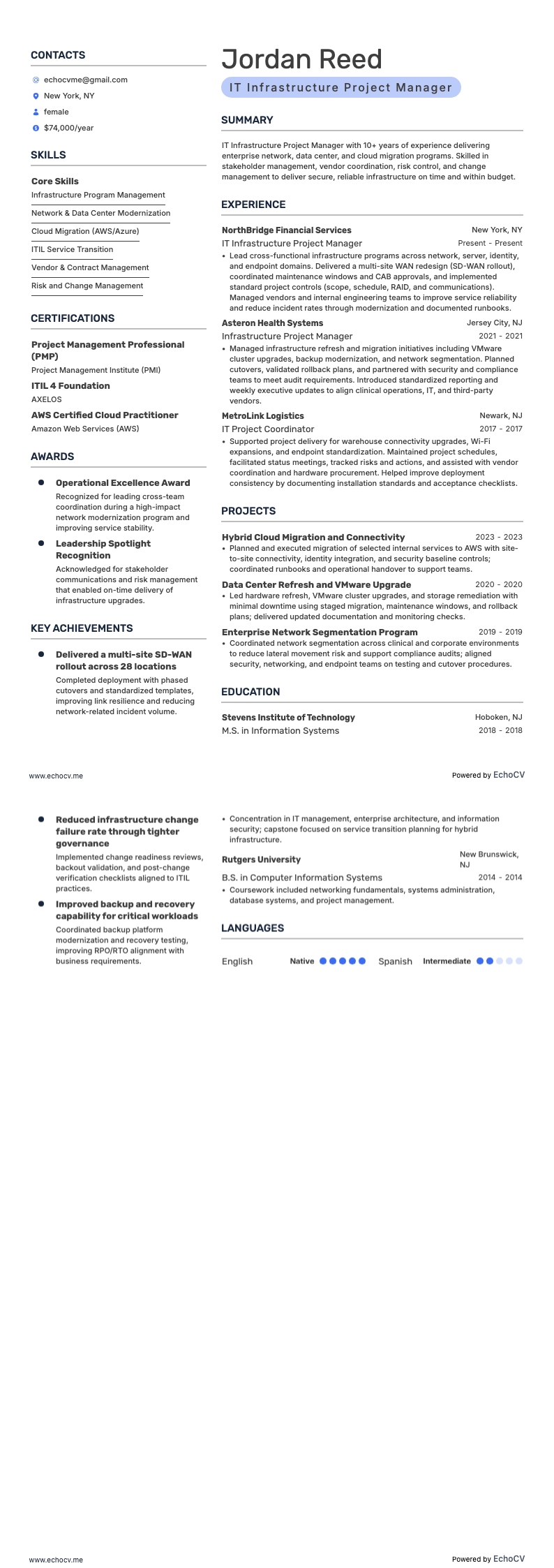
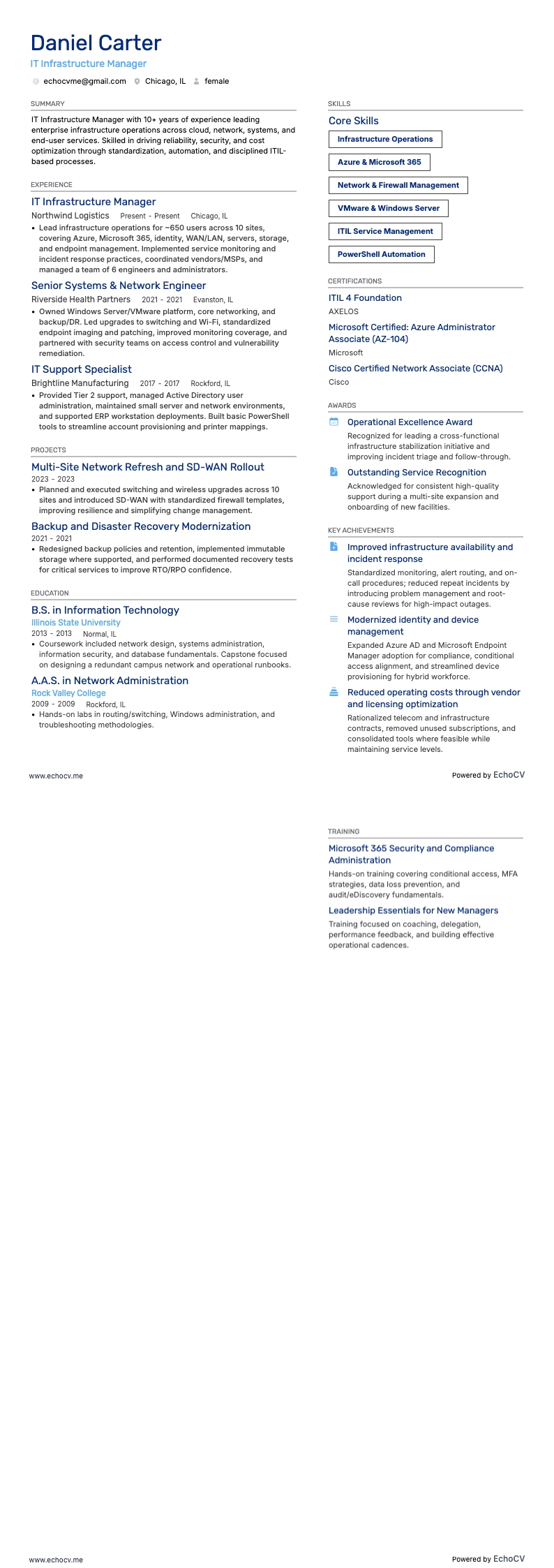
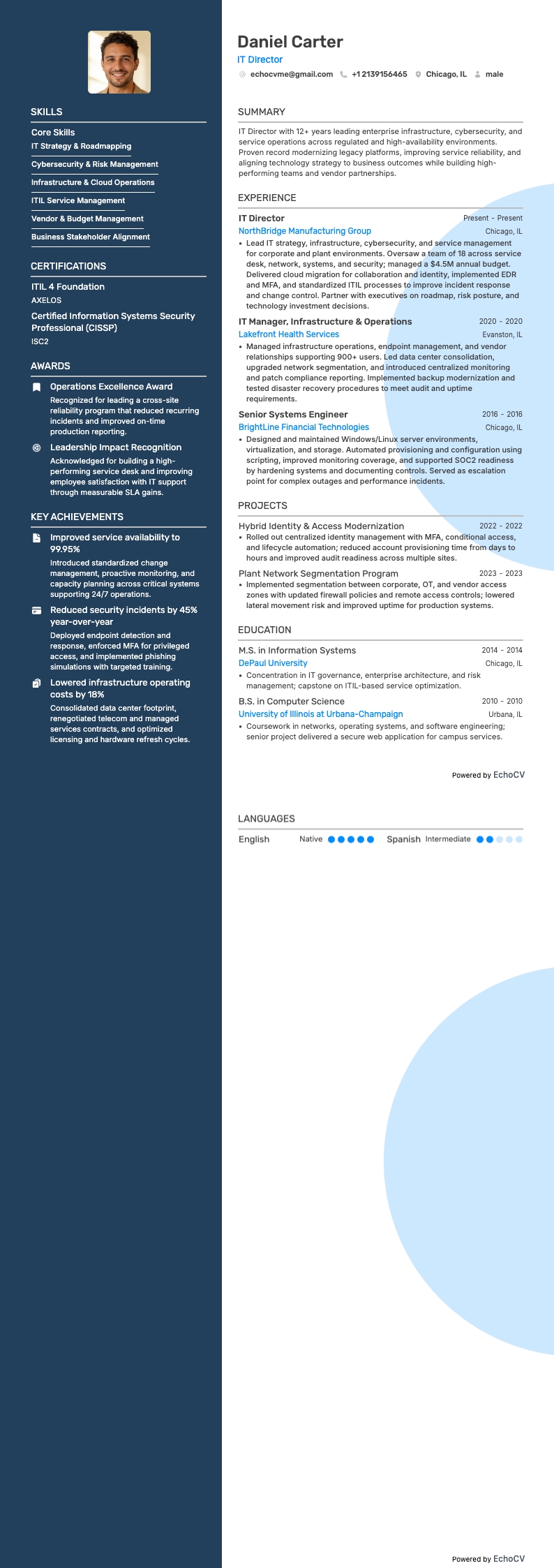
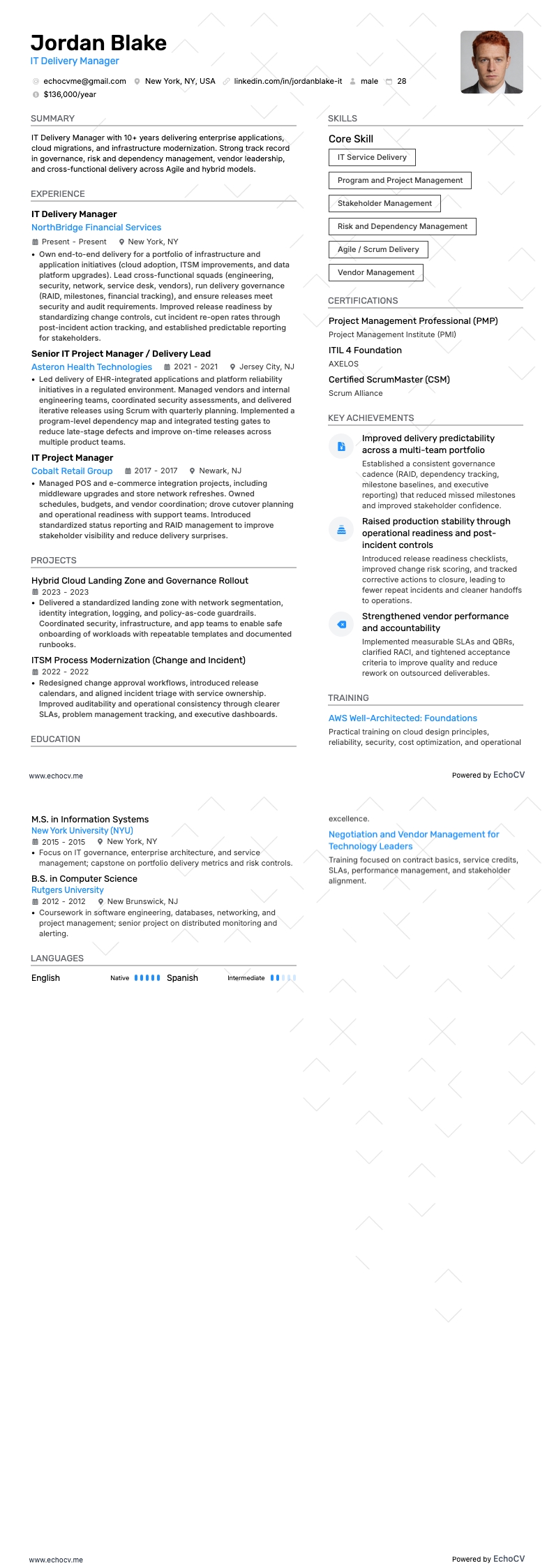
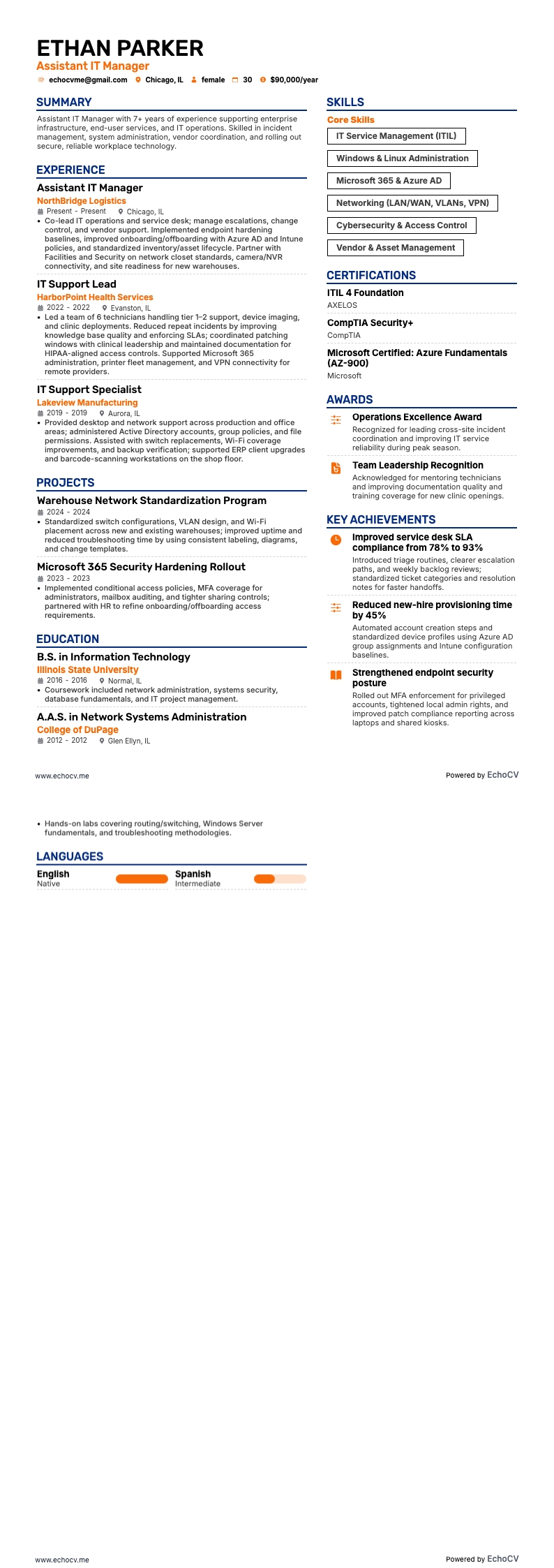
Now he is sure to expect a callback for an interview with the hiring managers!
How to quantify the impact on your resume
Measuring the significance of your accomplishments is the key to a successful resume.
It proves that you’re not aimlessly completing tasks. You’re mindful of your actions and are aware of the consequences.
Recruiters are looking for goal-oriented candidates with a knack for planning.
So, when you want to communicate the impact on your IT manager resume, consider the following examples:
- Number of team members you’ve managed or mentored to demonstrate the range of your leadership skills and ability to educate.
- Project budgets you’ve been responsible for handling to disclose that you’re fiscally responsible and able to allocate resources appropriately.
- Impact of your work on IT projects to indicate your ability to run business operations efficiently and productively.
- Number of IT infrastructure projects led to emphasize your project management and technical leadership abilities.
- Percentage of reduction in system downtime or processing time to showcase your problem-solving and analytical skills.
- Amount of money saved through cutting costs to stress your adaptability and ability to optimize IT infrastructure.
- Number of teams you collaborated and coordinated with to illustrate your talent for cross-functional teamwork and knowledge of various business areas.
- Number of servers, systems, and networks you’ve managed to highlight the scale and the size of the IT infrastructure you’re able to handle.
- Number of workshops, presentations, and training sessions you’ve conducted to demonstrate your commitment to knowledge sharing and team development.
- Amount of funds you’ve saved your previous employers through the implementation of better hardware and software solutions.
- Number of awards you’ve won for previous employers as a result of your self-starter attitude and ability to go above and beyond on any project you work on.
How do I write an entry-level IT manager resume
We’ve already discussed how to write your experience section if you have plenty of work history to boast about.
But what do you do if you don't have any managerial experience? How do you write an entry-level IT manager resume?
Remember the top three aspects your resume has to display.
At the beginning of this guide, we shared that seasoned managers must show that they have lots of organizational and administration skills.
By contrast, novice IT managers must concentrate on proving they have a strong technical foundation in addition to the soft skills required for the job.
Also, show that you're familiar with various project management frameworks, such as Agile and Scrum.
Here is a quick way to verify that you've included the right information:
- Read the job description very carefully.
- Write down all the mandatory skills and tools.
- Think of examples for each of the corresponding demands in the job ad from your previous positions.
- Don't forget to state exactly how you've used the software and platforms required by the company.
- Make sure to add at least one bullet point that showcases an IT manager skill for each of your previously held positions. Show recruiters how the scope of your duties expanded over the years.
- Consider adding a section for side projects to demonstrate other abilities you haven't had the chance to exhibit yet.
How to list your hard skills and soft skills on your resume
Speaking of abilities, the gradual shift from more hands-on technical work towards social duties becomes more apparent the more you move towards management-level roles.
Hence your IT manager resume must reflect a cherry-picked selection of your top technical and social talents.
Your tech expertise falls under the hard skills category. When it comes to IT management, these include mainly software, tools, and programming languages.
Be careful which hard skills you list because you will get tested on them once you get to the interview stage.
In contrast, your people skills are part of the soft skills category. These are traditionally harder to quantify, but there are ways to do it.
Simply, use the experience section formula of Challenge-Action-Result (CAR):
- Think of occasions where your skills shined through.
- Take into account the impact of your work.
- Try to quantify the outcome of your actions.
- Begin each bullet point entry with an action verb.
- Provide pertinent information about the project or the challenge you had to tackle.
- Describe what were the results of your work.
And that's it!
Just don't forget to use the same wording as used in the job description when referencing your skills. This is a foolproof way to pass Applicant Tracking System (ATS) filters.