If I asked you what a certified parent would look like, what would be your answer?
I bet a product engineer wouldn’t be at the top of your list.
Just think about it.
Being one is a lot like being a parent - your product idea is your child and you need to make sure it grows right.
And while your brainchild is maturing, you’re also accountable for:
- Its performance and behavior
- Its proper development
- Budget management
- Maintenance and testing
- Everything being done on time
It's like making sure your kid does their chores and behaves well at school. Otherwise PTA meetings would be a nightmare.
Since you’re involved in every aspect of product development, you’re bound to have a variety of skills.
This begs the question, if you had to write a one-page resume, would you be able to fit everything on it?
If your answer is yes, let us know if we missed anything in our article.
If your answer is no, then strap yourself and keep on reading.
What can our product engineer resume guide help you with
- Being succinct and focused when talking about your knowledge and work experience
- Leveraging and balancing out your technical and core skills on your resume
- Structuring your resume in a way it will resonate with hiring managers
- Describing transferable skills and supporting them with evidence
- Making your resume reflect your work style without having to rely solely on the cover letter
How to build a product engineer resume from scratch
When it comes to resume writing, many product engineers tend to get too technical. And it's a very common trap to fall into.
In most cases, hiring managers do have some knowledge about the type of skill set they’re searching for.
Even if they don’t, they are paired with an expert during the interview process to navigate the tech bits.
But before you get the interview, you must convince recruiters that you’re the right fit for the company. Not only in terms of culture, but also the way you perform your work.
Yes, being expert in your field is a must. But you need to be able to talk about your expertise without losing your audience.
How?
By speaking the language hiring managers understand best - results.
Much like end users, recruiters are concerned with what they will get out of hiring you.
How can you help the company achieve its goals?
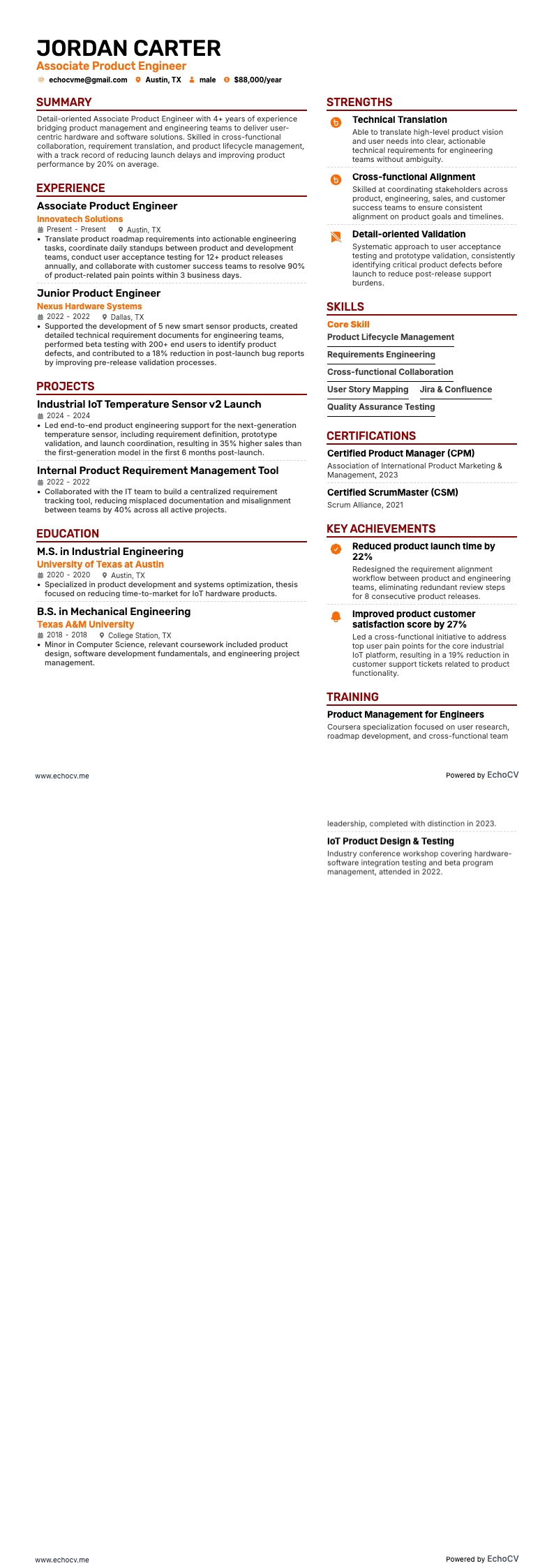
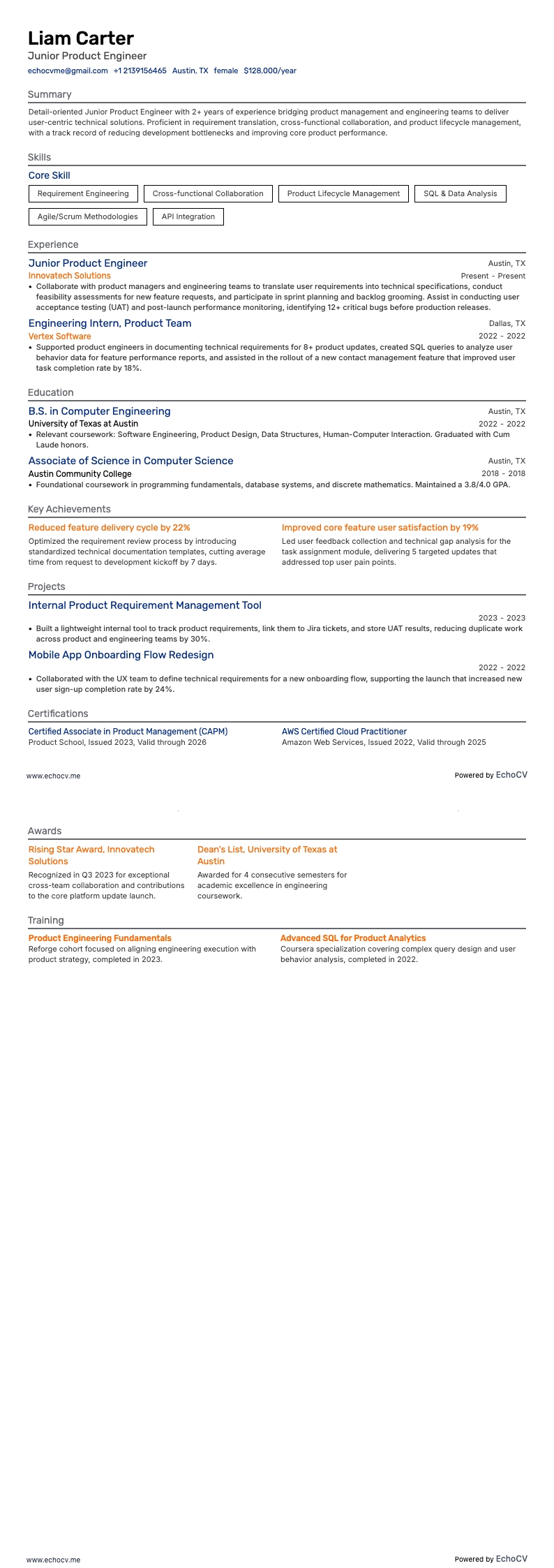
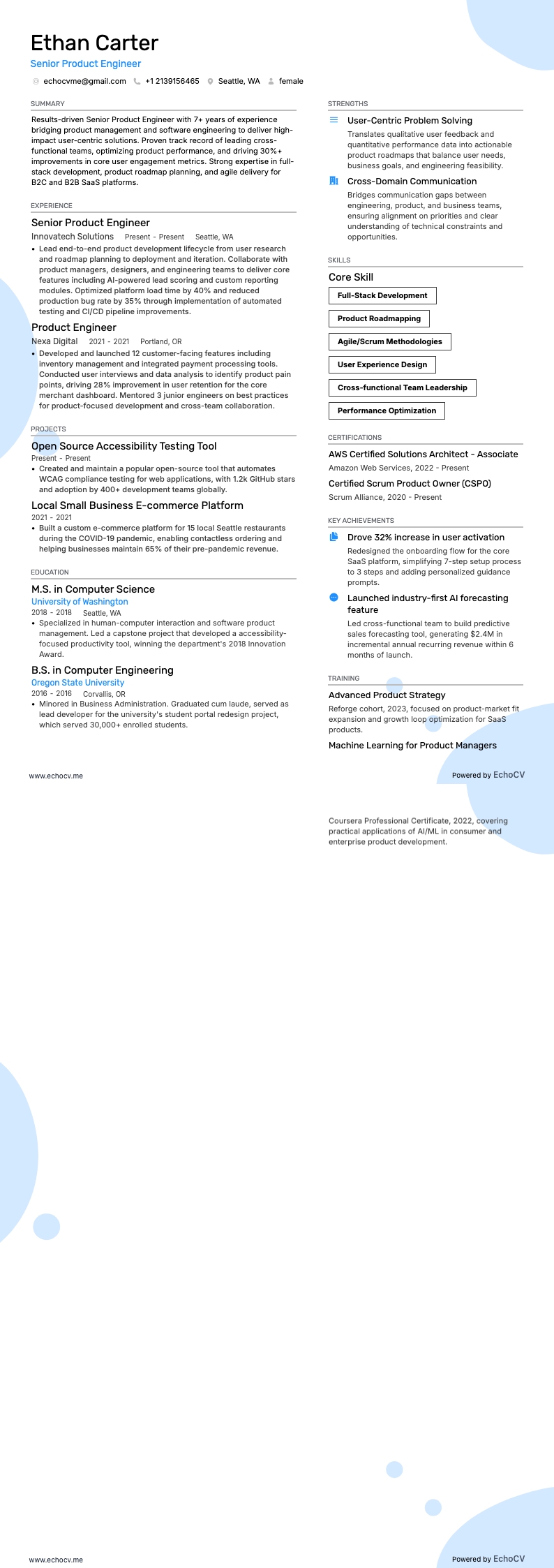
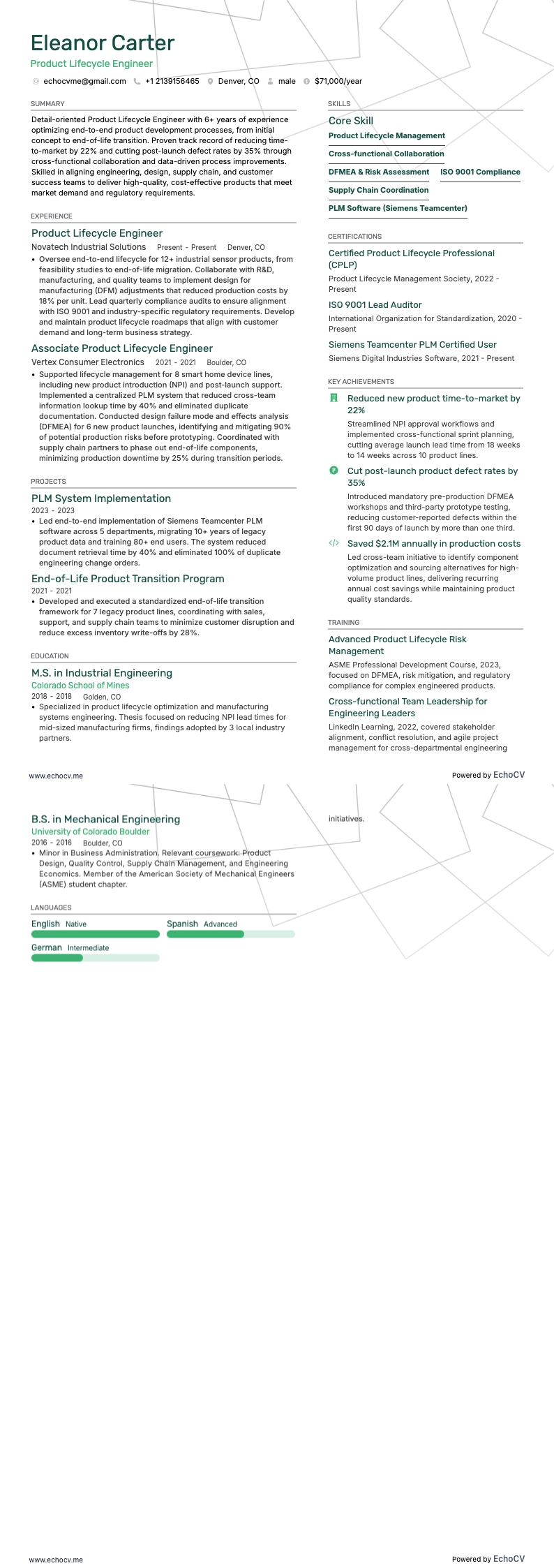
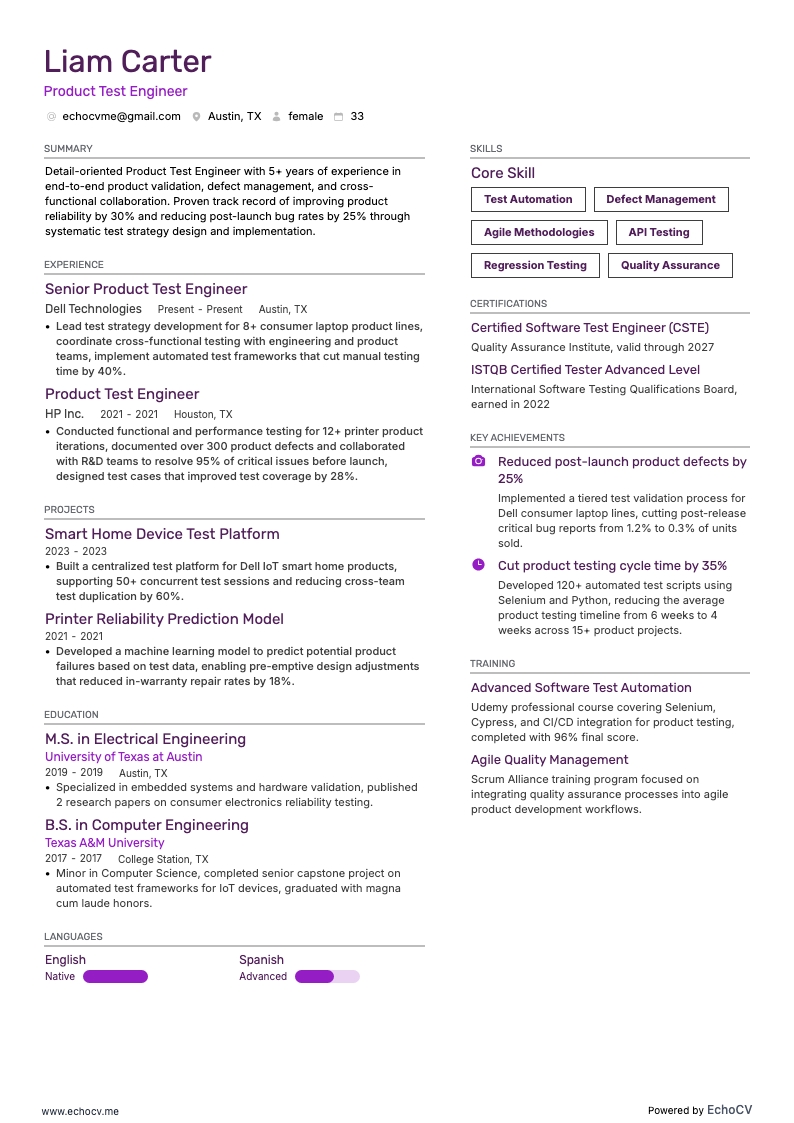
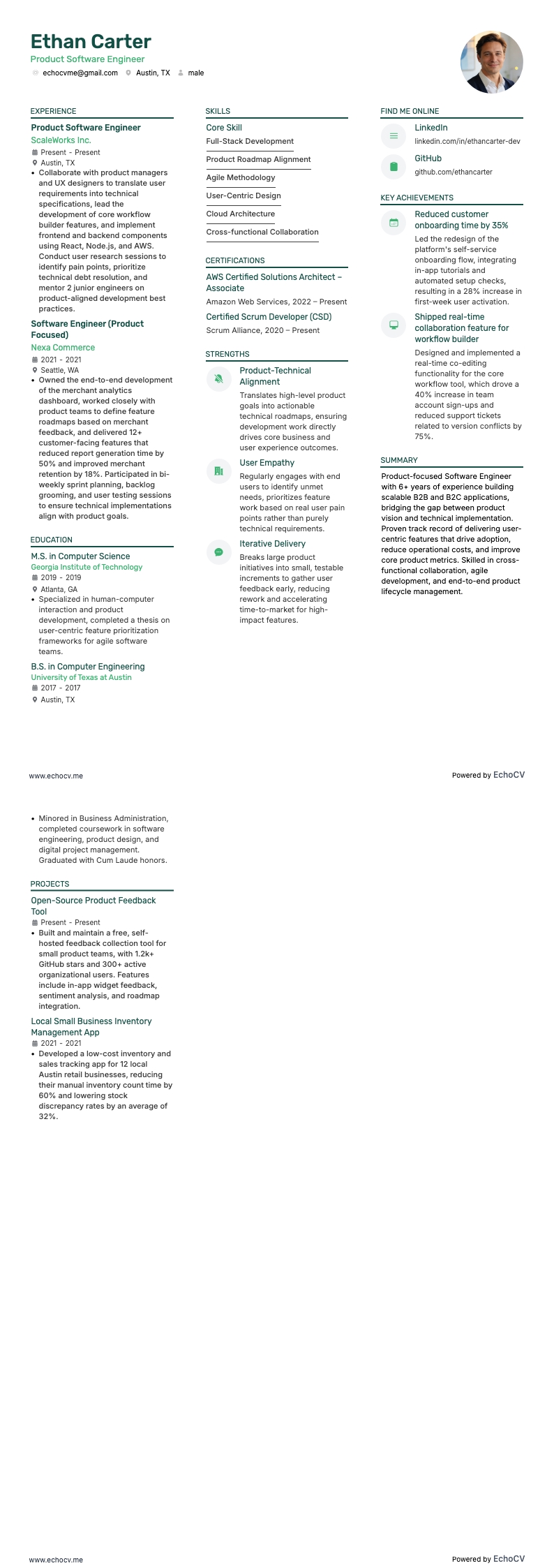
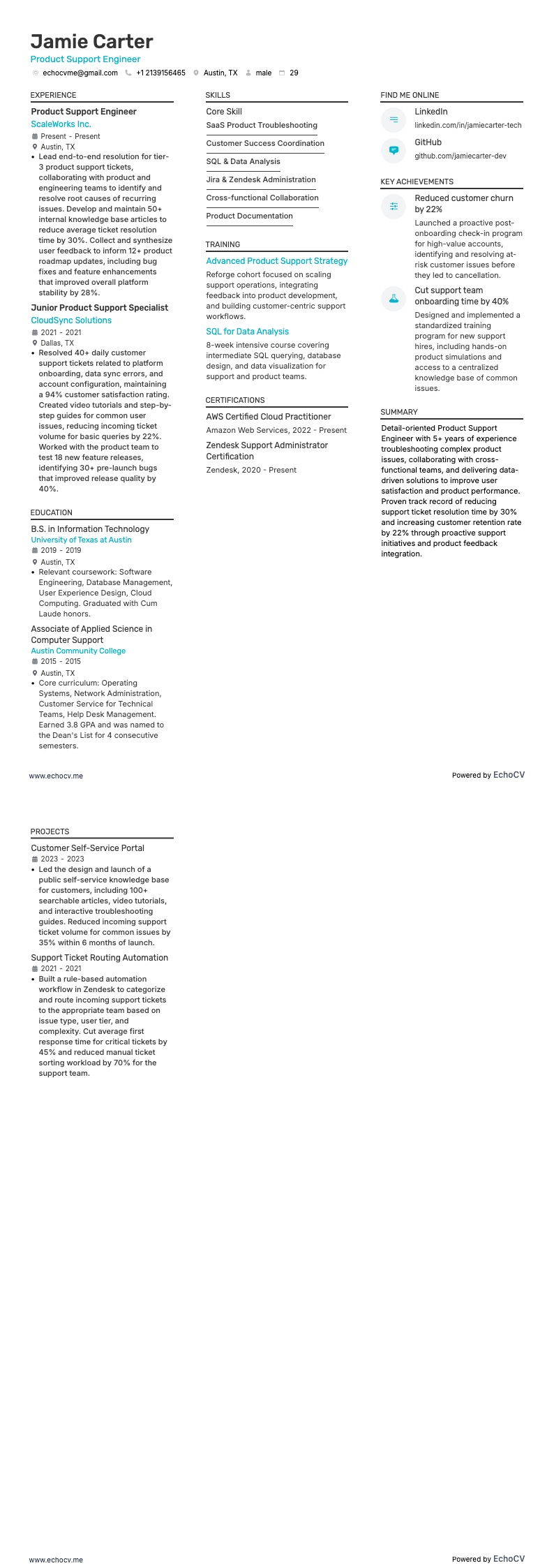
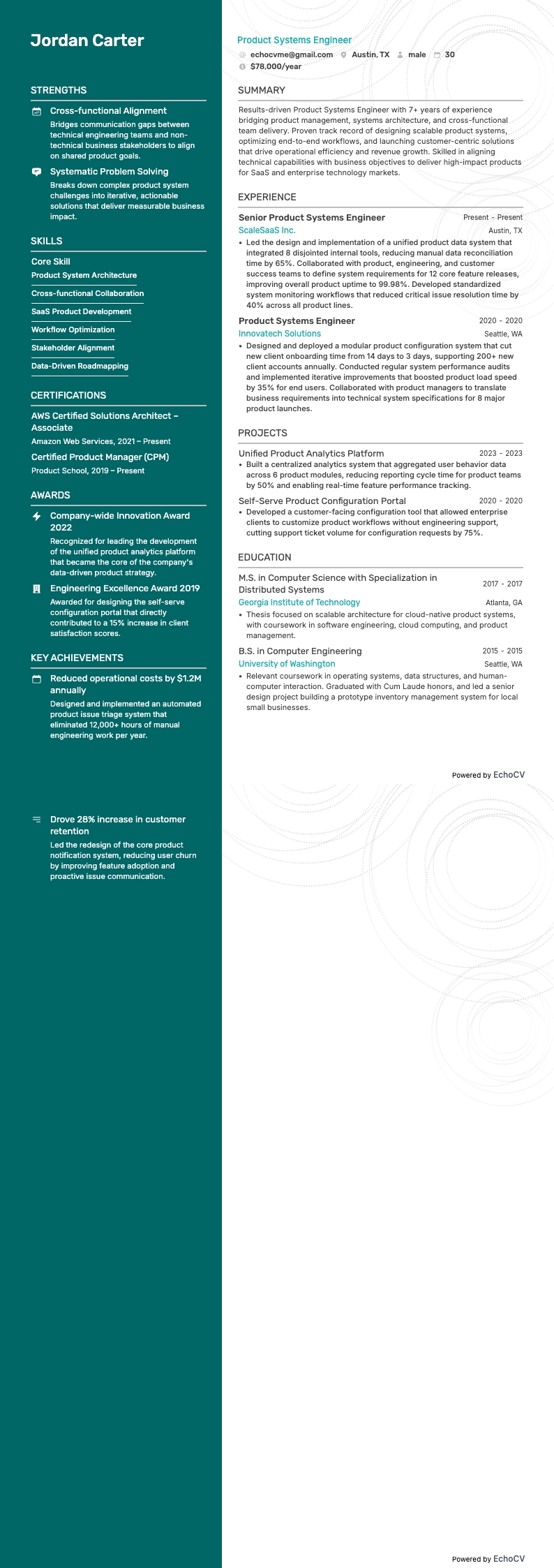
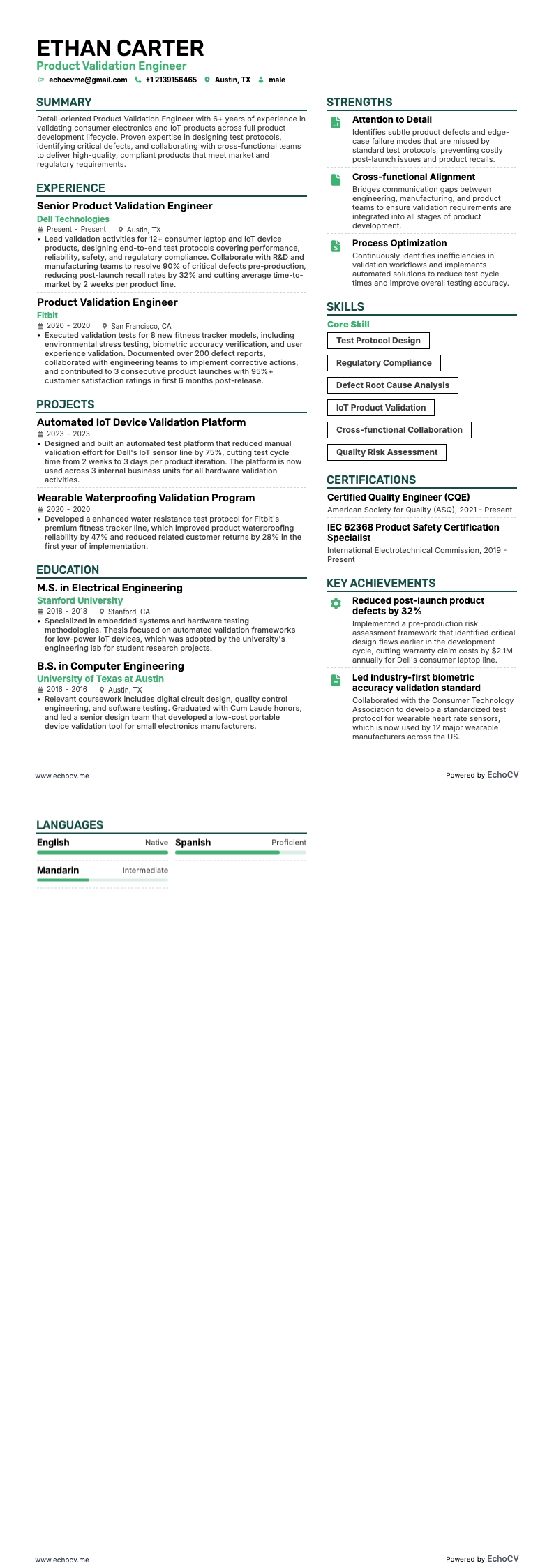
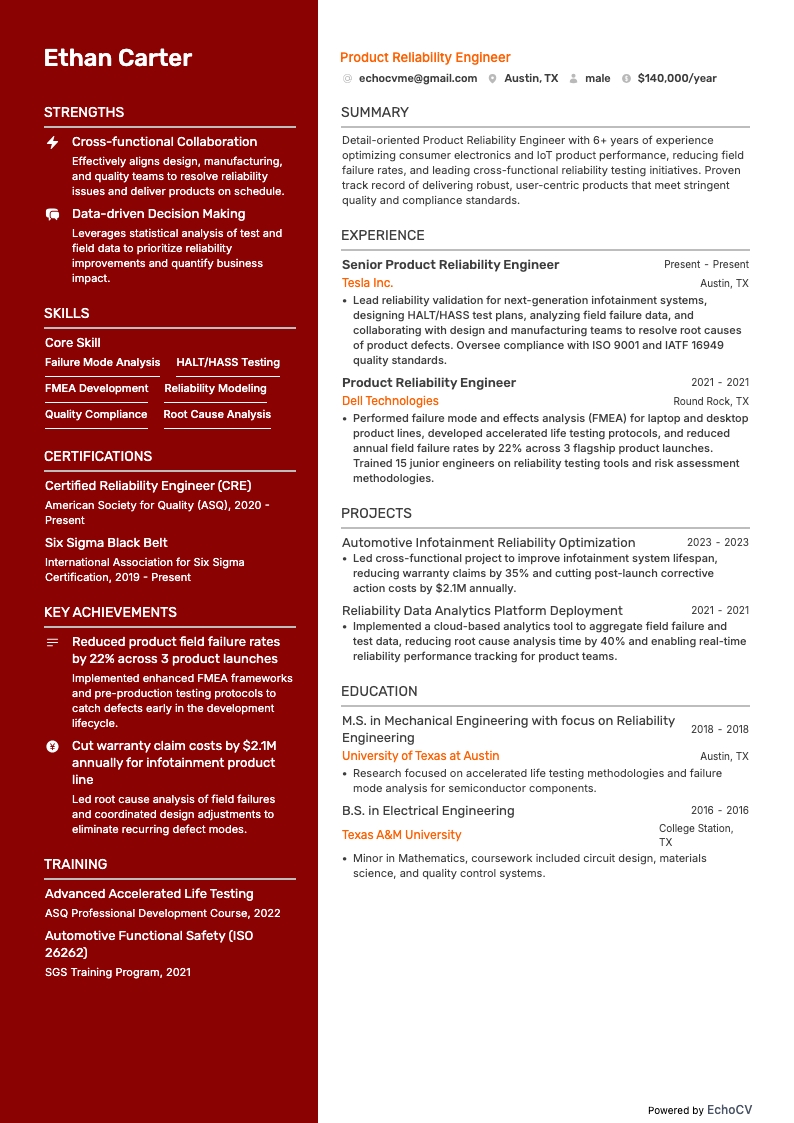
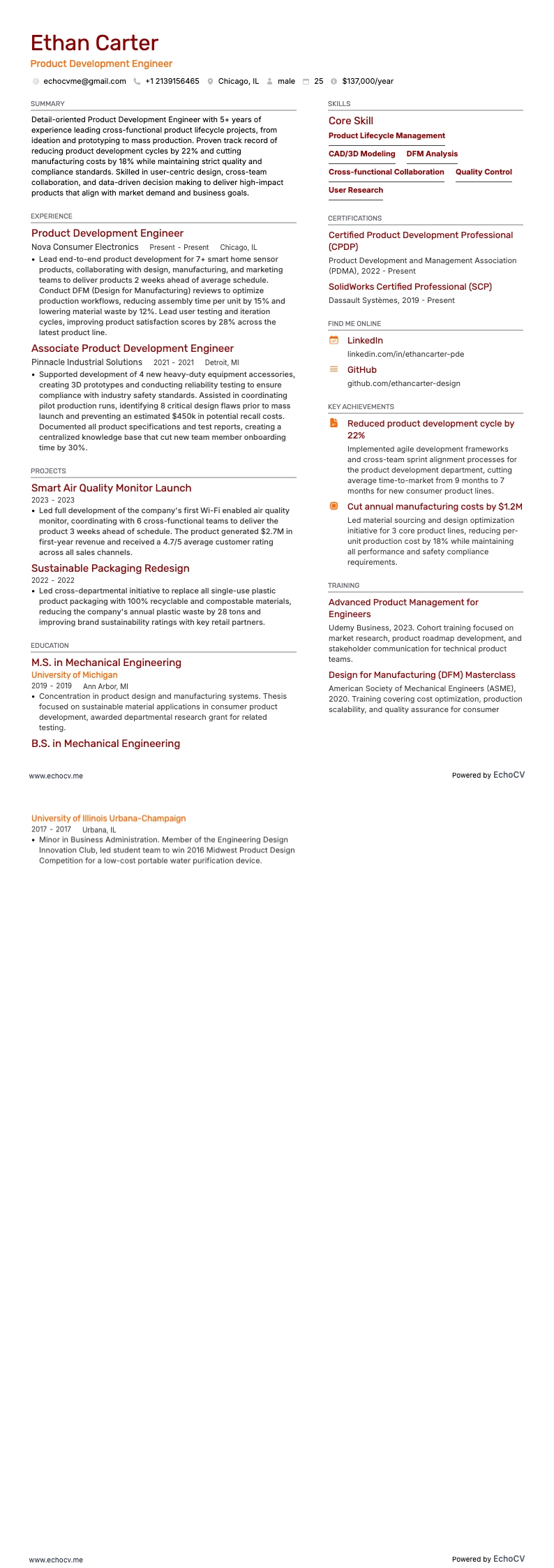
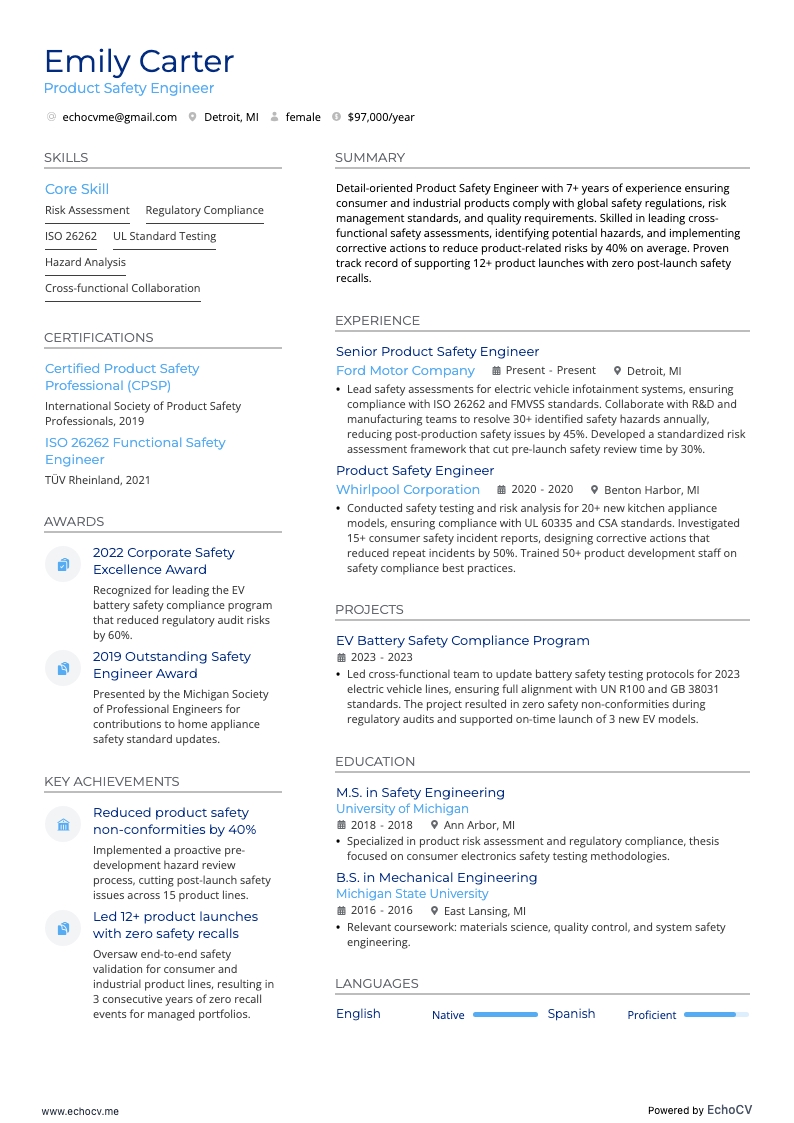
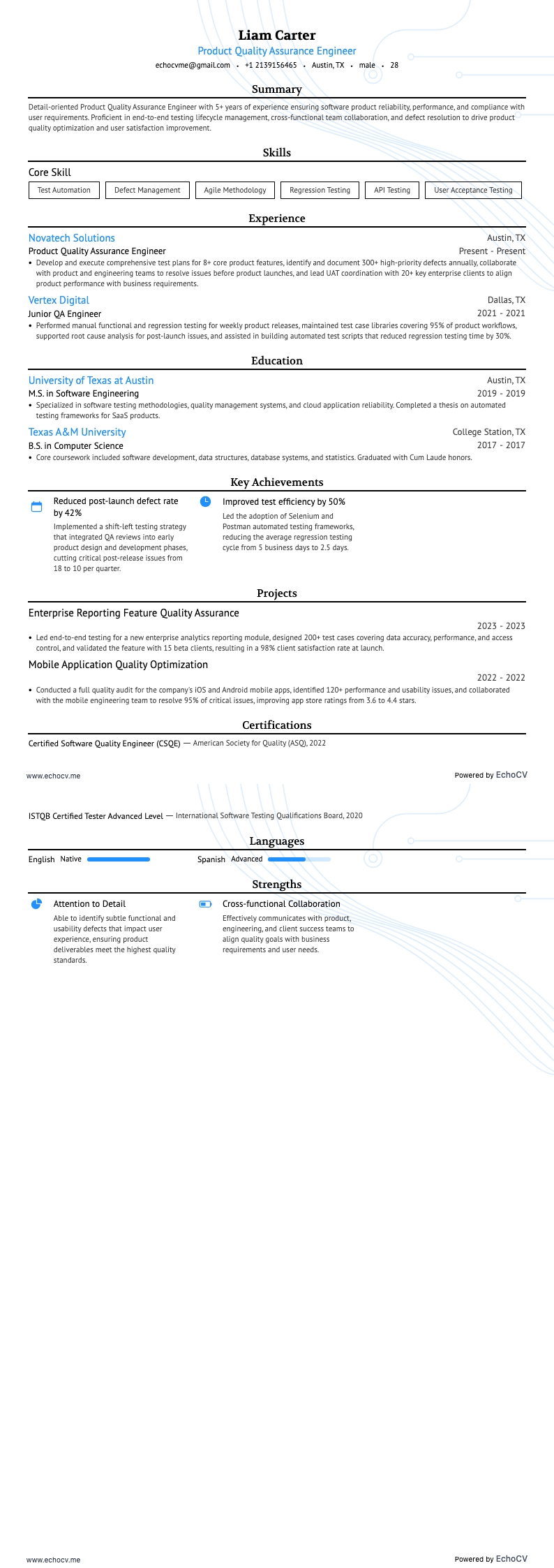
This brings us to resume framing and layout. Depending on your level of expertise, you have three options:
Generally, hiring managers prefer the first layout.
Why?
Because it’s easier to skim through. If you have plenty of experience, this is the way to go.
Make sure you don’t go back more than a decade. List all the different projects you’ve been involved in.
Also, if you’ve held various positions, show your career development. Let recruiters know the scope of your past responsibilities.
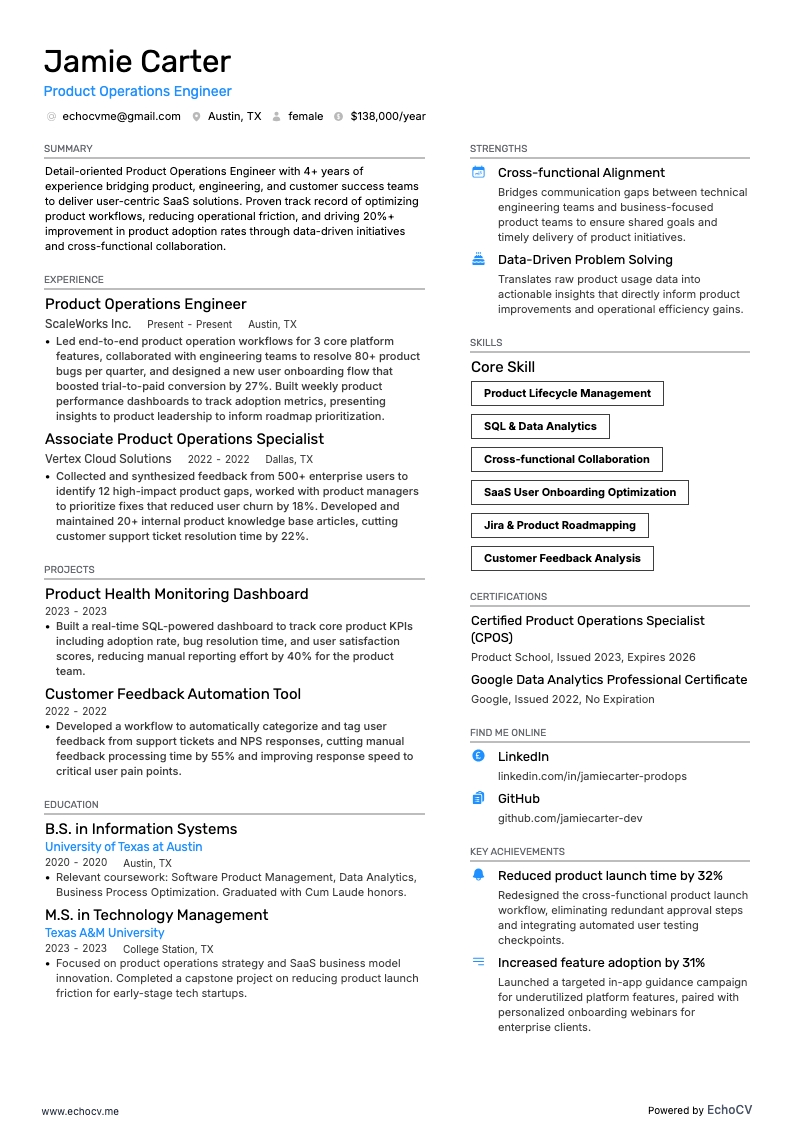
If you don’t have much experience, then consider the functional resume format. It focuses more on your abilities, rather than actual work experience.
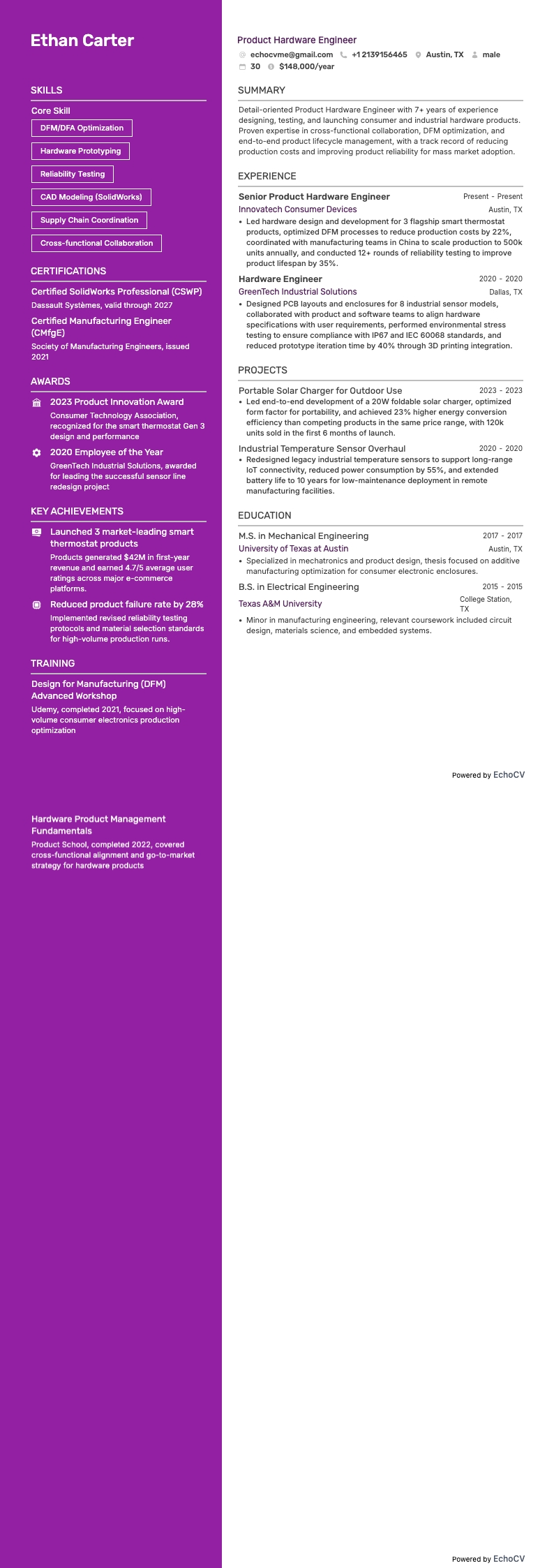
In case you want to include a mix of past positions and side projects, the hybrid resume layout is your best option.
This one is also good, if you need to explain gaps in your work history.