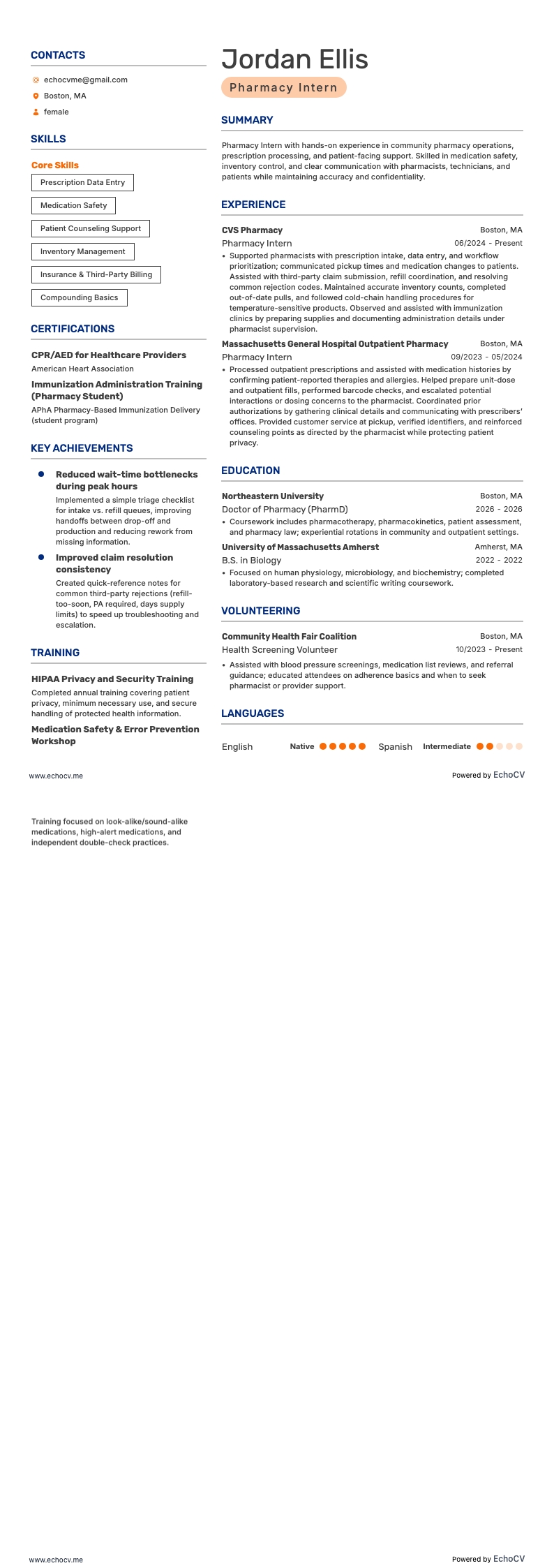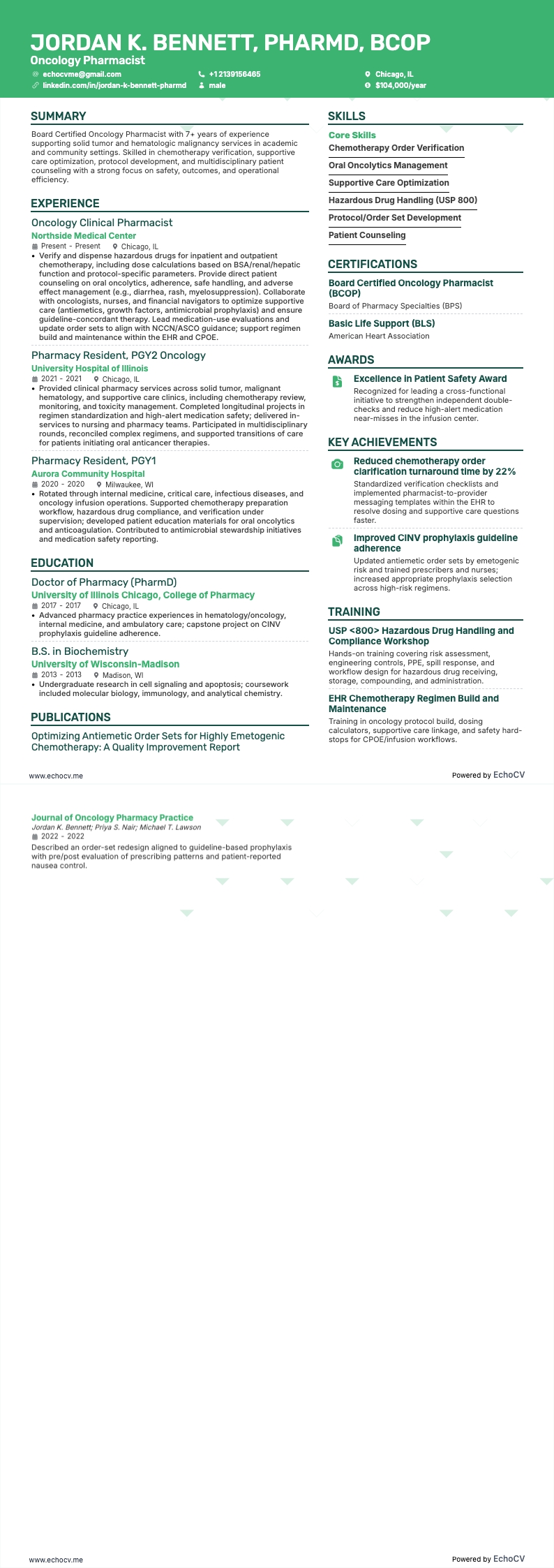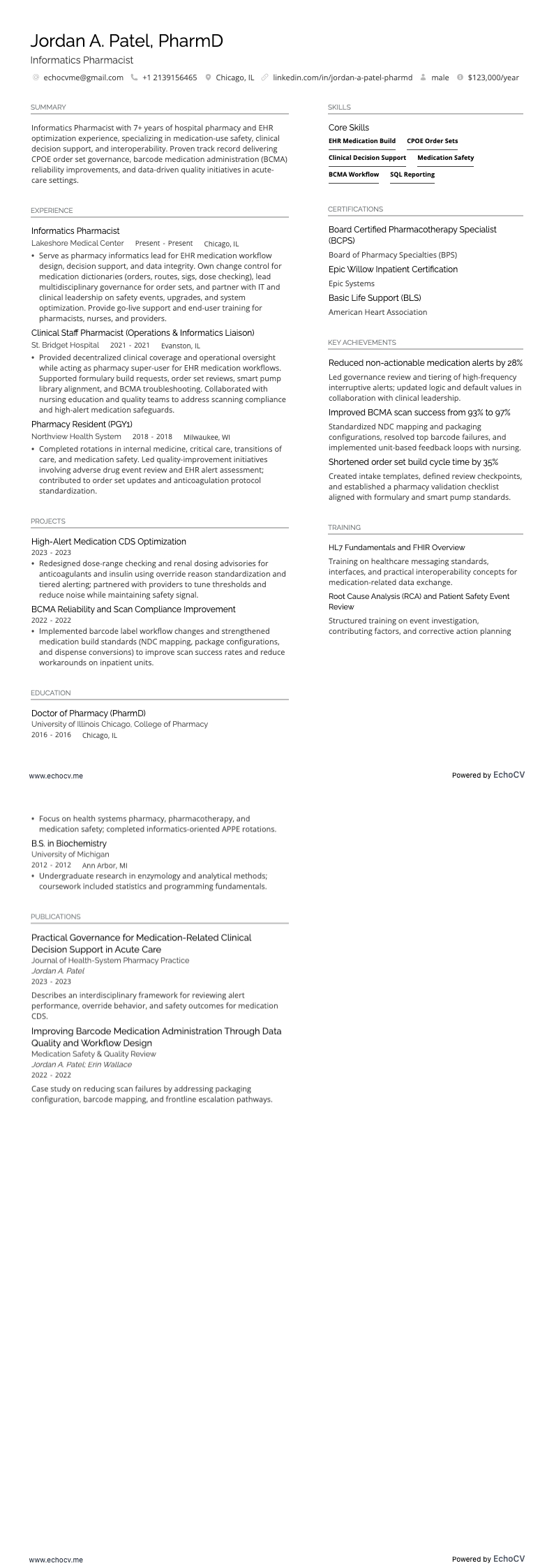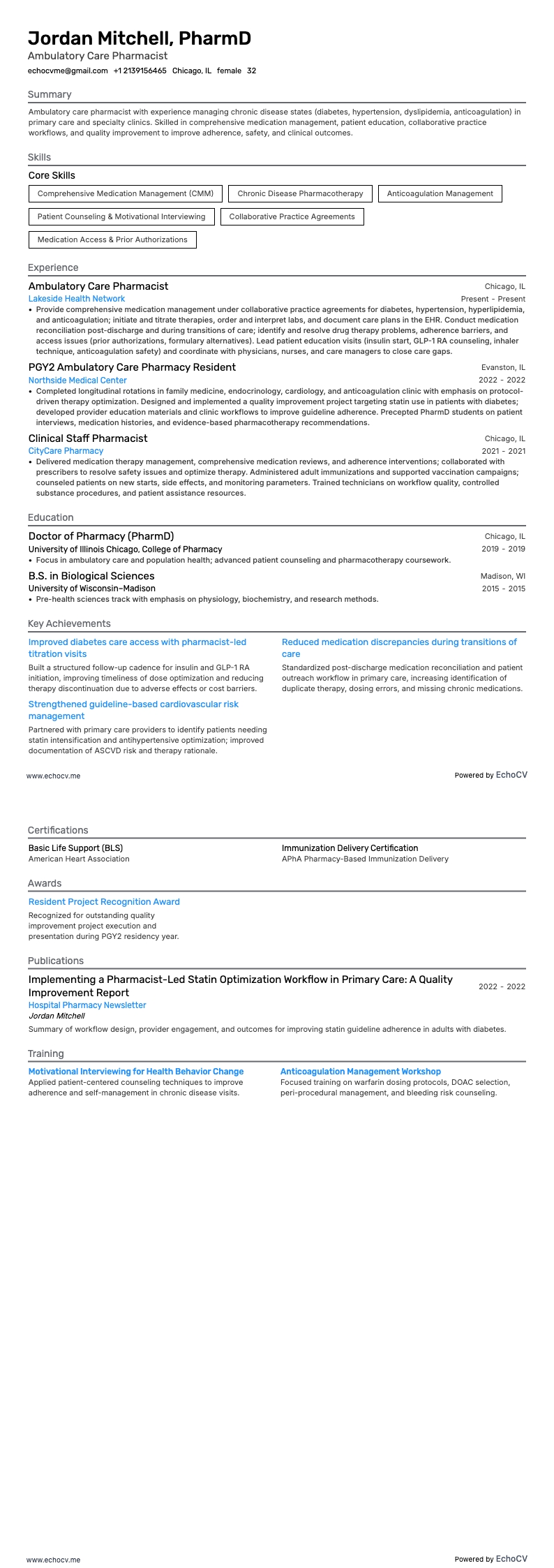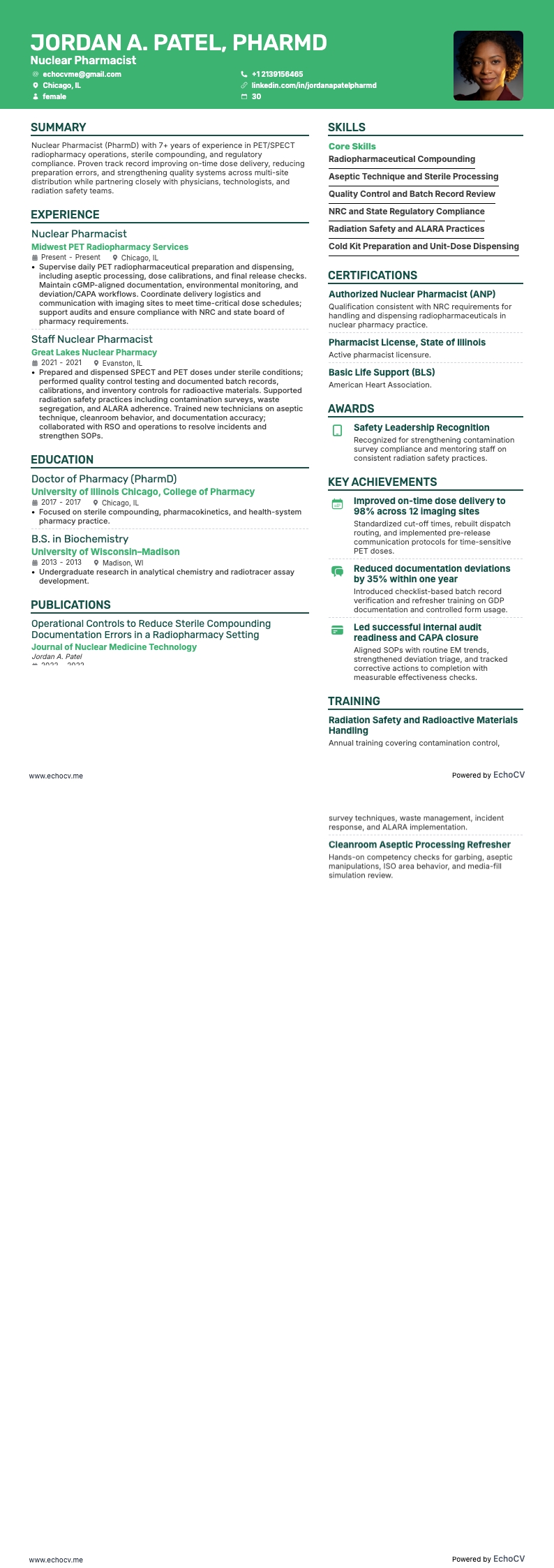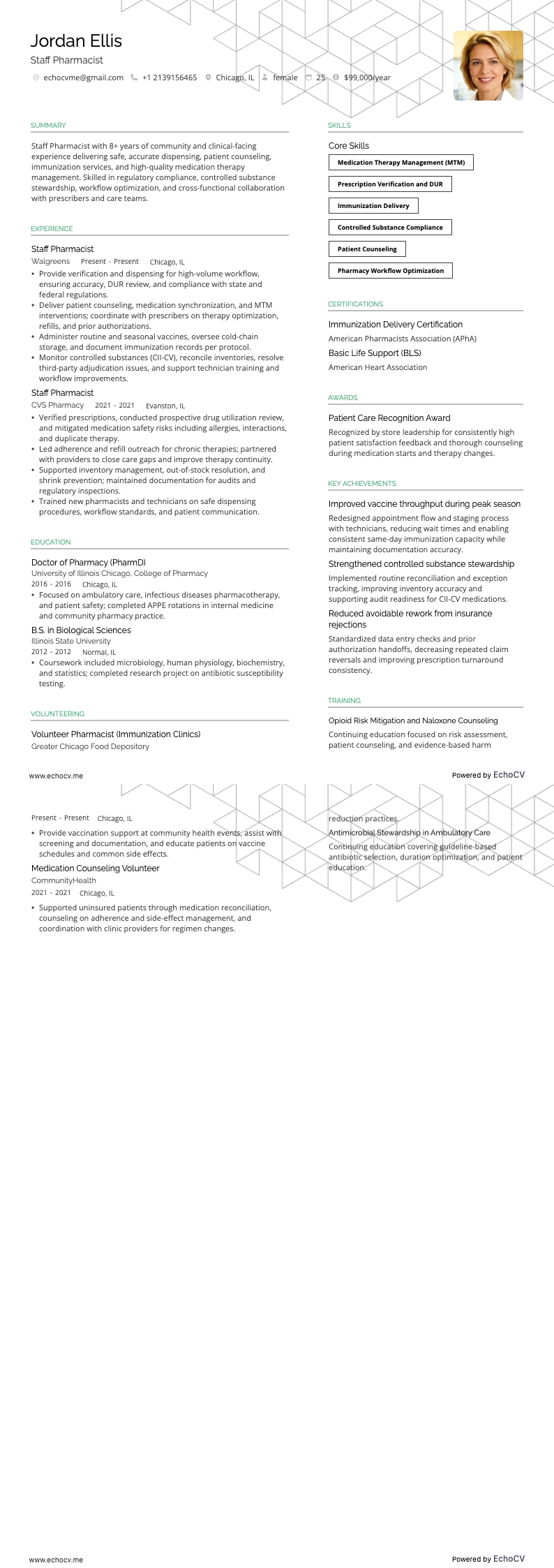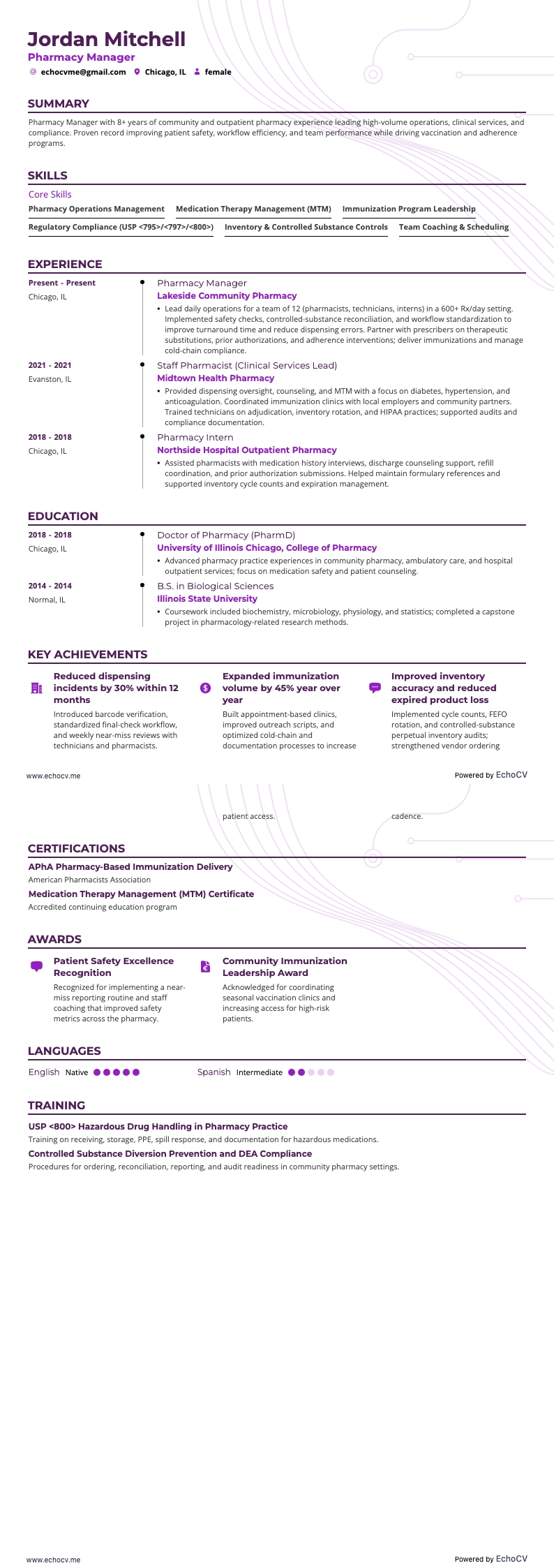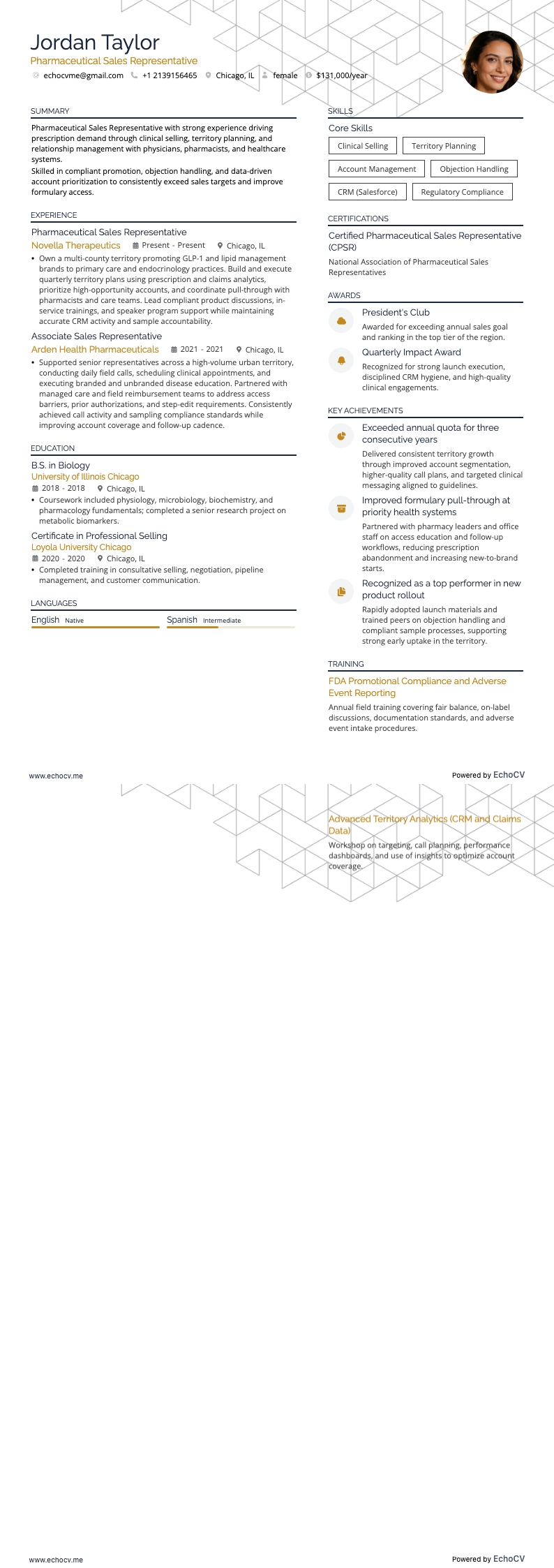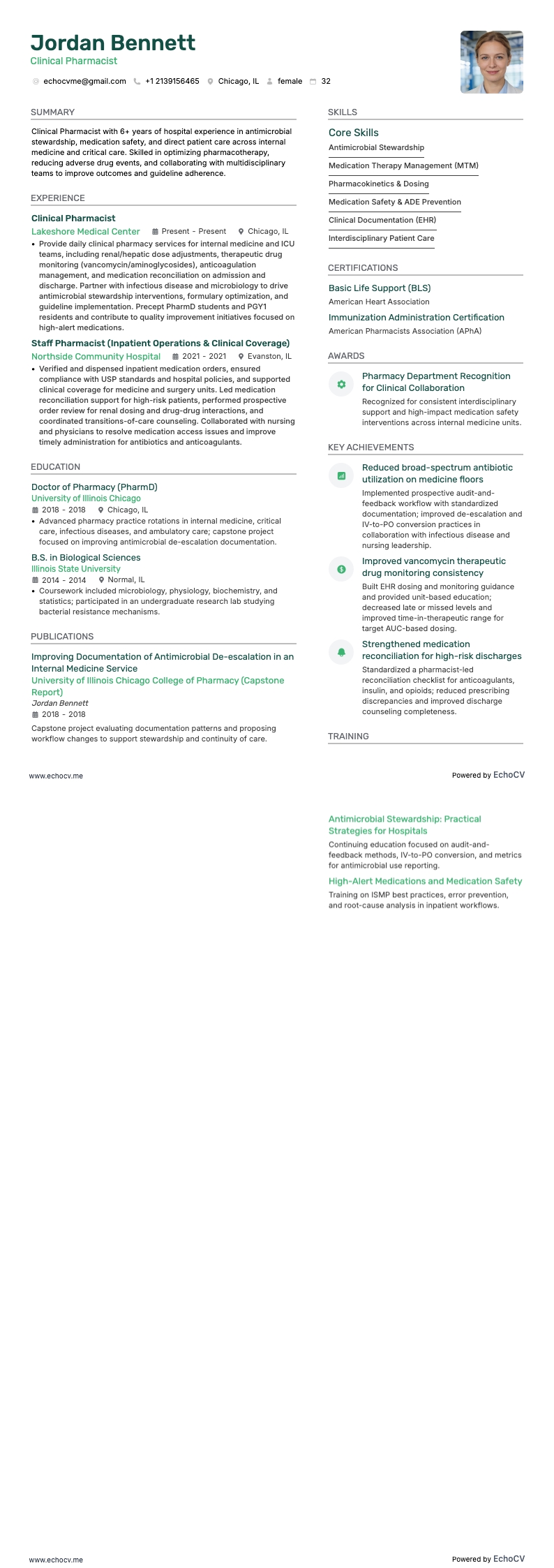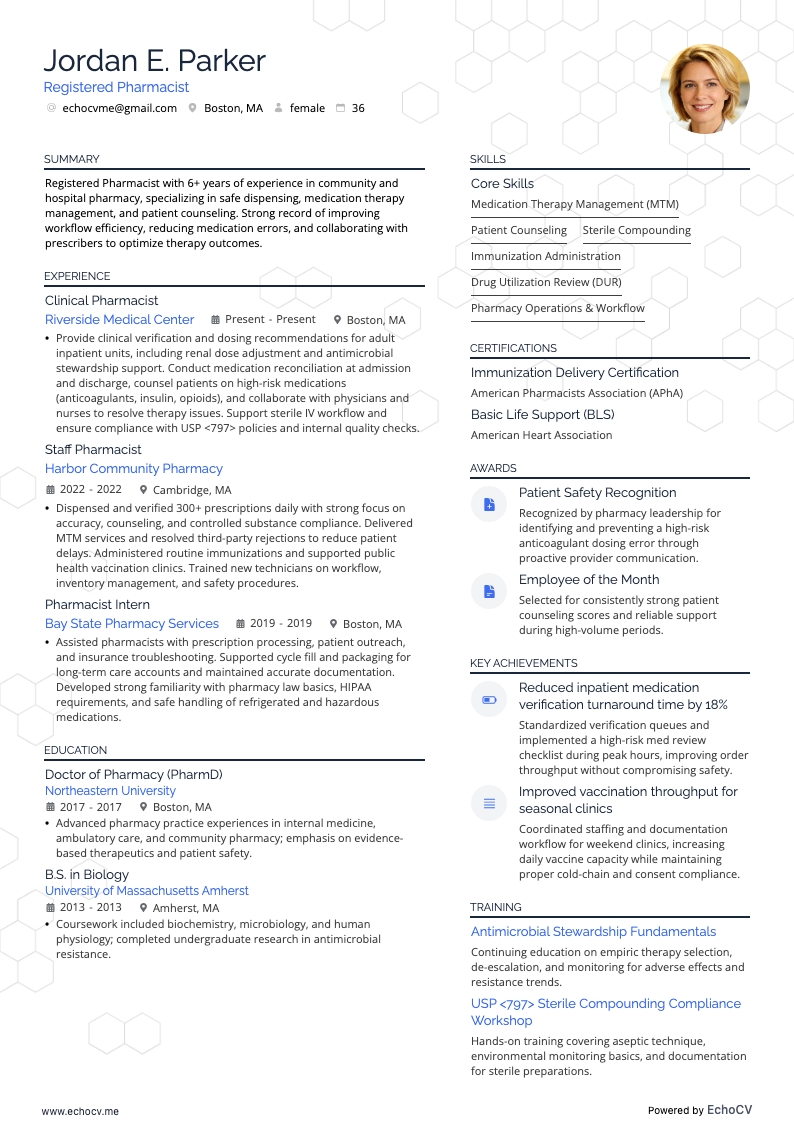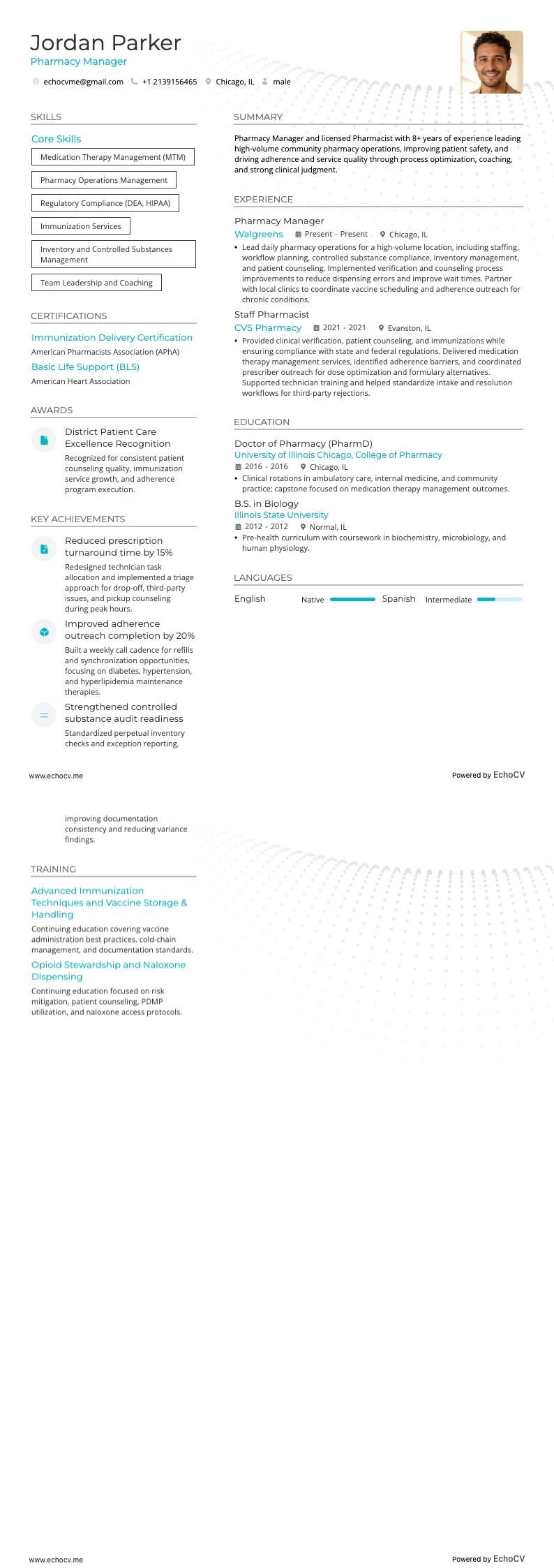
Starting your journey as a pharmacist in 2026? With an average salary reaching over $150,000, it’s easy to see why this career is so appealing. But let’s be honest: it’s super competitive out there, and your resume has to be more than a list of achievements—it needs to sparkle! Highlight how you mastered your prerequisite courses, excelled in the Pharm.D. program, and aced the NAPLEX exam.
Every section of your resume should be a story of dedication and hard work. But in a field where everyone is aiming for the top, having a standout resume isn’t just a bonus—it’s essential.
We’ll help you create a resume that not only showcases your academic successes but also puts you in the spotlight for your next big opportunity. This pharmacist resume guide will cover:
- How to format a resume that passes the recruiting process with flying colors;
- How to list your experience in pharmacy and what to do if you’re only starting now;
- How to distill your education, certifications, and licenses into concise resume sections;
- How to support your entries with concrete data and how to target your resume to each specific job listing.
Before we dive in, we thought you might be interested in something more specific. Take a look at some other pharmacy-related resume guides here:
How to format a pharmacist resume that stands out
To get hired as a pharmacist, you need to convince the recruiter that you have what it takes to provide excellent patient care, dispense prescriptions accurately, and successfully sell OTC and Rx medications.
You are the key connection between doctors, patients, and insurance companies. The attentive care you have for your job directly contributes to the well-being of your patients. Pharmacists are essential, and employers take great care to hire the right person for the role.
Writing a stand-out pharmacist resume is the first step to building trust with the recruiter. Let’s begin with the resume format.
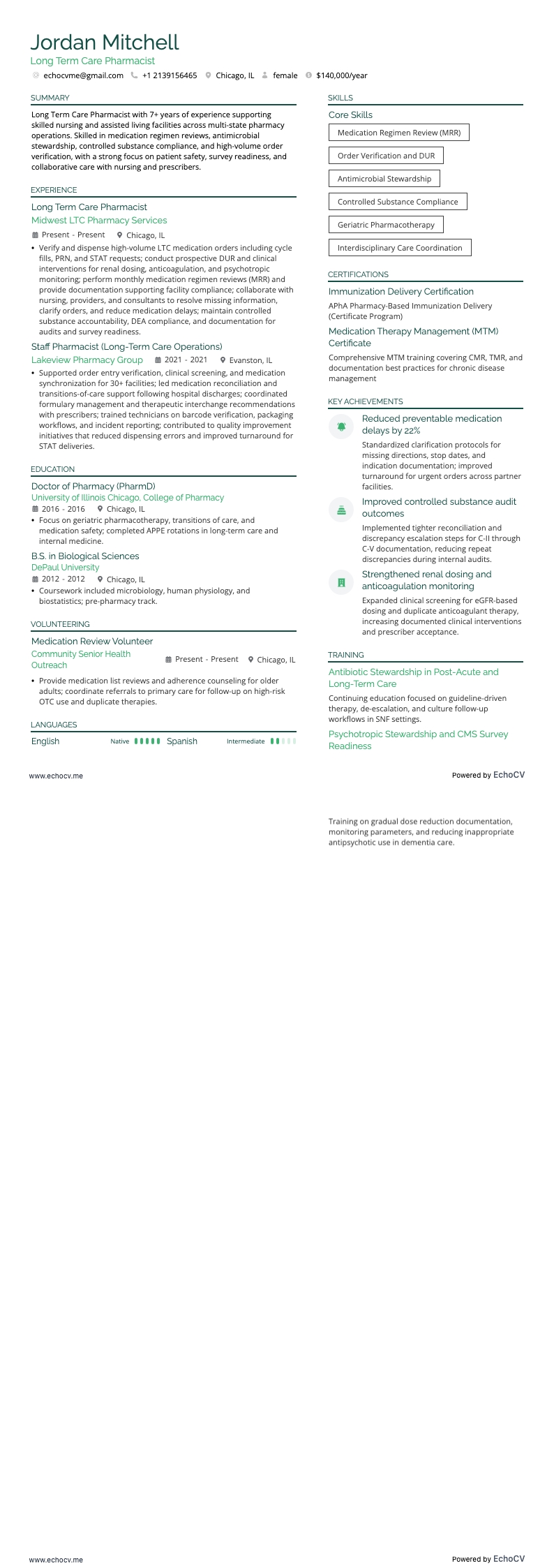
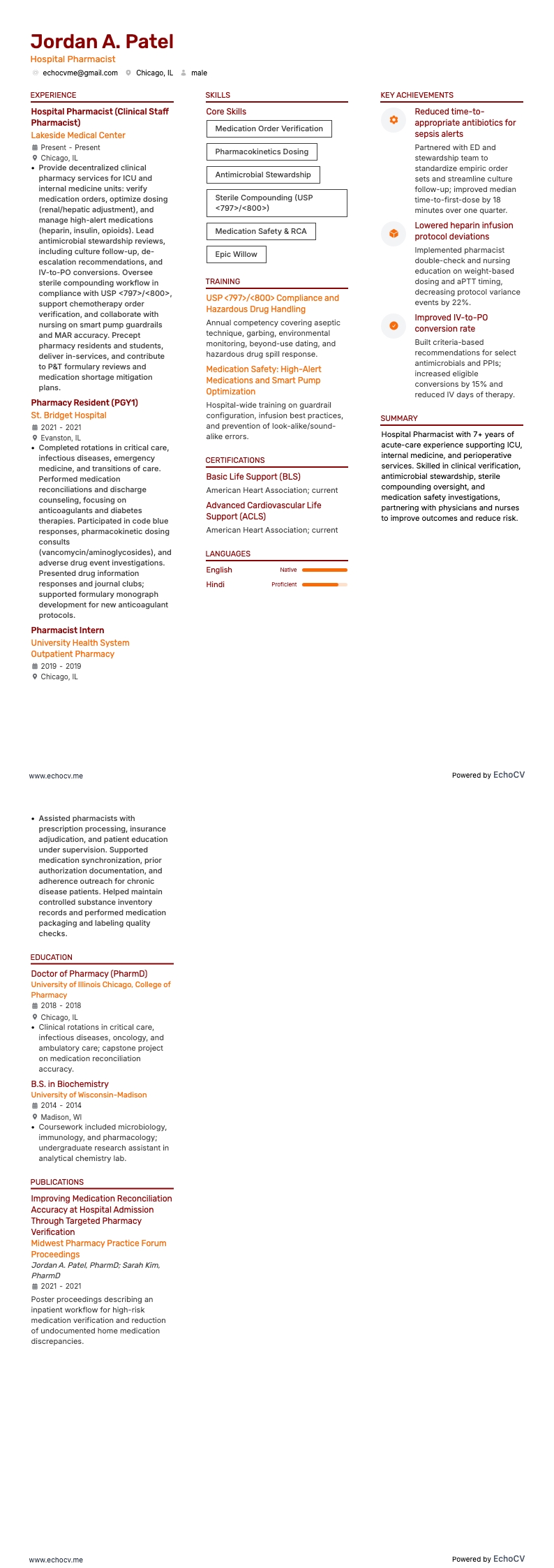
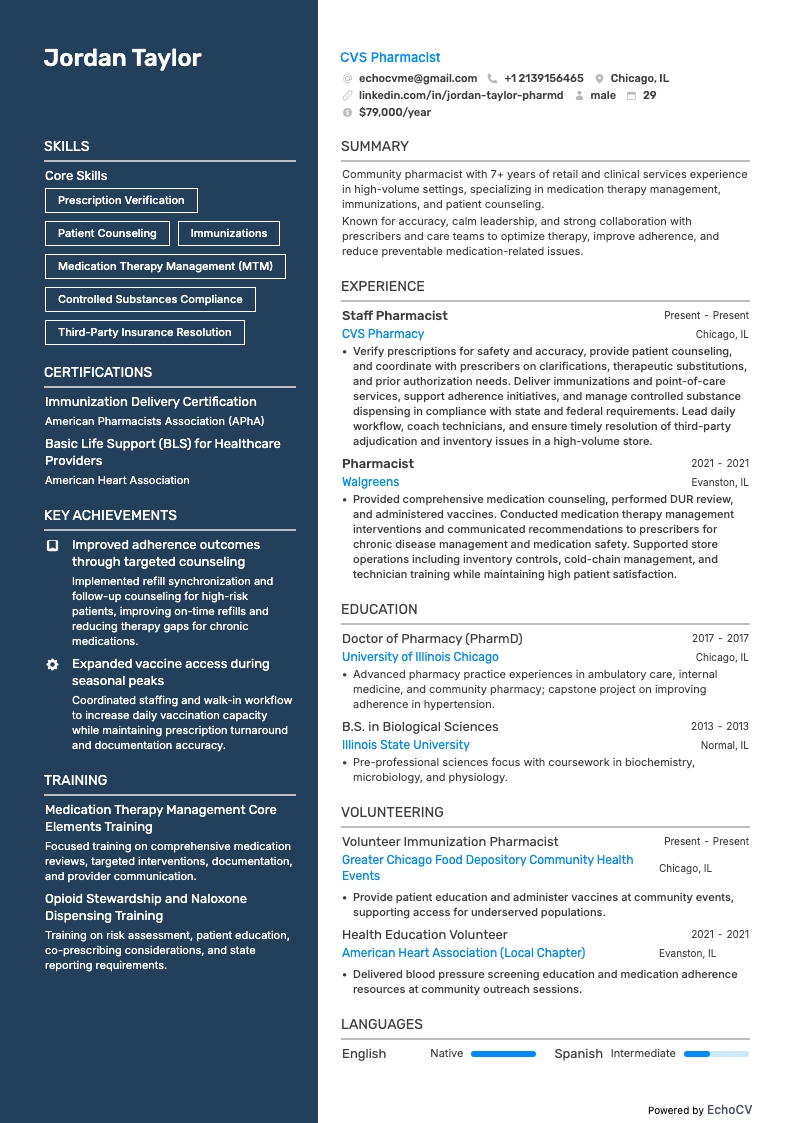
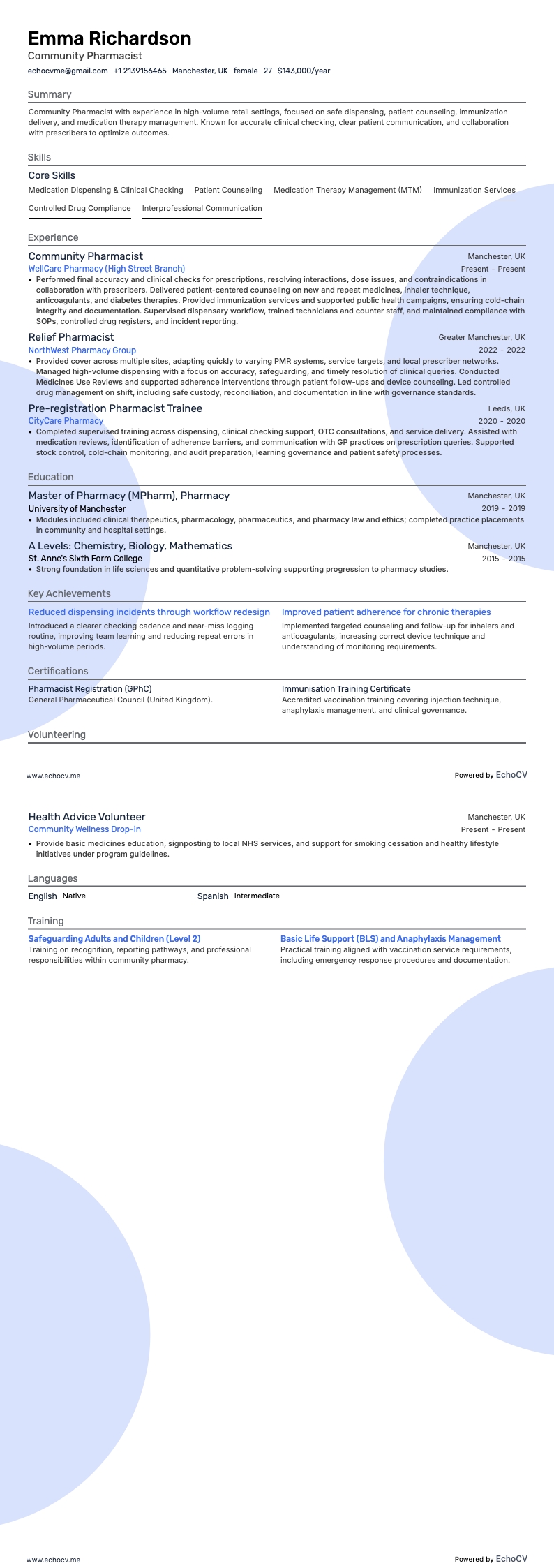
Use a reverse-chronological resume format to emphasize your experience and skills. Employers in healthcare prefer this type as it provides a clear progression of the candidate’s career, listing their most recent job first.
If you’re not so experienced or want to emphasize specific skills relevant to the job you're applying for, then try the functional resume which is organized around skill categories. Another direction would be to use the combination format, especially if you’re changing career paths within healthcare, as it will give a good view of both your experience and skills.
Adjust your resume layout based on the market – Canadian resumes, for example, may follow a unique format.