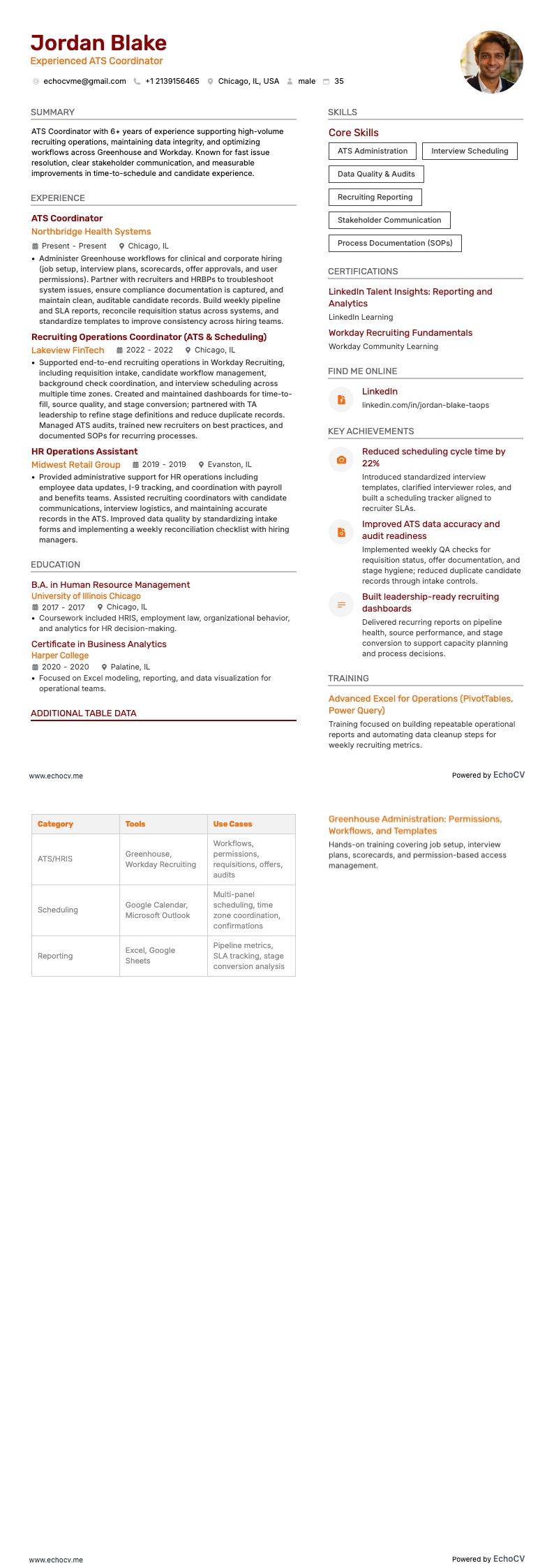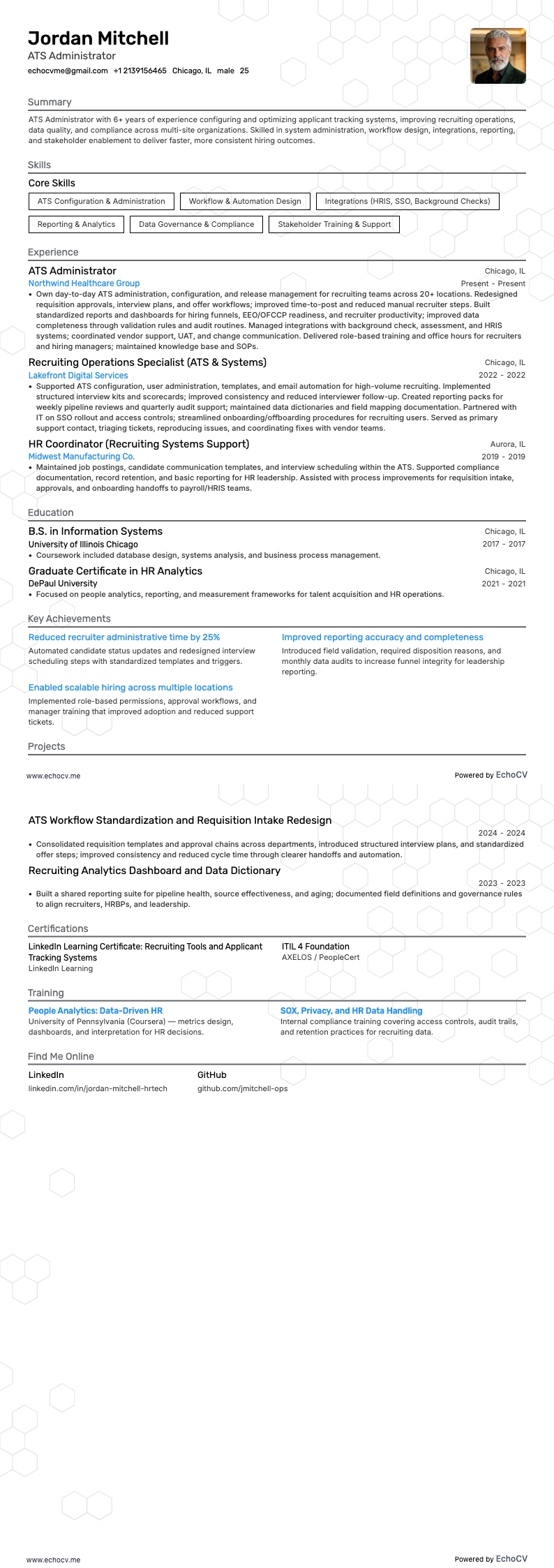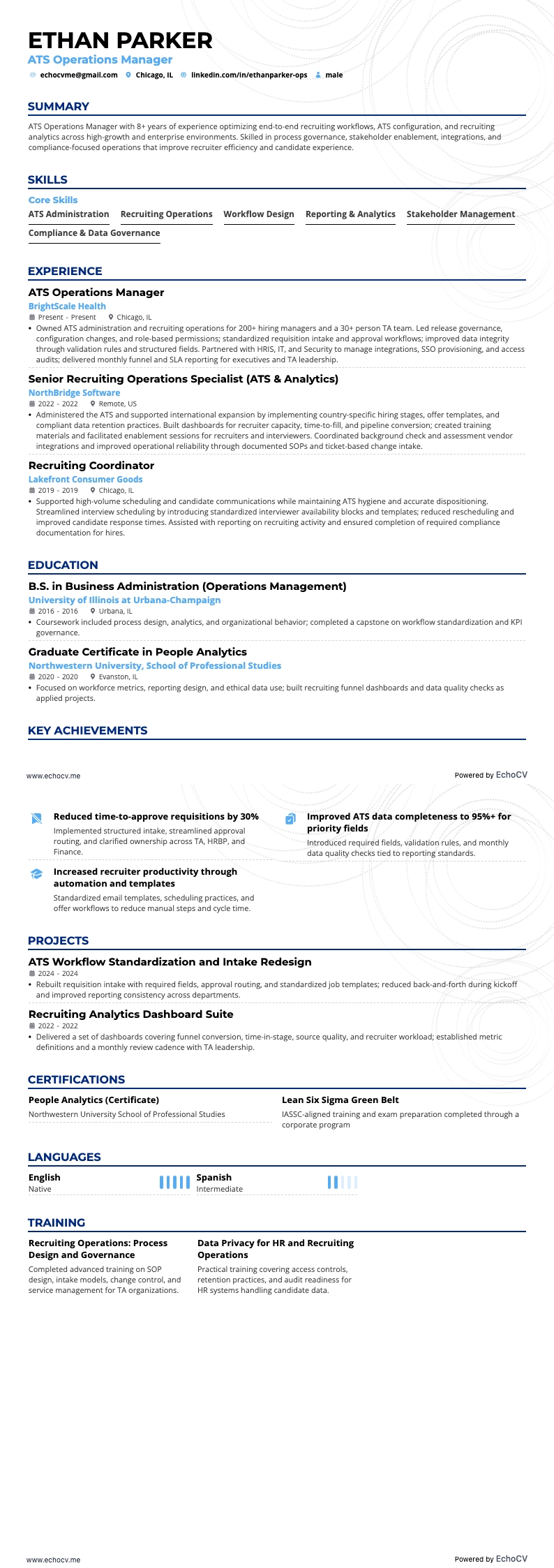
Let's clear up some myths about Applicant Tracking Systems (ATS). While many people think ATS are the ultimate gatekeepers, the reality is more nuanced. Some ATS struggle with parsing resumes and are only used for database management. However, the most important part of the hiring process is still the recruiter, not the software.
The purpose of this ATS resume examples guide is to explain how much these systems actually matter for your resume and to be real and honest about the industry's pitfalls.
Here’s what this guide promises:
- Clear explanations of how ATS works
- Honest insights into when ATS matters and when it doesn’t
- Practical tips to optimize your resume for human readers
- Debunking common myths and scare tactics around the so-called ATS optimization
- Strategies to future-proof your resume against evolving technology
Before we dive in, you might want to consider some other extensive guides on resume writing:
- Why Can’t I Find a Job? The Real Reasons Why You’re Struggling to Find One
- Resume Statistics From Over 12 000 US-Based Job-Seekers
- How to Write a Resume for a Job
- What to Put on a Resume
- How to Write a Modern Resume
- How to Effectively Use Facebook and Social Media for Job Hunting
- Different Ways of Submitting a Resume
- Job Interview Tips
- Choose Your Employer
- How to Create an Impressive LinkedIn Profile
What is an applicant tracking system
An ATS is a type of software that companies use to manage job applications. It helps organize and store resumes, making it easier for recruiters to find the right candidates.
Since ATS are said to “decrease the average hiring cycle by 60%”, many companies, including over 90% of Fortune 500 organizations tend to use automated systems for recruitment. Basically, any organization that needs to manage a lot of job applications — such as those in the tech, healthcare, finance, and NGO sectors — can benefit from using an ATS. It accelerates the hiring process and automates scheduling and collaboration, particularly useful for hybrid environments.