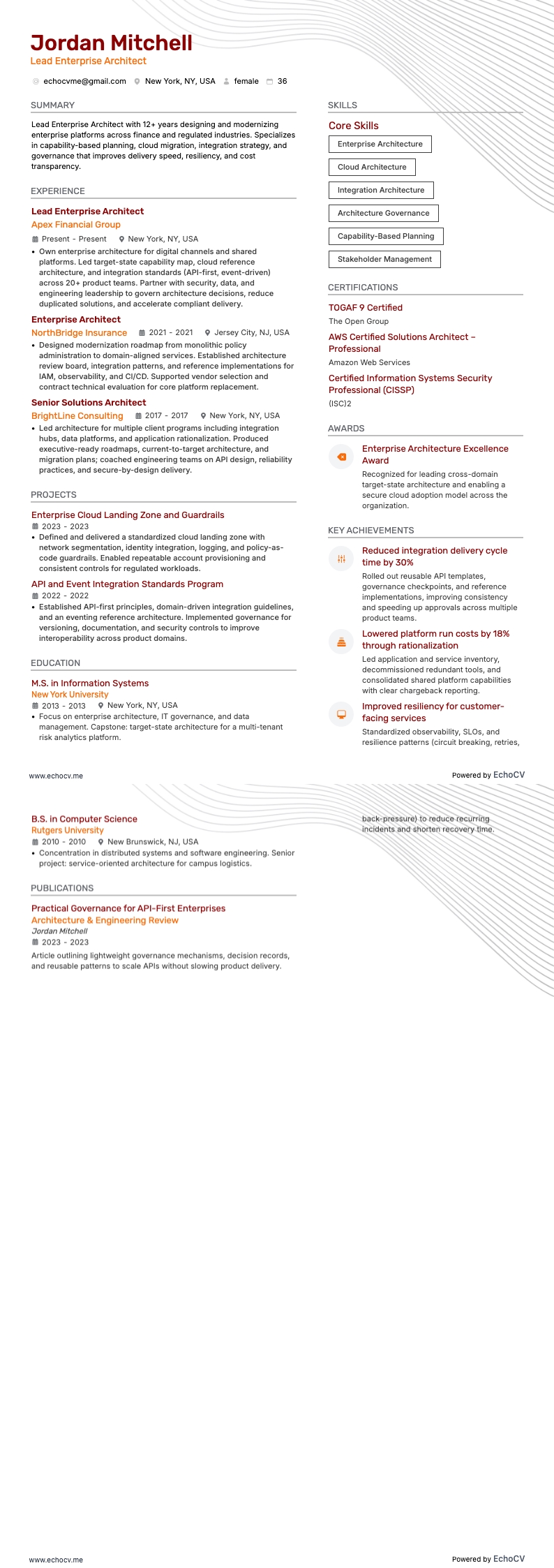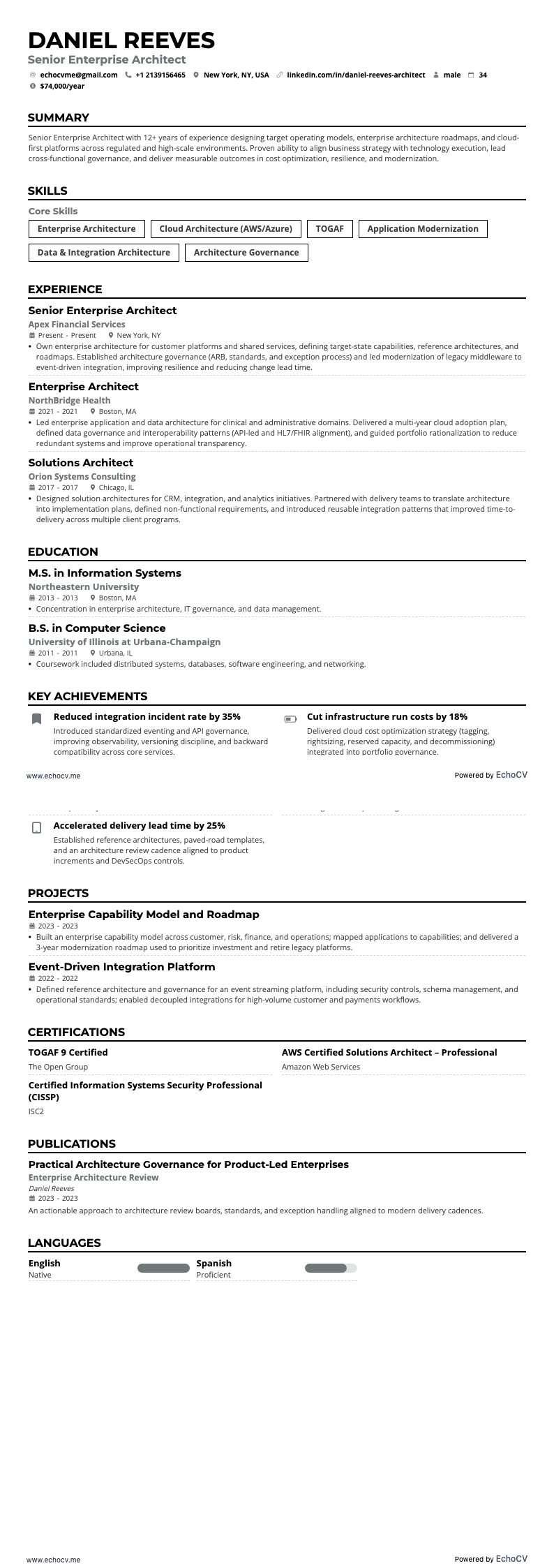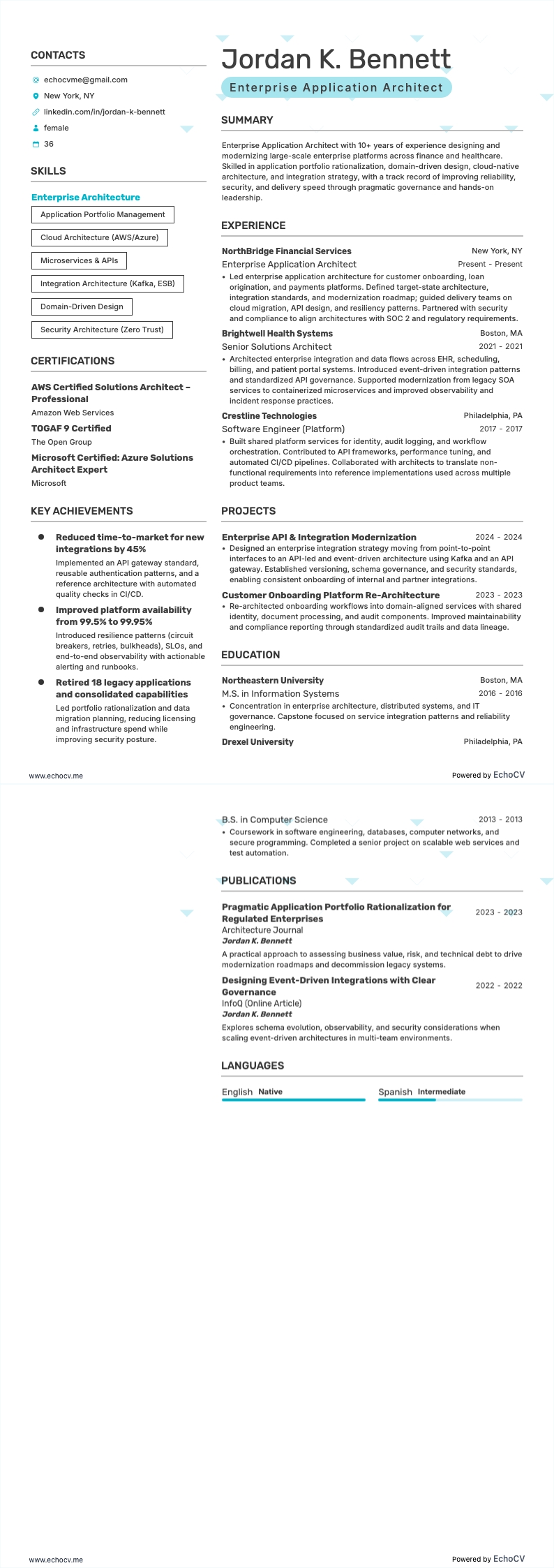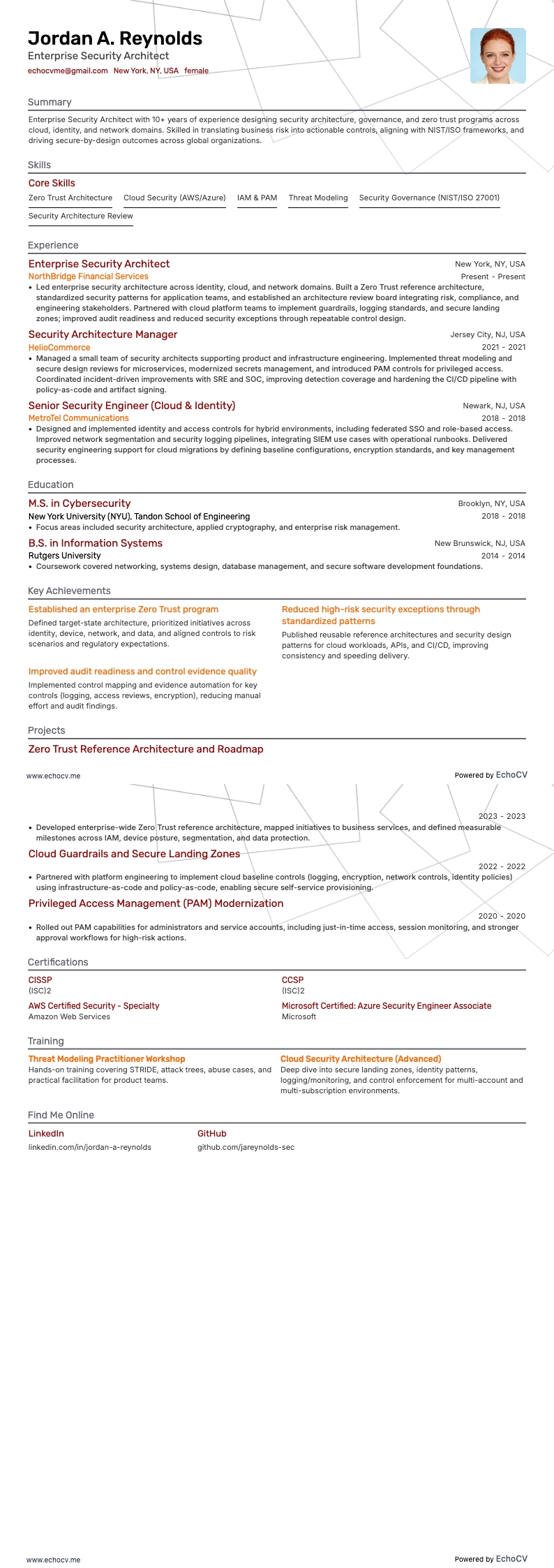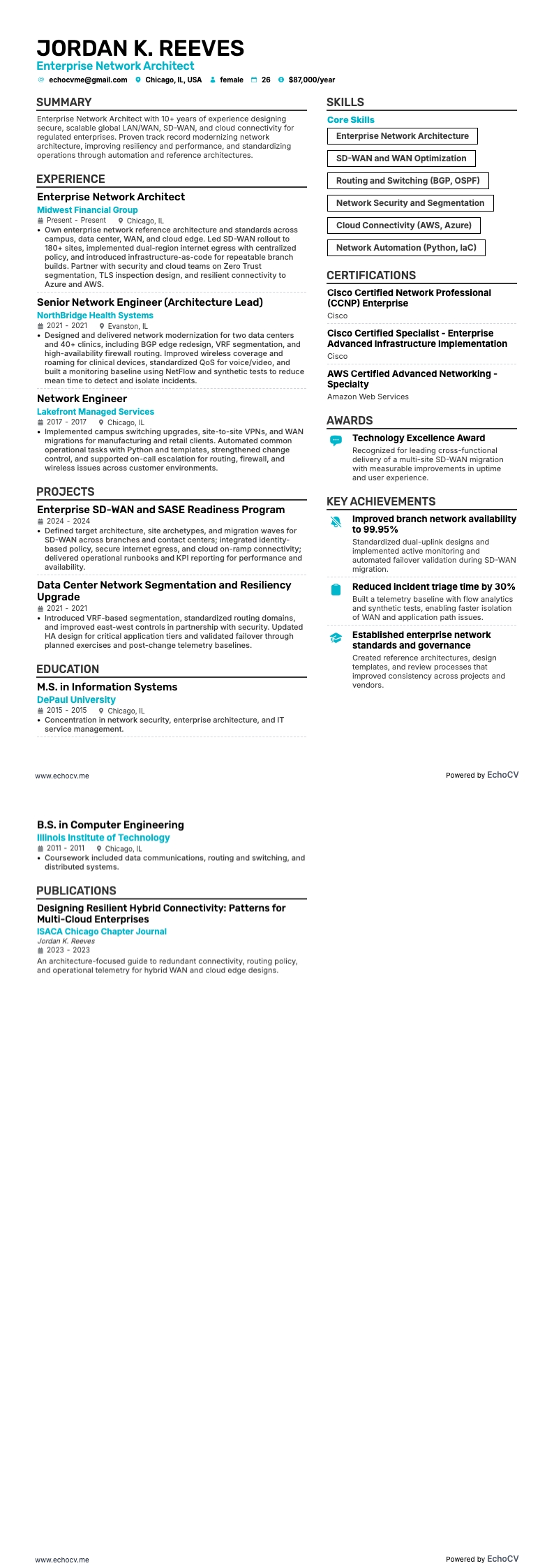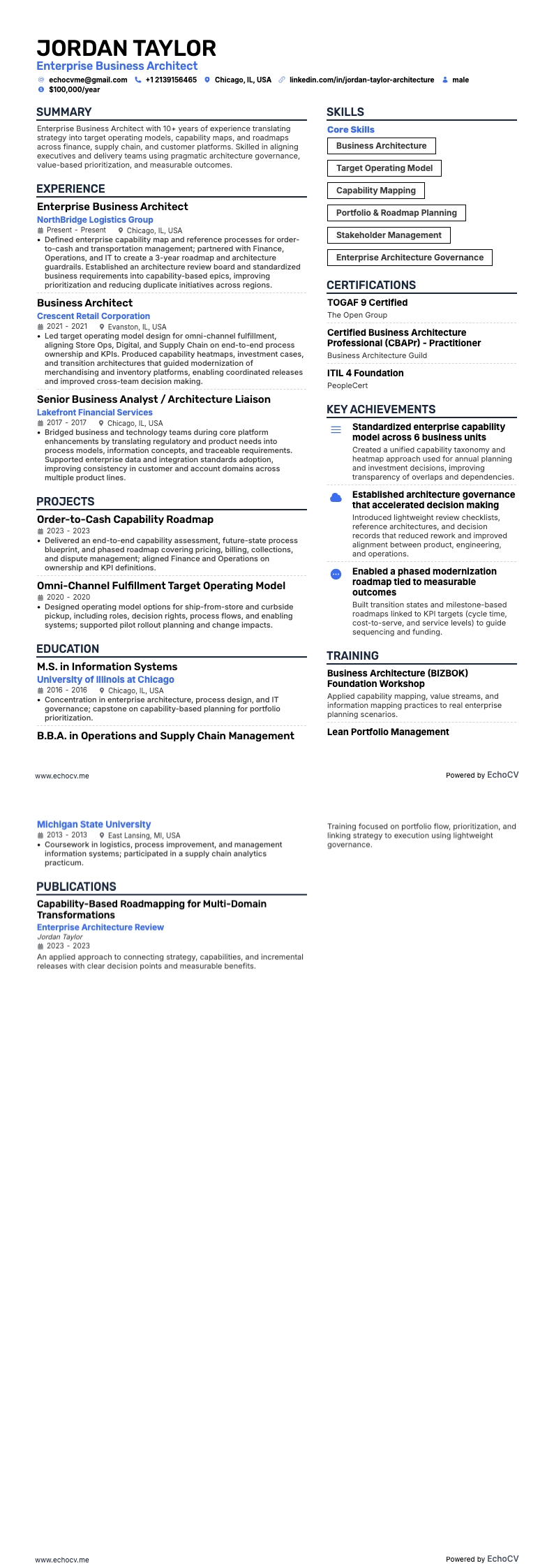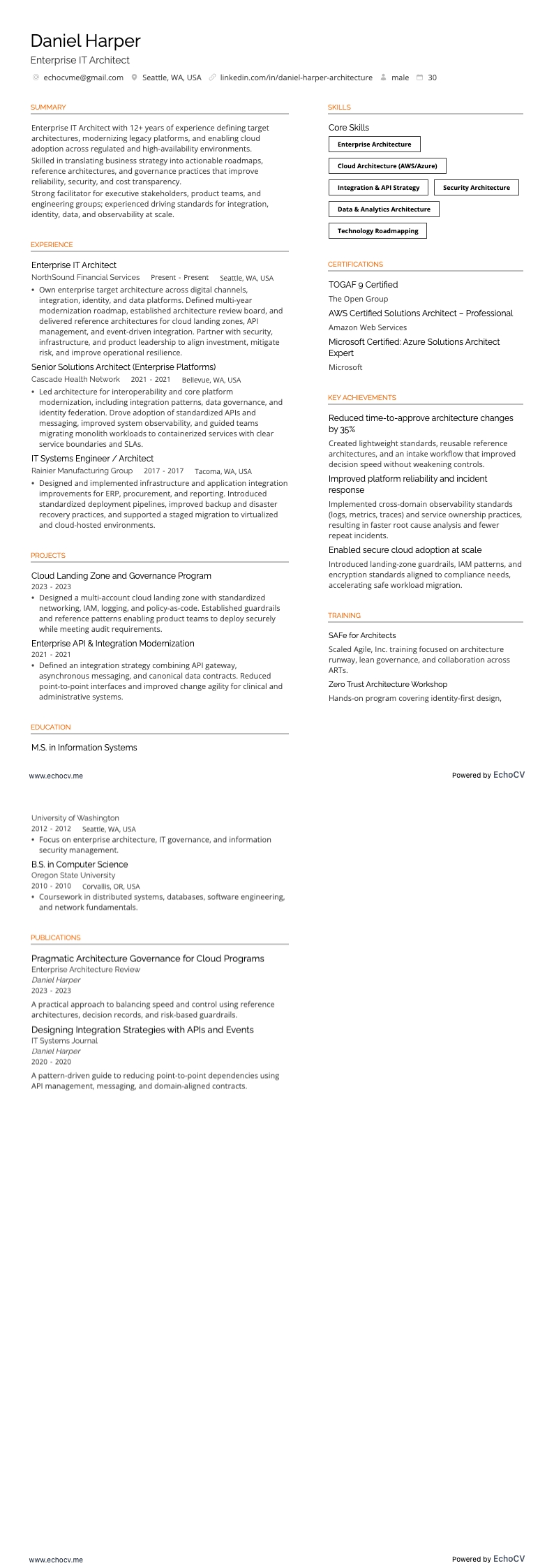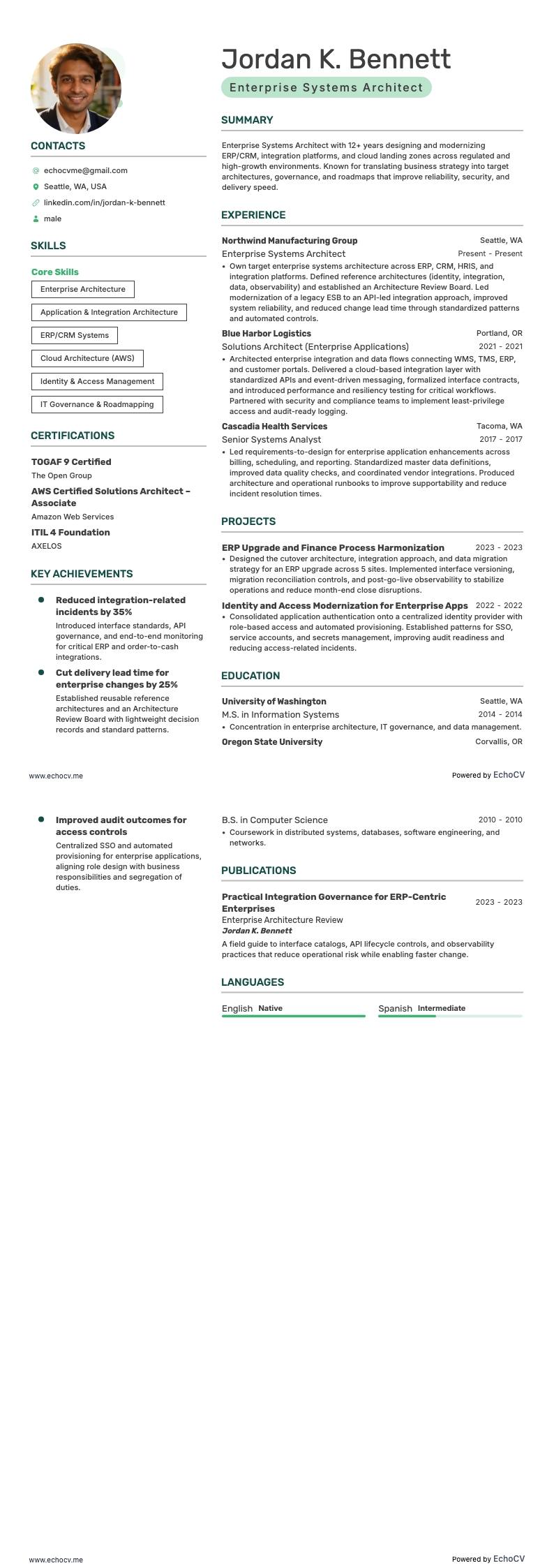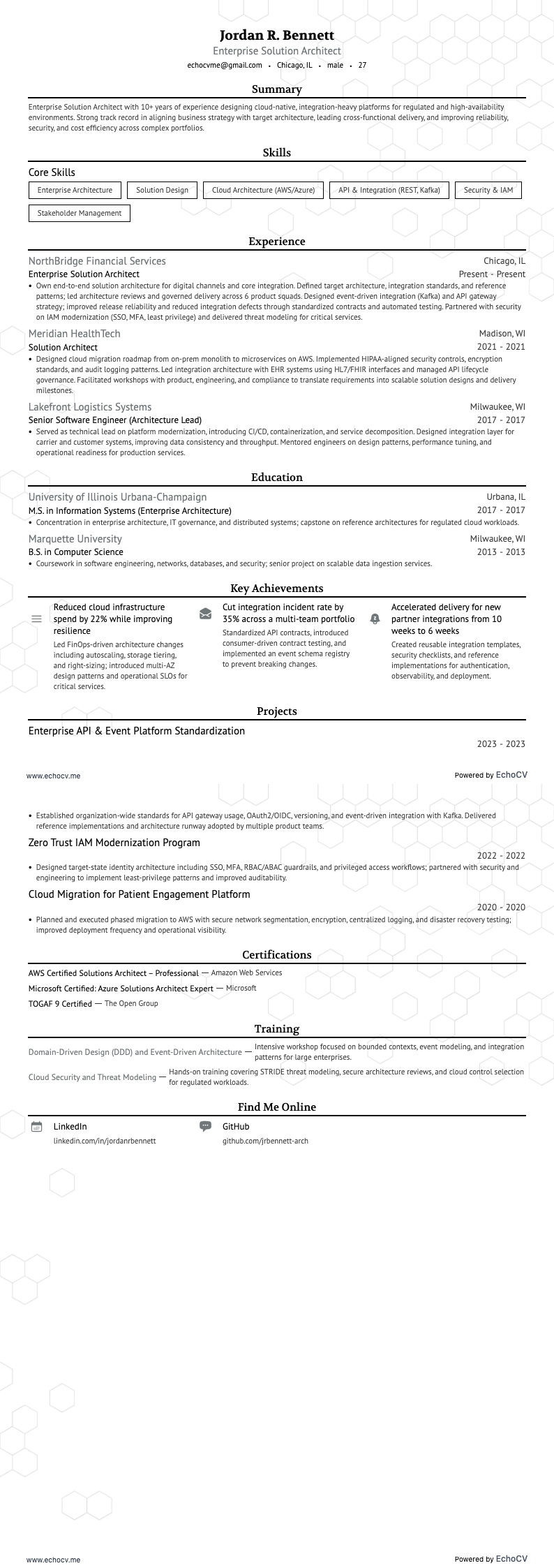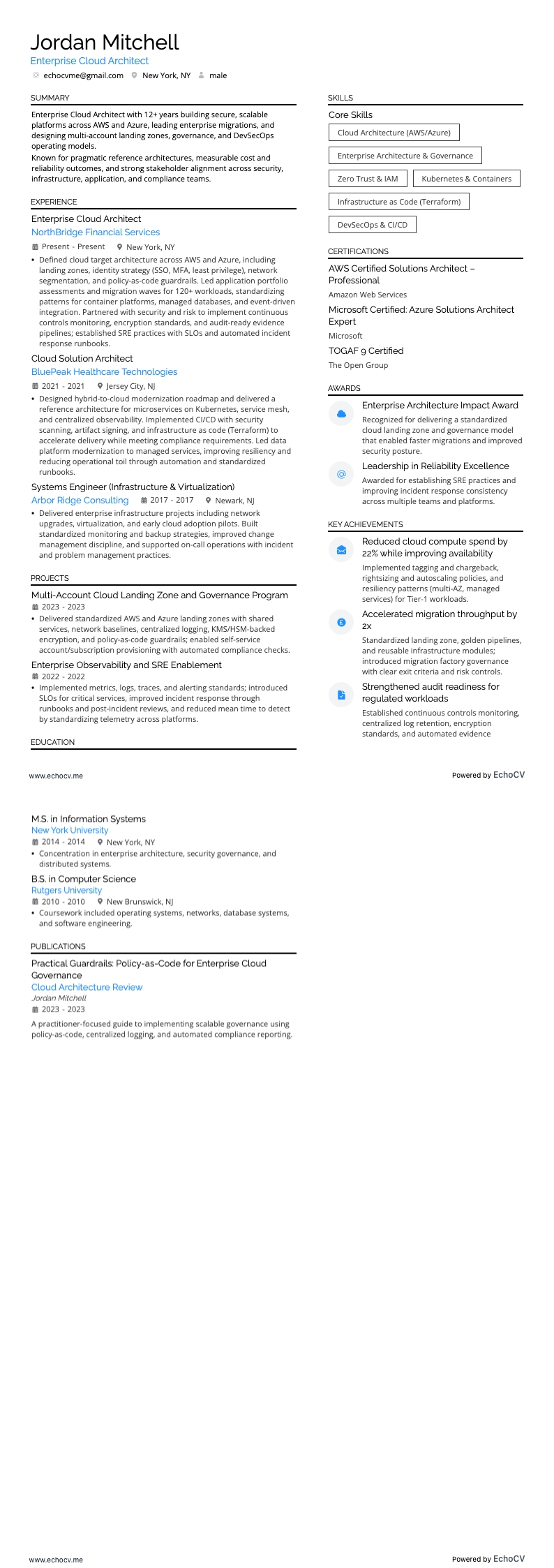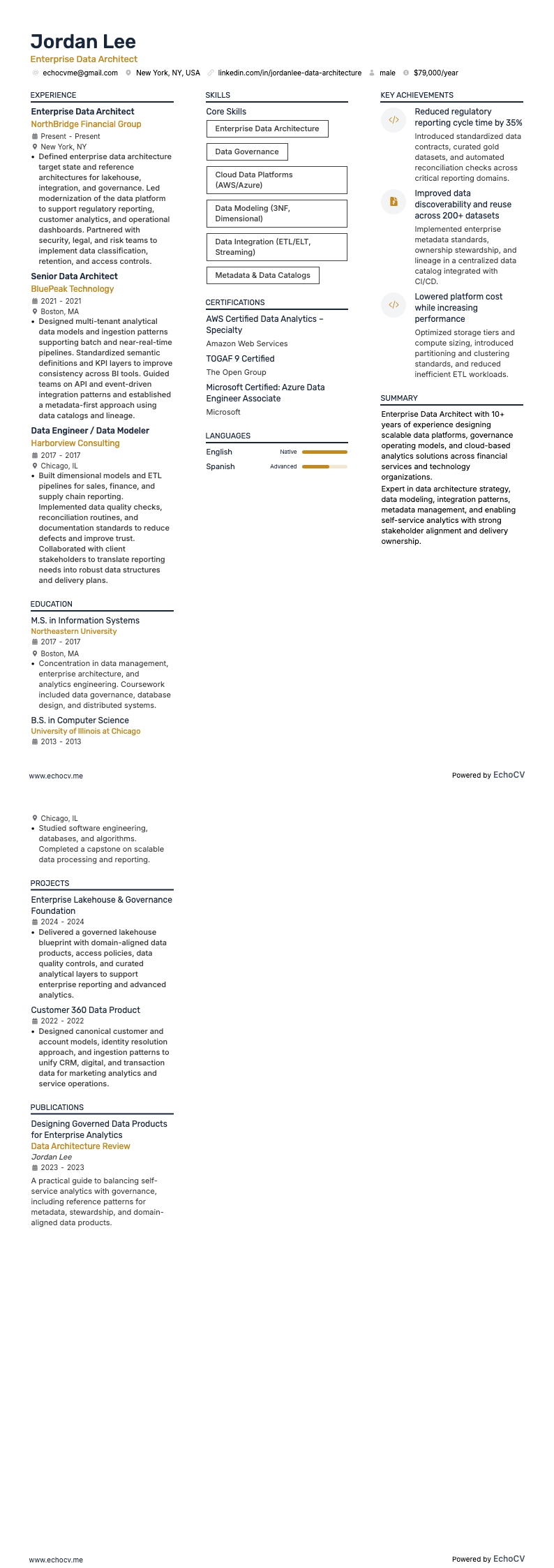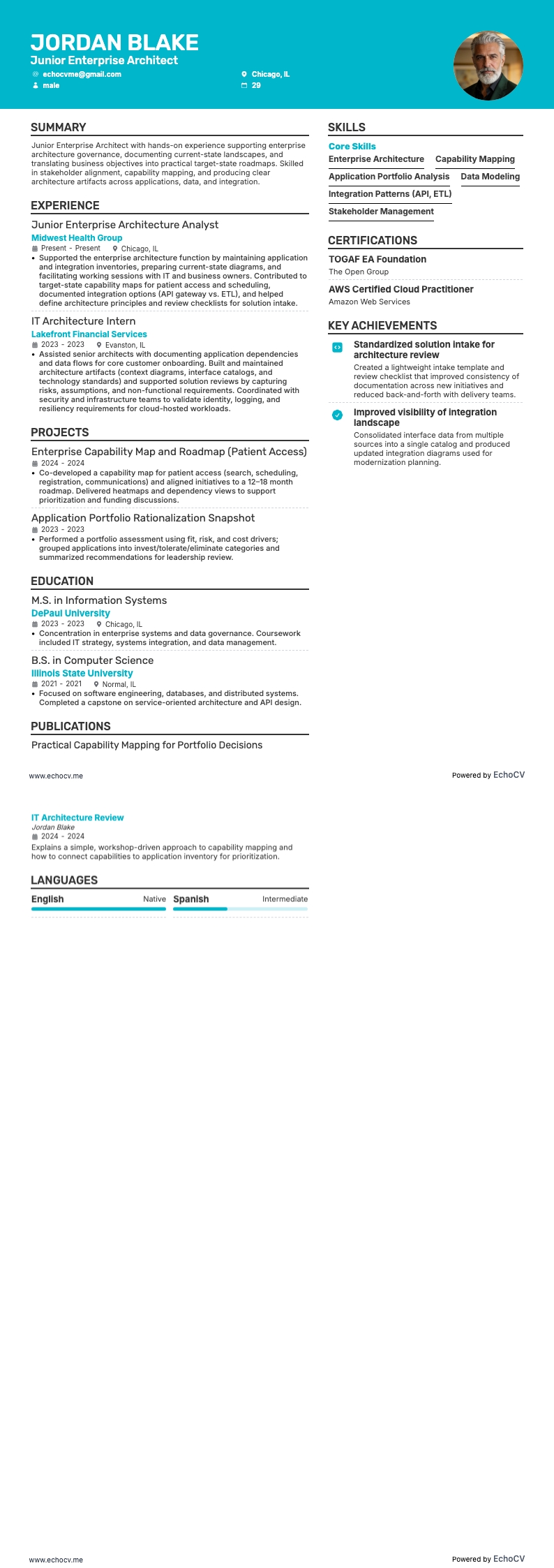
Outstanding!
This version offers a comprehensive summary of what the applicant did and the results they’ve achieved.
Moreover, now the information in the entries completely aligns with the listed job title.
Plus, the candidate has some impressive achievements to prove just how beneficial their work can be for potential employers.
How to quantify the impact on your resume
Starting your bullet points with an action verb is only half of what makes an impressive experience entry.
You’ve probably heard the saying that actions speak louder than words. When it comes to resumes, data speaks louder than any resume buzzword you attach to your achievements.
This means that whenever you talk about your career accomplishments you must quantify the outcome of your work. Whenever possible, tie your achievements to concrete numbers.
If you’re not sure which metrics hiring managers take into account, take a look at the suggestions below:
- Number of technology projects you’ve led: Demonstrate your experience and success in similar roles.
- Number of teams or members you’ve managed: Indicate your leadership and team management capabilities.
- Amount of financial savings achieved: Detail your ability to reduce costs or save money through the implementation of efficient technical solutions. Express them as a percentage or in dollars.
- Number of architectural frameworks you’re proficient in: Showcase your versatility and breadth of knowledge in the field.
- Number of business processes you’ve improved through new IT architectures: Display your ability to elicit positive operational changes.
- Size of the projects you’ve worked on: Describe the scale of the tasks and operations you’ve handled.
- Number of years of experience in the industry: Emphasize the depth of your enterprise architecture knowledge and experience.
- Percentage of efficiency increase or downtime reduction achieved through your solutions: Indicate the impact of your work through the efficiency of your work approach.
How do I write an enterprise architect resume with no experience
Not having been employed as an enterprise architect doesn’t mean you don’t have the relevant knowledge and expertise for the job.
Whether you’re a novice or switching careers, you can still build a powerful resume. All you have to do is be mindful of which of your experiences relate most to the available role.
To do this:
- Review the job requirements again.
- Evaluate whether the role demands a more hands-on technical approach or if it’s more business-oriented.
- Think of past positions from which you’ve gathered invaluable industry insights or relevant skills for the job.
- Frame your expertise in a way that will resonate with the responsibilities and goals of the offered role.
- Provide context and quantify your achievements before you add them as part of your work history.
How to list your hard skills and soft skills on your resume
Typically, the skills section on your resume provides a proportionate overview of your core skills and strengths.
Part of the section should cover your enterprise architect hard skills. These include your proficiency in the TOGAF and Zachman frameworks.
As well as expertise in IT Infrastructure planning and UML among other abilities.
Another portion of the talent section should tackle your soft skills. These represent your ability to:
- Present your ideas and explain complex concepts
- Work cross-functionally and across different verticals
- Manage stakeholder expectations, while guiding tech teams on current business priorities.
However, given the complexity of the role, you’ll have to draw attention to certain types of abilities more than others. It all depends on the job description and what you have to offer.
Regardless of which talents you choose to describe, make sure you quantify your achievements:
- Share certifications and recognitions you’ve received.
- Talk about the presentations you’ve given.
- Mention relevant projects you’ve led and how your work has contributed towards achieving the desired results.
We know that sometimes it’s hard to come up with ideas on your own. That’s why, we’ve compiled two lists with the most popular enterprise architect skills currently in demand: