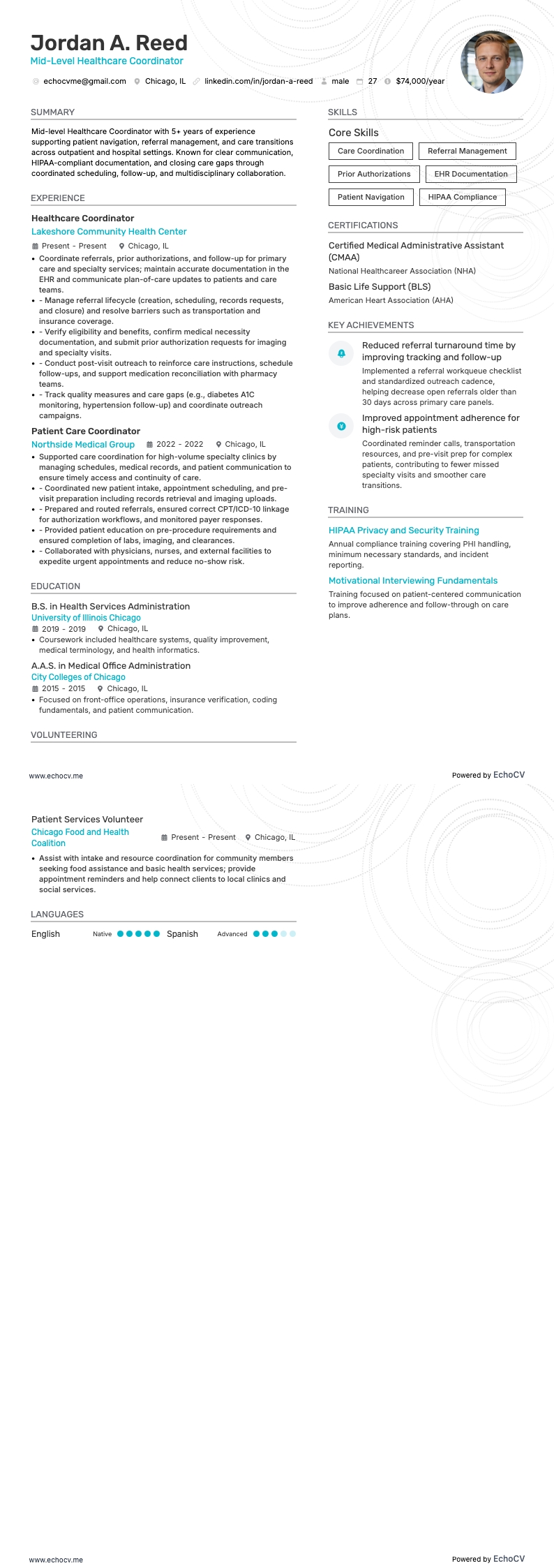
中堅医療コーディネーター の全体プレビュー

医療業界向け履歴書の例27選・テンプレート

EchoCV

EchoCV チームによる執筆

更新日: 3/27/20238 min read

このガイド内のすべての履歴書サンプルを見るか、あなた専用のプロンプトで独自の履歴書サンプルを生成してください

中堅医療コーディネーター example resume
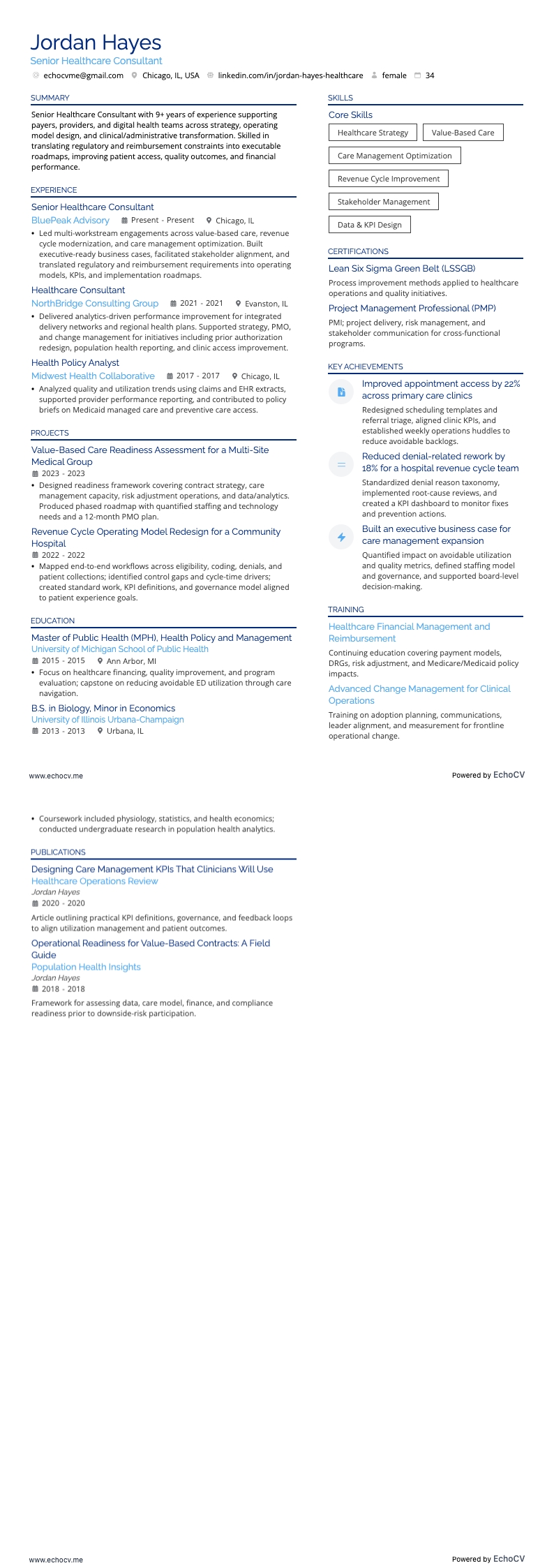
中堅医療コーディネーター

シニア医療コンサルタント example resume

シニア医療コンサルタント

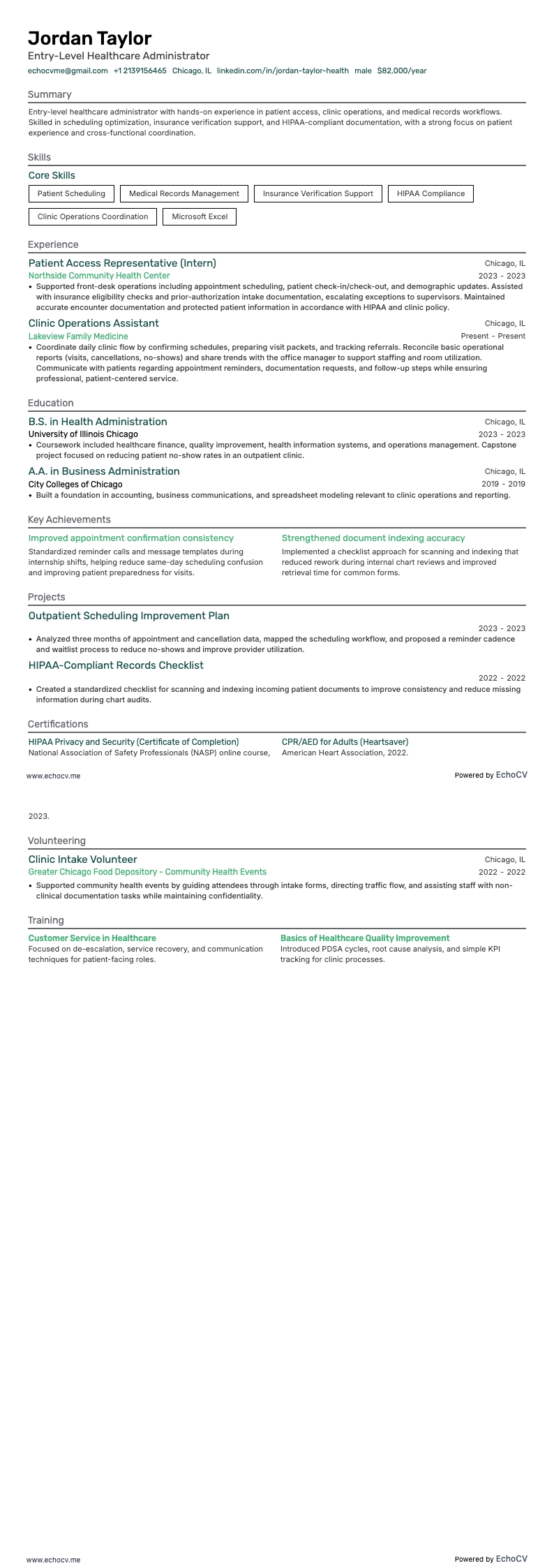
未経験向け医療管理者 example resume

未経験向け医療管理者

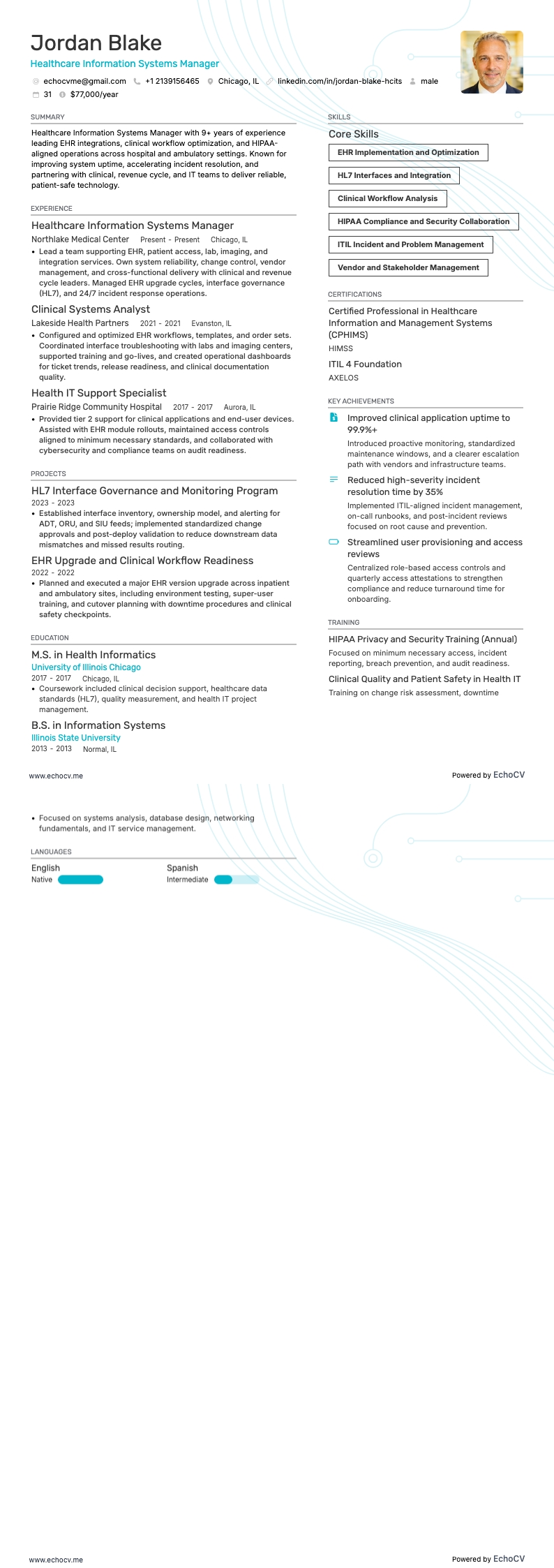
医療情報システムマネージャー example resume

医療情報システムマネージャー

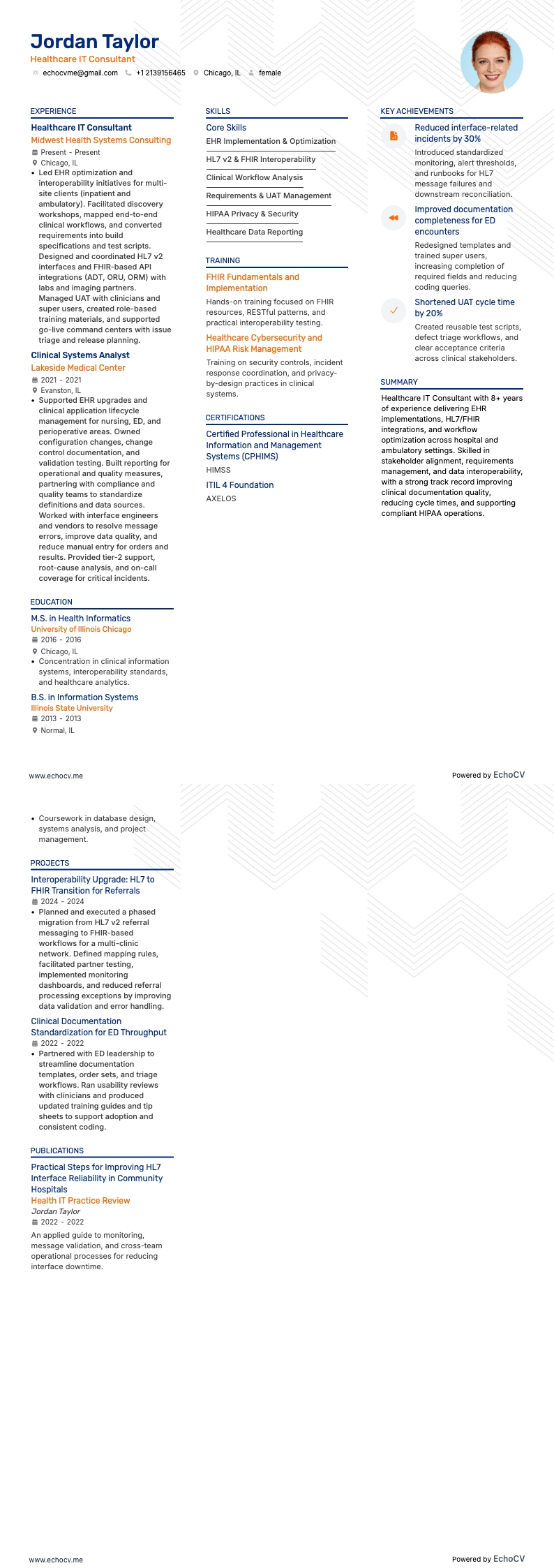
医療ITコンサルタント example resume

医療ITコンサルタント

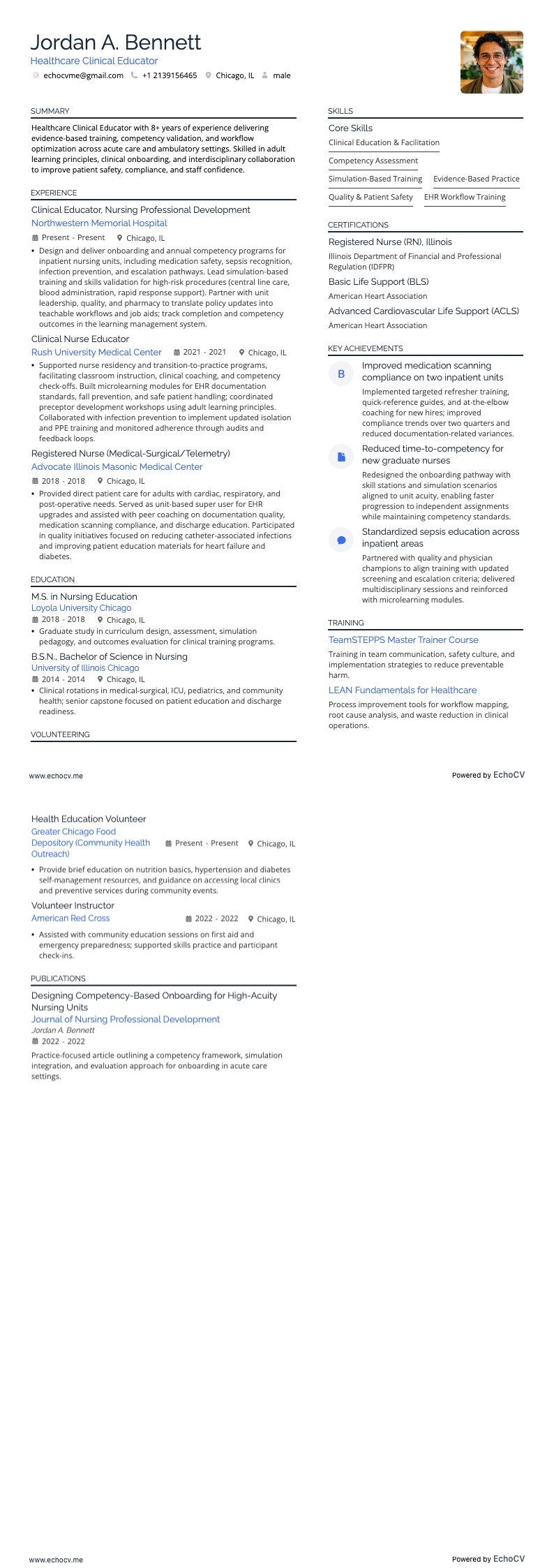
医療臨床教育者 example resume

医療臨床教育者

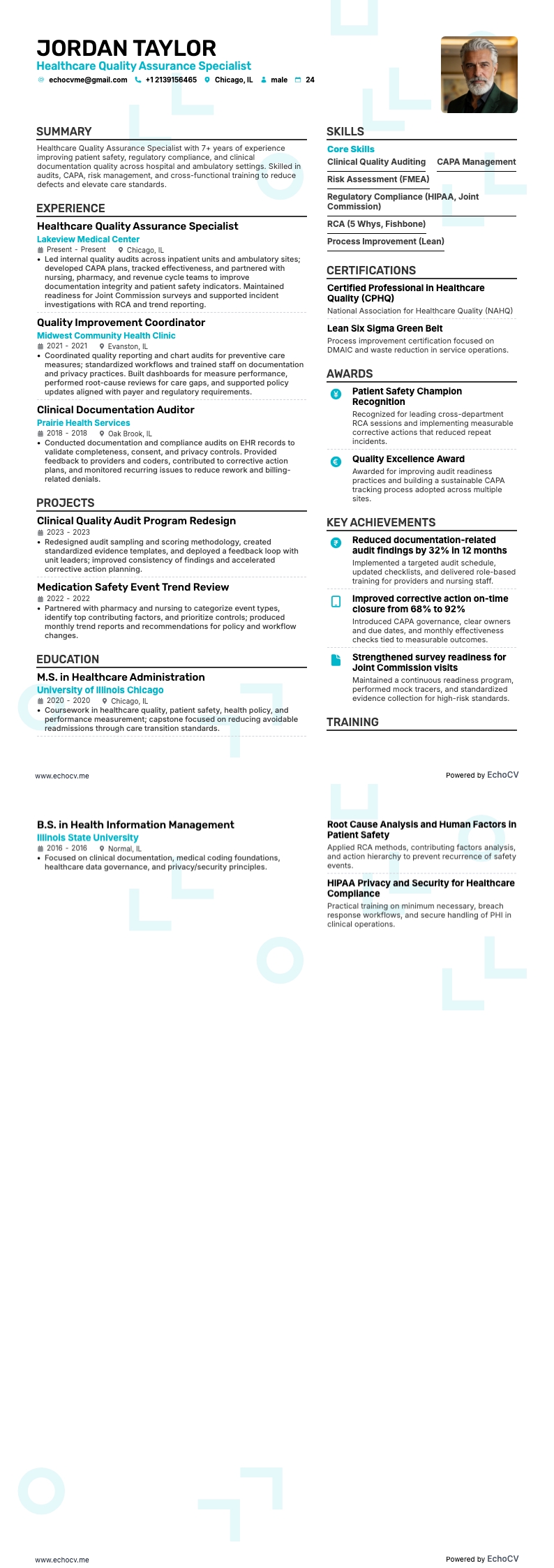
医療品質保証スペシャリスト example resume

医療品質保証スペシャリスト

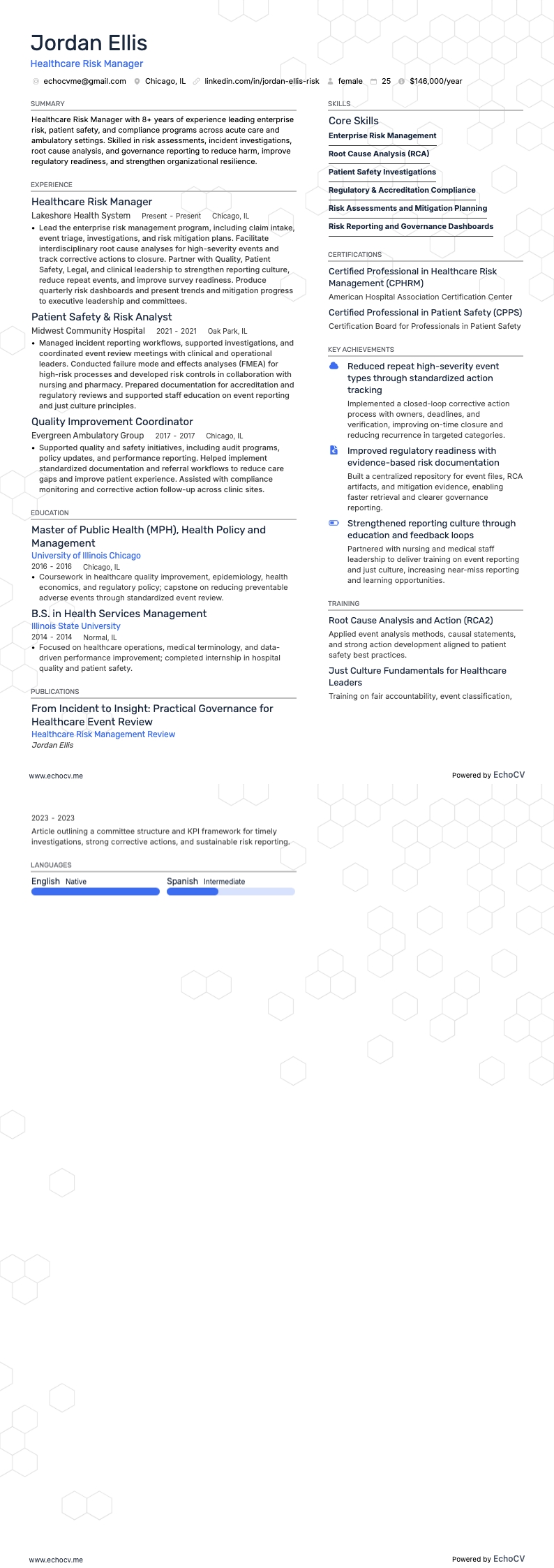
医療リスクマネージャー example resume

医療リスクマネージャー

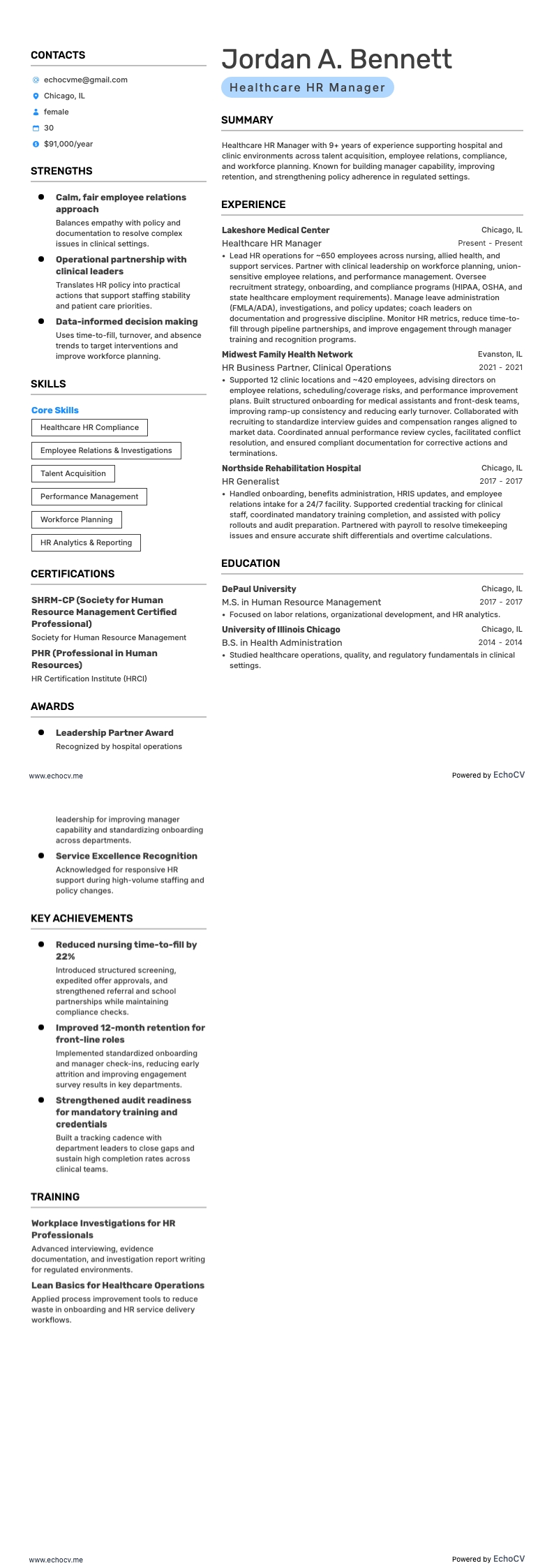
医療人事マネージャー example resume

医療人事マネージャー

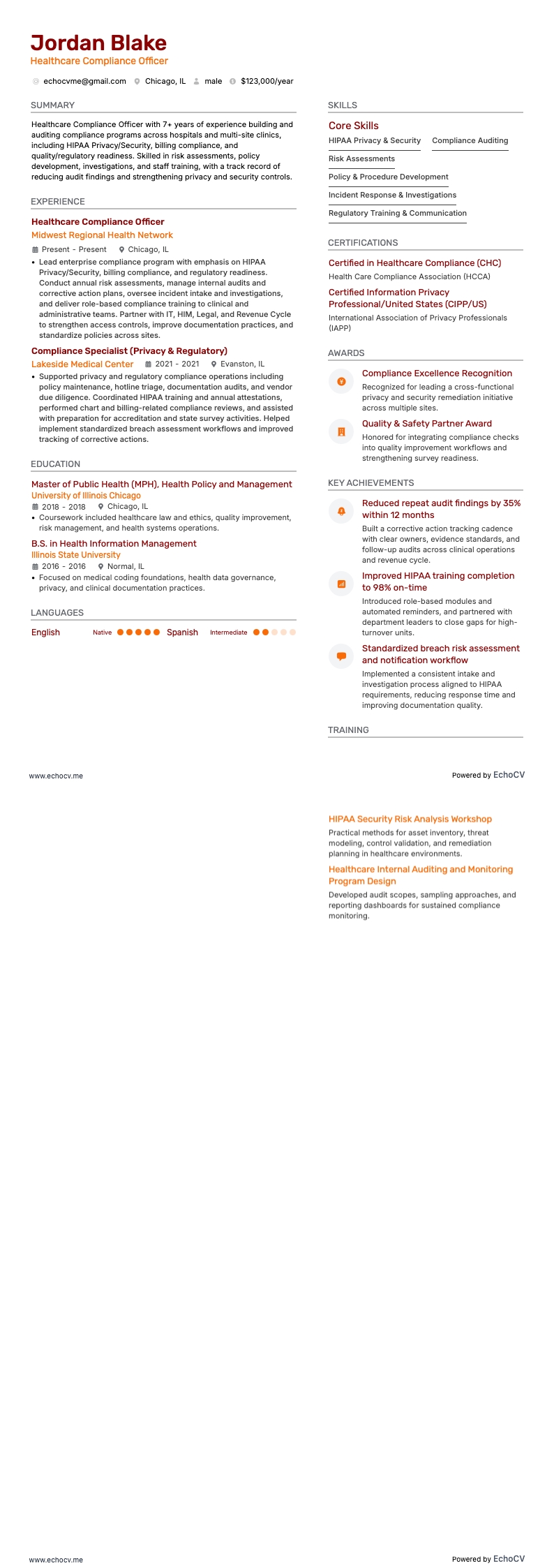
医療コンプライアンス担当者 example resume

医療コンプライアンス担当者

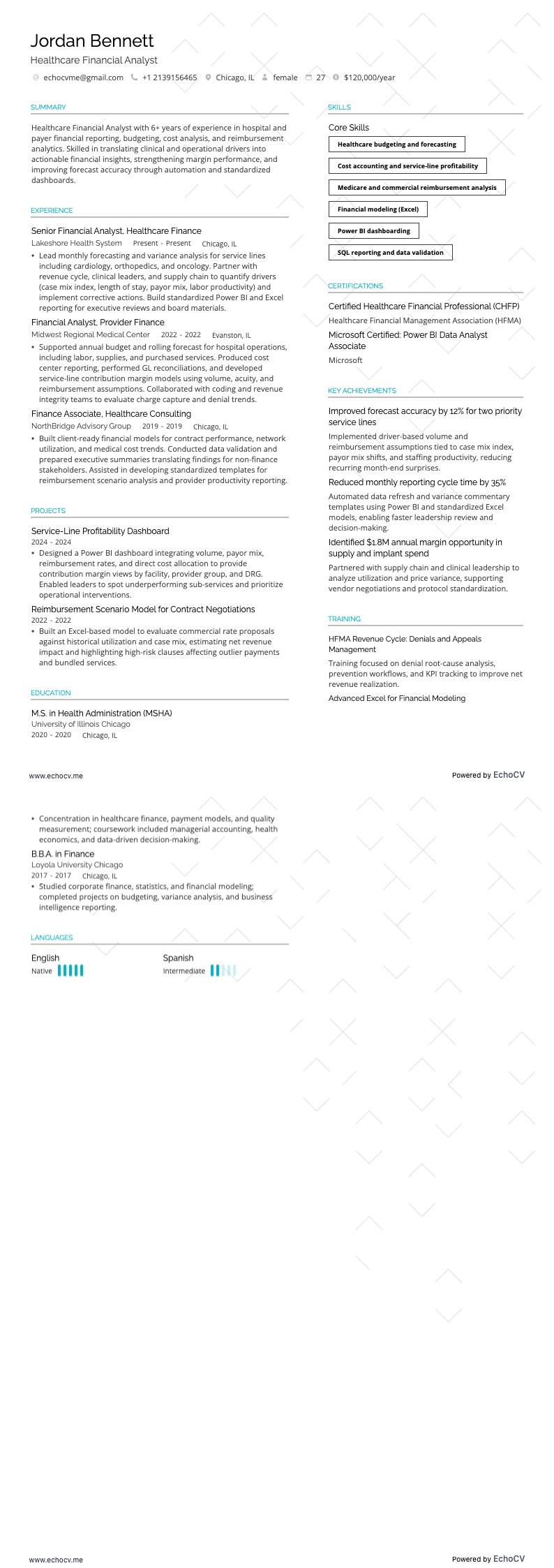
ヘルスケア財務アナリスト example resume

ヘルスケア財務アナリスト

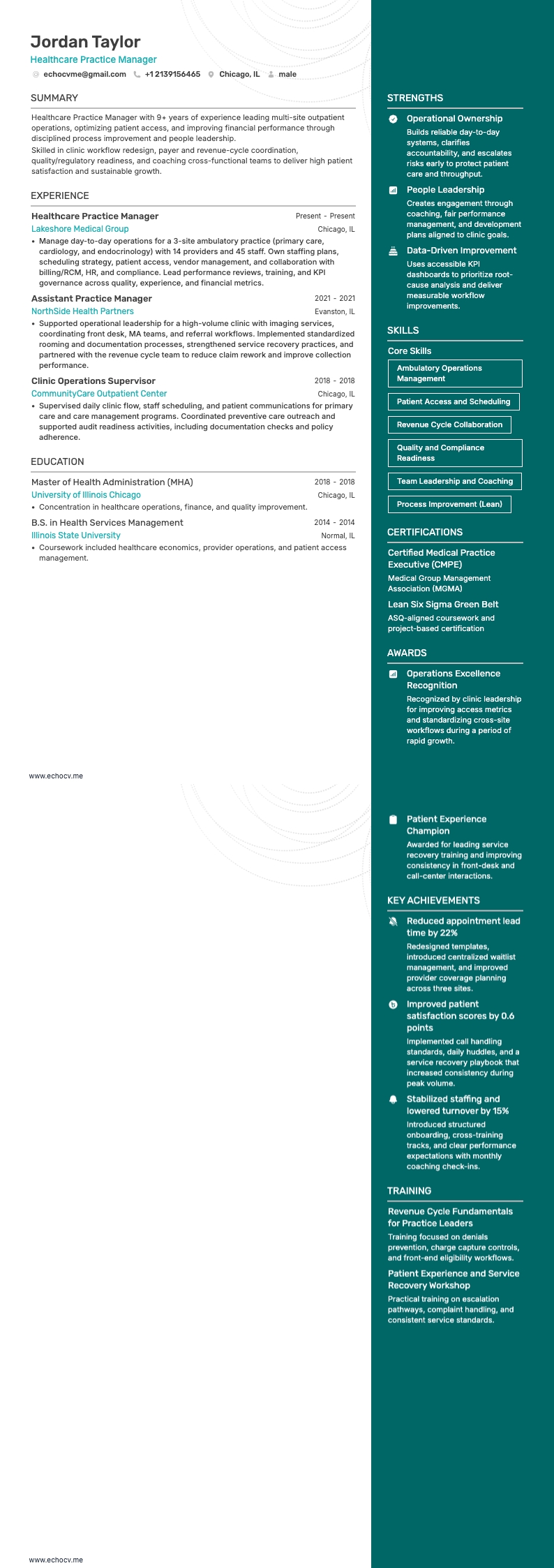
医療機関運営マネージャー example resume

医療機関運営マネージャー

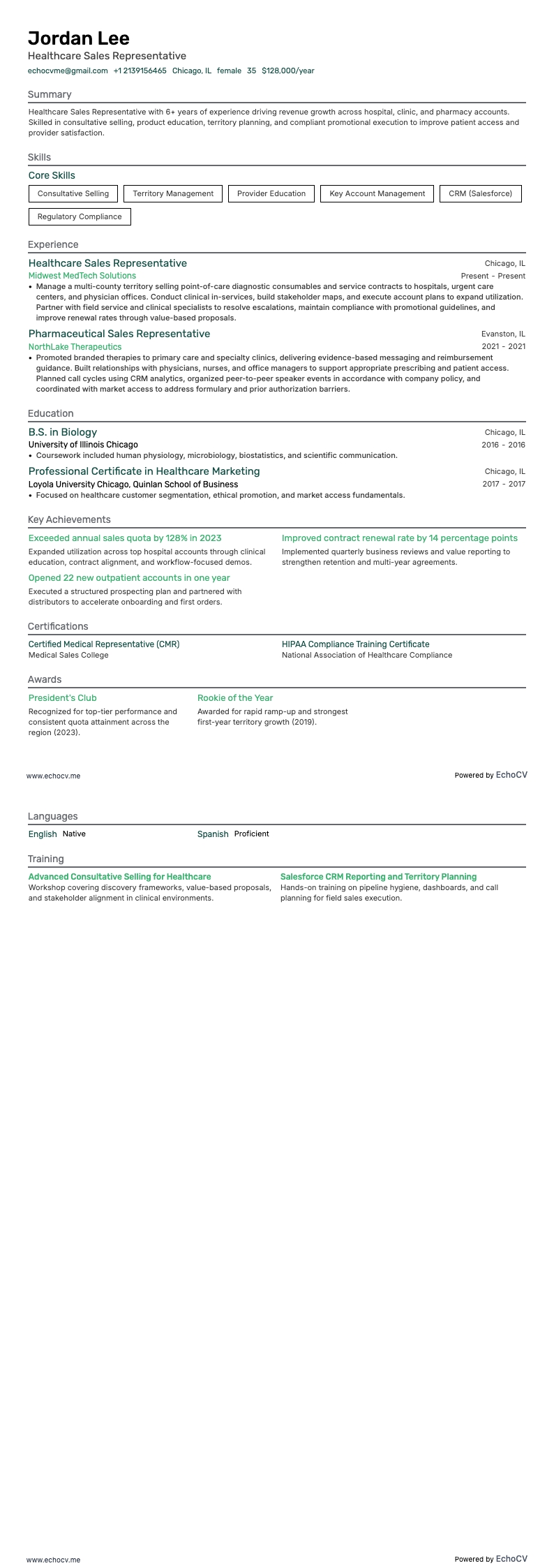
医療業界営業担当者 example resume

医療業界営業担当者

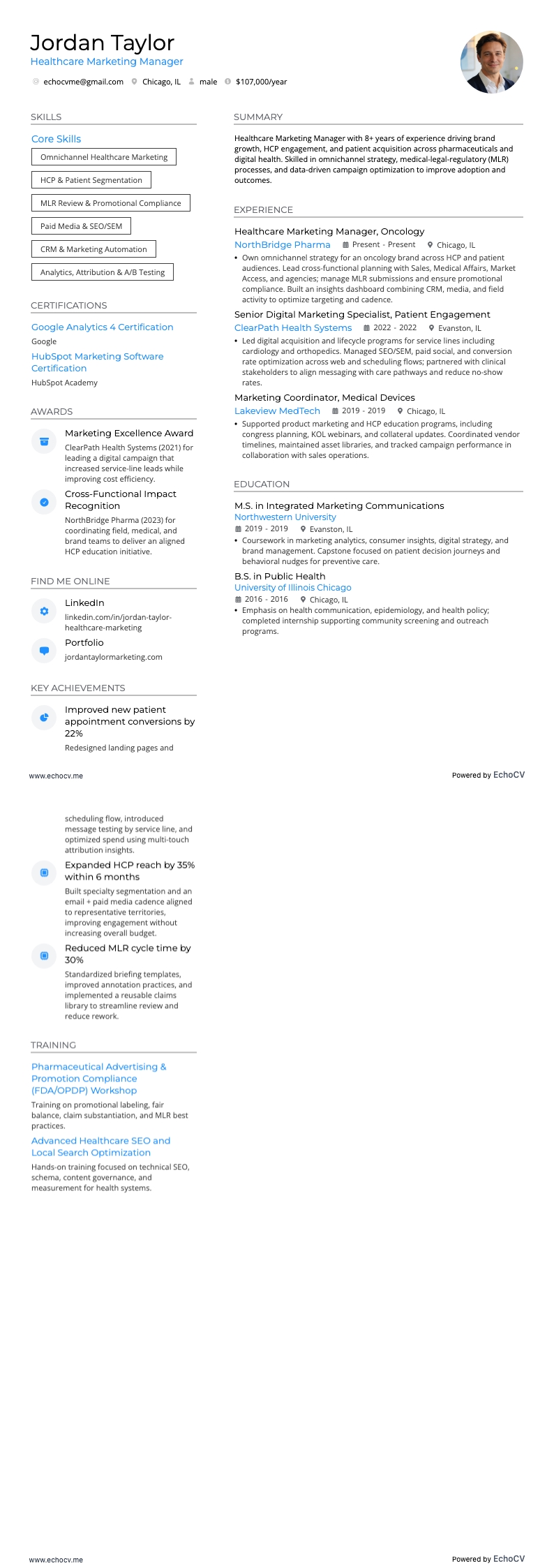
ヘルスケアマーケティングマネージャー example resume

ヘルスケアマーケティングマネージャー

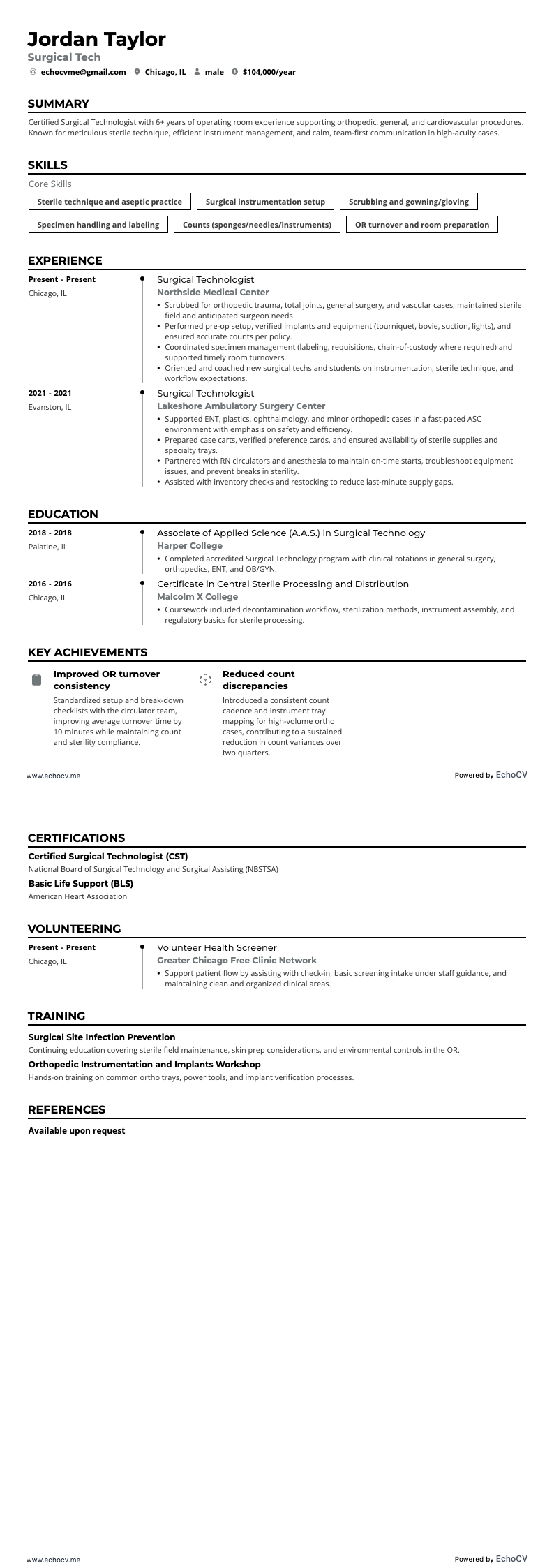
外科手術技師 example resume

外科手術技師

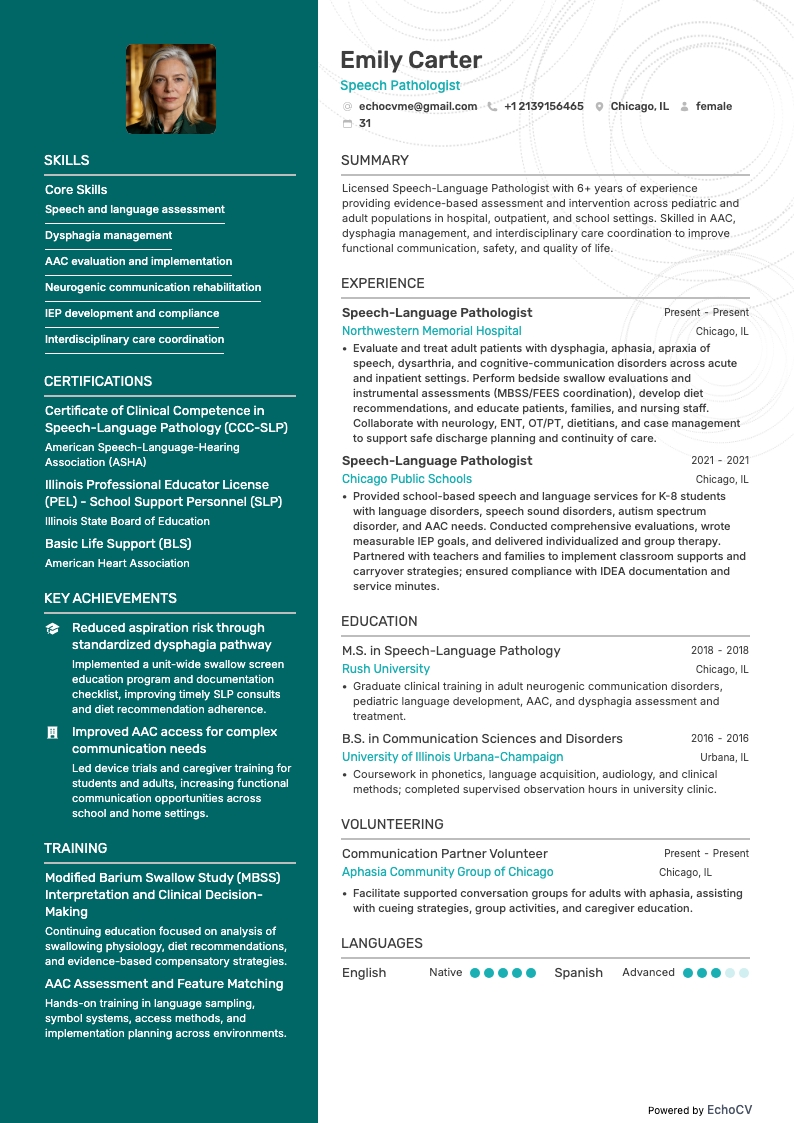
言語聴覚士 example resume

言語聴覚士

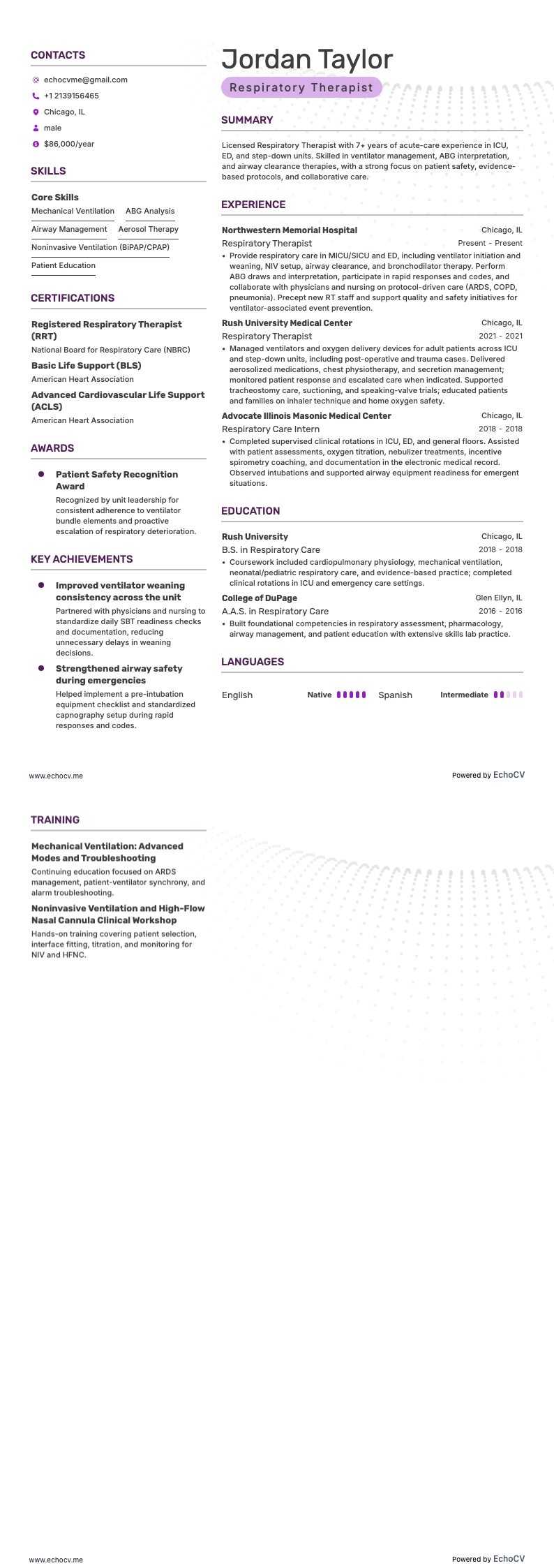
呼吸療法士 example resume

呼吸療法士

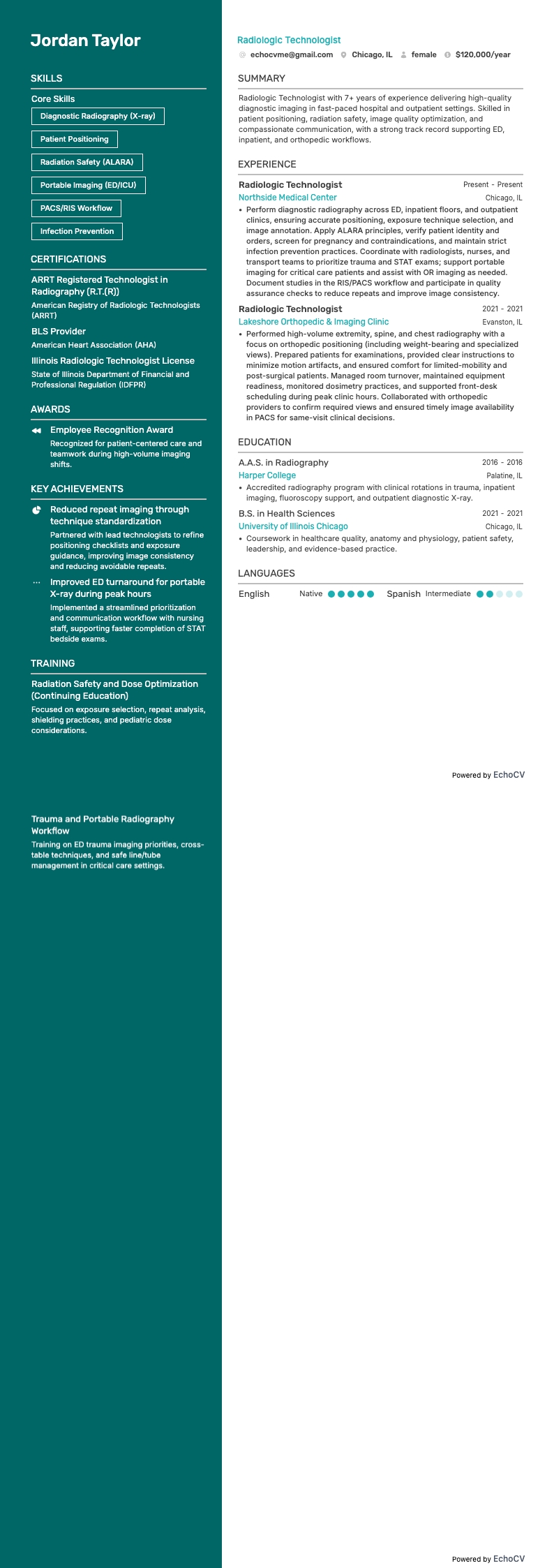
診療放射線技師 example resume

診療放射線技師

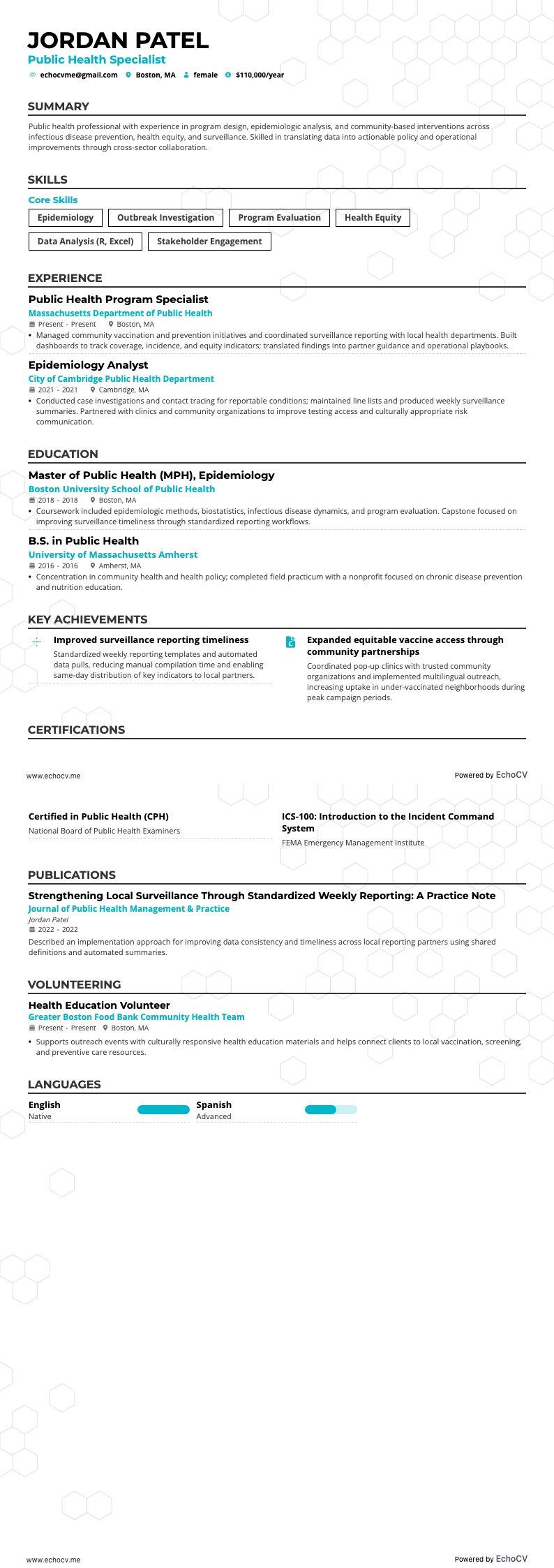
公衆衛生 example resume

公衆衛生

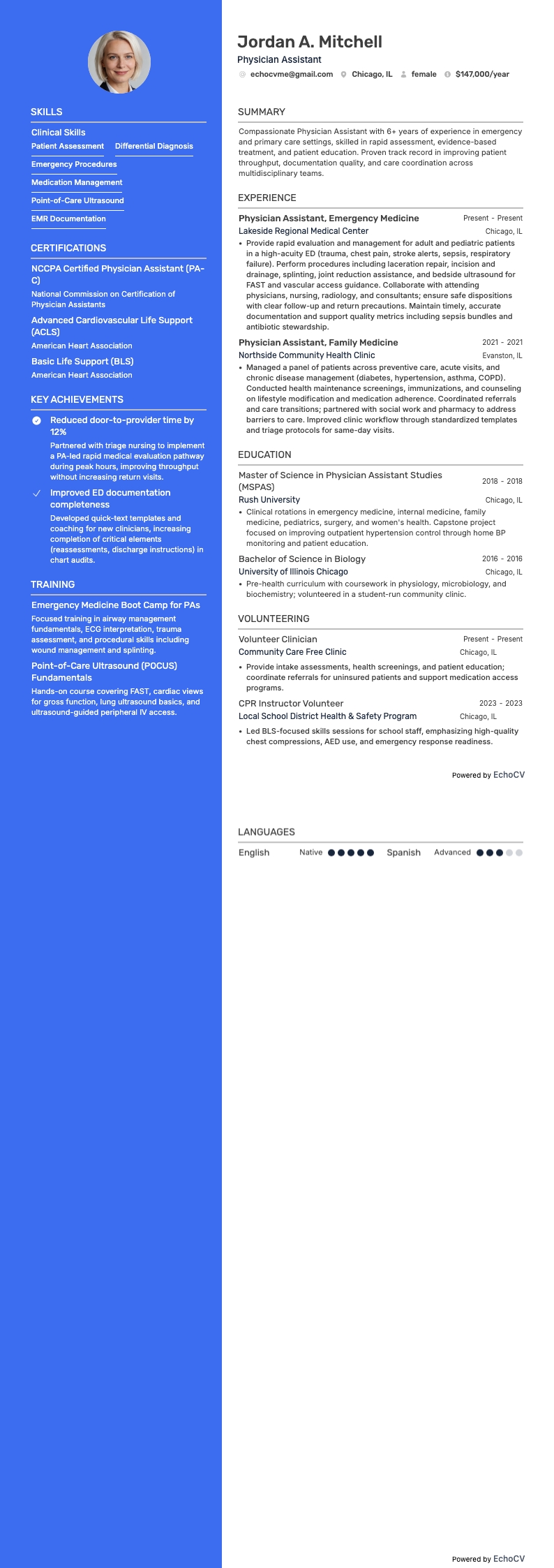
医師助手 example resume

医師助手

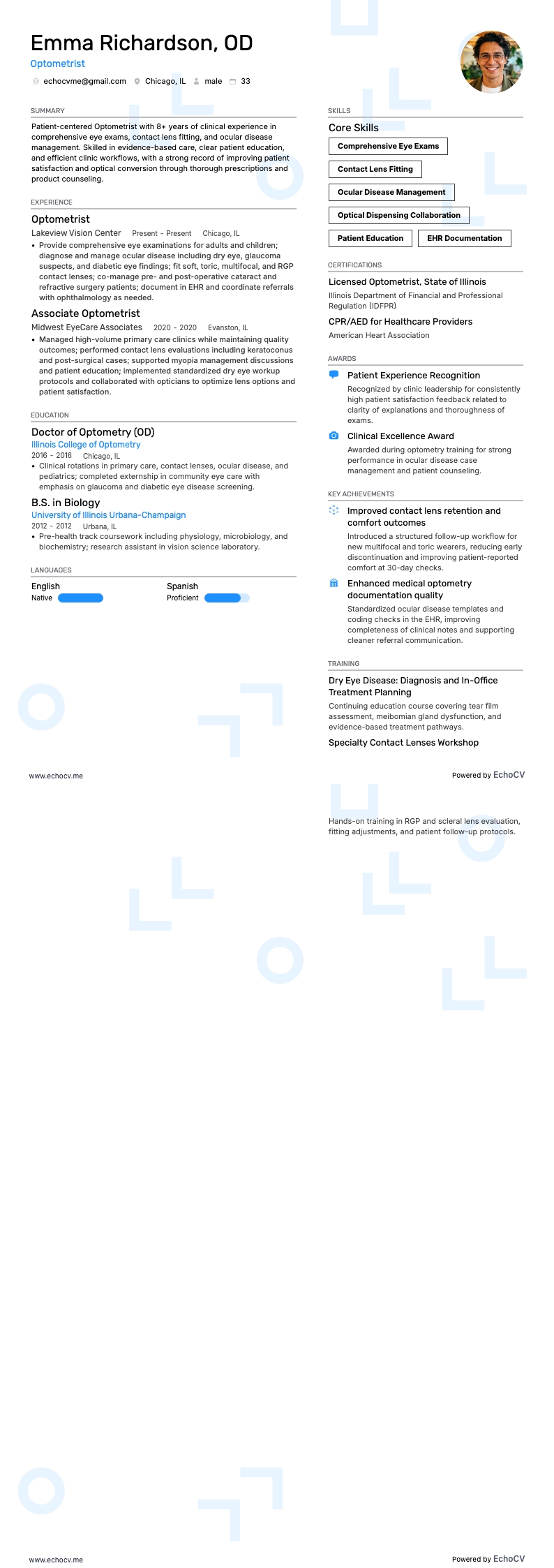
オプトメトリー example resume

オプトメトリー

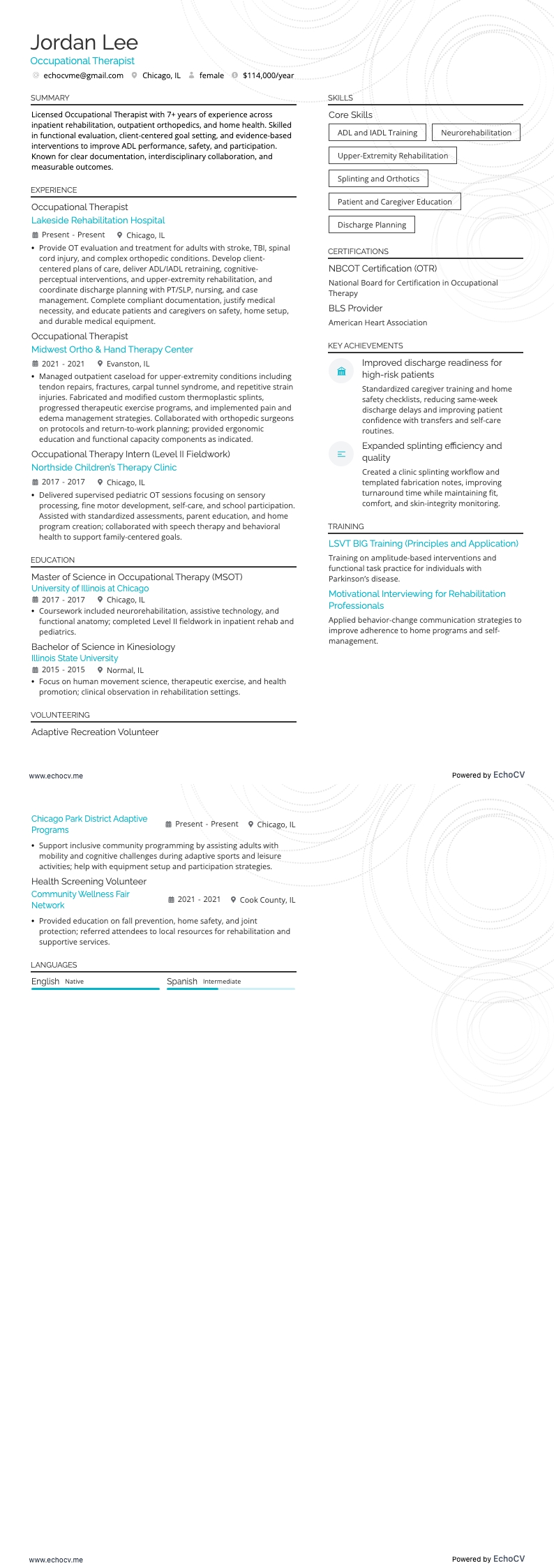
作業療法士 example resume

作業療法士

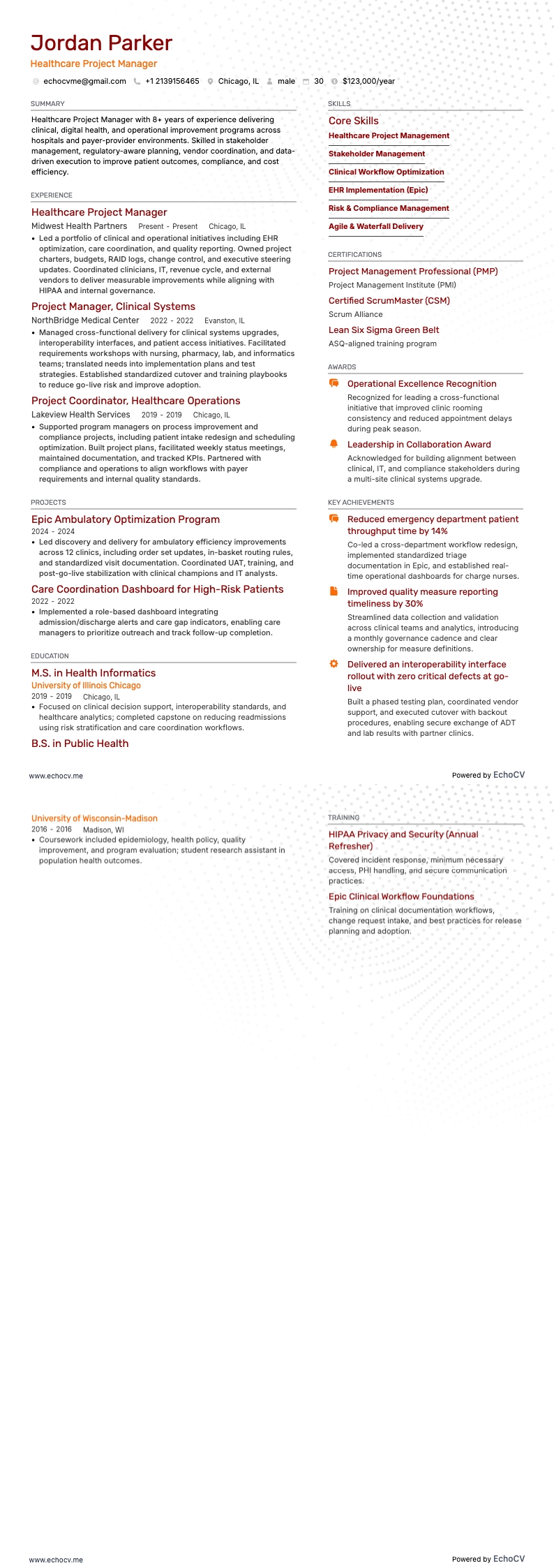
ヘルスケアプロジェクトマネージャー example resume

ヘルスケアプロジェクトマネージャー

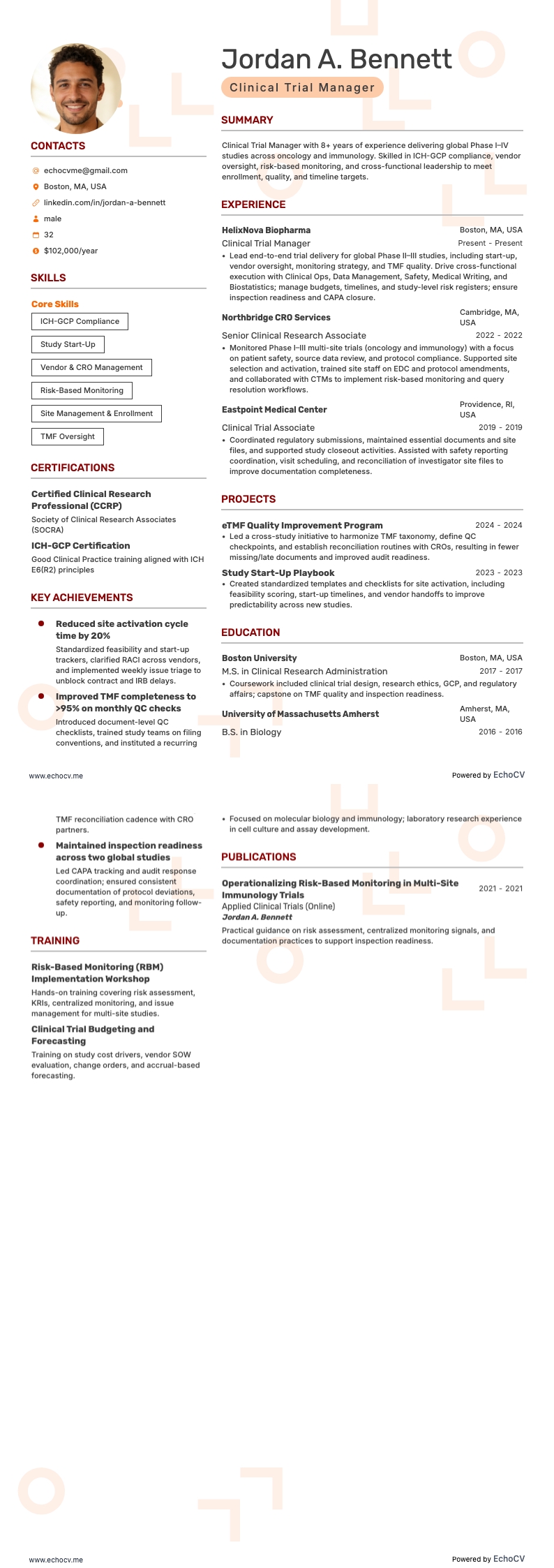
臨床試験マネージャー example resume

臨床試験マネージャー

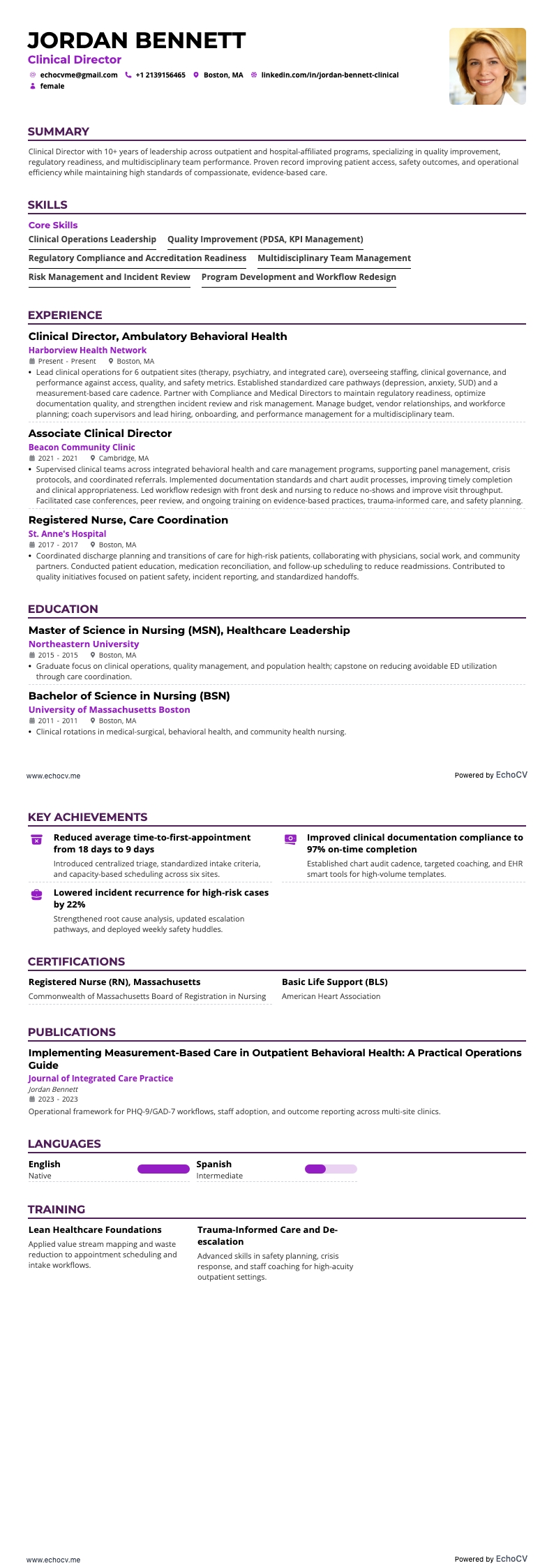
クリニカルディレクター example resume

クリニカルディレクター

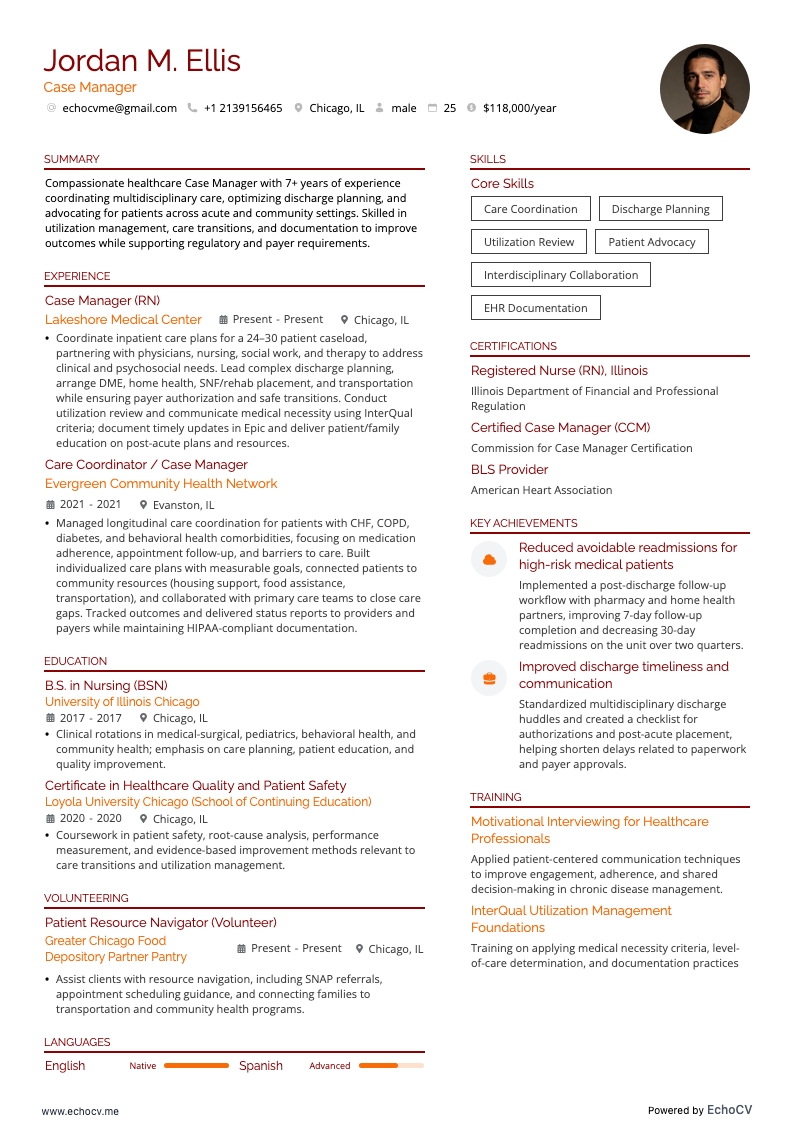
ケースマネージャー example resume

ケースマネージャー

Writing a good healthcare resume is all about showing competence and impact. What are your qualifications? Did you improve patient outcomes? Have you streamlined any care processes? How did you support organizational goals?

It doesn’t matter if you’re applying to a public sector hospital, a private clinic, or an exciting telemedicine startup. This guide will help you craft an application that goes past applicant tracking systems (ATS) with ease and makes hiring managers want to talk to you.

Healthcare resume sample

中堅医療コーディネーター の履歴書プレビュー

Here’s a sample you can edit directly in the Echocv Resume Builder. It’s structured and written in a way that quickly shows recruiters the value the applicant brings to the role.

What truly makes this resume stand out is its content. The candidate demonstrates a clear grasp of the healthcare sector and the role, supported by numbers.

The summary, experience, and achievements sections are packed with quantified achievements, such as:

  • Improvement in clinical workflows by 20%.
  • Reducing avoidable hospital readmissions by 15%.
  • Enhanced reporting accuracy by 40%.
  • Increased engagement with new data dashboards by 50%.

Meanwhile, the work history and successful outcomes support the skills section, which groups the applicant’s technical abilities together. This further enriches the document with relevant keywords and industry terminology, giving the candidate an ATS advantage.

In case you’ve already built your healthcare resume, you can put it to the test with Echocv’s free ATS Checker. It’ll review 19 key points and offer you improvement suggestions right away.

How to write a healthcare resume

Here’s a step-by-step guide to creating an industry-relevant resume that healthcare hiring decision-makers look for, and that prompts interview invitations.

1. Pick the right resume format

The structure of your content is important—it dictates how you’ll present your patient care achievements, clinical expertise, and professional qualifications. Choosing the best resume format for your application depends on your level of experience and the specific healthcare role you aim to land.

Here are your options.

Reverse-chronological resume format

In a reverse-chronological resume, the focal point is your direct experience, starting with your most recent role and working backwards. This way, hiring managers can immediately see your career progression and clinical impact.

Use this format if you’re a:

Functional resume format

If you have the necessary healthcare qualifications and abilities for the role but no on-the-job experience, then a functional resume fits your profile. It leverages your training, skills, and even your motivation.

Use this format if you’re a:

  • Volunteer transitioning into paid roles
  • Certified professional without hands-on experience

Hybrid resume format

A hybrid resume uses elements from the other two formats. It works well if your work history includes relevant experience, but you need to present specific skills or achievements more prominently.

Use this format if you’re:

Healthcare resume length

Ideally, a healthcare application should be one to two pages long. If you’re in the early stages of your career or a transitioner, then you should be able to fit your most relevant information into a one-page resume.

However, if you have over 10 years of experience and a longer work history benefits the role, you can confidently apply with a two-page resume.

Recruiters often skim resumes before they give them a deeper read.

Here’s how you can make their job a little easier and shift their attention to what makes you a relevant candidate.

Present your healthcare competencies in must-have resume sections

  • A professional summary tailored to the role quickly points to your qualifications and impact.
  • License, education, and certifications immediately prove you’re qualified for the role.
  • Healthcare experience details hands-on clinical procedures or industry involvement.
  • Key skills prominently list your clinical and technical capabilities aligned with the job description.
  • Clinical rotations or volunteering (optional) can reinforce direct experience and passion for the field.

2. Write a work experience section that shows impact in healthcare

There are hundreds of roles in the healthcare sector and their duties can vary widely. However, hiring decision-makers in the field are well aware of each role’s main duties. What they really want to see on your application is how you made a difference.

When outlining your healthcare experience, aim for three to five bullet points beneath each role. But here’s what really matters—focus on specific outcomes that show your impact on patient care and operational efficiency.

Whether you’re a nurse improving patient satisfaction scores, a physician optimizing treatment plans, or a healthcare administrator streamlining workflows, a steady career path backed up by quantifiable achievements is what will set you apart from other candidates.

Think about:

  • What goals did you achieve?
  • What challenges did you face?
  • How did your actions improve patient outcomes, safety, or efficiency?

Here’s what something like this looks like in practice.

Good example of a healthcare resume experience section
  • Delivered high-quality patient care to 40+ patients daily, achieving a 98% patient satisfaction score through personalized treatment plans and compassionate communication.
  • Reduced hospital readmission rates by 25% by implementing improved discharge instructions and coordinating follow-up care with physicians.
  • Administered medications and treatments with 100% accuracy, ensuring strict compliance with safety protocols and hospital standards.
  • Collaborated with a multidisciplinary team of 15+ healthcare professionals, improving care efficiency by 30% and enhancing patient recovery outcomes.

So what makes this experience section impressive?

To begin with, the candidate talks about their experience using measurable data. In other words, they’re not just saying they’re competent—they’re showing it. This builds credibility and trust.

Additionally, the applicant effectively hints at their soft skills—they’re compassionate, caring, and collaborative. These qualities are valuable in a healthcare setting and remind recruiters that behind the numbers, there’s a real person.

The same best practices apply when listing projects on your resume. You can apply this approach to your own content.

Use specific metrics to make your healthcare resume experience section quantifiable

By reading the job description carefully and finding keywords, you should be able to pinpoint the metrics relevant to the specific healthcare role you’re targeting.

Some include:

  • Number of patients treated or supported: “Provided direct care to 35+ patients per shift in a high-volume ER.”
  • Patient satisfaction scores: “Improved patient satisfaction ratings by 28% through personalized care strategies.”
  • Operational efficiency: “Reduced average wait times by 22% by streamlining triage workflows.”
  • Clinical program success: “Led diabetes education program that improved treatment adherence by 18%.”
  • Team leadership: “Supervised a team of 10 RNs and medical assistants, increasing care coordination efficiency by 20%.”
  • Cost savings or budget management: “Managed a $1.5M annual department budget while lowering supply costs by 15%.”

Using numbers on your resume wins you all kinds of candidacy points, but overdoing it could backfire. So instead of listing every possible achievement in your career, focus on the ones that are most important to the role.

3. List your most relevant hard and soft skills

When targeting a specific healthcare role, it’s best to tailor your skills section to the job description. This increases your likelihood of passing ATS screenings and quickly shows recruiters you possess the necessary skill set.

You can list technical and hard skills both in a dedicated section and within your work history.

Best hard skills for your healthcare resume

  • Patient assessment & clinical evaluation
  • Electronic Health Records (EHR) management
  • Medication administration & dosage calculation
  • Diagnostic testing & result interpretation
  • Treatment planning & care coordination
  • Infection control & safety protocols
  • Telemedicine platforms & virtual care tools
  • Medical coding & billing knowledge
  • HIPAA compliance & regulatory standards
  • Emergency response & critical care procedures
  • Surgical assistance & pre/post-operative care
  • Health data analysis & reporting

Including healthcare hard skills that you don’t actually possess is a grave mistake. Those can be easily verified. Besides, the field is heavily regulated across the U.S., and the rest of the world, so lying on your resume can tarnish your reputation and have legal consequences.

Meanwhile, soft skills like empathy, teamwork, or patient communication are also important (as we mentioned above), but it’s best to weave those into your Summary, Experience, or Achievements using real examples.

4. Highlight your licenses, education, and certifications

Many healthcare roles require a license and formal training, so featuring those prominently in your education section and detailing them accurately is critical. This helps with AI screening while also reassuring recruiters that you’re legitimate.

If you hold multiple healthcare licenses, prioritize the most relevant ones. Then list your education.

Good example of listing training and education on a healthcare resume

Registered Nurse (RN), License #123456
California Board of Registered Nursing (Expires: June 2026)

Bachelor of Science in Nursing (BSN)
University of California, San Francisco
Graduated: May 2022 | GPA: 3.8

Relevant Coursework: Pathophysiology, Advanced Patient Assessment, Pharmacology, Evidence-Based Practice

5. Craft a resume summary that makes you stand out

Write your healthcare summary section after you’re done outlining your experience, formal training, and skills. This way, you’ll have a clear overview of your achievements and abilities. Mention the ones most relevant to the role you are targeting.

Good example of a healthcare resume summary

Patient-focused Clinical Care Coordinator with 7+ years of experience bridging the gap between medical teams, patients, and administrative processes. Passionate about leveraging data-driven care planning and electronic health record (EHR) optimization to improve patient outcomes and streamline workflows. Recognized for reducing care delays by 30% through proactive coordination, cross-department collaboration, and implementation of telehealth solutions.

Additional tips for building a strong healthcare resume

Small design choices can make any healthcare resume more appealing.

Right now, you might be wondering:

What font, colors, and template design should I use for my healthcare resume?

When creating your healthcare resume:

  • Opt for a clean, professional resume template to reflect your credibility as a healthcare professional.
  • Easy-to-read fonts like Rubik, Arial, and Calibri, set to 10-12 points, offer clarity.
  • Set margins from 0.5 to 1 inch on all sides for a neat, focused appearance.
  • Accent colors like navy, gray, or dark green can make your document pop out without distractions.

Header information:

How do I write a healthcare resume with no experience?

If you’re a healthcare professional who’s just starting out, remember that your formal training already carries enough credibility. Leveraging your passion for the field is another great starting point.

Here’s what to focus on when building an entry-level healthcare resume:

  • Start with practical engagements: Mention any internships, clinical training, or shadowing experiences. These provide tangible proof of your readiness to work in a patient-care or healthcare-support environment.
  • Detail your education: Healthcare courses, clinical rotations, and certifications establish your foundation.
  • List any non-formal experience: Volunteer work, community service, or academic projects related to healthcare will absolutely count and demonstrate initiative.
  • Outline general skills: Transferable skills like problem-solving, teamwork, and communication are valuable in any healthcare setting.
  • Use an objective: Instead of a summary, write a concise resume objective that describes your enthusiasm for starting your healthcare career.

What additional sections can I include on my healthcare resume?

For healthcare roles, emphasize both clinical expertise and soft skills by including these additional sections in your resume:

  • Professional Affiliations: Membership in healthcare organizations shows engagement with the community.
  • Publications & Research: Academic or specialized roles benefit from such contributions to the field.
  • Conferences & Workshops: Ongoing professional development and commitment to staying updated on industry advancements.
  • Awards & Honors: Prestigious honors help you stand out among similarly qualified candidates.
  • Languages: Multilingual communication improves outcomes and accessibility in diverse patient settings.

U.S. national salary for healthcare roles

RoleSalary
Nurse Practitioner$126,260
Physician Assistant$130,020
Nurse Anesthetist (CRNA)$212,650
Medical and Health Services Manager$110,680
Veterinarian$119,100
Speech-Language Pathologist$89,290
Physical Therapist$99,710
Occupational Therapist$96,370
Respiratory Therapist$87,530
Psychiatrist$239,200

(Source: U.S. Bureau of Labor Statistics)

Conclusion and where to go from here

A successful application in the healthcare sector requires both in-depth role understanding and presenting your qualifications and skills strategically. By crafting targeted resumes with Echocv, you increase your chances of landing more interviews.

Here’s what you can do next:

Your next opportunity in healthcare is out there—let Echocv help you get there faster, with a resume that sets you apart.

医療 履歴書サンプル

さらに多くの 医療 履歴書サンプルとガイドを確認し、経験レベルや職種に合う内容を見つけましょう。

経験別

中堅医療コーディネーター

中堅医療コーディネーター の履歴書プレビュー

シニア医療コンサルタント

シニア医療コンサルタント の履歴書プレビュー

未経験向け医療管理者

未経験向け医療管理者 の履歴書プレビュー

医療 履歴書サンプル

さらに多くの 医療 履歴書サンプルとガイドを確認し、経験レベルや職種に合う内容を見つけましょう。

職種別

医療情報システムマネージャー

医療情報システムマネージャー の履歴書プレビュー

医療ITコンサルタント

医療ITコンサルタント の履歴書プレビュー

医療臨床教育者

医療臨床教育者 の履歴書プレビュー

医療品質保証スペシャリスト

医療品質保証スペシャリスト の履歴書プレビュー

医療リスクマネージャー

医療リスクマネージャー の履歴書プレビュー

医療人事マネージャー

医療人事マネージャー の履歴書プレビュー

医療コンプライアンス担当者

医療コンプライアンス担当者 の履歴書プレビュー

ヘルスケア財務アナリスト

ヘルスケア財務アナリスト の履歴書プレビュー

医療機関運営マネージャー

医療機関運営マネージャー の履歴書プレビュー

医療業界営業担当者

医療業界営業担当者 の履歴書プレビュー

ヘルスケアマーケティングマネージャー

ヘルスケアマーケティングマネージャー の履歴書プレビュー

外科手術技師

外科手術技師 の履歴書プレビュー

言語聴覚士

言語聴覚士 の履歴書プレビュー

呼吸療法士

呼吸療法士 の履歴書プレビュー

診療放射線技師

診療放射線技師 の履歴書プレビュー

公衆衛生

公衆衛生 の履歴書プレビュー

医師助手

医師助手 の履歴書プレビュー

オプトメトリー

オプトメトリー の履歴書プレビュー

作業療法士

作業療法士 の履歴書プレビュー

ヘルスケアプロジェクトマネージャー

ヘルスケアプロジェクトマネージャー の履歴書プレビュー

臨床試験マネージャー

臨床試験マネージャー の履歴書プレビュー

クリニカルディレクター

クリニカルディレクター の履歴書プレビュー

ケースマネージャー

ケースマネージャー の履歴書プレビュー