インテリアデザイナーの履歴書例25選
EchoCV
EchoCV チームによる執筆
更新日: 8/10/2025•8 min read
このガイド内のすべての履歴書サンプルを見るか、あなた専用のプロンプトで独自の履歴書サンプルを生成してください
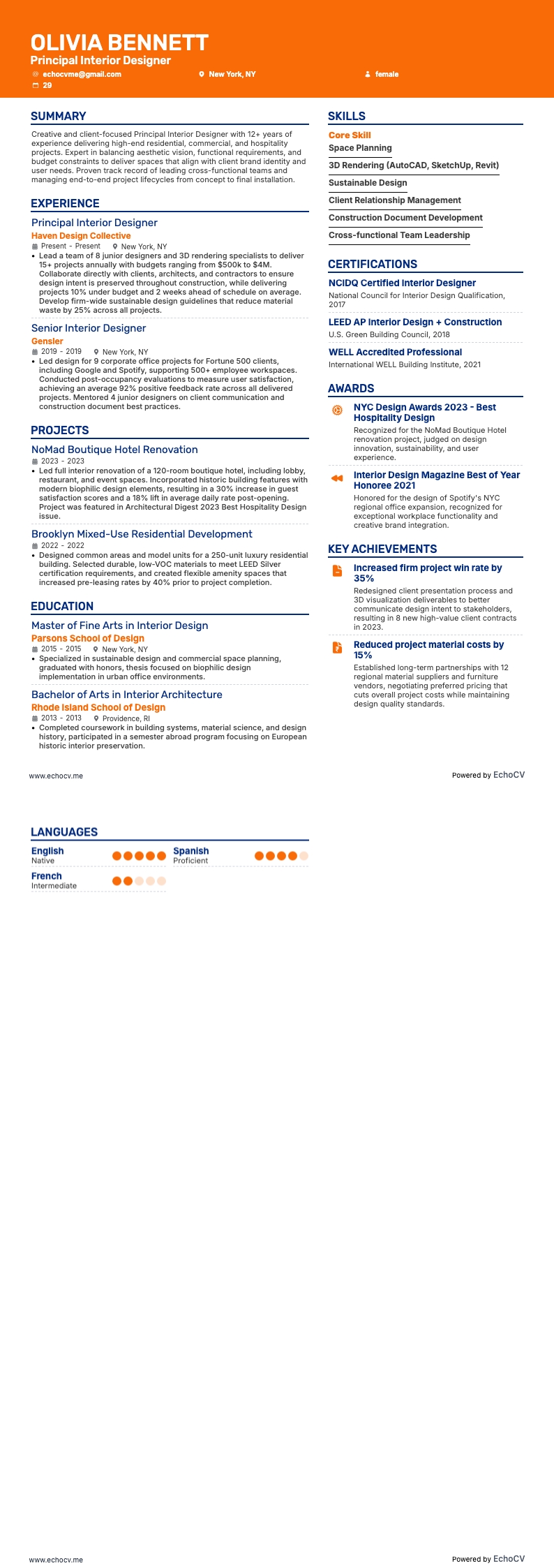
主任インテリアデザイナー
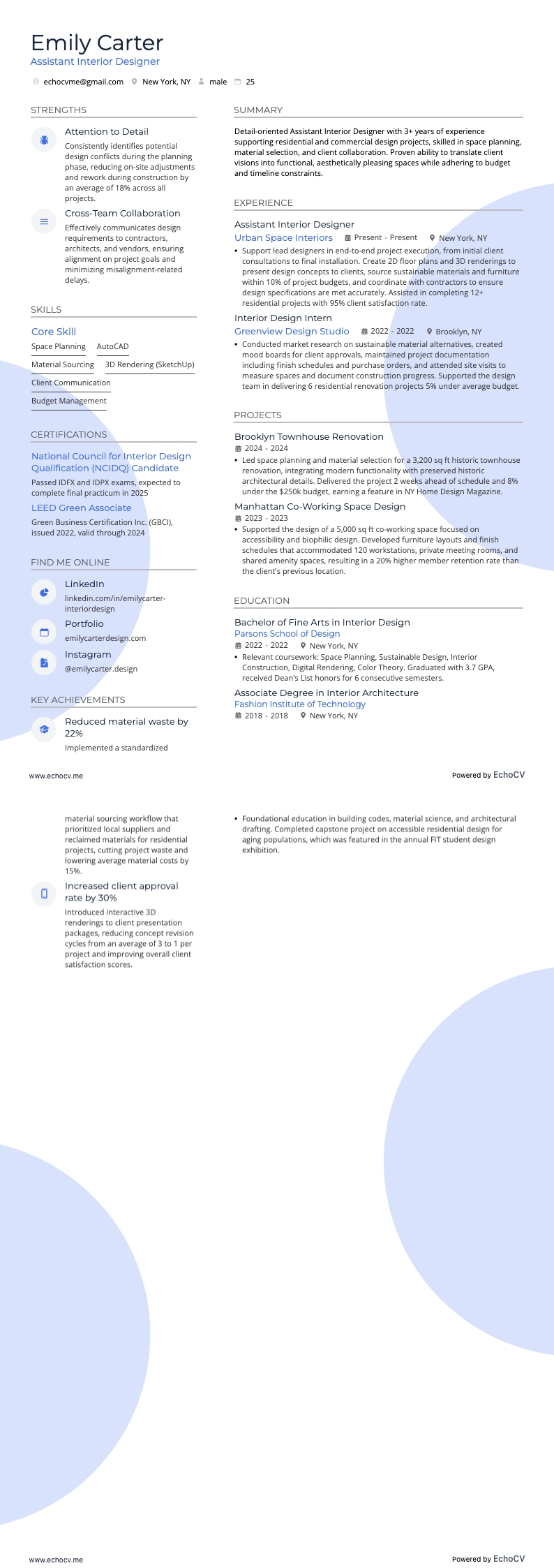
インテリアデザイナーアシスタント
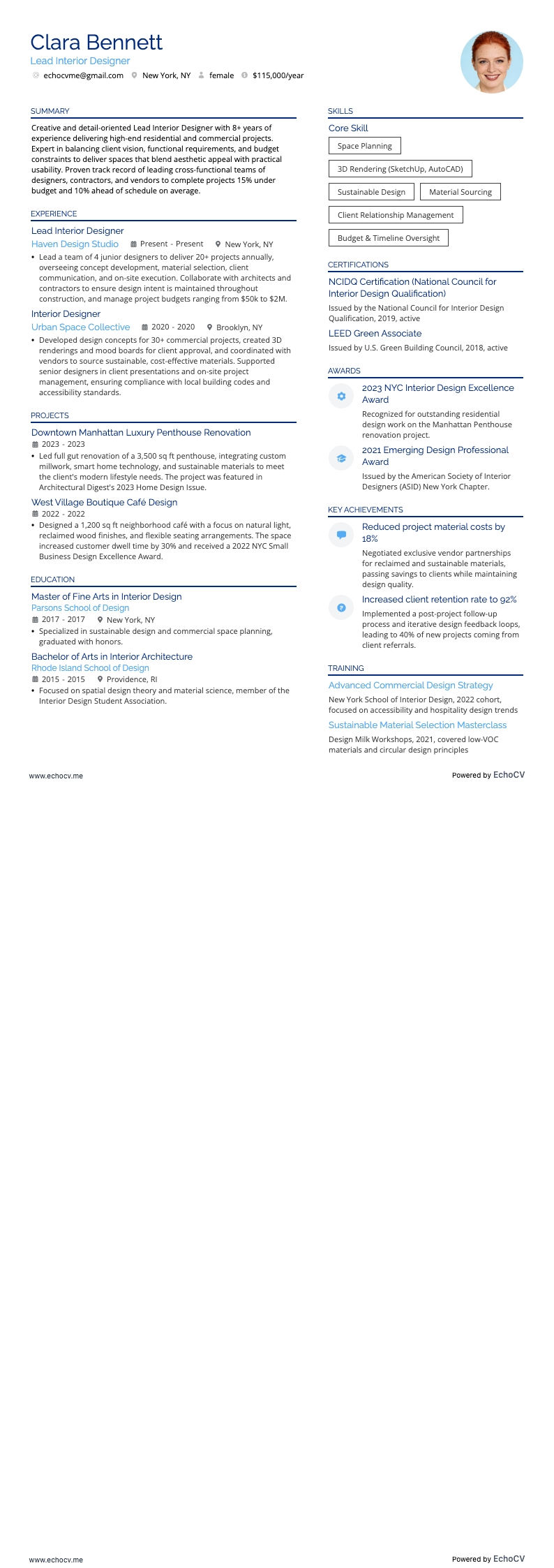
主任インテリアデザイナー
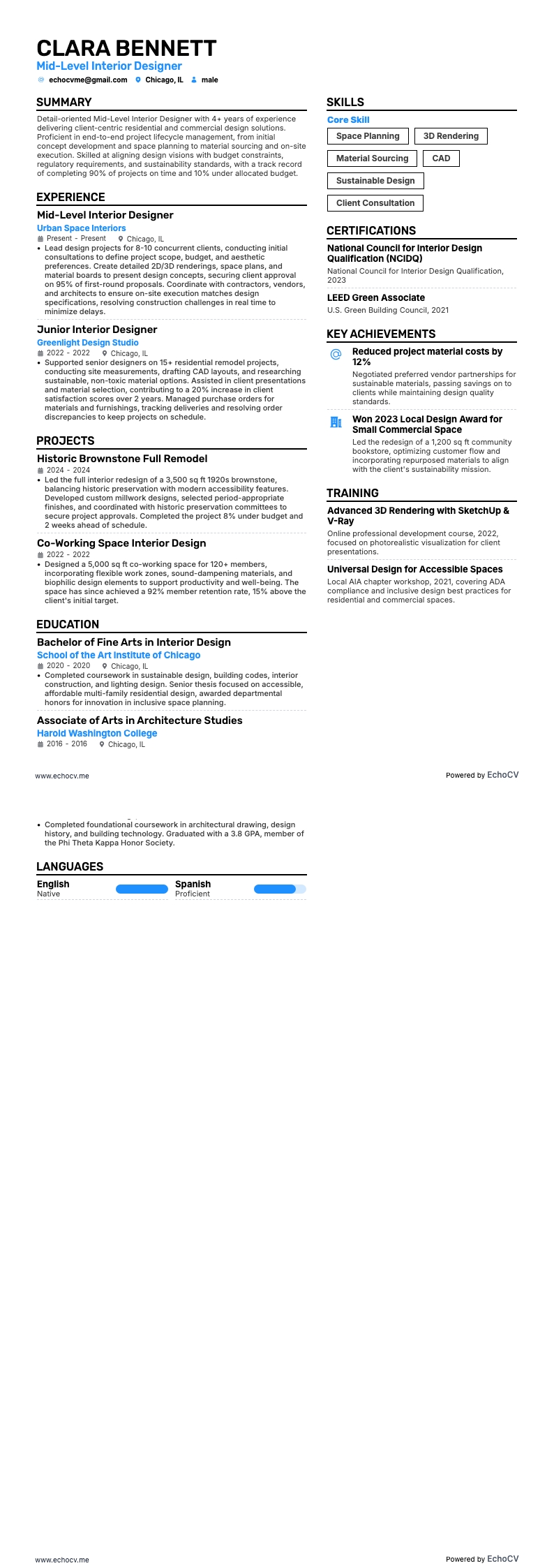
中堅インテリアデザイナー
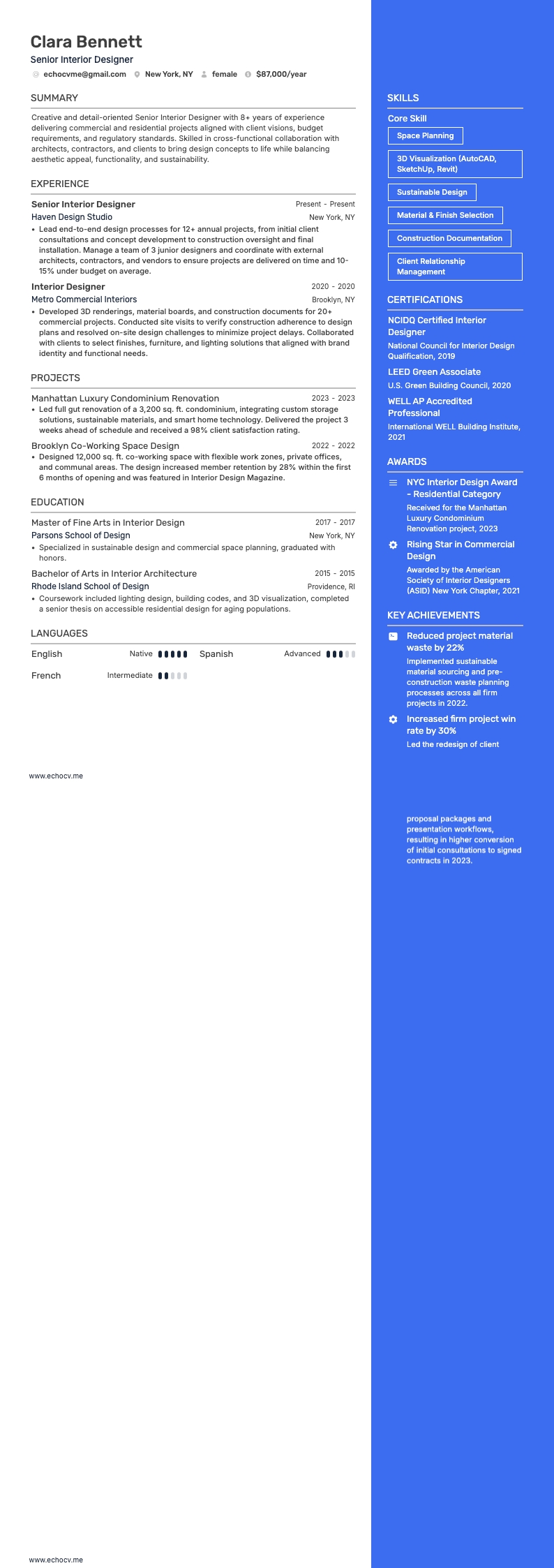
シニアインテリアデザイナー
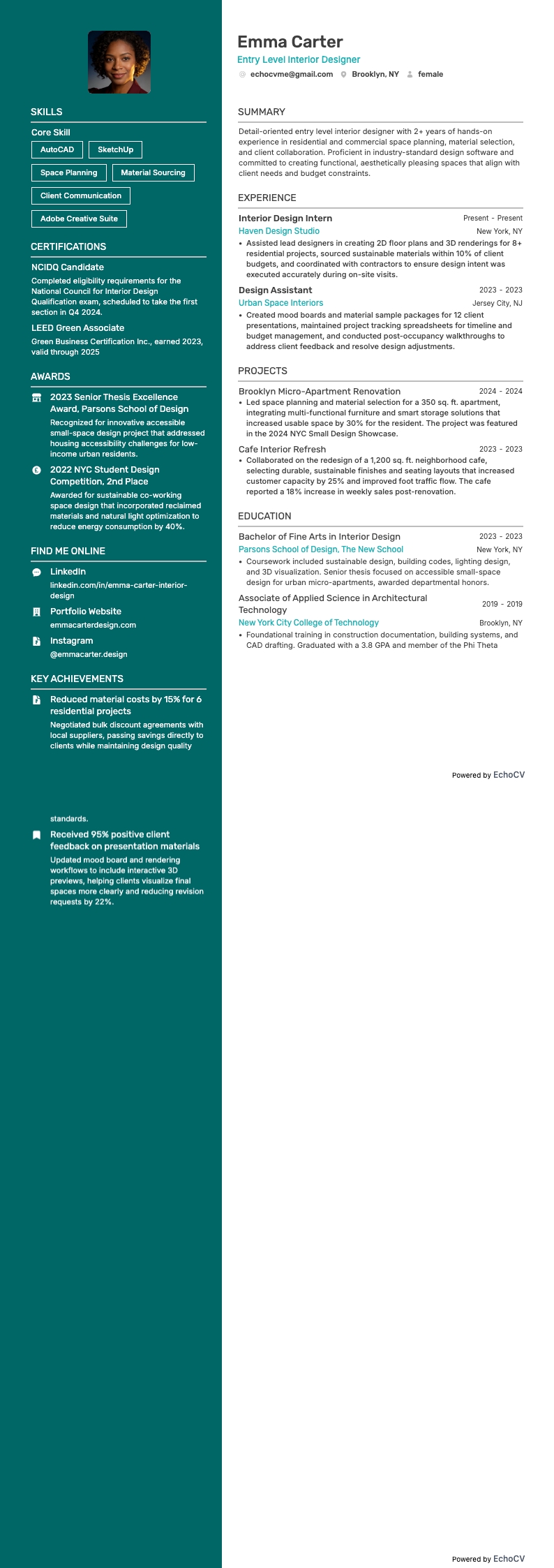
未経験向けインテリアデザイナー
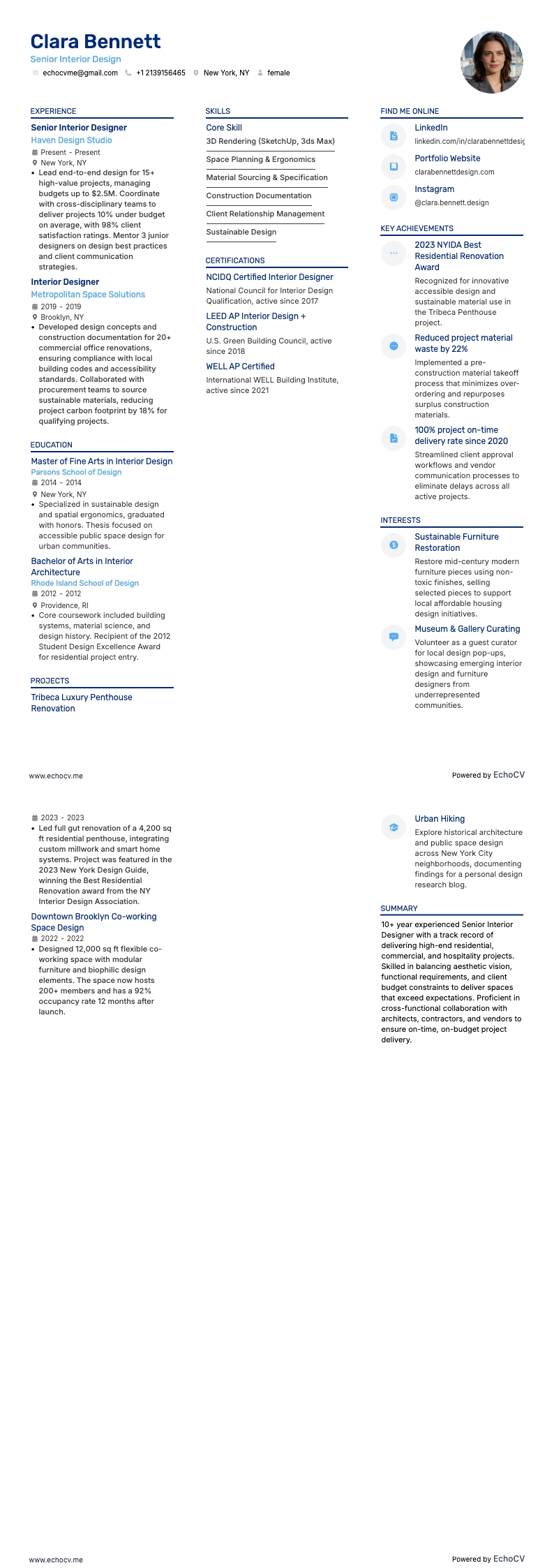
シニアインテリアデザイン
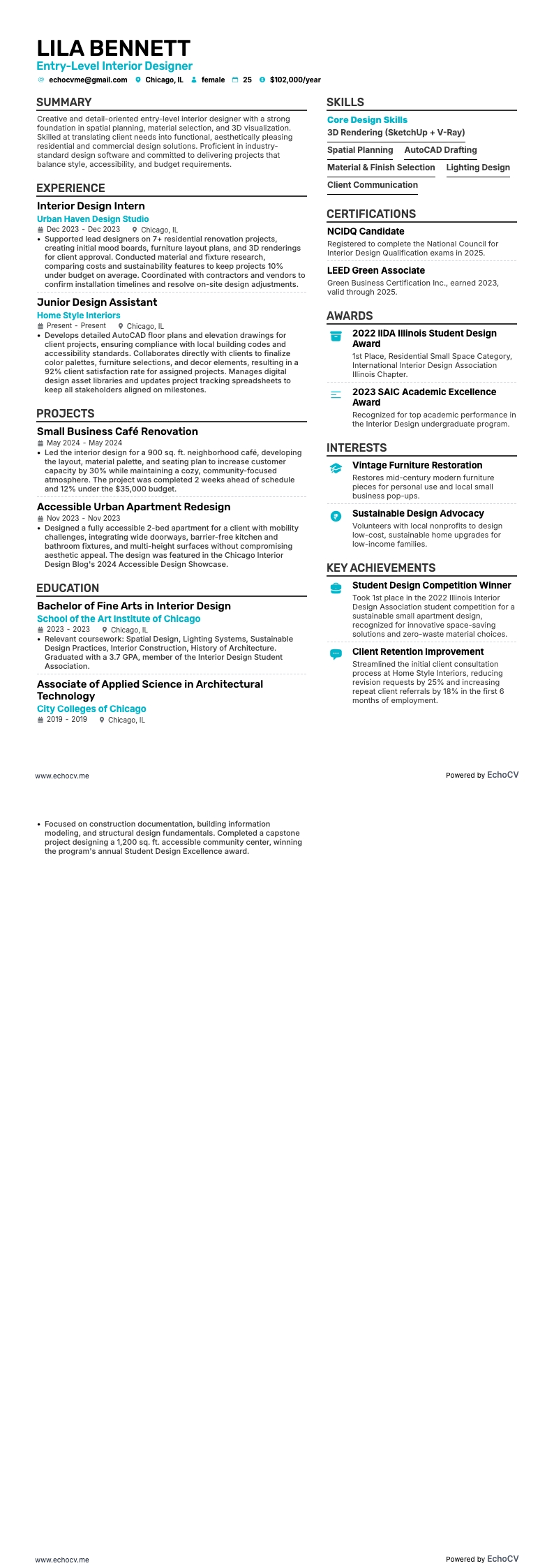
未経験向けインテリアデザイン
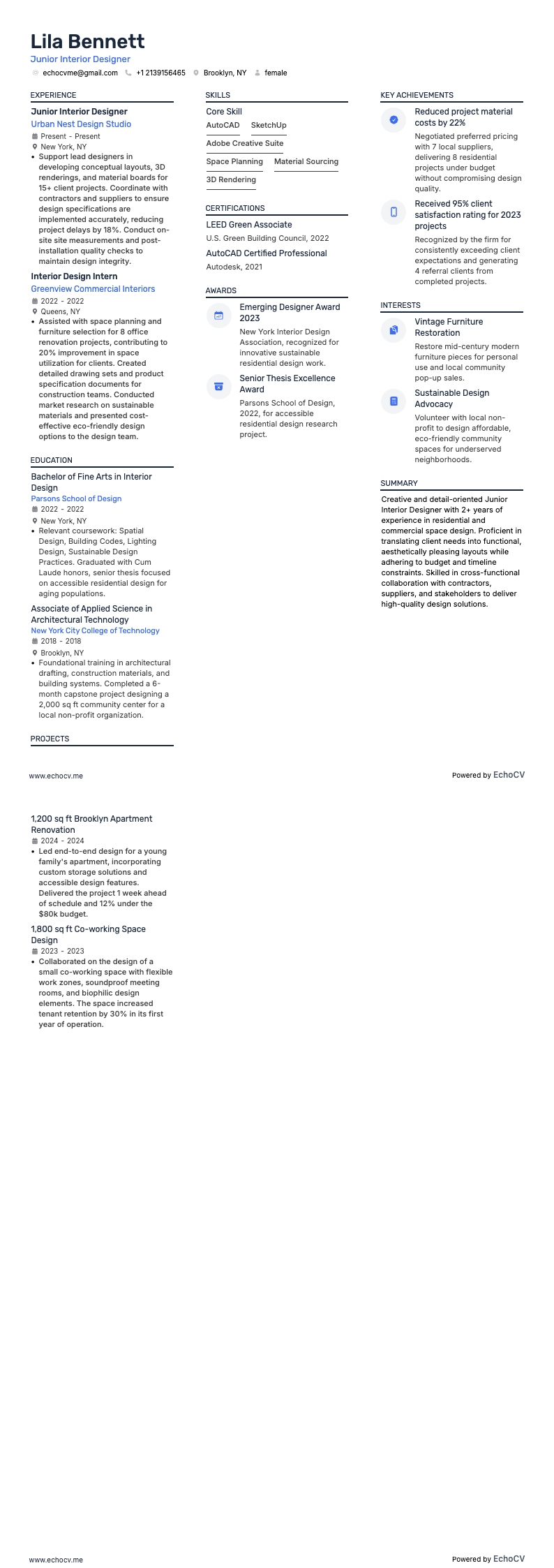
ジュニアインテリアデザイナー
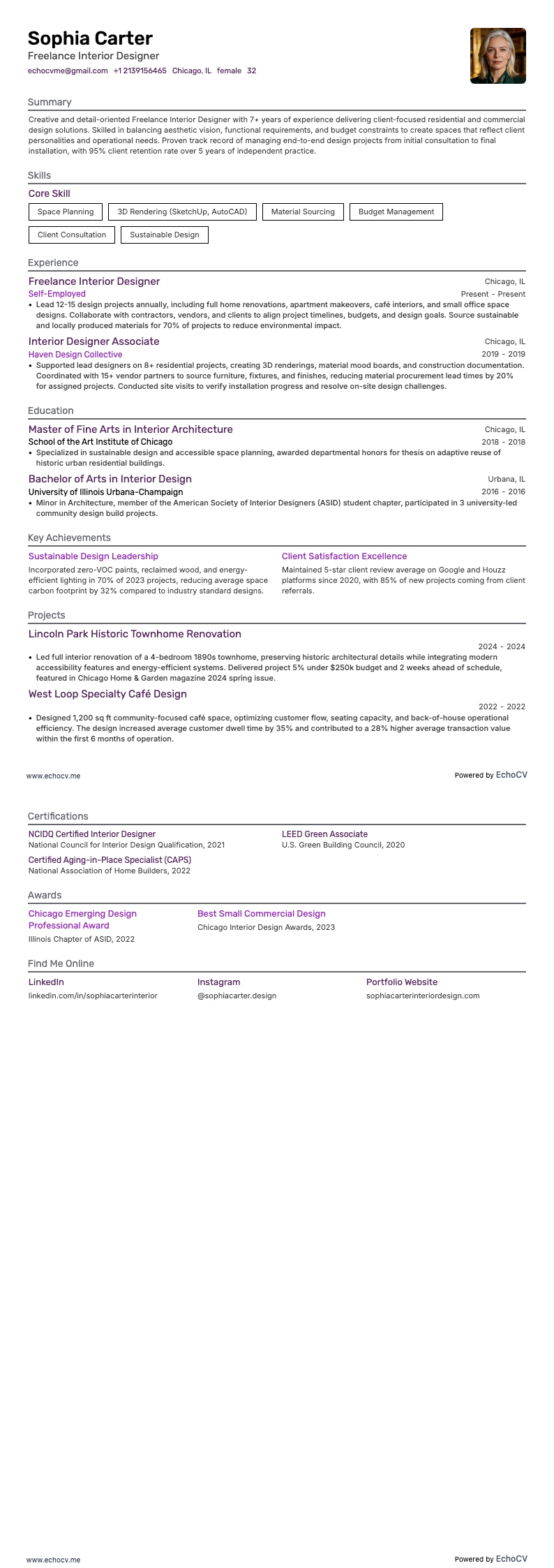
フリーランスのインテリアデザイナー
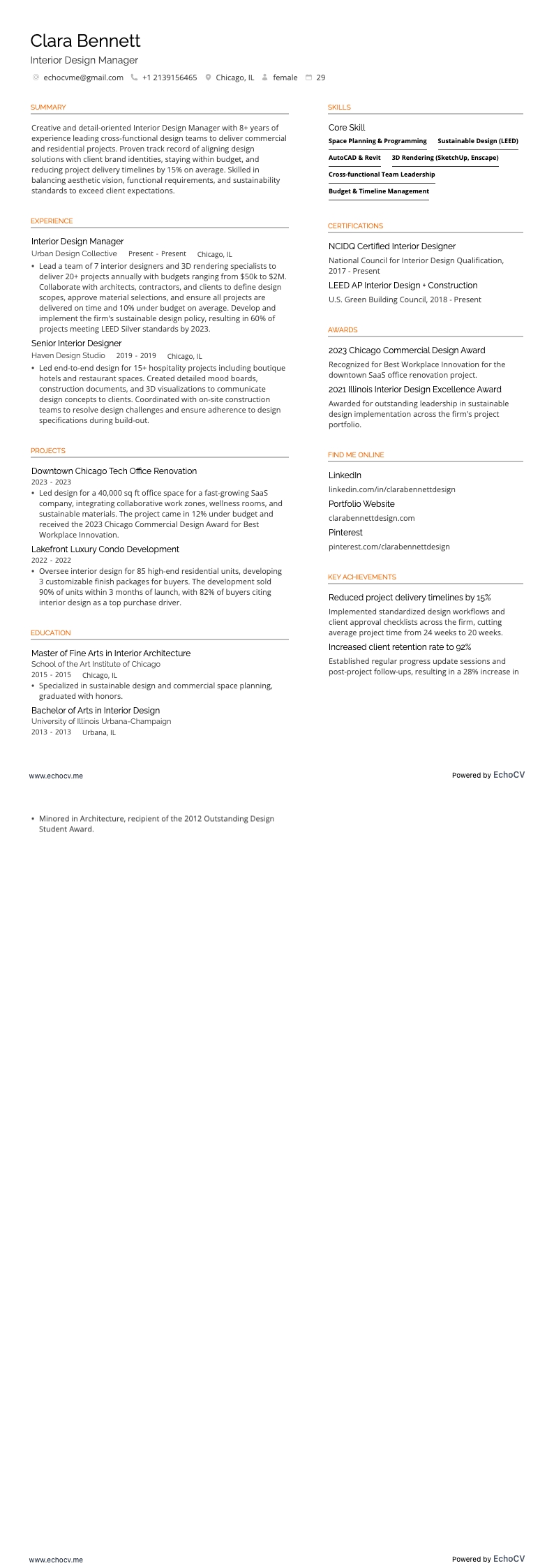
インテリアデザインマネージャー
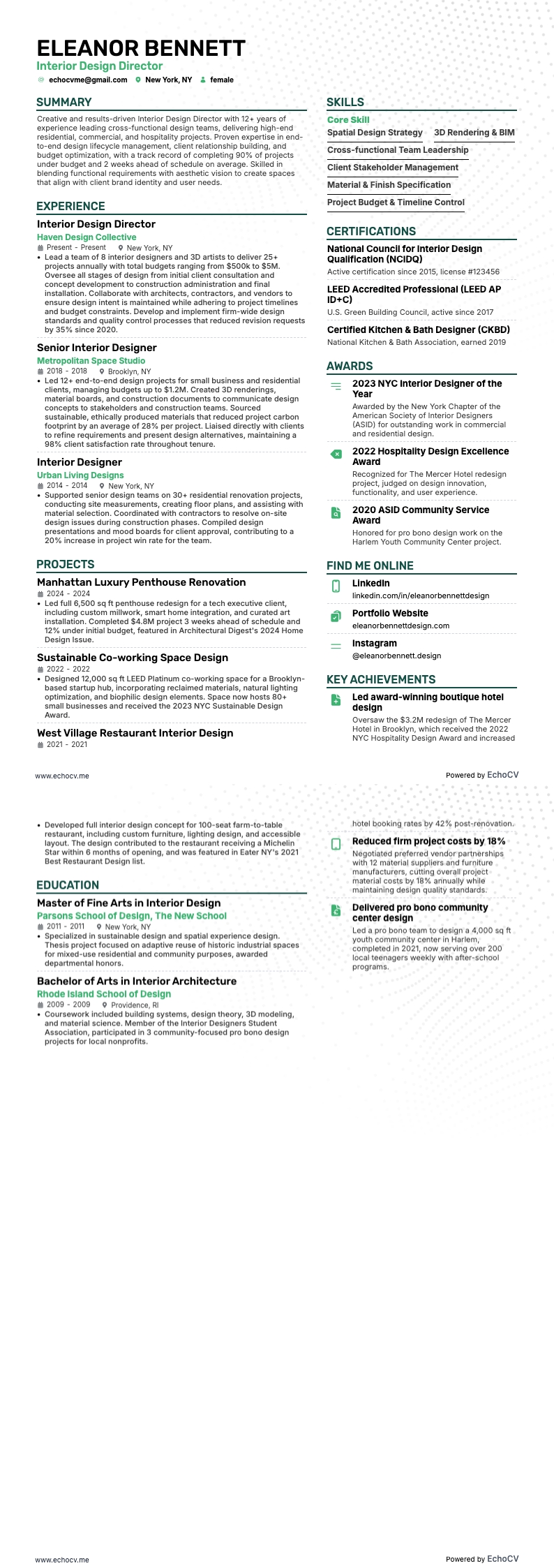
インテリアデザイン部長
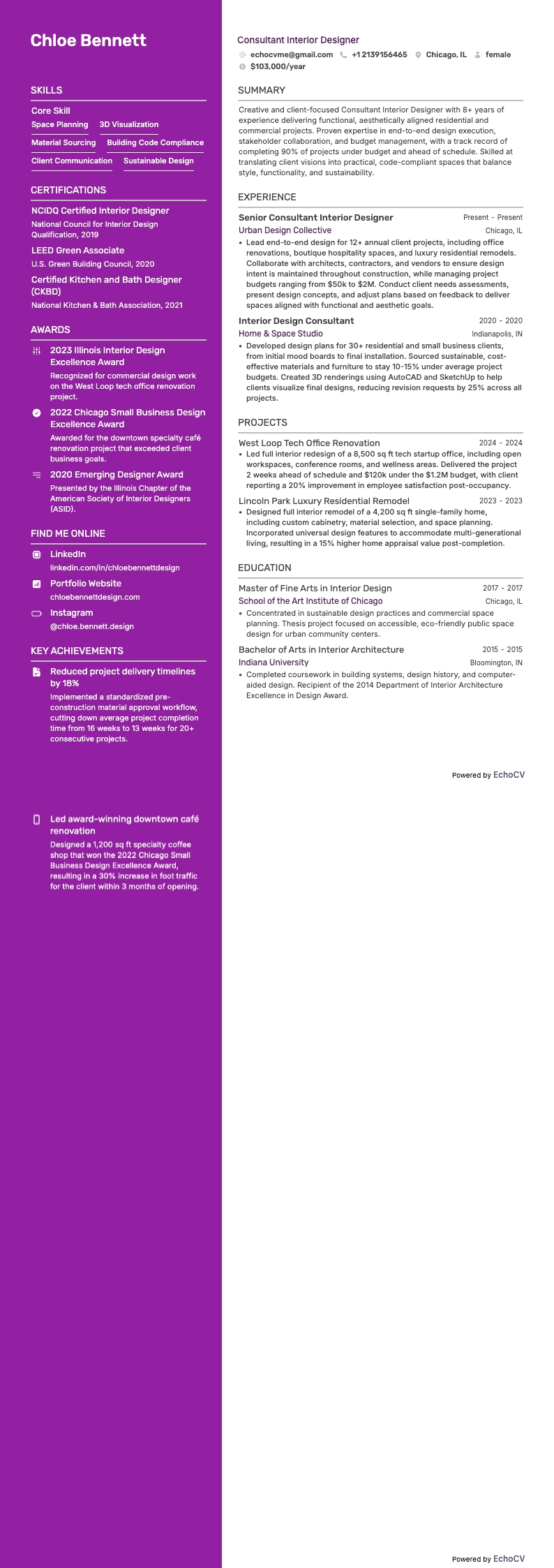
コンサルタント インテリアデザイナー
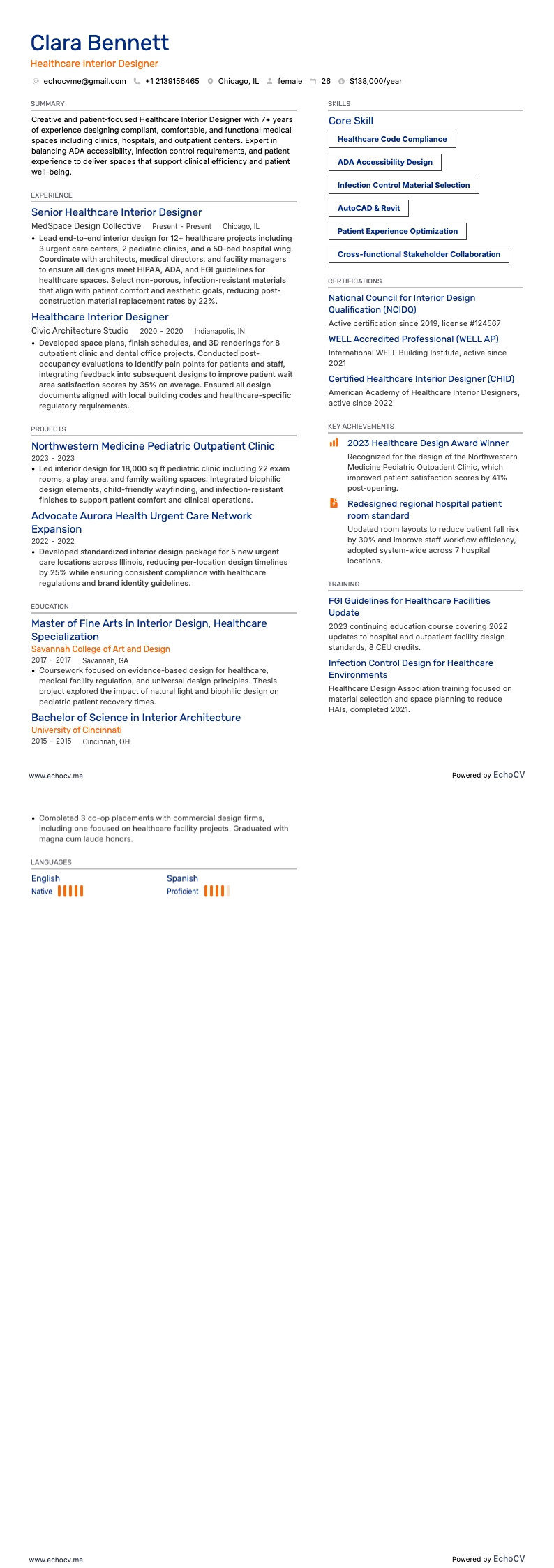
ヘルスケア向けインテリアデザイナー
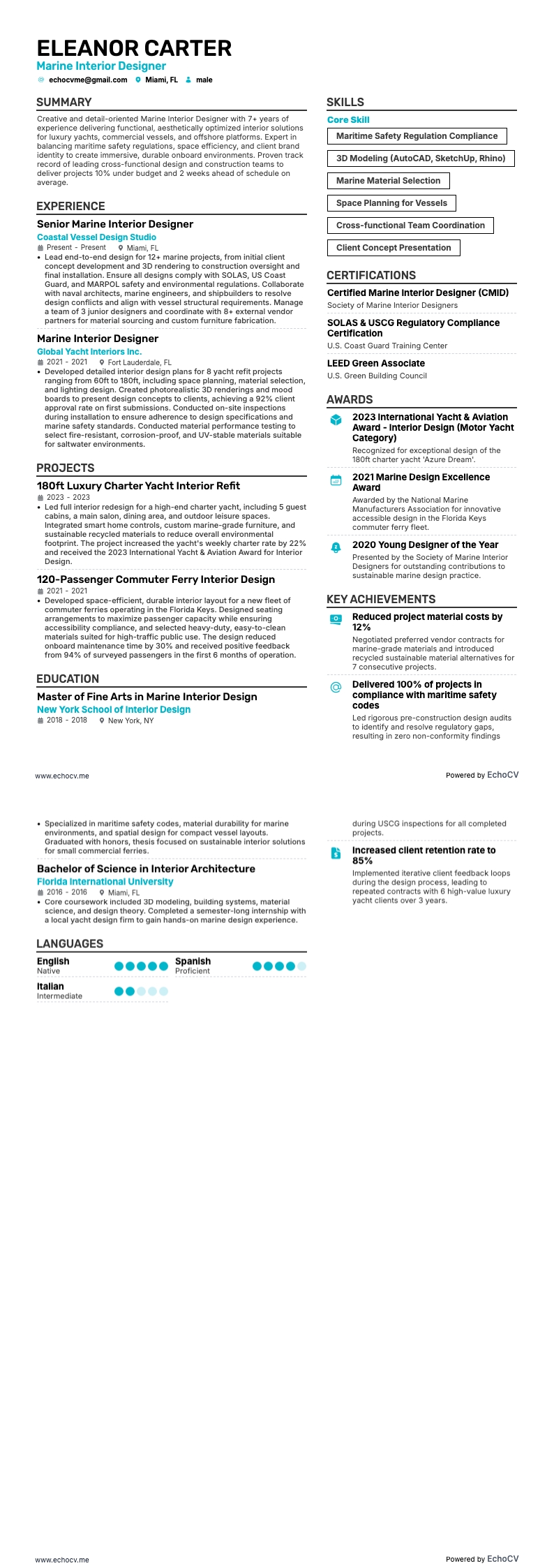
船舶インテリアデザイナー
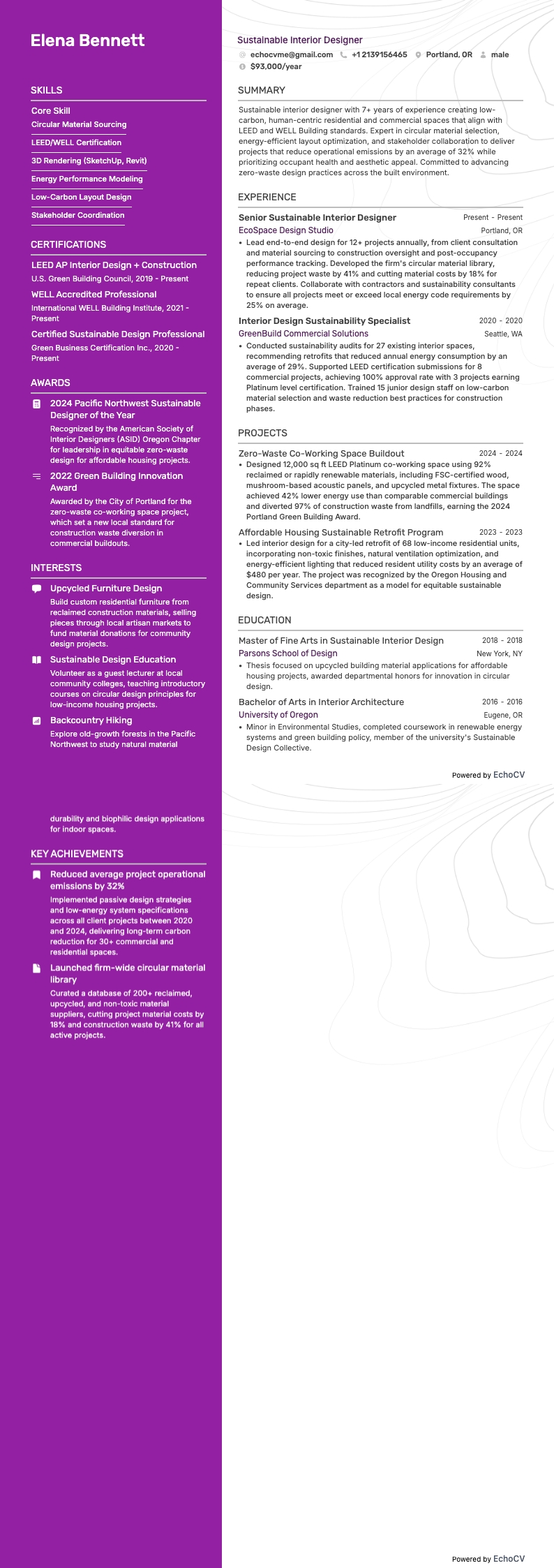
サステナブルなインテリアデザイナー
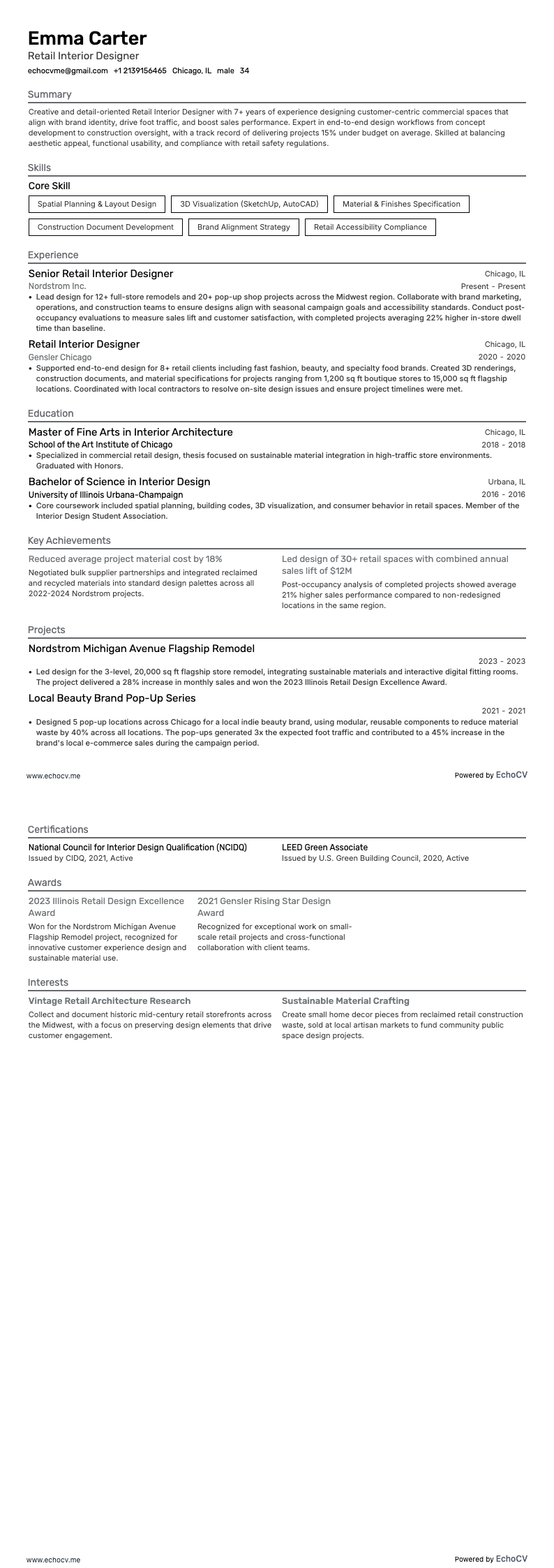
店舗インテリアデザイナー
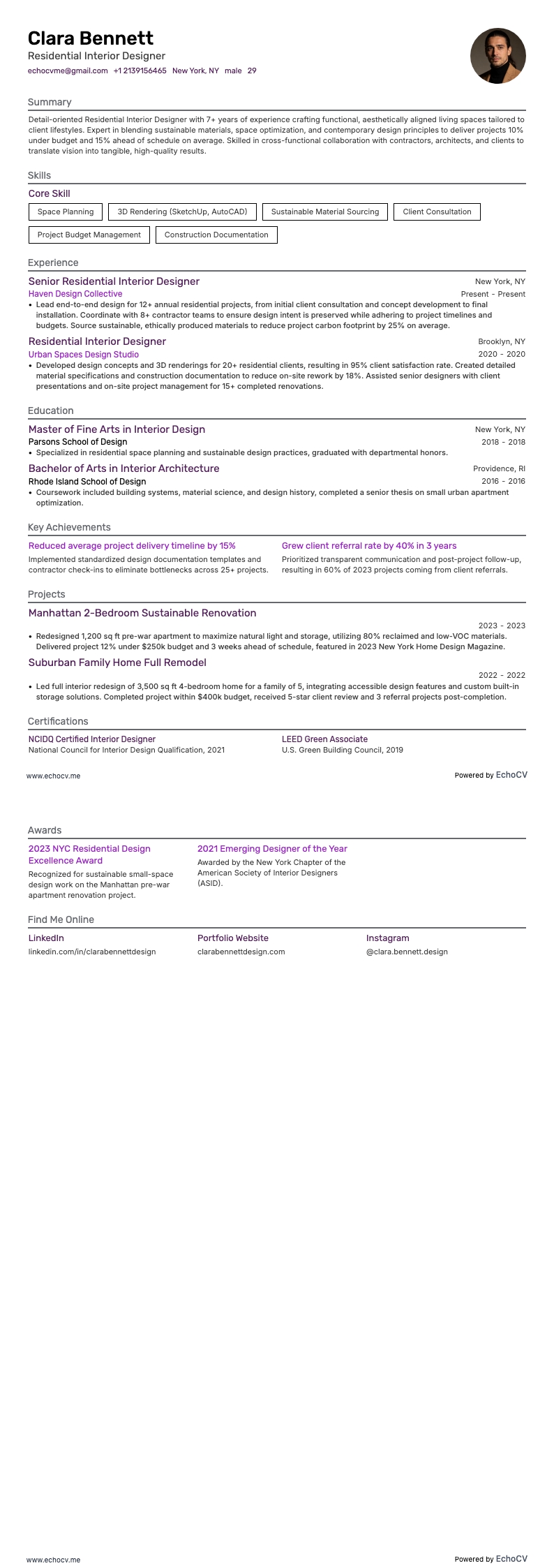
住宅インテリアデザイナー
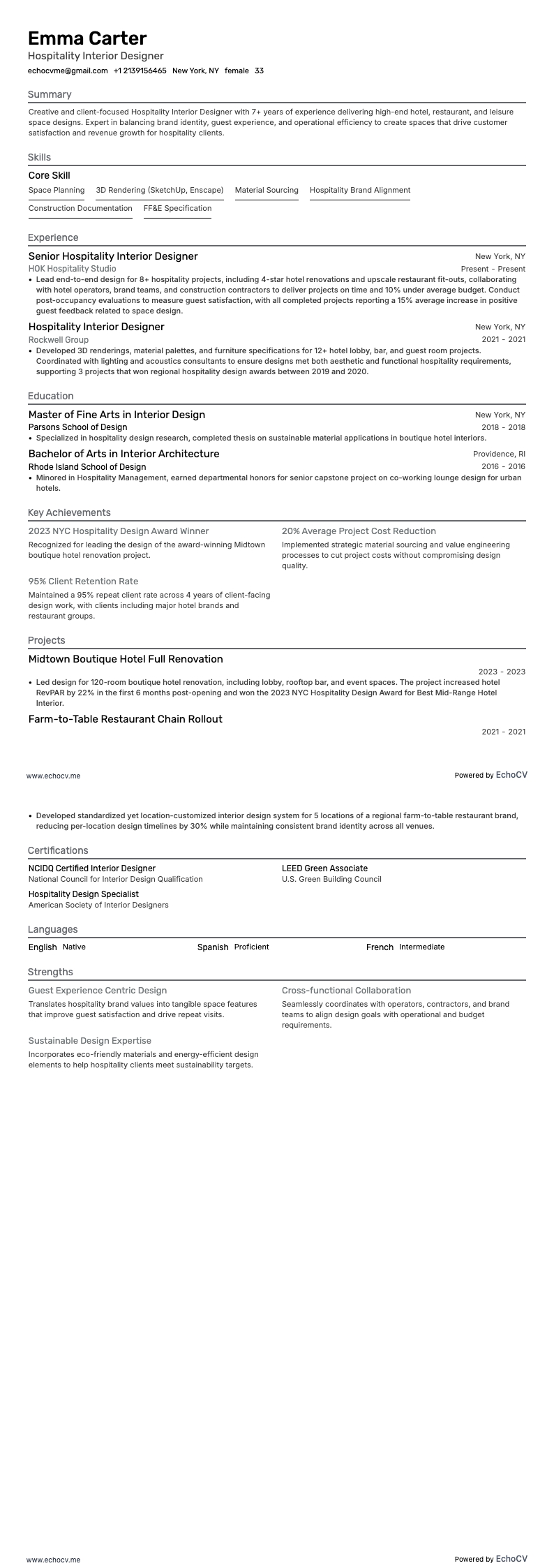
ホスピタリティ空間インテリアデザイナー
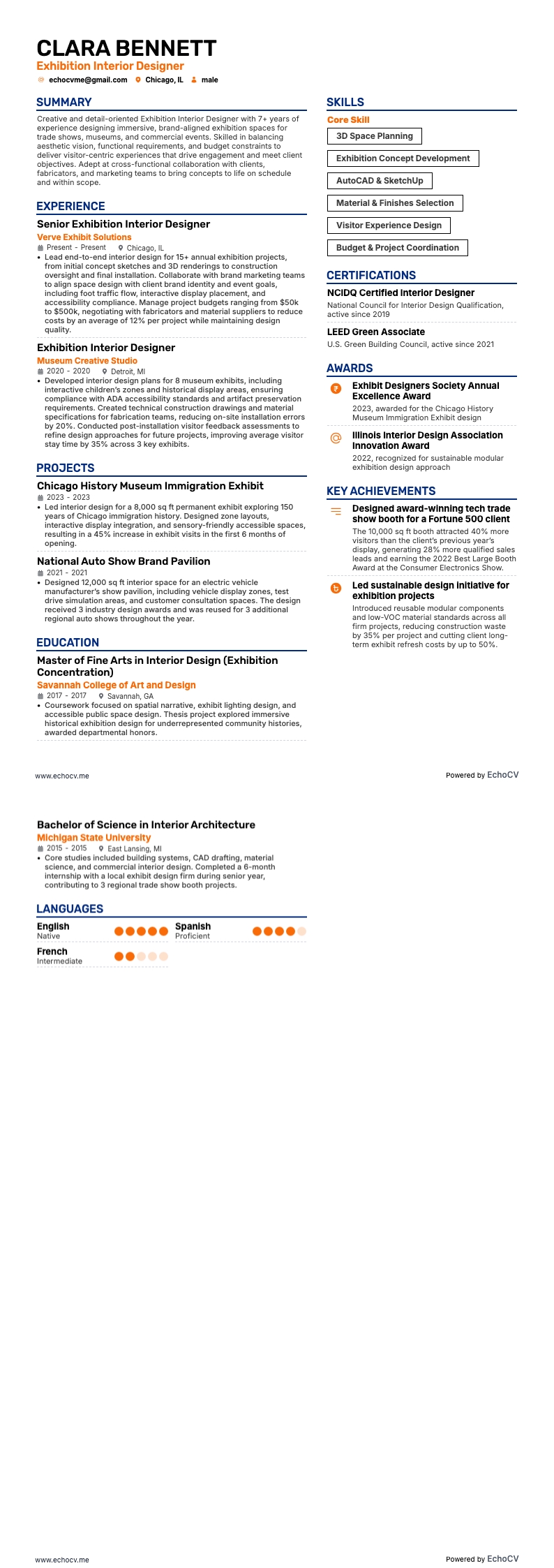
展示会インテリアデザイナー
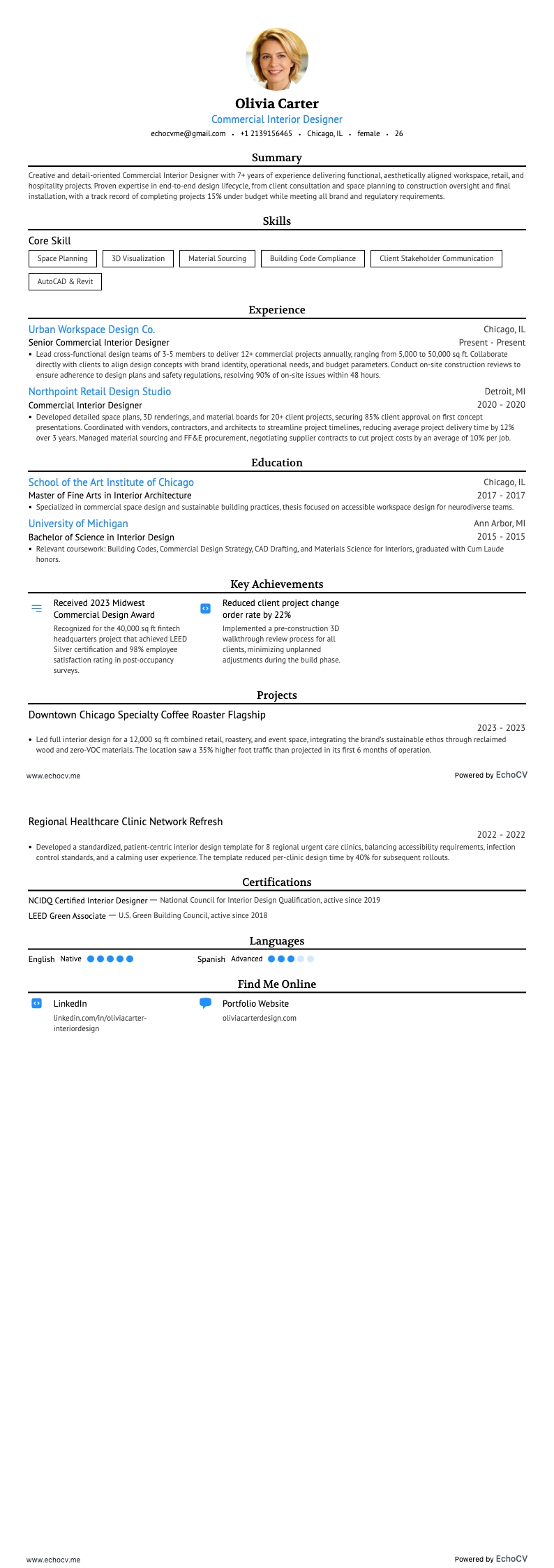
商業インテリアデザイナー
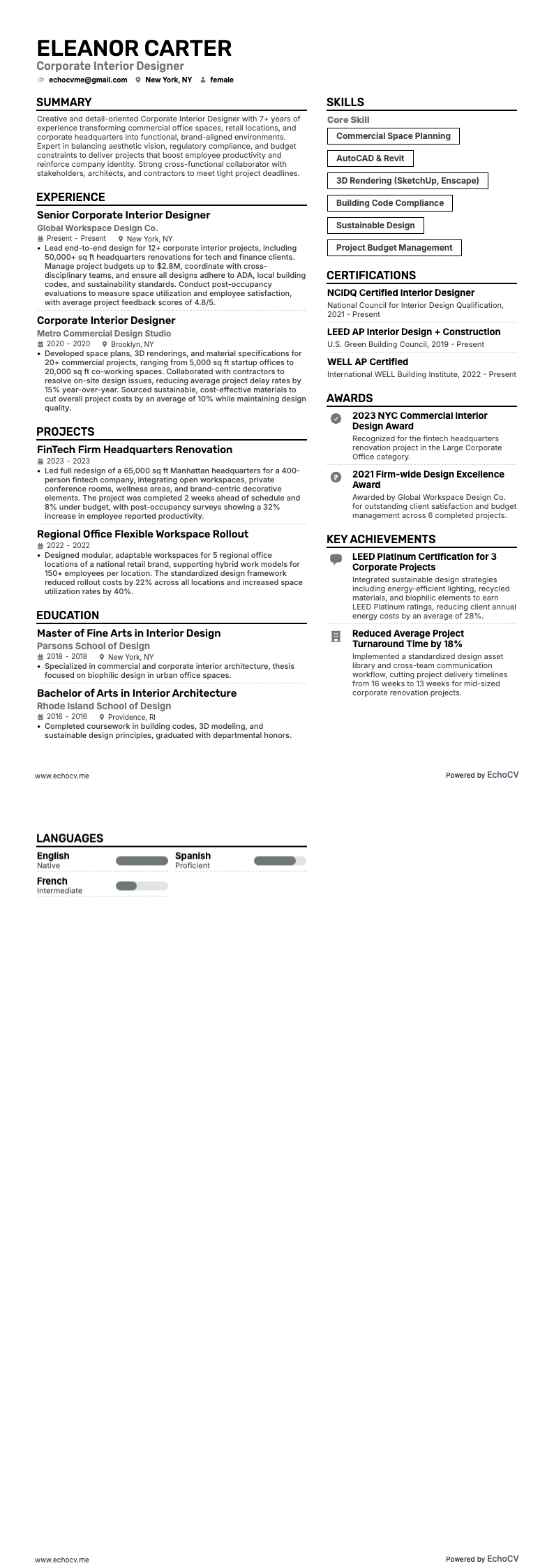
企業向けインテリアデザイナー
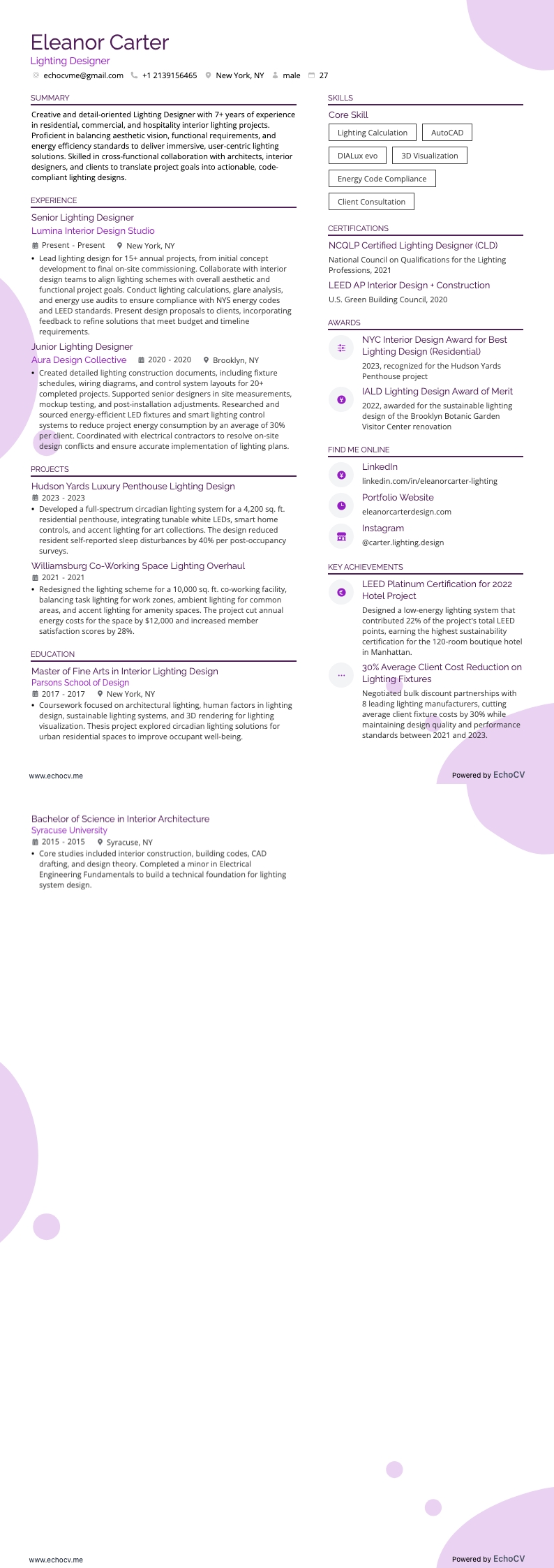
照明デザイナー
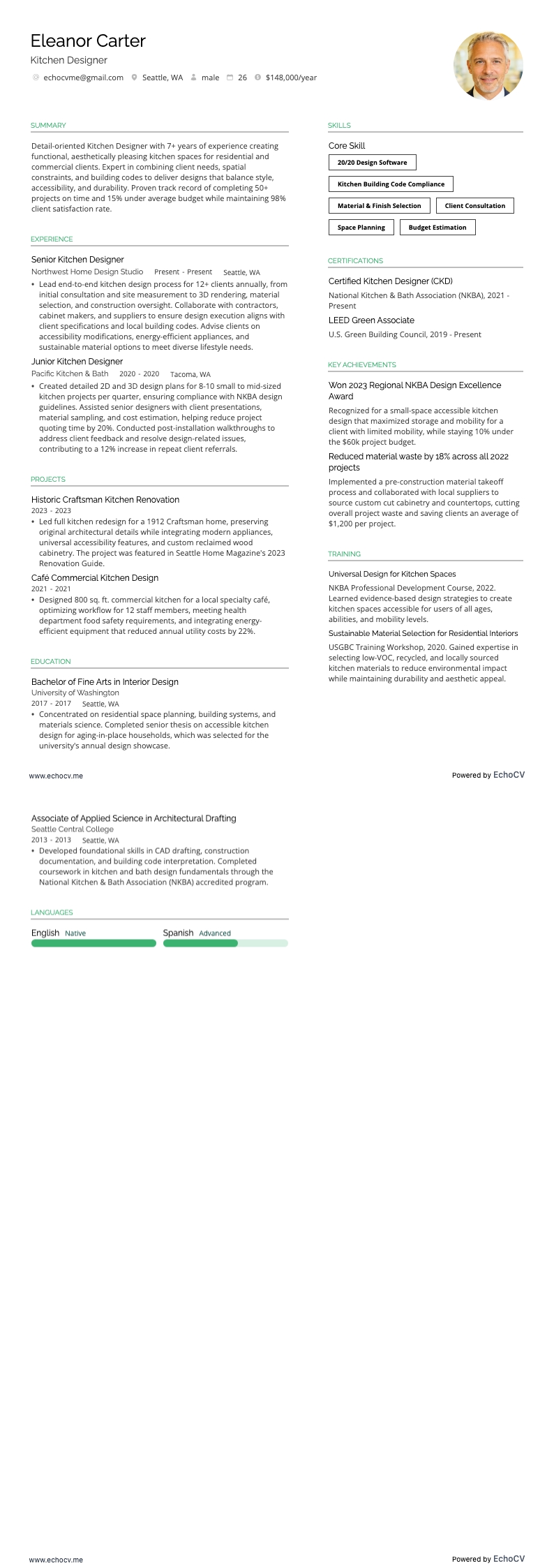
キッチンデザイナー
インテリアデザイナー 履歴書サンプル
さらに多くの インテリアデザイナー 履歴書サンプルとガイドを確認し、経験レベルや職種に合う内容を見つけましょう。
経験別
主任インテリアデザイナー
インテリアデザイナーアシスタント
主任インテリアデザイナー
中堅インテリアデザイナー
シニアインテリアデザイナー
未経験向けインテリアデザイナー
シニアインテリアデザイン
未経験向けインテリアデザイン
ジュニアインテリアデザイナー
インテリアデザイナー 履歴書サンプル
さらに多くの インテリアデザイナー 履歴書サンプルとガイドを確認し、経験レベルや職種に合う内容を見つけましょう。
職種別
フリーランスのインテリアデザイナー
インテリアデザインマネージャー
インテリアデザイン部長
コンサルタント インテリアデザイナー
ヘルスケア向けインテリアデザイナー
船舶インテリアデザイナー
サステナブルなインテリアデザイナー
店舗インテリアデザイナー
住宅インテリアデザイナー
ホスピタリティ空間インテリアデザイナー
展示会インテリアデザイナー
商業インテリアデザイナー
企業向けインテリアデザイナー
照明デザイナー
キッチンデザイナー