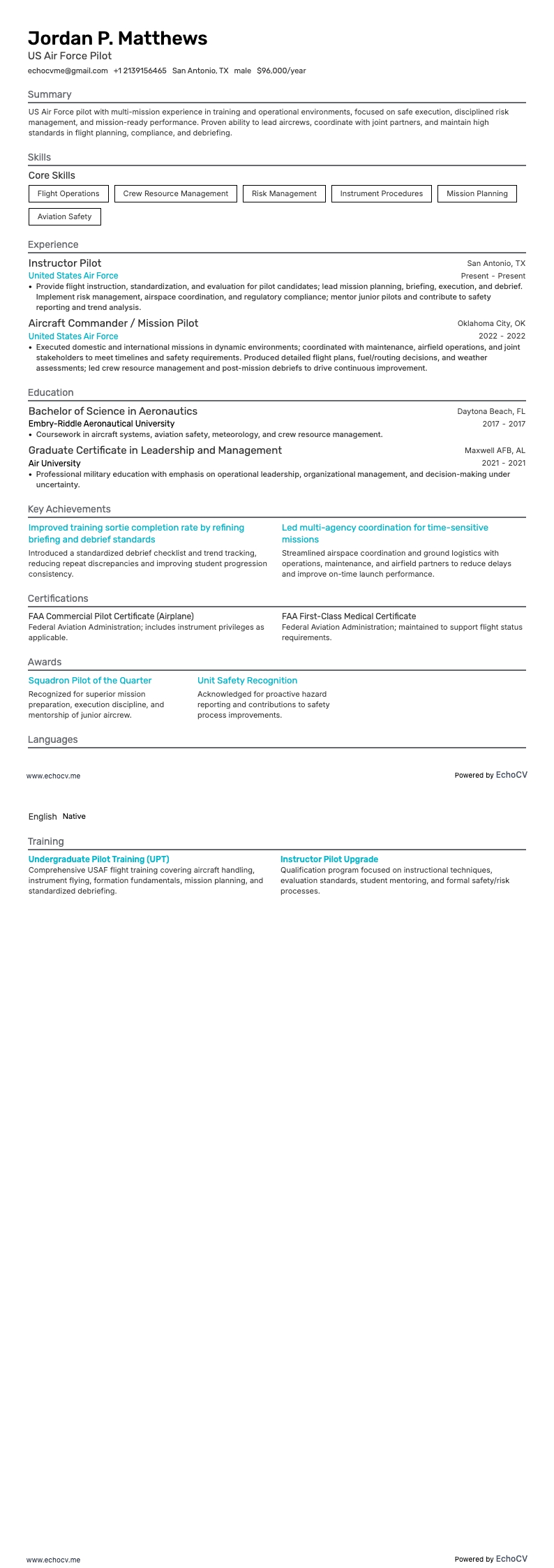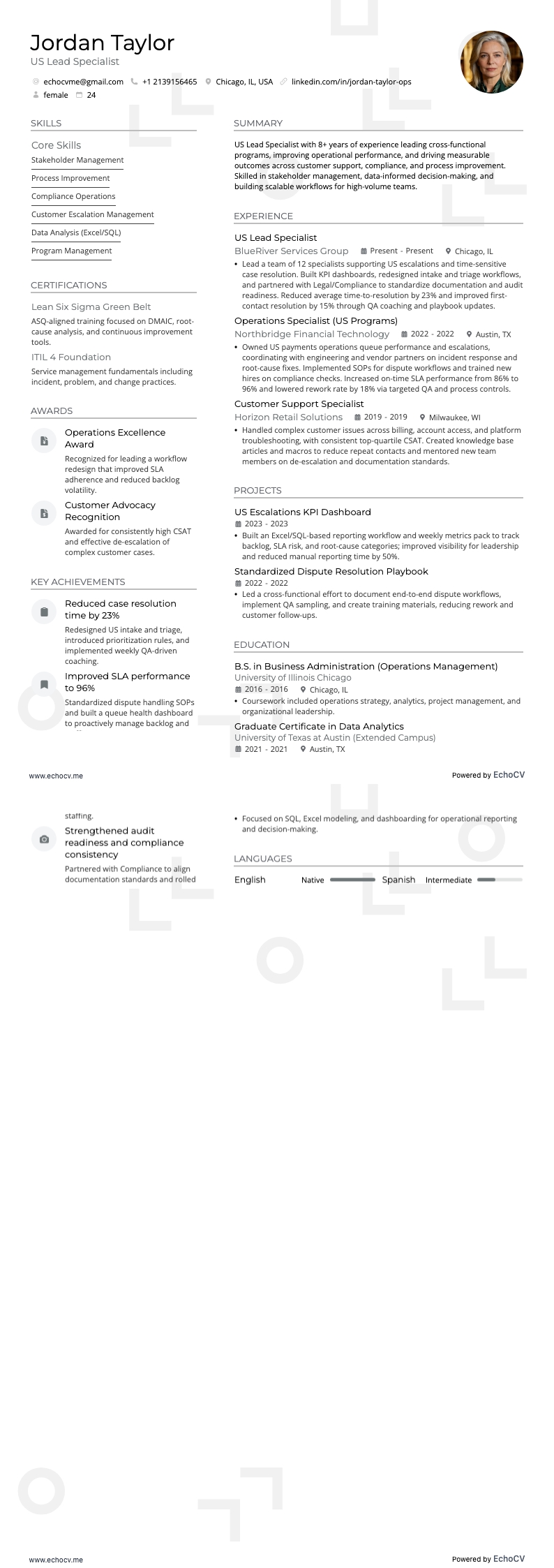
Anyone aiming to work in the United States or with US-based companies has to master the format and style of a US resume. International applicants often find it challenging to transition from the application procedures common in their home countries (mainly involving CVs), to the US-style resume. Additionally, US citizens must maintain an updated resume to quickly capitalize on job opportunities.
While resumes and CVs share similarities globally, differences in format, length, and content tailored to industry standards are essential in the US.
American resumes have extra requirements that can mean the difference between getting hired or getting your resume tossed to the side without a second glance.
This guide will help you write a job-winning resume that fits all the US resume standards. Here’s what we’ll cover:
- The importance of adapting your work experience to American recruitment standards and how it simplifies your job search.
- Tips for optimizing your resume with strategic keyword usage.
- Essential sections to include in your resume and additional sections that can strengthen your application.
- How to effectively present your skills in a US-format resume.
- Strategies for selecting the right content for your resume to ensure it’s concise, relevant, and engaging.
Before we begin, consider saving some of these resume tips for later review.
- How to Write a Great Resume
- Resume Tips and Advice
- Canadian Resume Format
- Resume Styles: The Best Choice for Your Needs
- Why Can’t I Find a Job?
- How to Know If a Job is a Scam?
- Background Check for Employment
- Chat GPT Resume Prompts
- Cover Letter Examples
Let’s dive in.
How to format your resume for the US job market
Compared to European CVs, American resumes are shorter (up to 2 pages) and easier to scan. In her book The Culture Map, Erin Meyer explains that the United States is a low-context culture where "good communication is precise, simple, and clear. Messages are expressed and understood at face value."
We can safely say that these communication specifics carry over into the professional context. If you’re coming from abroad and have a work visa, all you need to do is transfer your experience and achievements to a document that's well-organized and easy to understand.
The first step is to choose the right format for your US resume.
Types of US resumes
In the United States, the resume structure largely depends on how you prefer to list your work history. This will be defined by your level of experience. Below are the three most common formats in a resume:
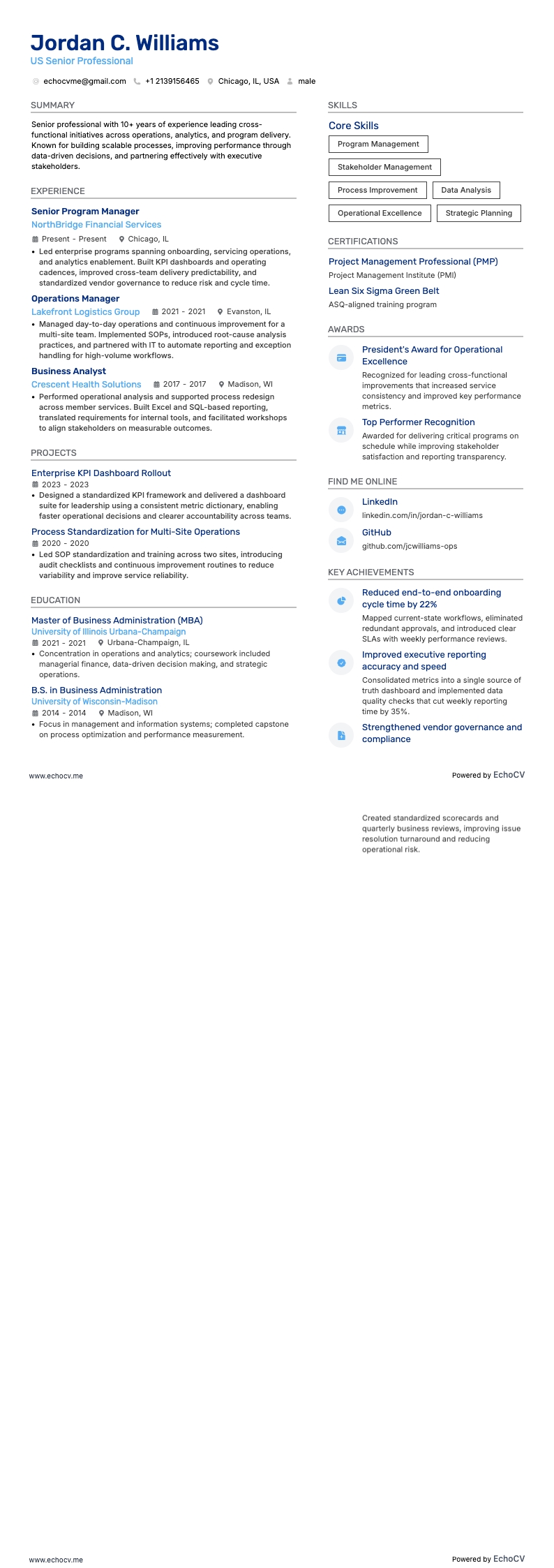
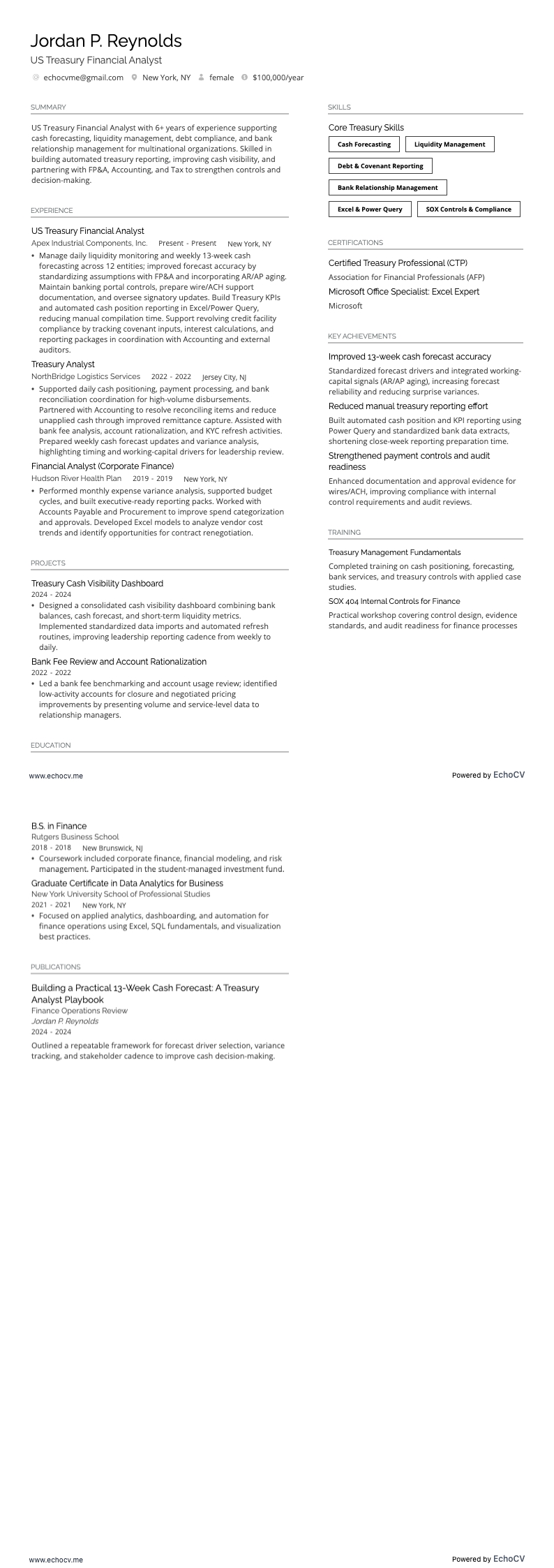
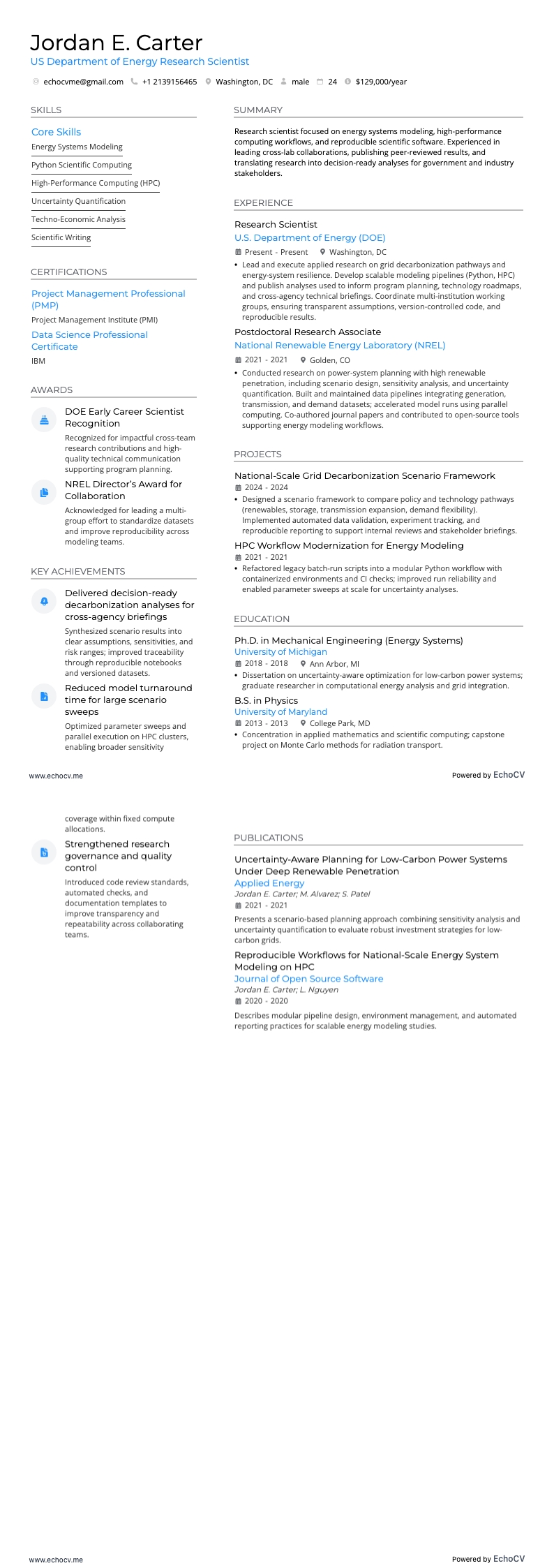
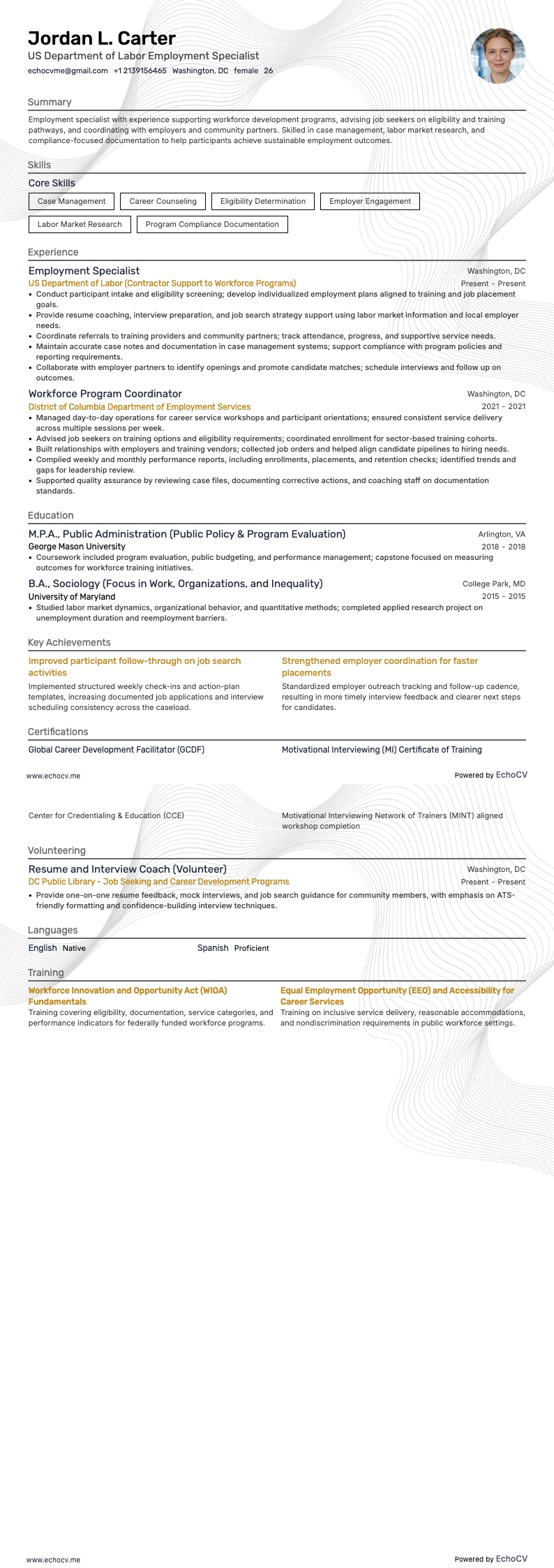
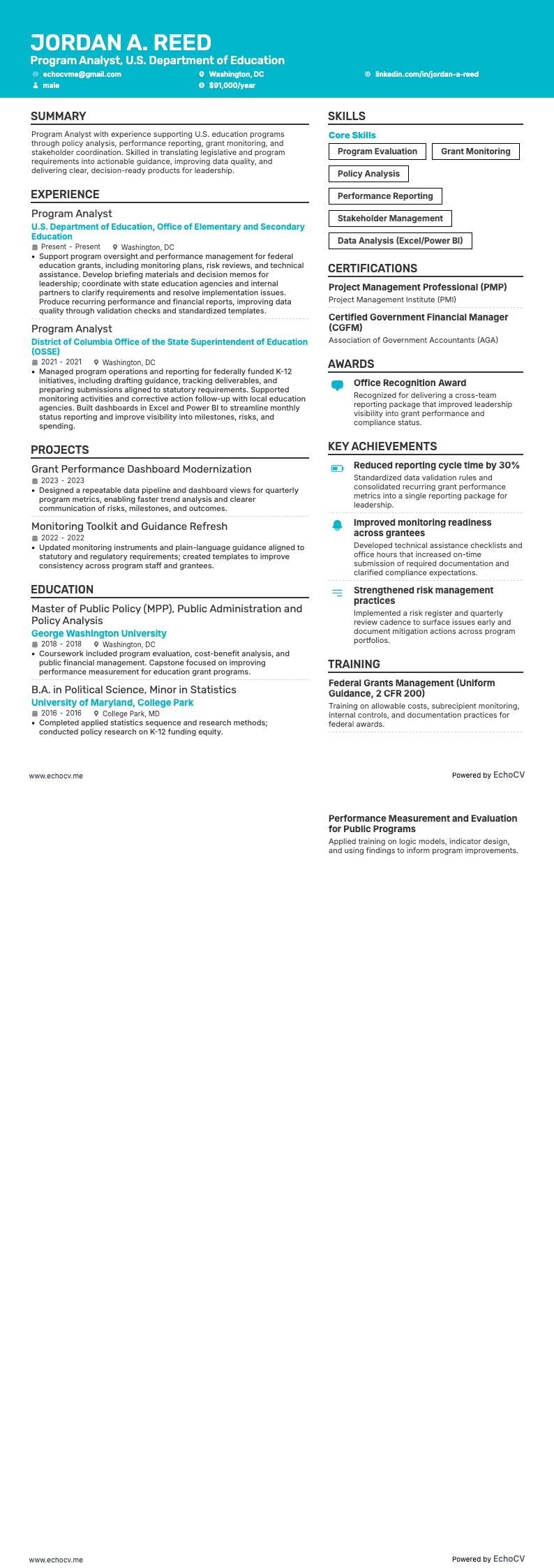
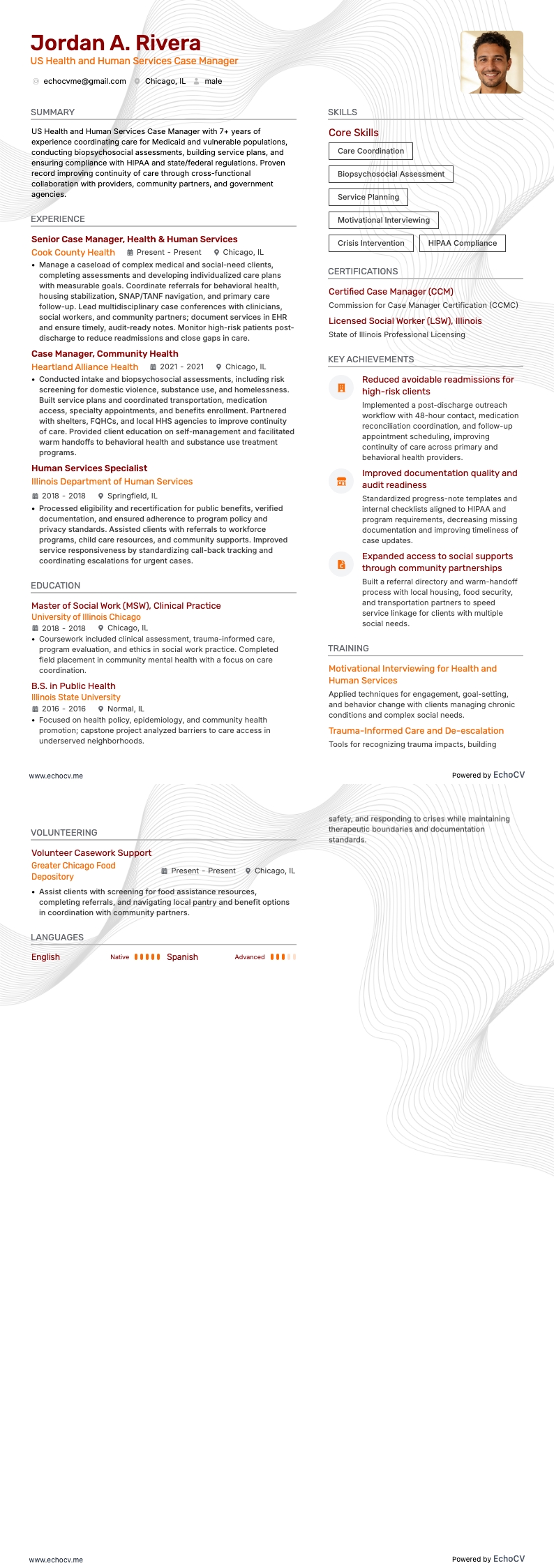
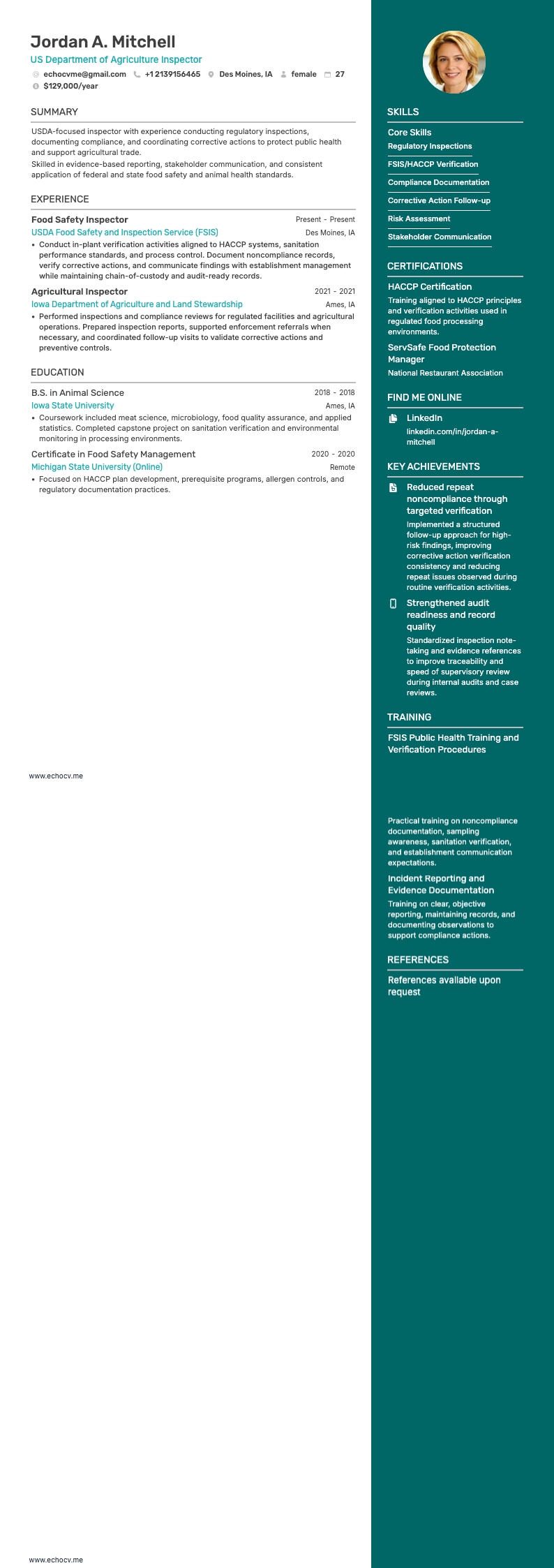
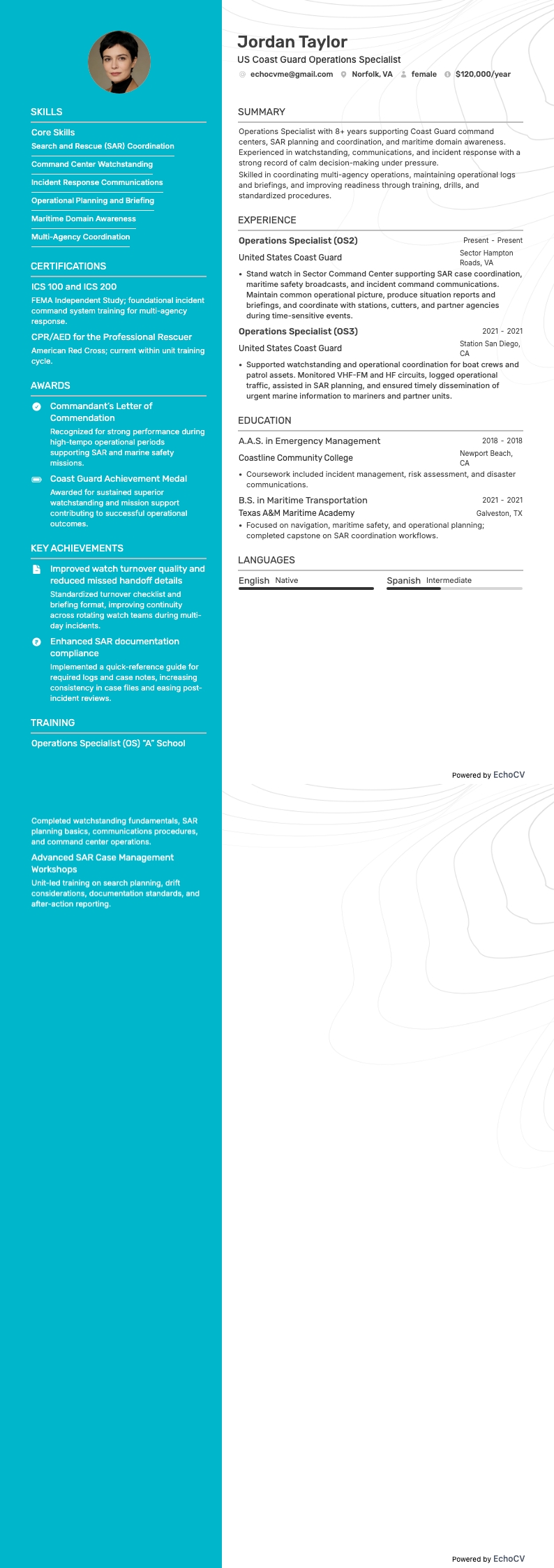
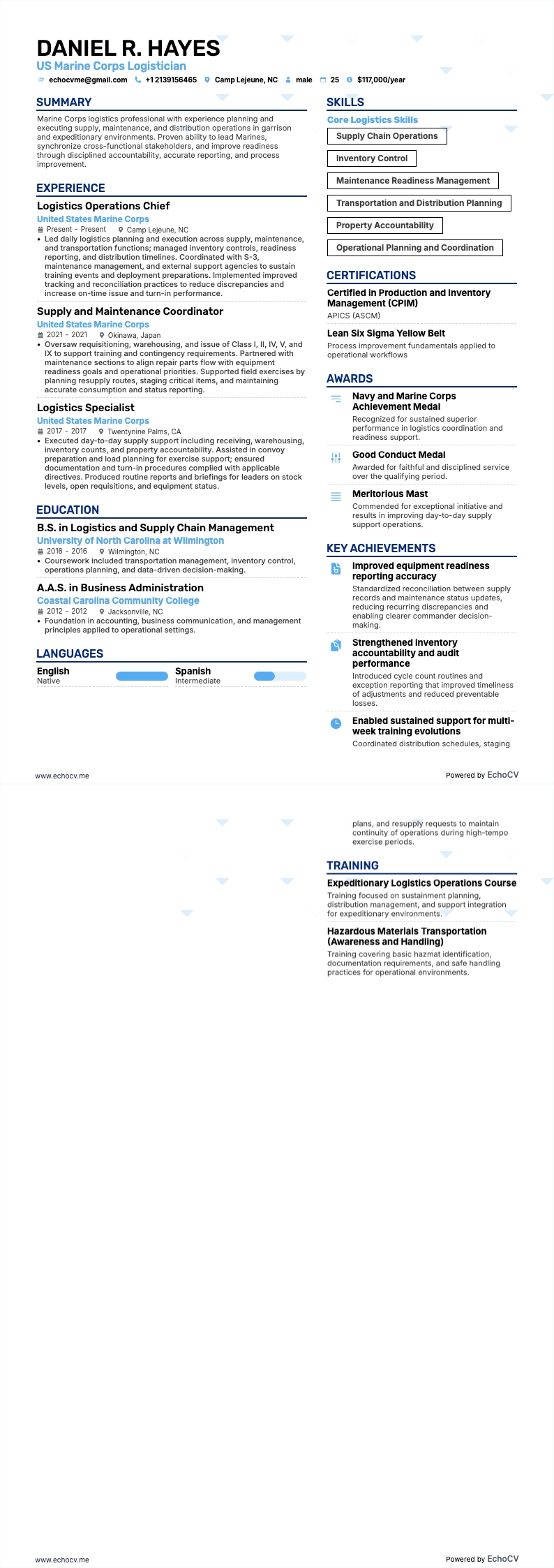
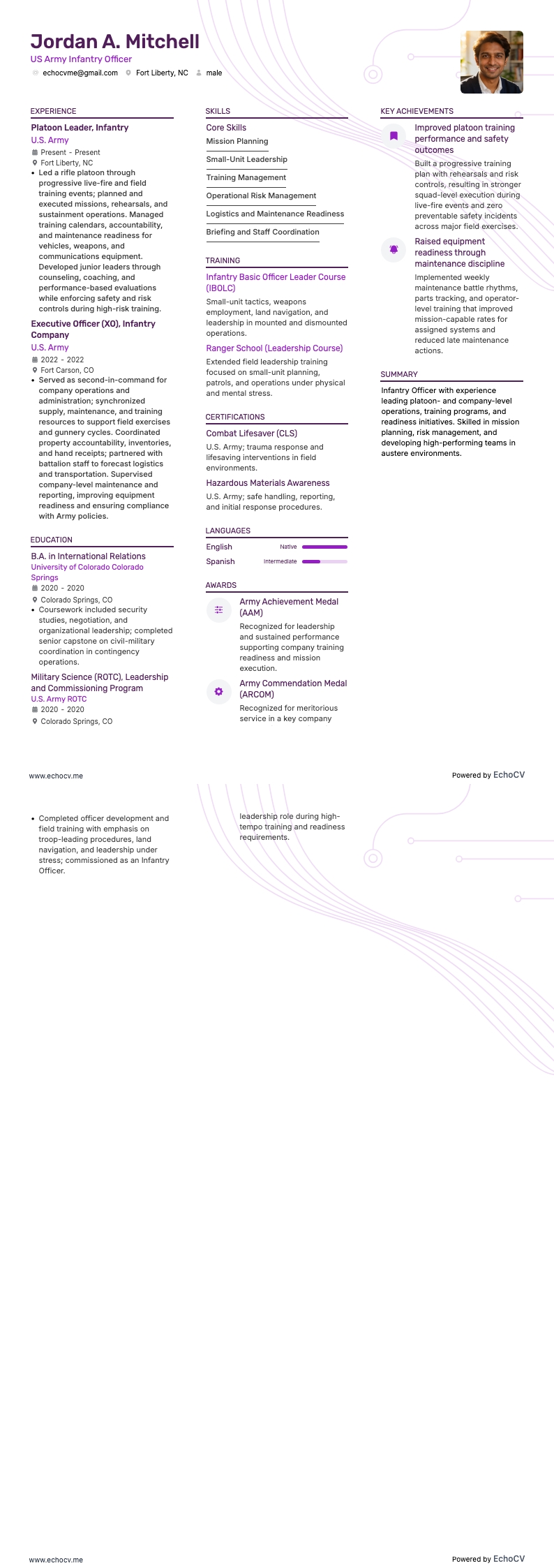
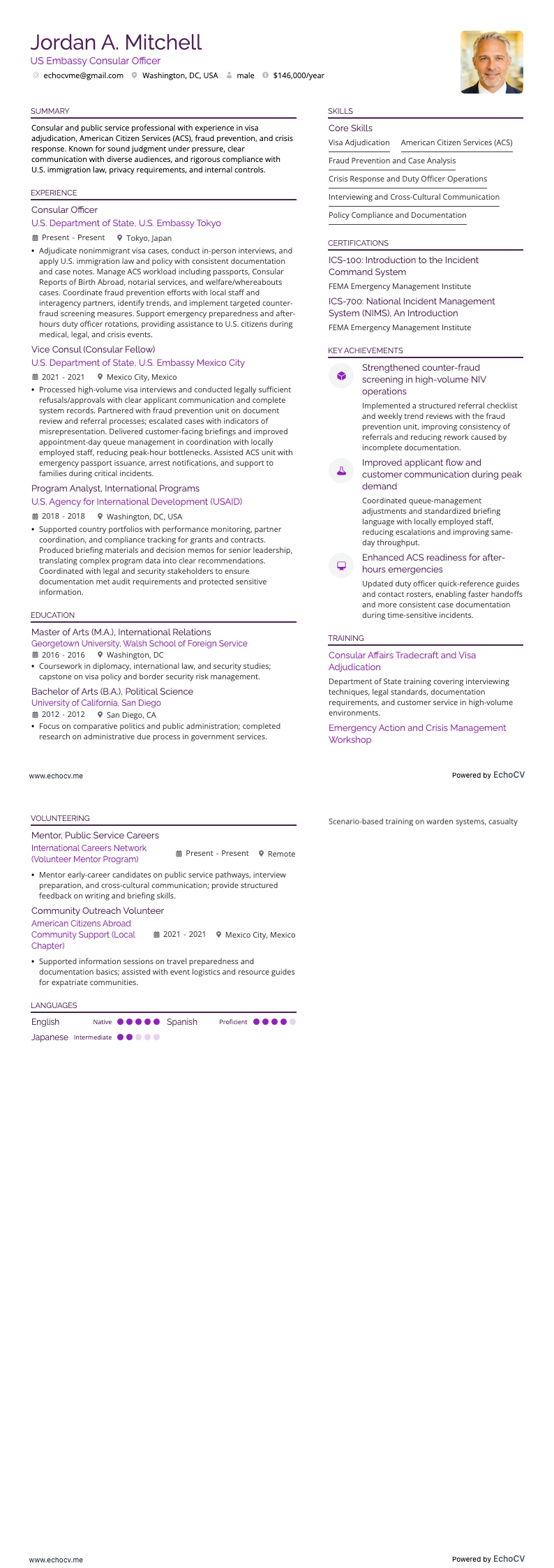
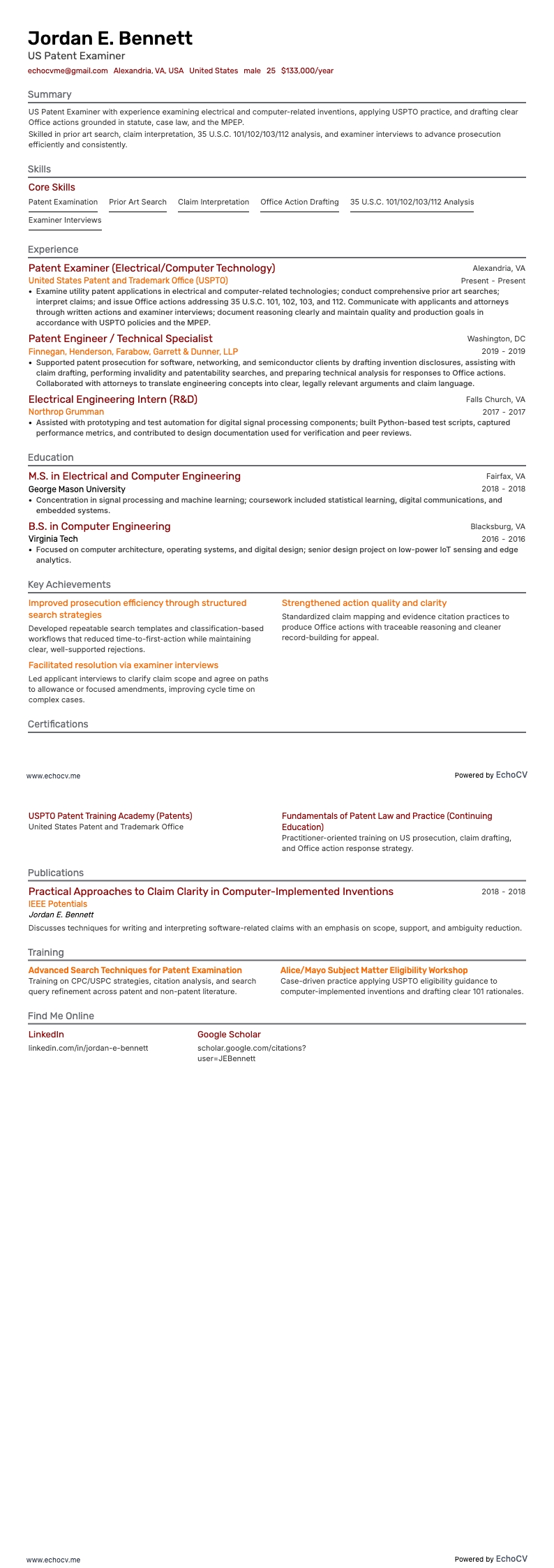
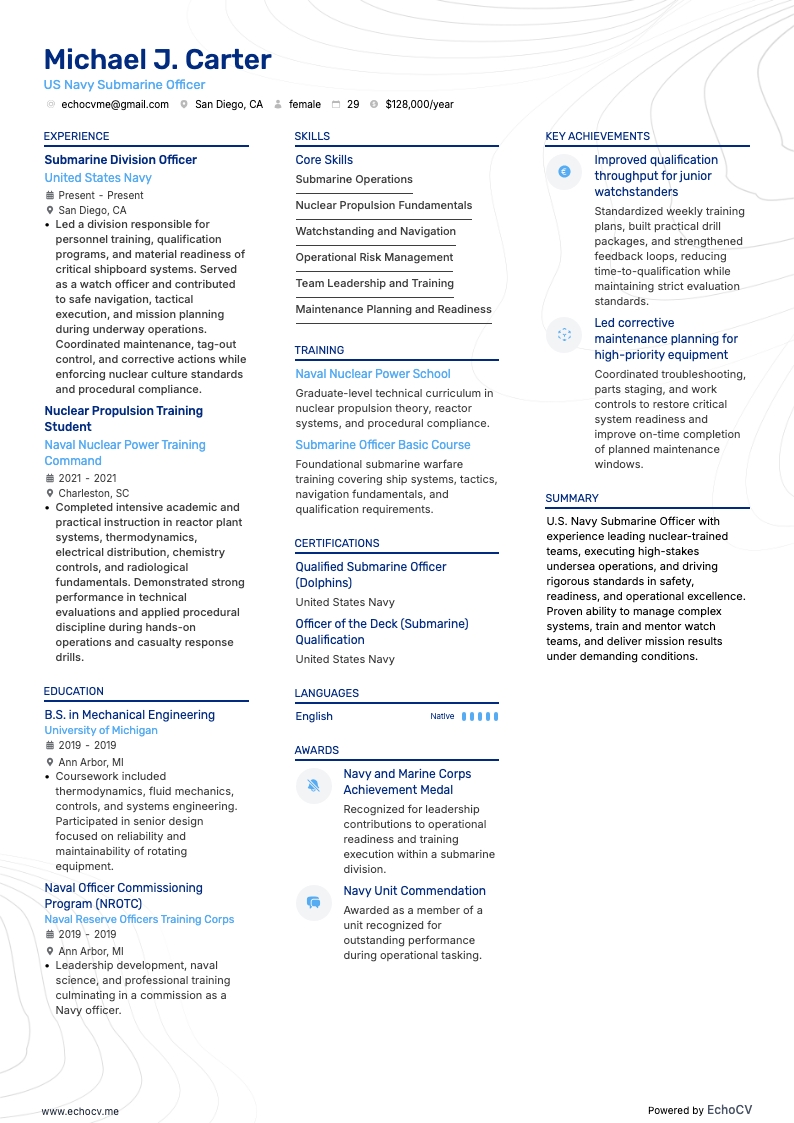
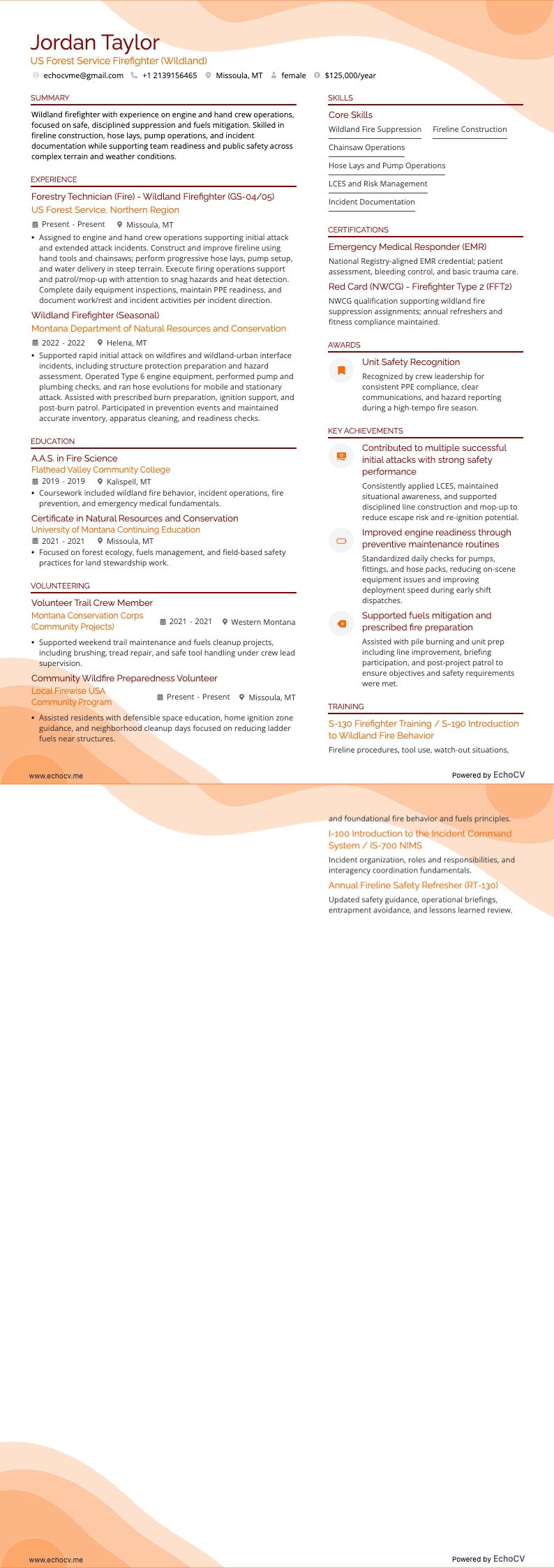
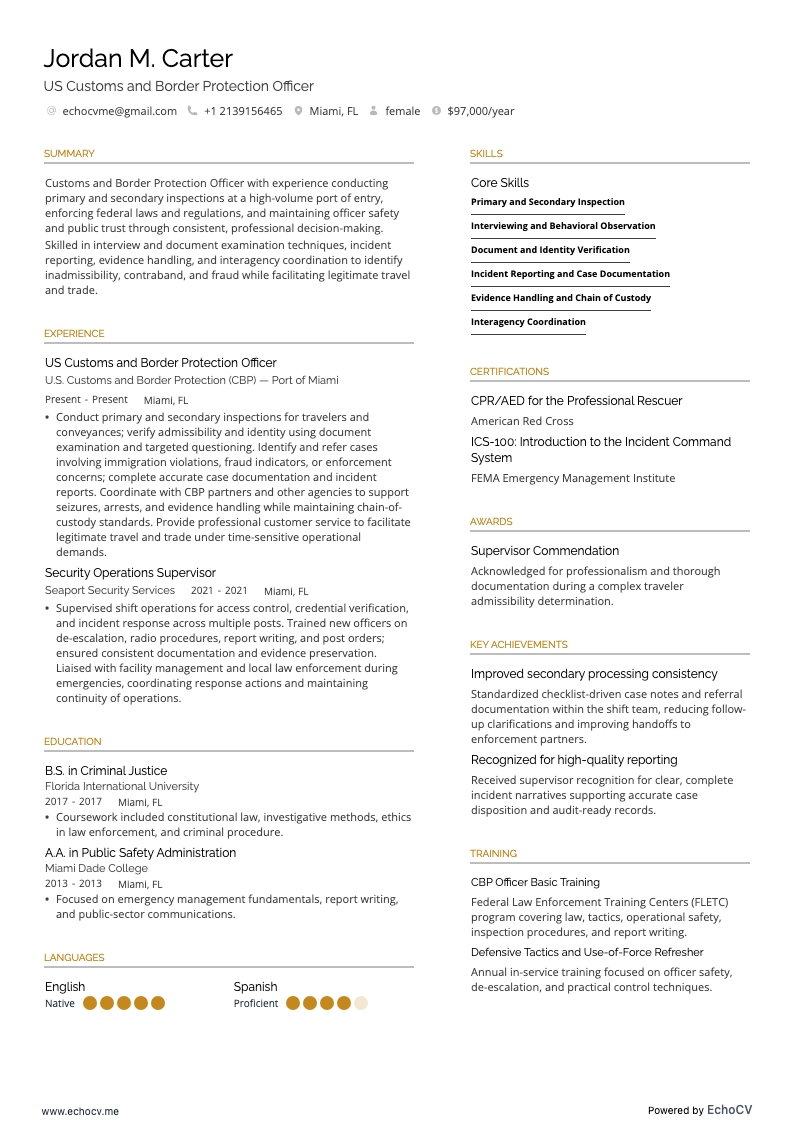
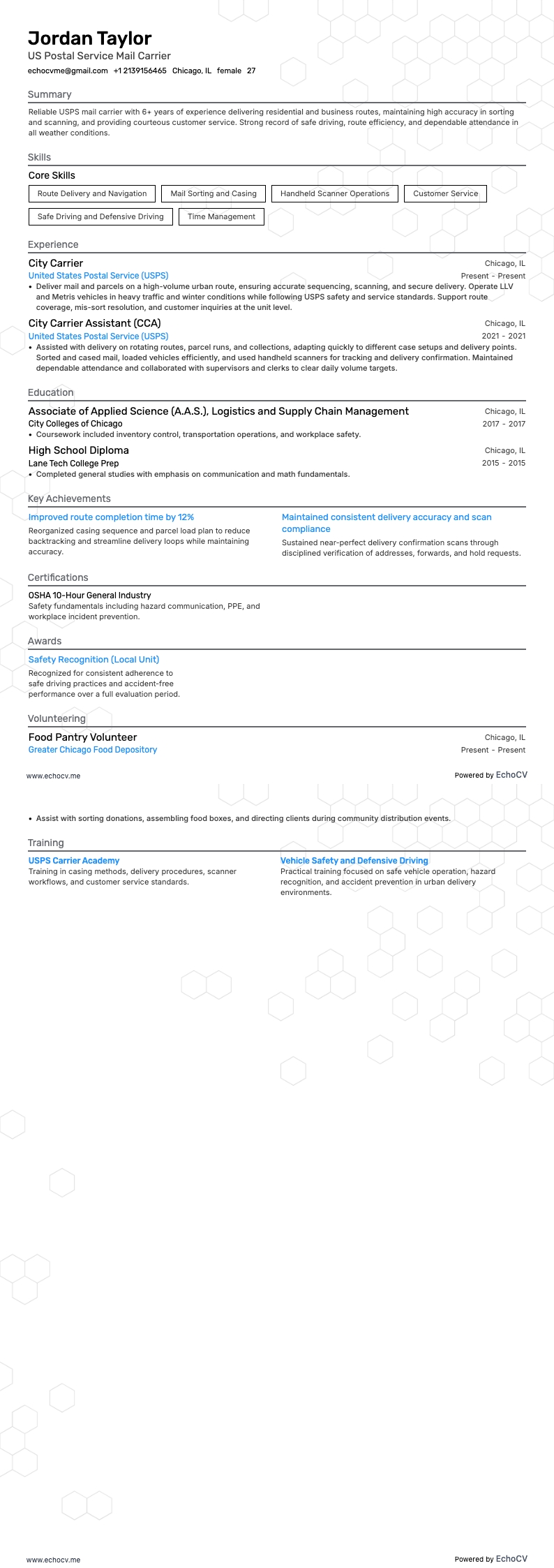
- Reverse chronological resume: This is the most traditional and commonly used resume format. It lists your work experience in reverse chronological order, starting with your most recent job at the top. It’s the best choice for those with a strong work history and progressive career growth in the same field. It’s also recruiters’ favorite as it allows them to see your career trajectory and longevity in particular roles or industries.
- Functional resume: Also known as a skills-based resume, this format focuses on your skills and abilities rather than your chronological work history. It's particularly useful for people who are changing careers, have gaps in their employment history, or are entering the workforce for the first time. The functional resume emphasizes what you can do and what you have learned, rather than where and when you worked.
- Combination (hybrid) resume: The hybrid layout combines elements of both the chronological and functional resumes. It starts with a section that highlights your skills and accomplishments (similar to a functional resume) followed by a detailed work history in reverse chronological order. This format is beneficial for those who want to showcase specific skills while also detailing their work history.