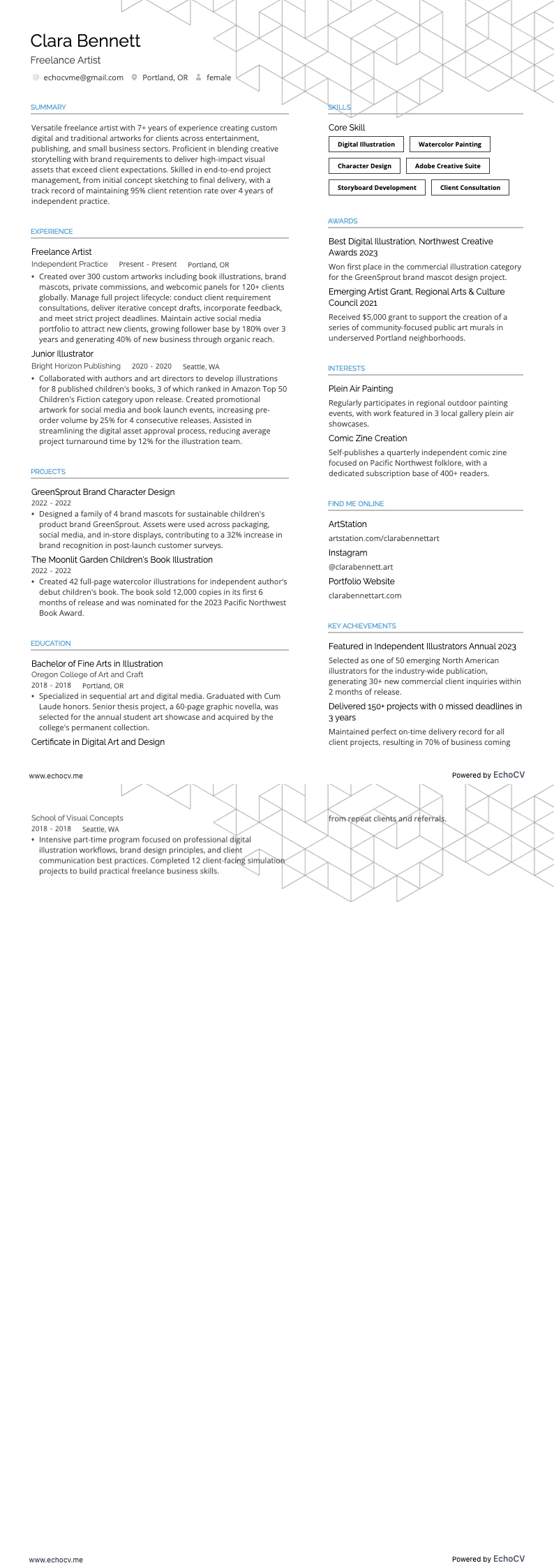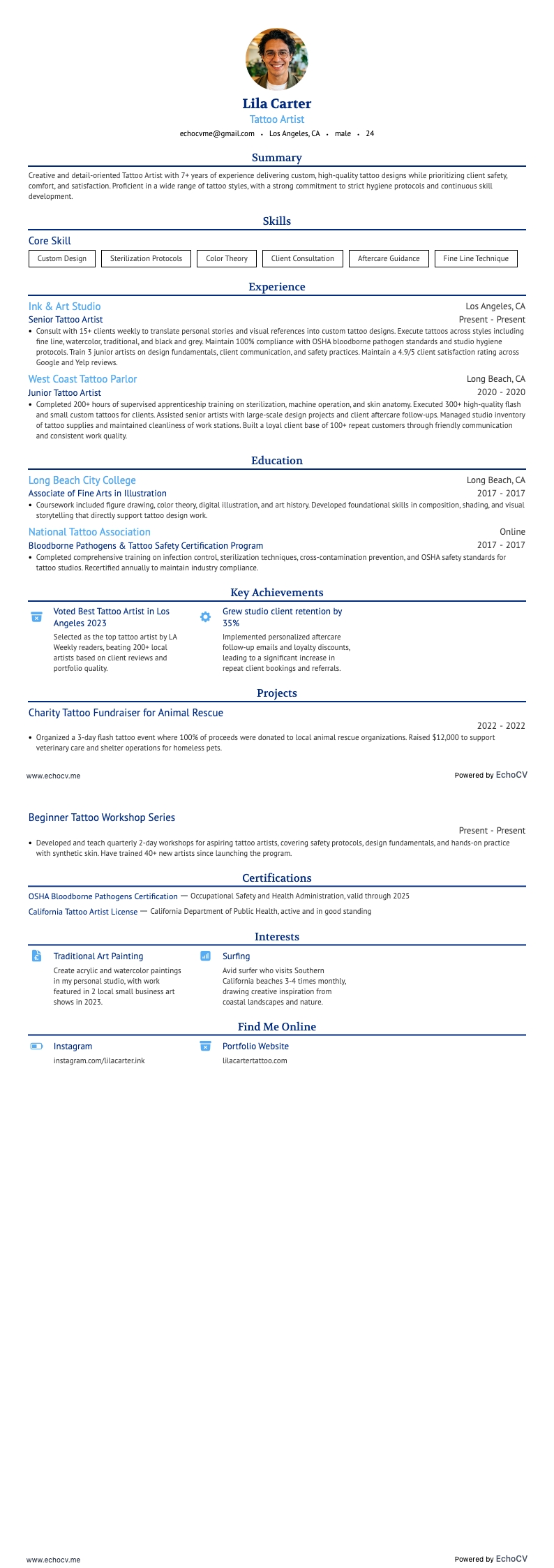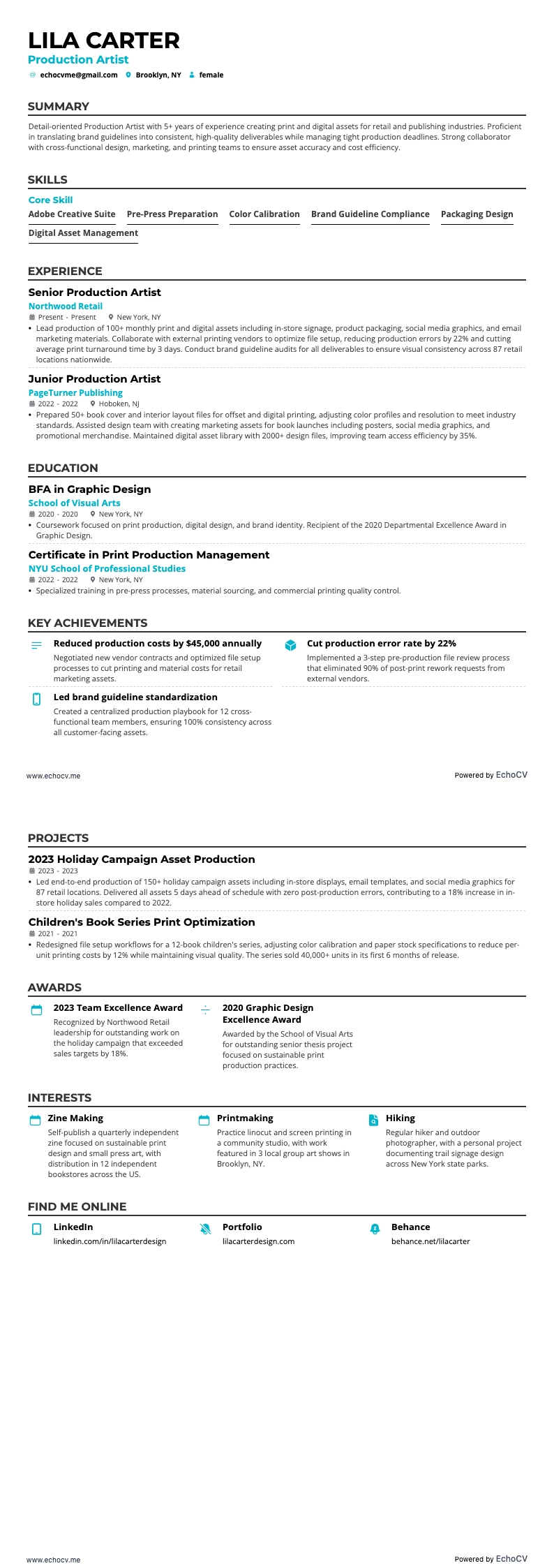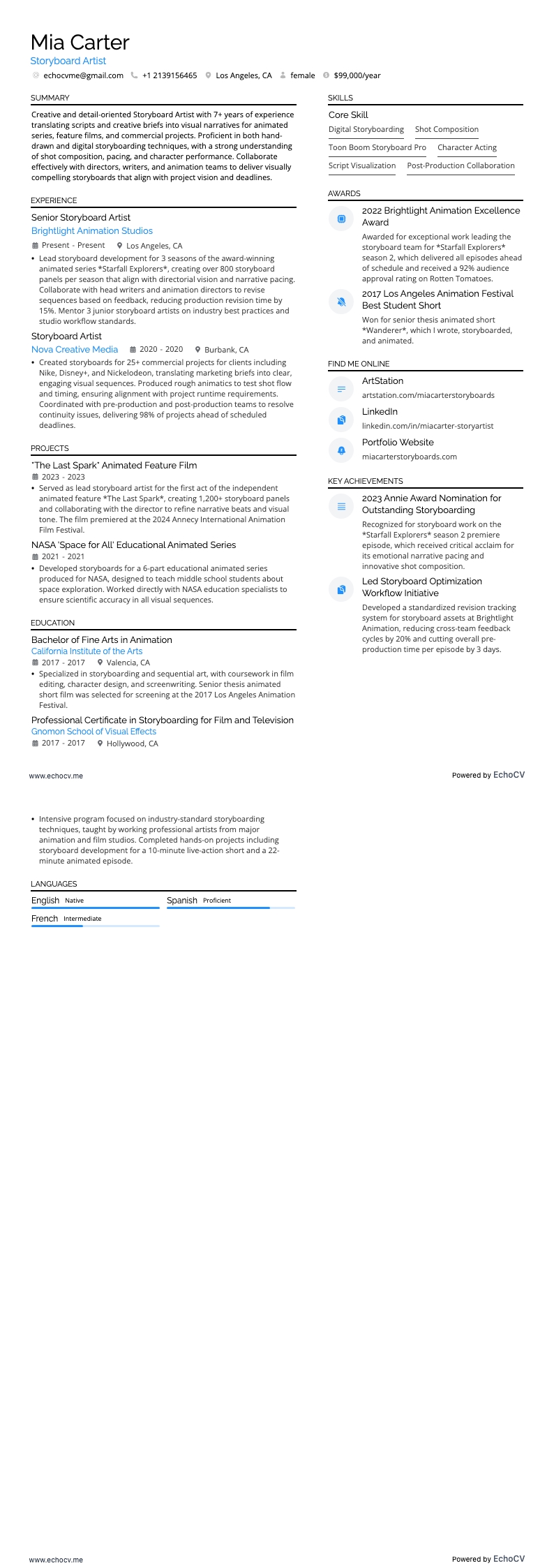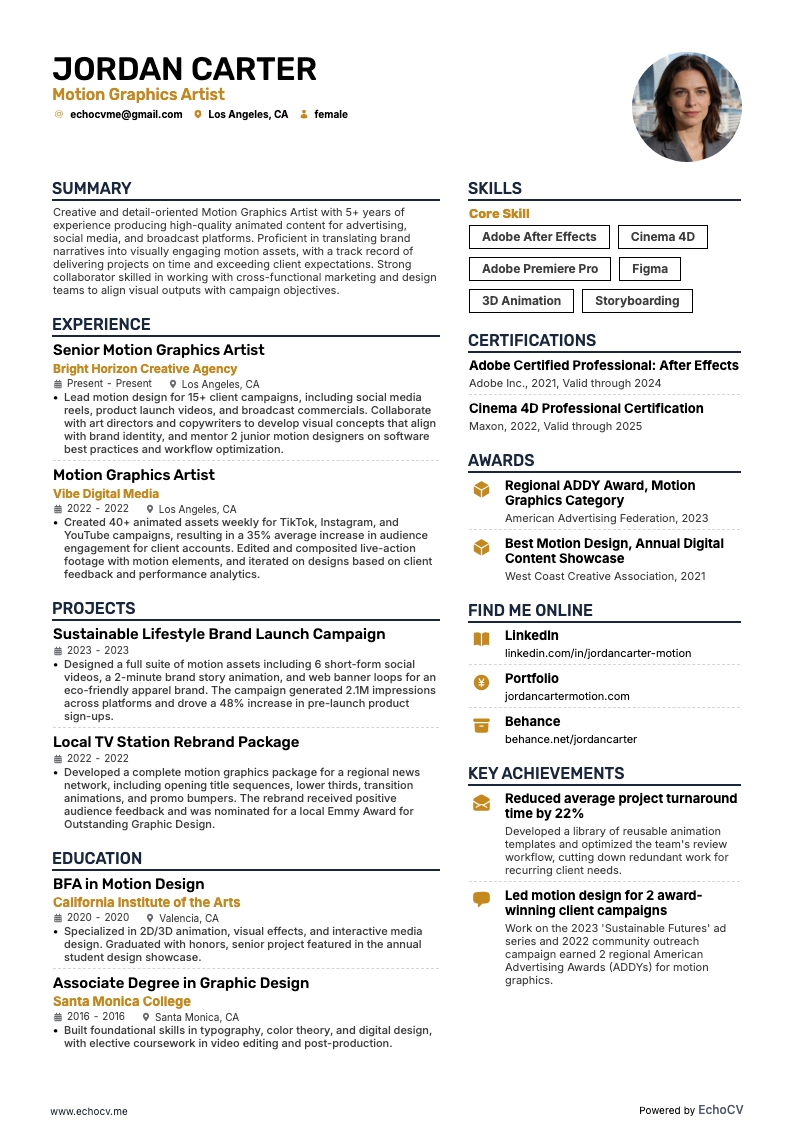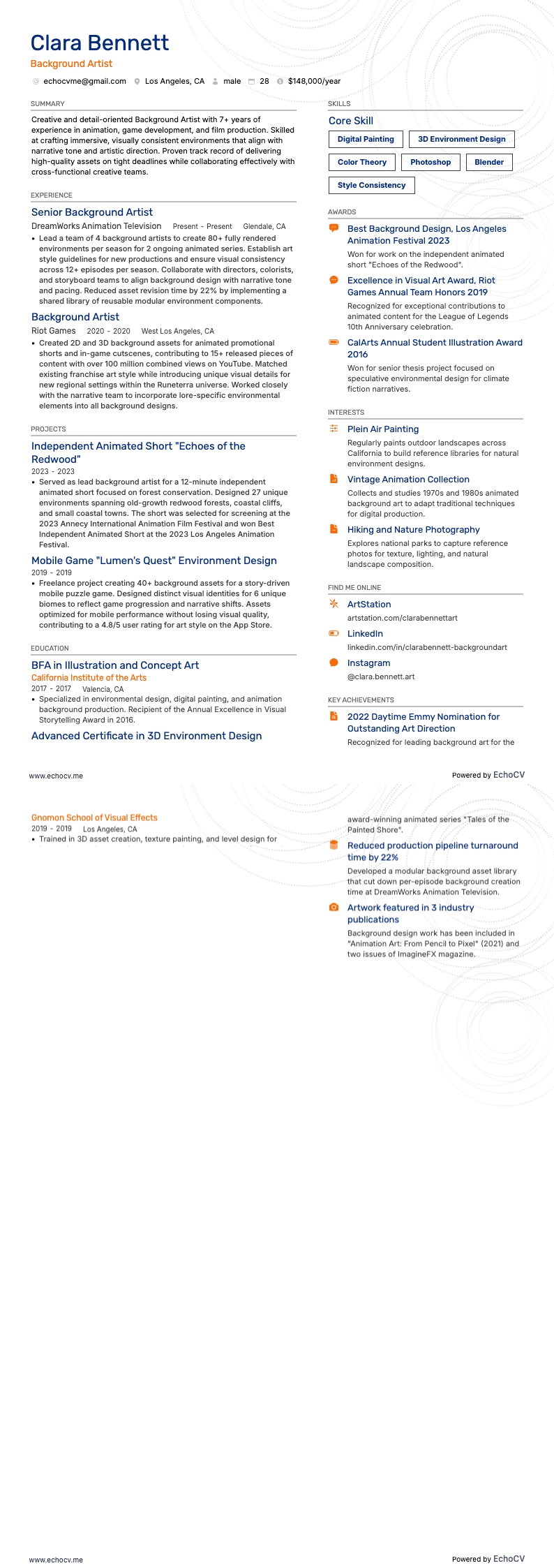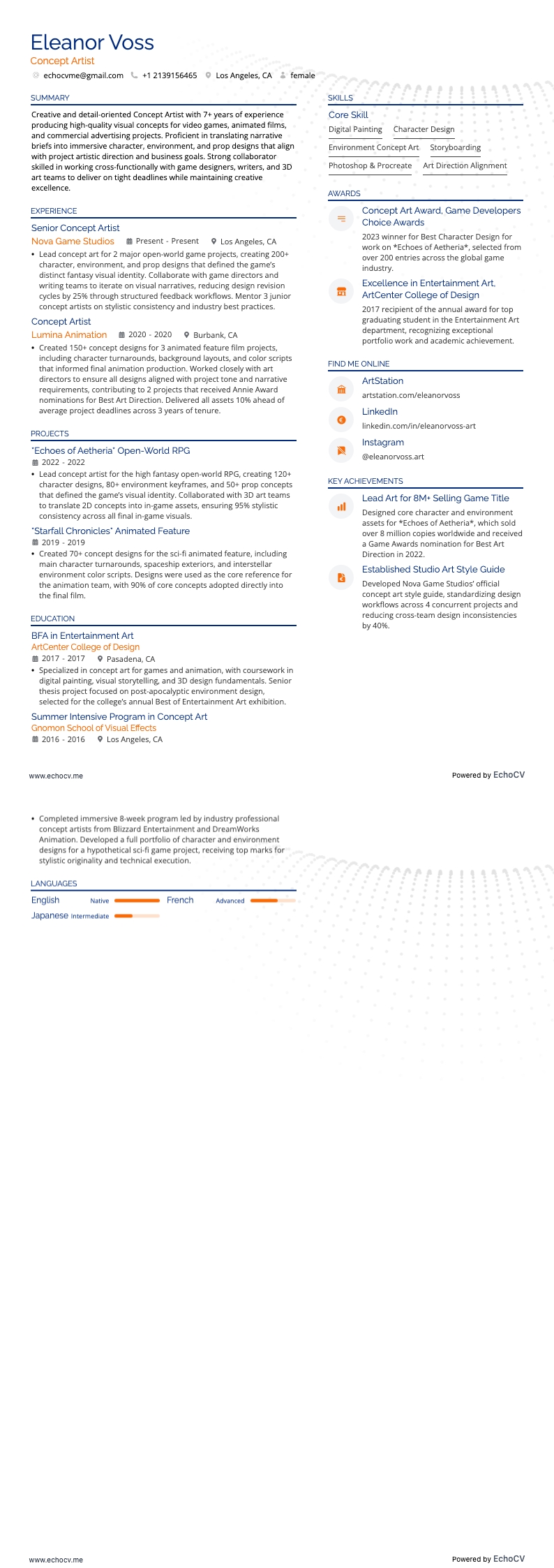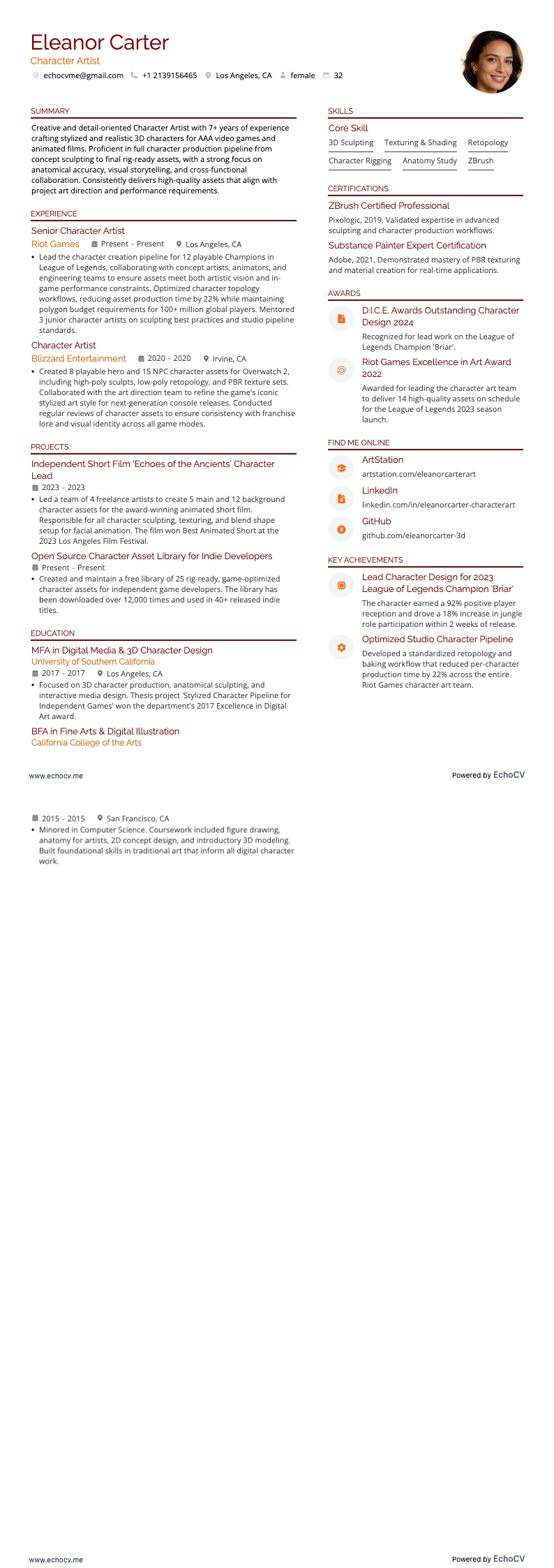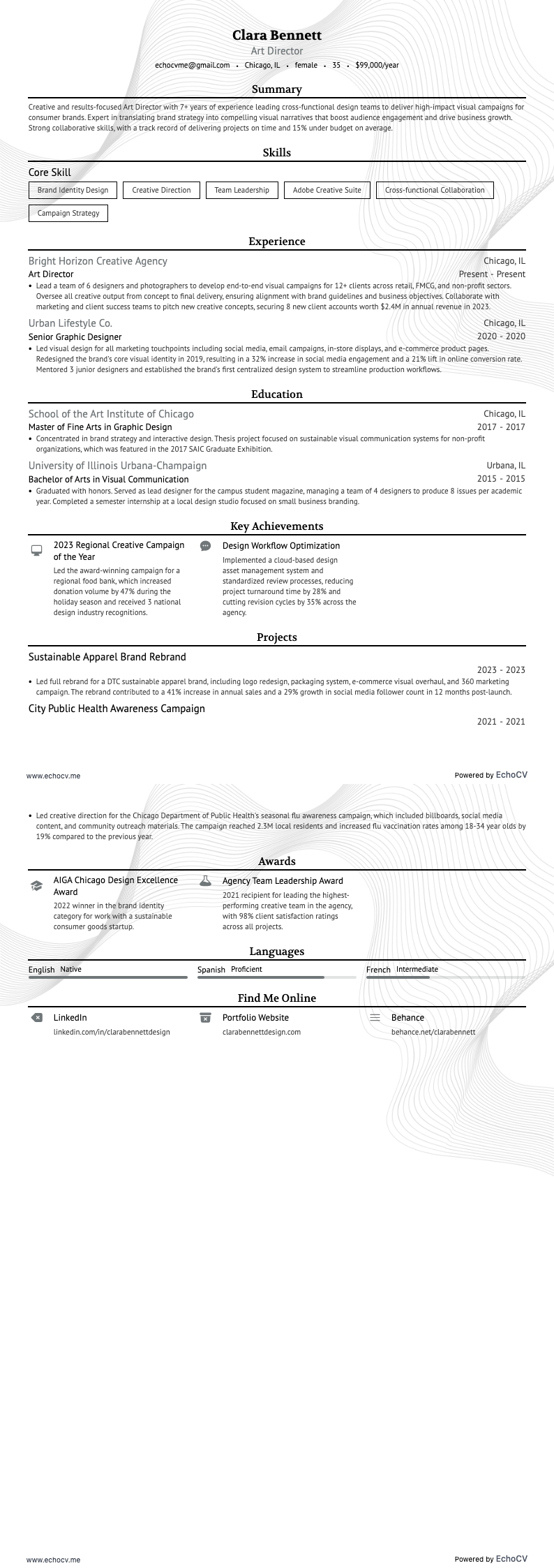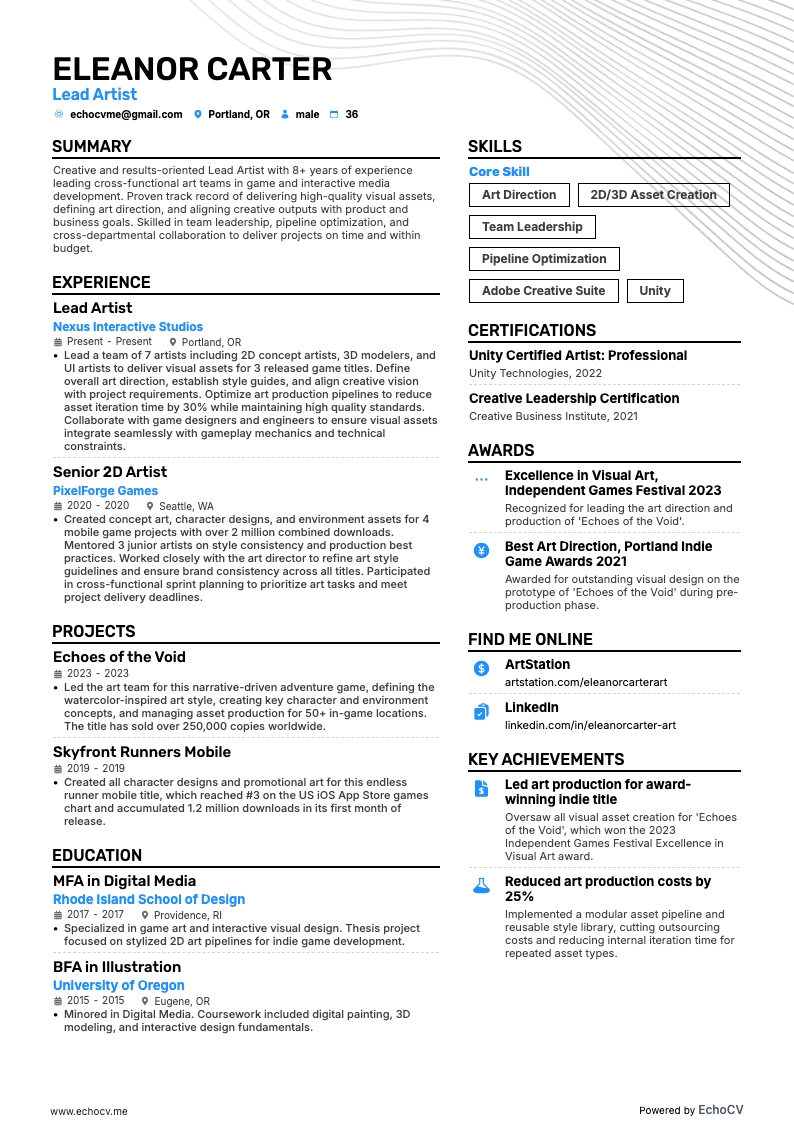
Artists span various disciplines, so there’s no one-size-fits-all approach to building an artist's resume. Much like professionals in other fields, you’d need a resume for a number of occasions such as applying for residencies or grants, juried exhibitions, or teaching workshops. But how do you fit an expansive career and diverse experiences on 1 or 2 pages? Enter resume customization.
This guide will empower you to present yourself in the best possible light, aligning your unique artistic identity with professional standards. With the help of many examples, we'll show you how to identify the information you need to include in your art resume and how to adjust it for various opportunities. Here’s what else we’ll touch on:
- Learn how to create a resume that's easy for everyone to understand, whether they're gallery owners, hiring managers, or members of a grant committee.
- Boost your credibility by focusing on your key accomplishments like exhibitions, residencies, and pieces in collections.
- Detail both your artistic techniques and your digital tool proficiency in a comprehensive skills section.
- Discover how to use numbers to showcase your achievements and make your experience stand out to hiring managers.
- Start strong by learning how to write a resume summary or objective that grabs attention right off the bat.
- Find out which less common resume sections could add extra value to your career path, making your resume stand out even more.
Before diving in, explore more specific guidelines in our other creative resume examples.
- Artist Manager Resume
- Painter Resume
- Fine artist Resume
- Designer Resume
- Creative Director Resume
- Art Director Resume
- Graphic artist Resume
- Professional artist Cover Letter
How to format an artist resume balancing clarity and creativity
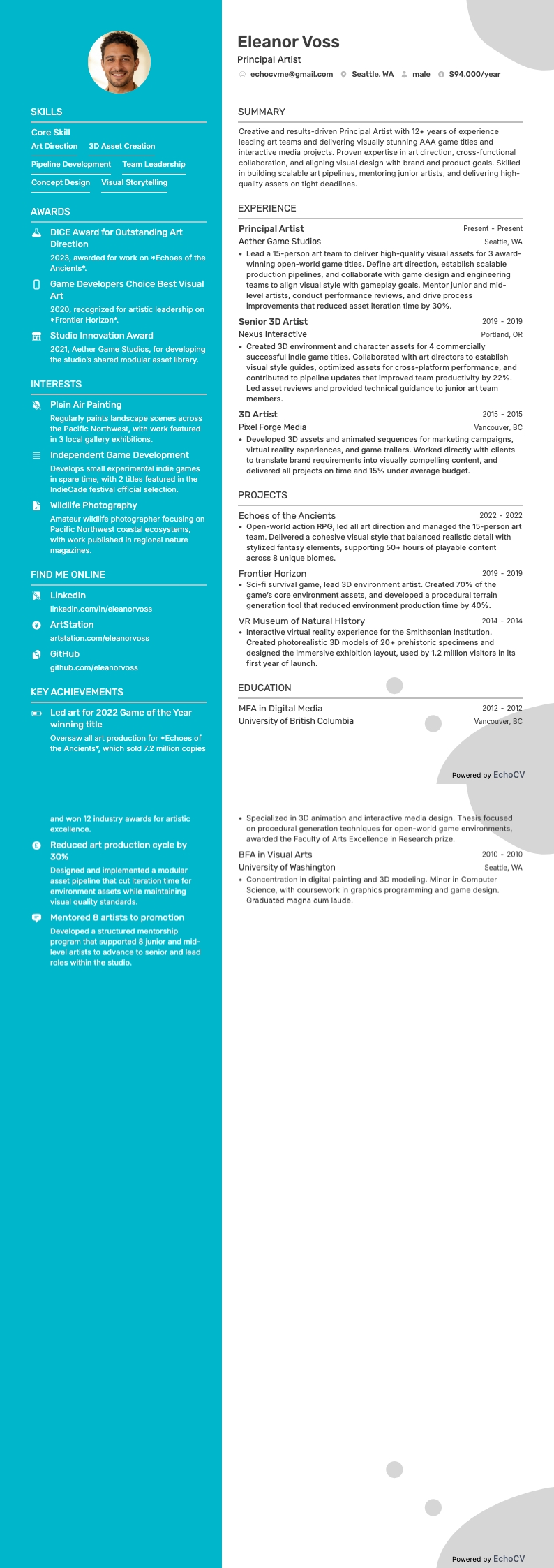
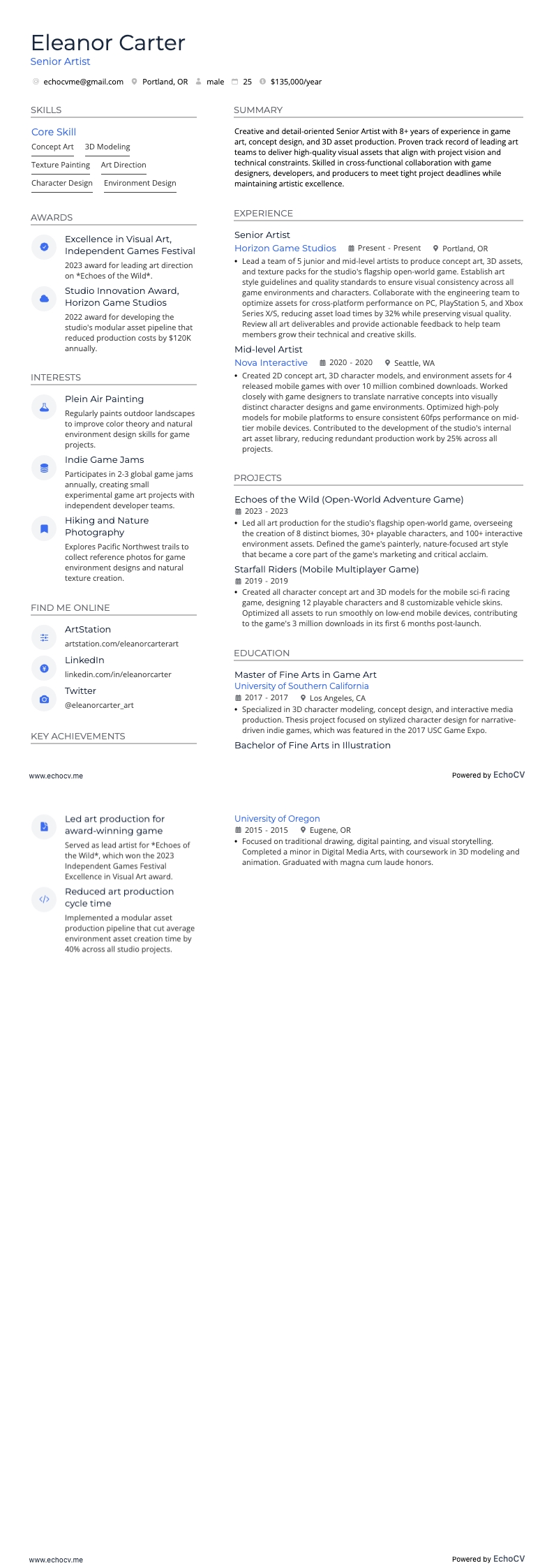
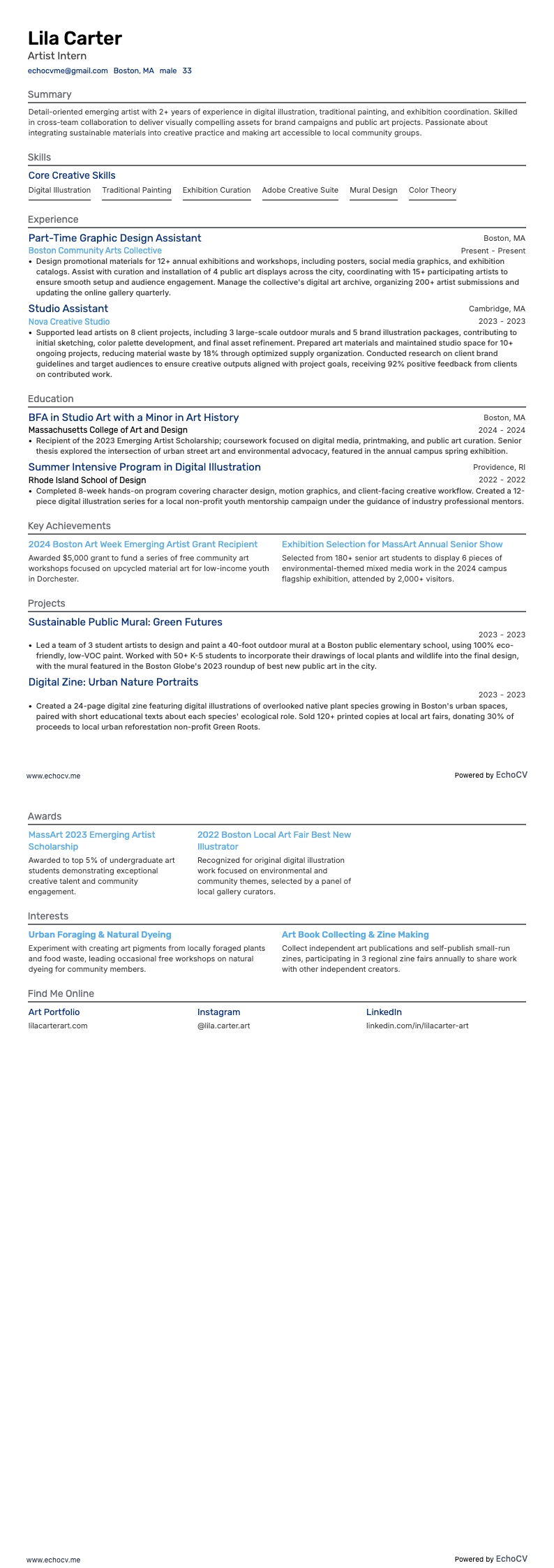
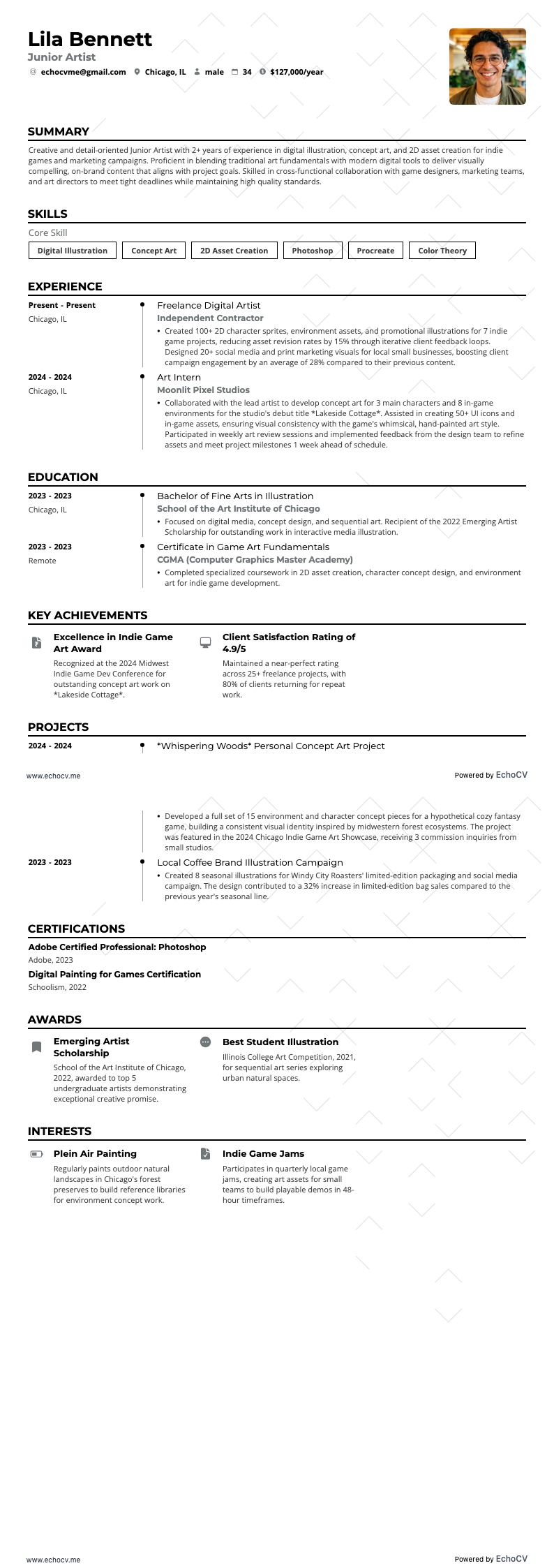
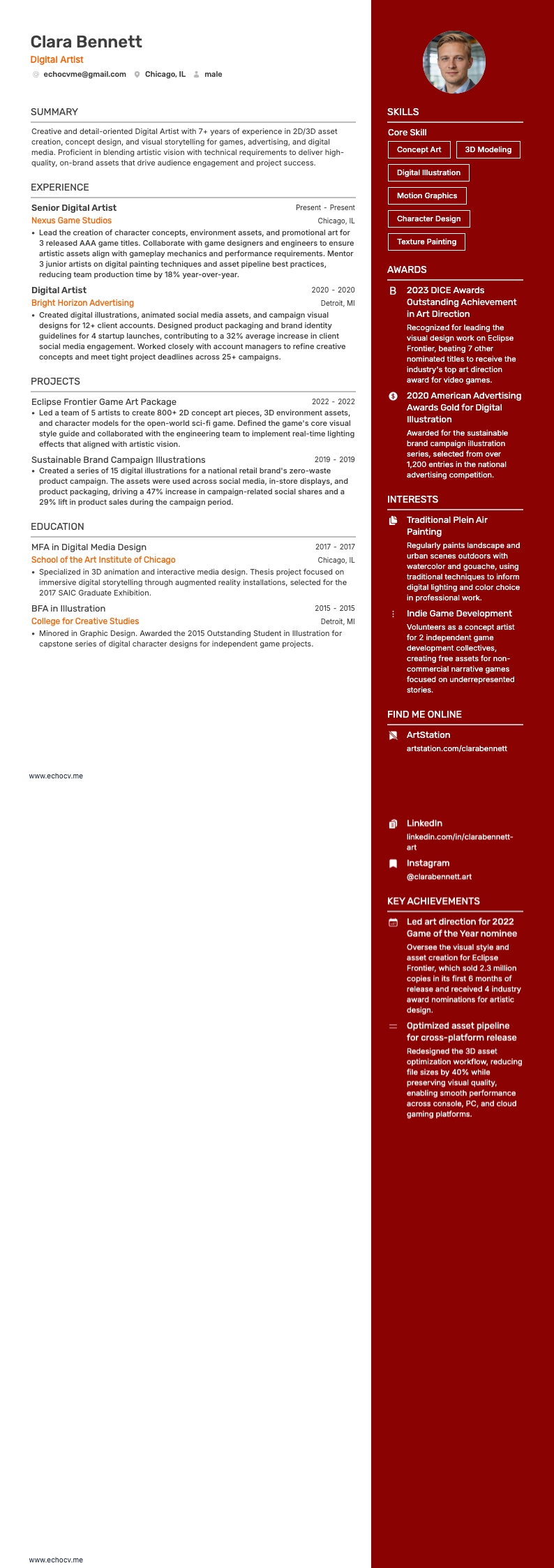
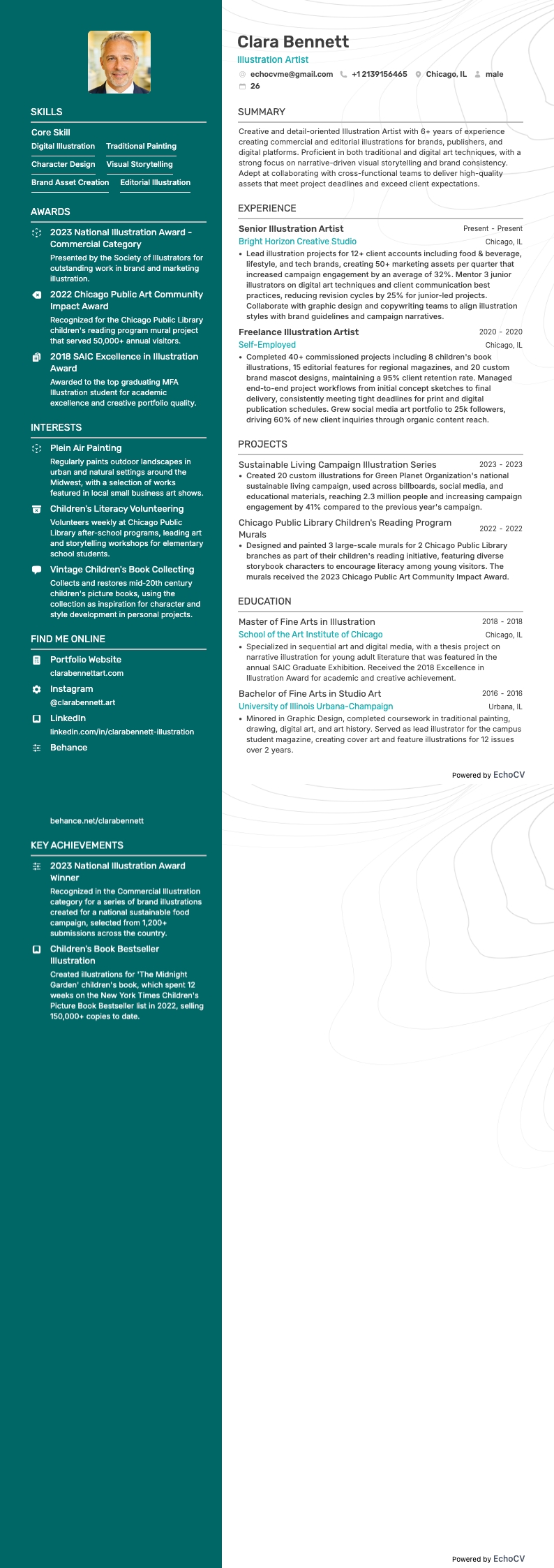
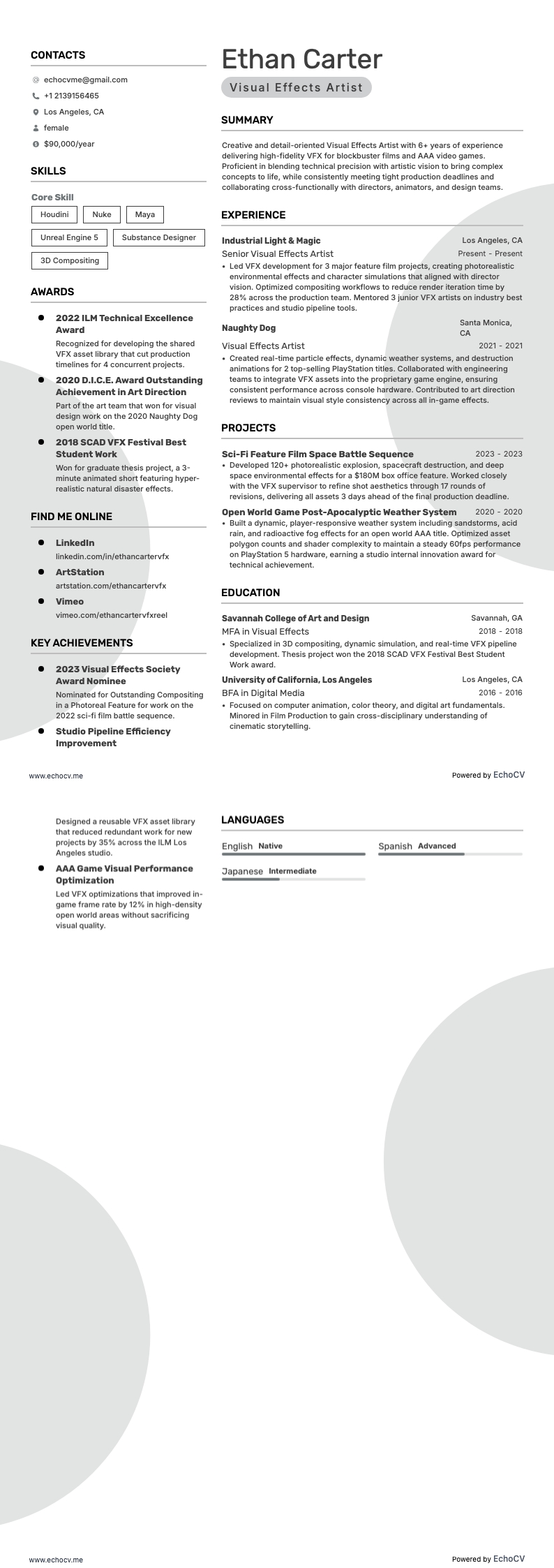
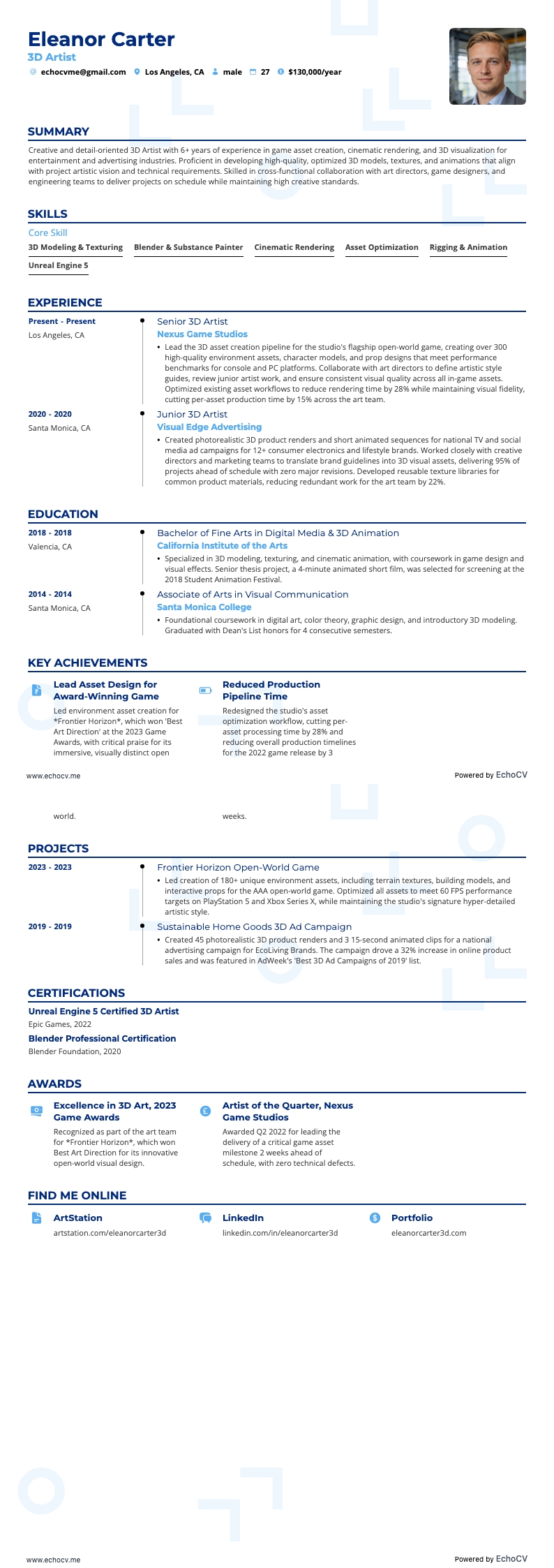
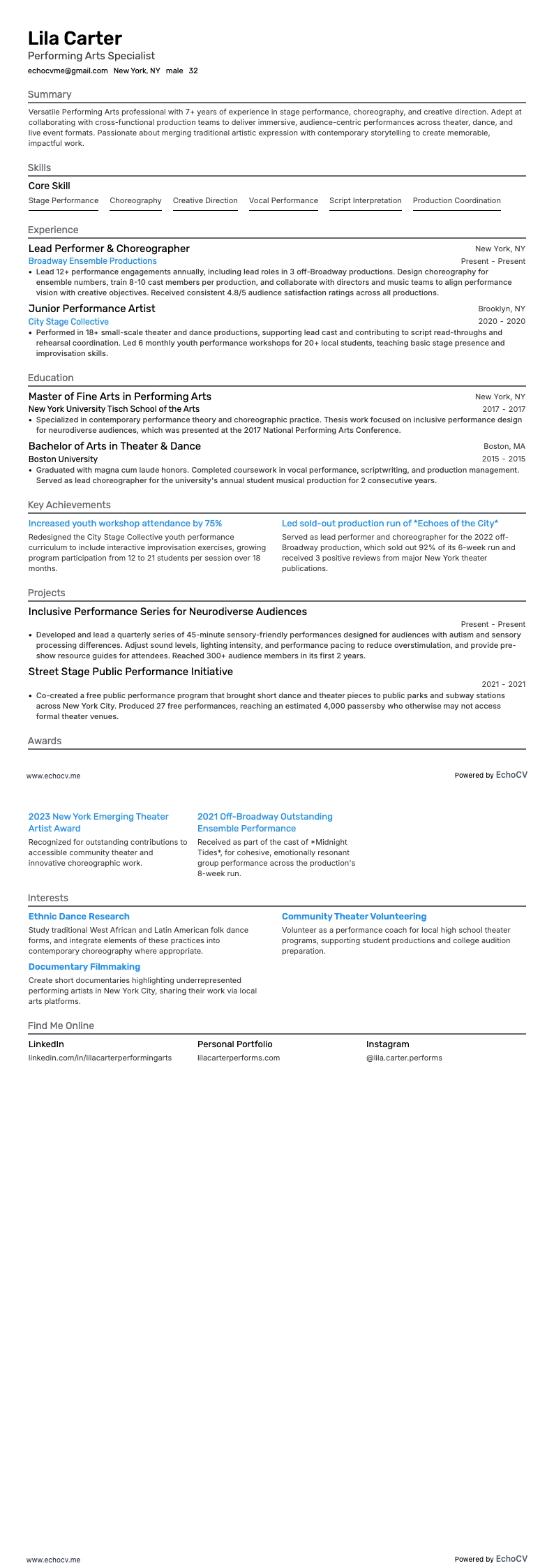
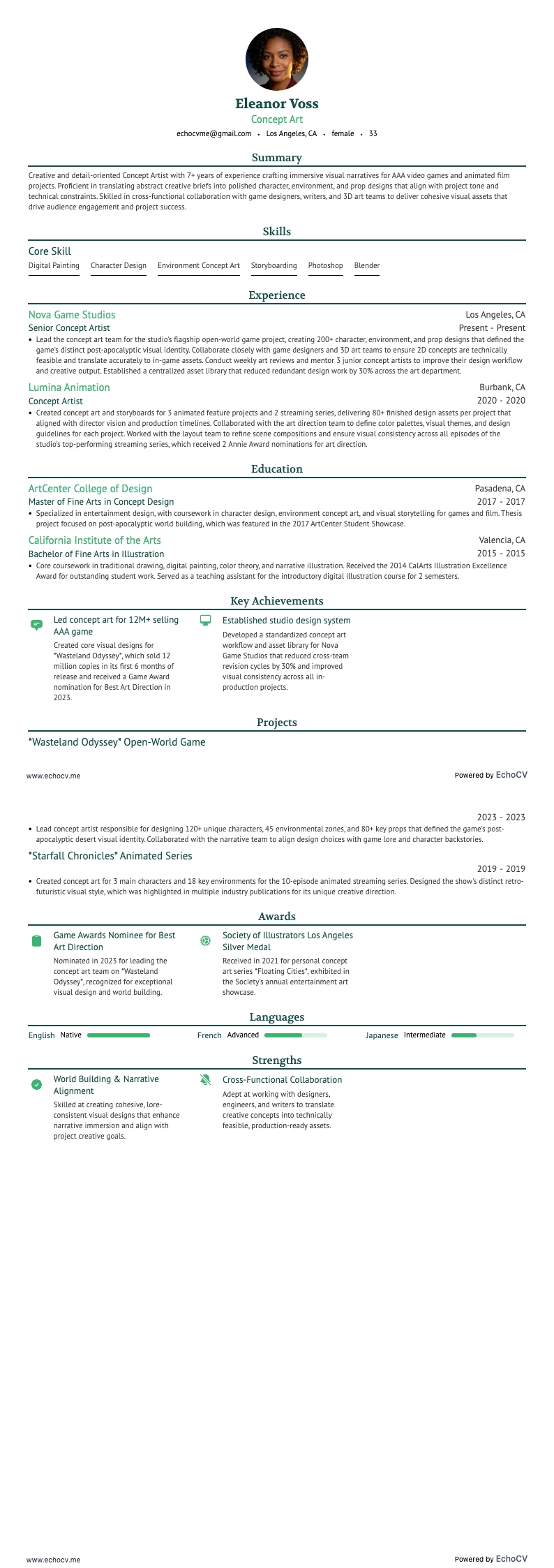
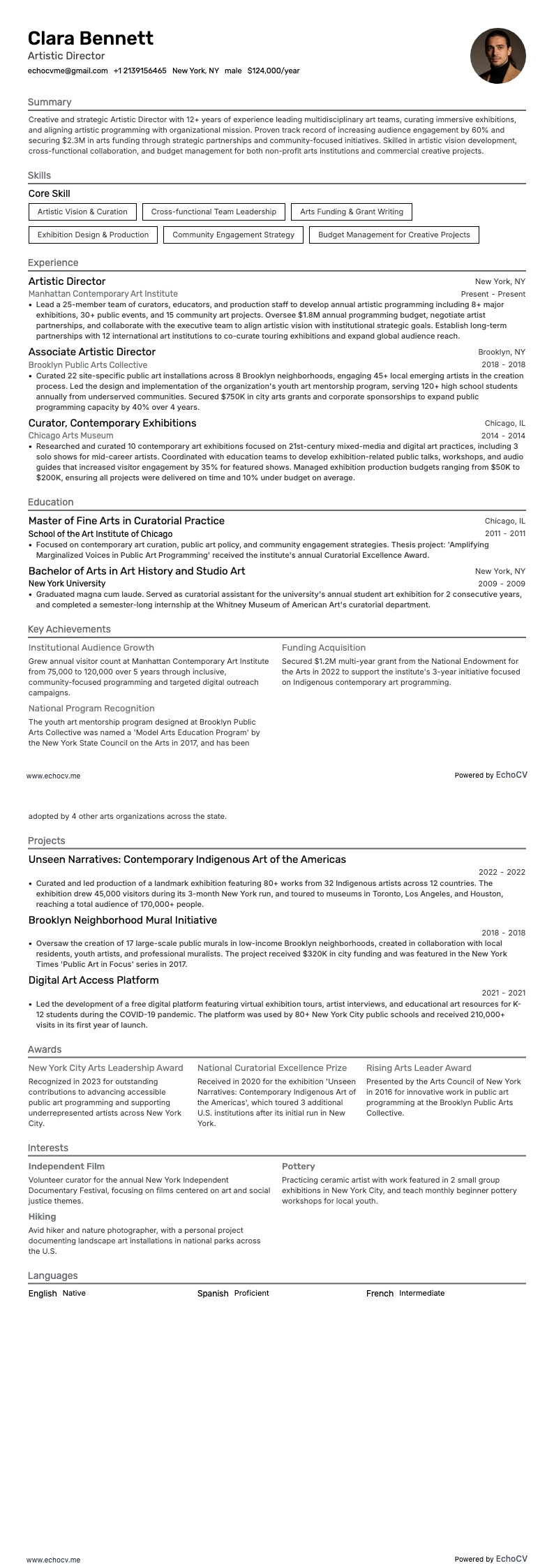
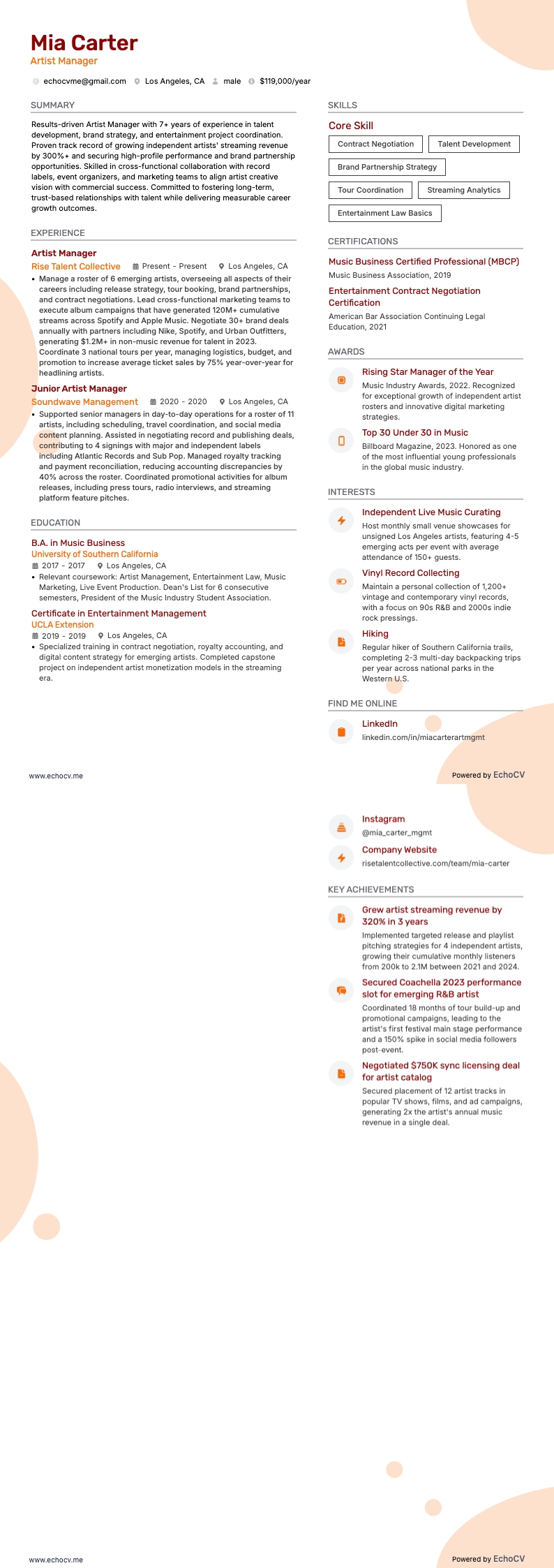
While some artists might be tempted to make their resumes highly creative to reflect their artistic style, it’s essential to balance this with clarity and professionalism. To start with, choose a resume format that will best comprise your career highlights.
We recommend you use the targeted resume approach where you customize your document to showcase the experiences and skills most relevant to the position you’re applying for. Edit your resume for each application to reflect the specific needs or focus of the gallery, grant, or job.
Of course, it’s a good idea to have a ready-made resume to work from. In this case, select any of the following options:
- Reverse chronological layout: This is a common and highly recommended format, where you list your most recent experiences first and go backwards from there. It’s easy to follow and highlights your current and most relevant accomplishments.
- Functional layout: If you have diverse artistic skills or have participated in a wide range of projects, a functional layout may work best. This format focuses on your skills and experiences rather than when they occurred. It allows you to group your achievements by type—like exhibitions, commissions, and residencies—rather than by date.
- Combination (hybrid) layout: This format merges the chronological and functional layouts. You can showcase your skills and techniques at the beginning and follow this with a chronological list of professional experiences and exhibitions. This format works well if you have major career highlights that should stand out, regardless of when they happened.