How to quantify impact on your resume
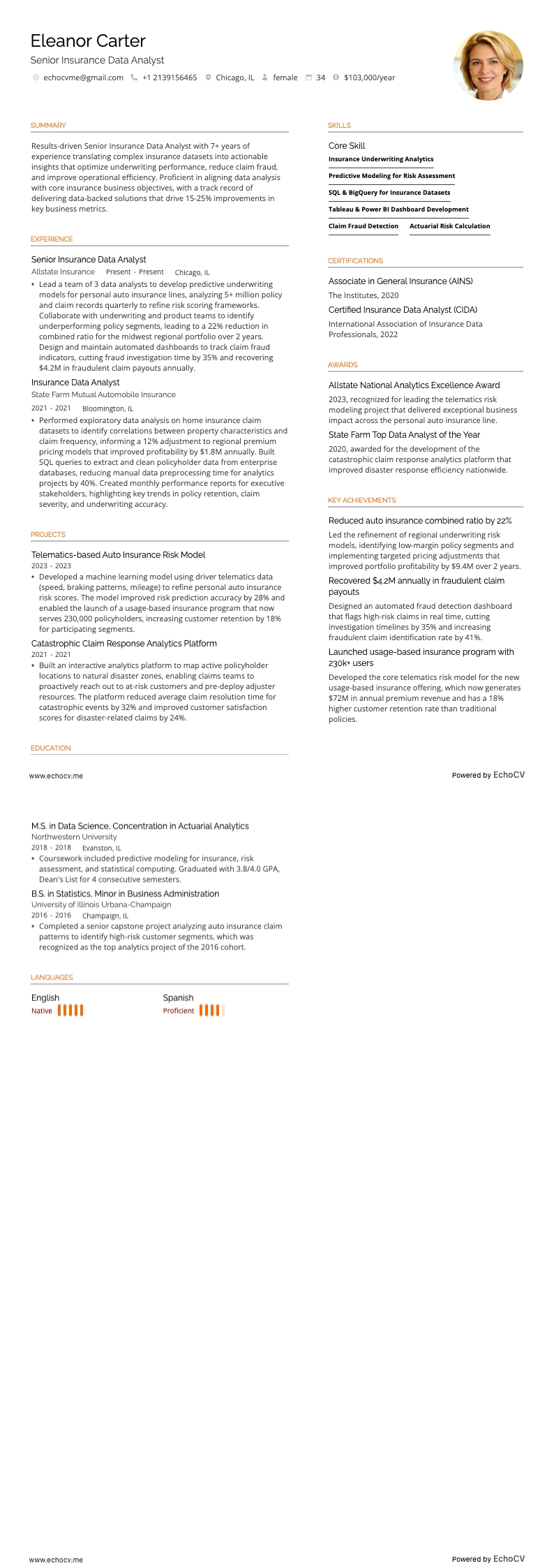
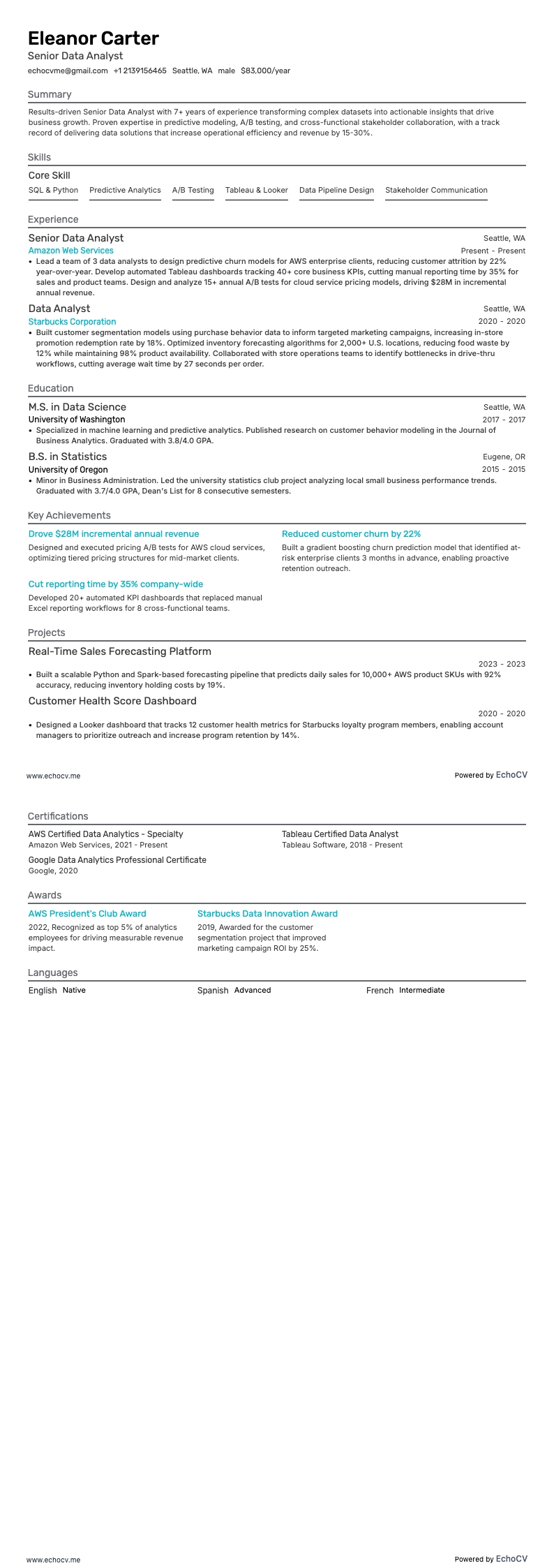
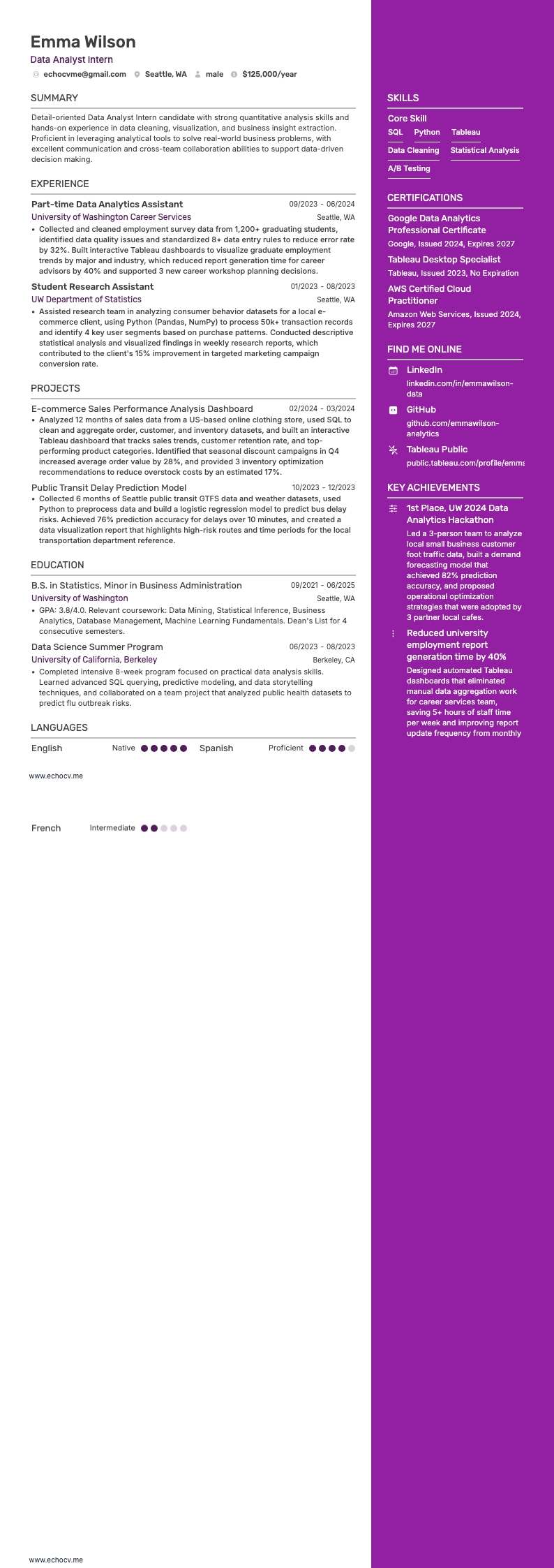
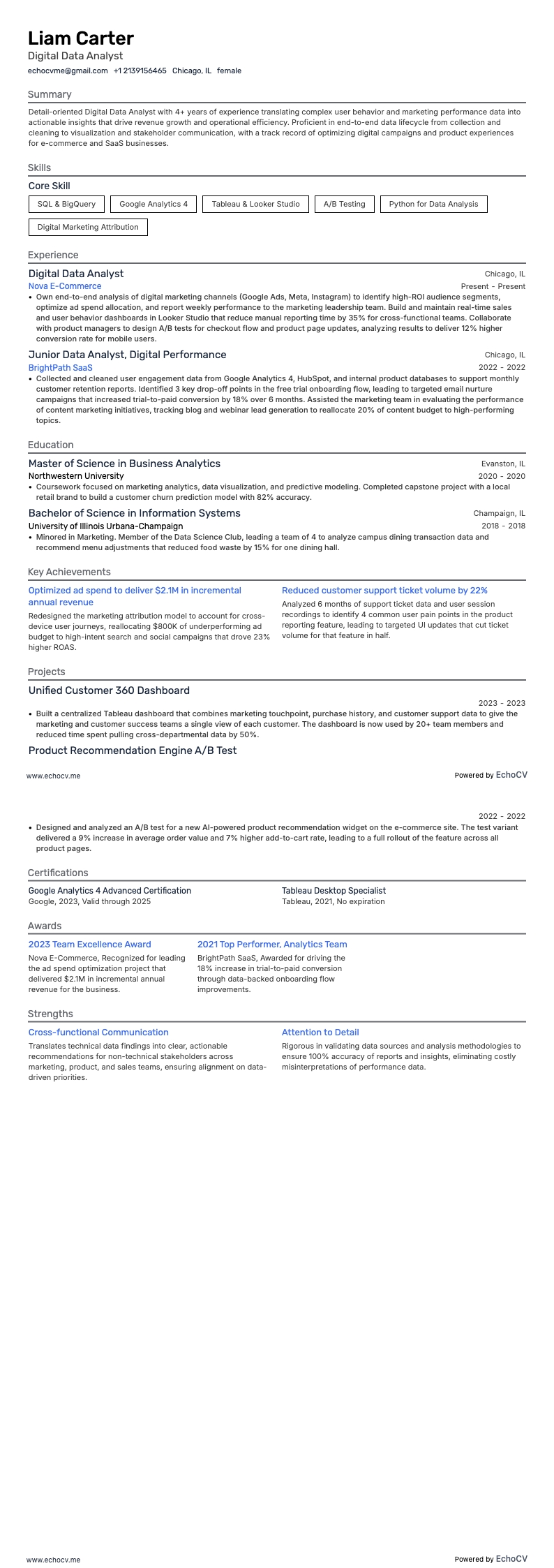
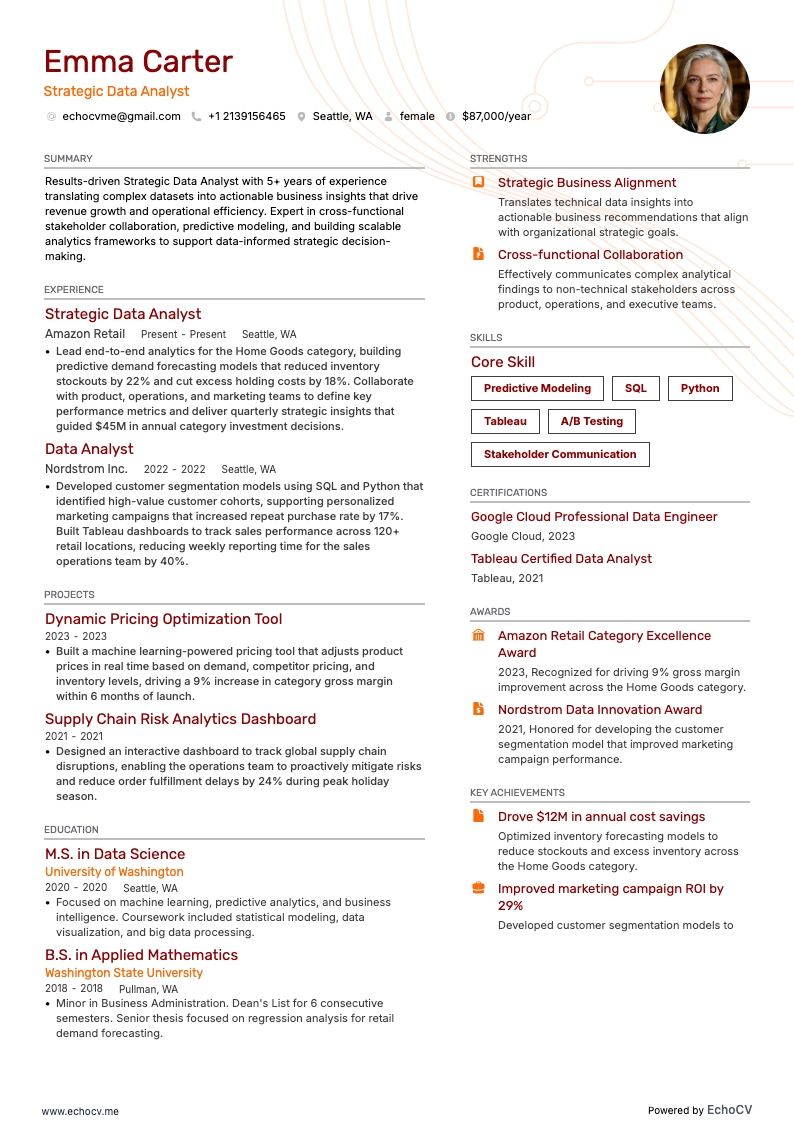
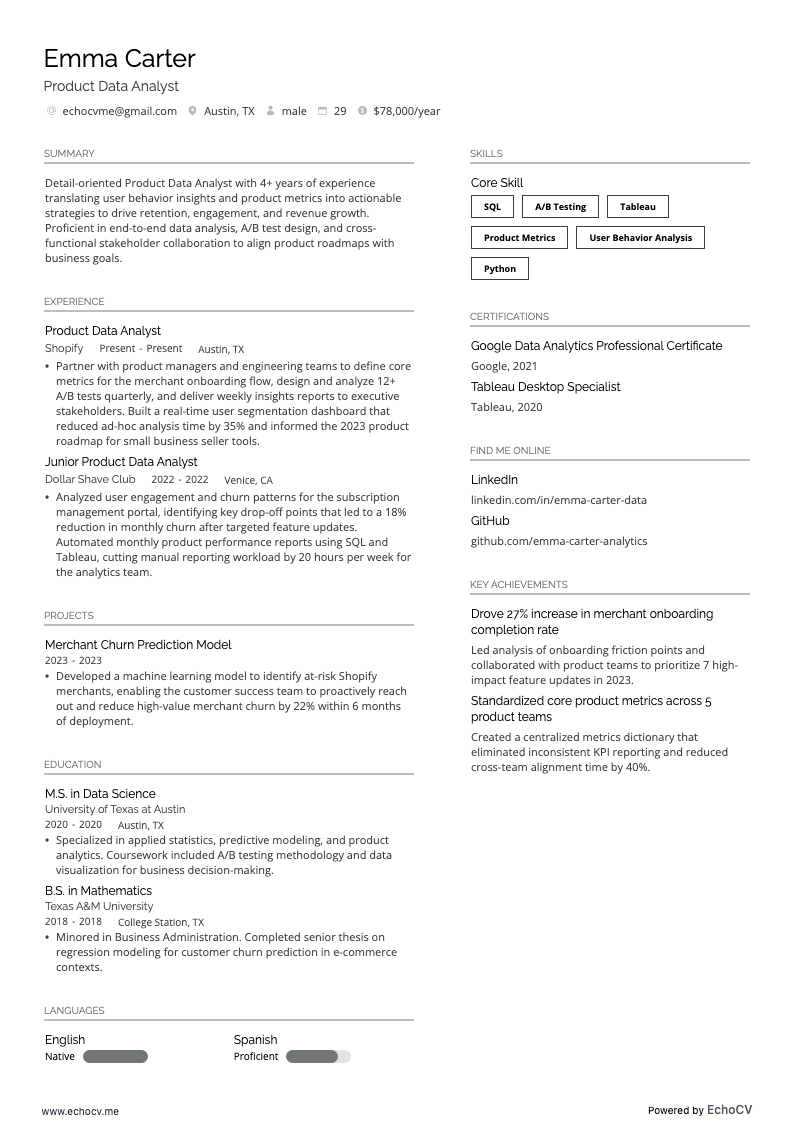
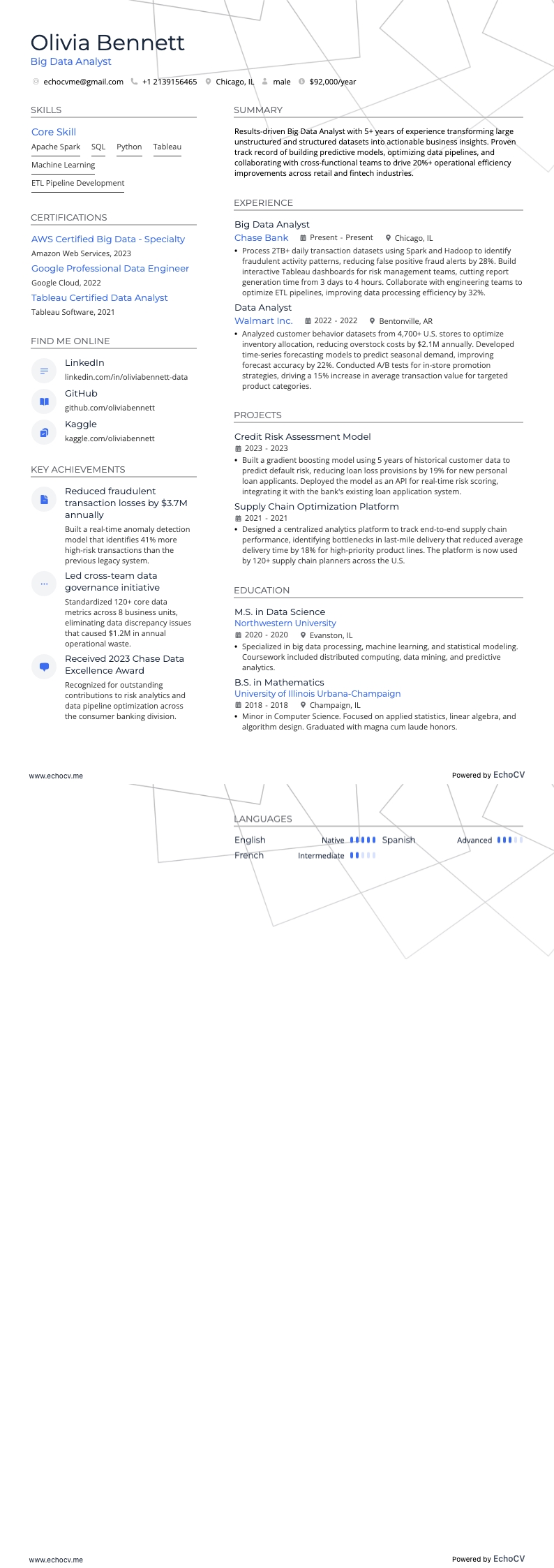
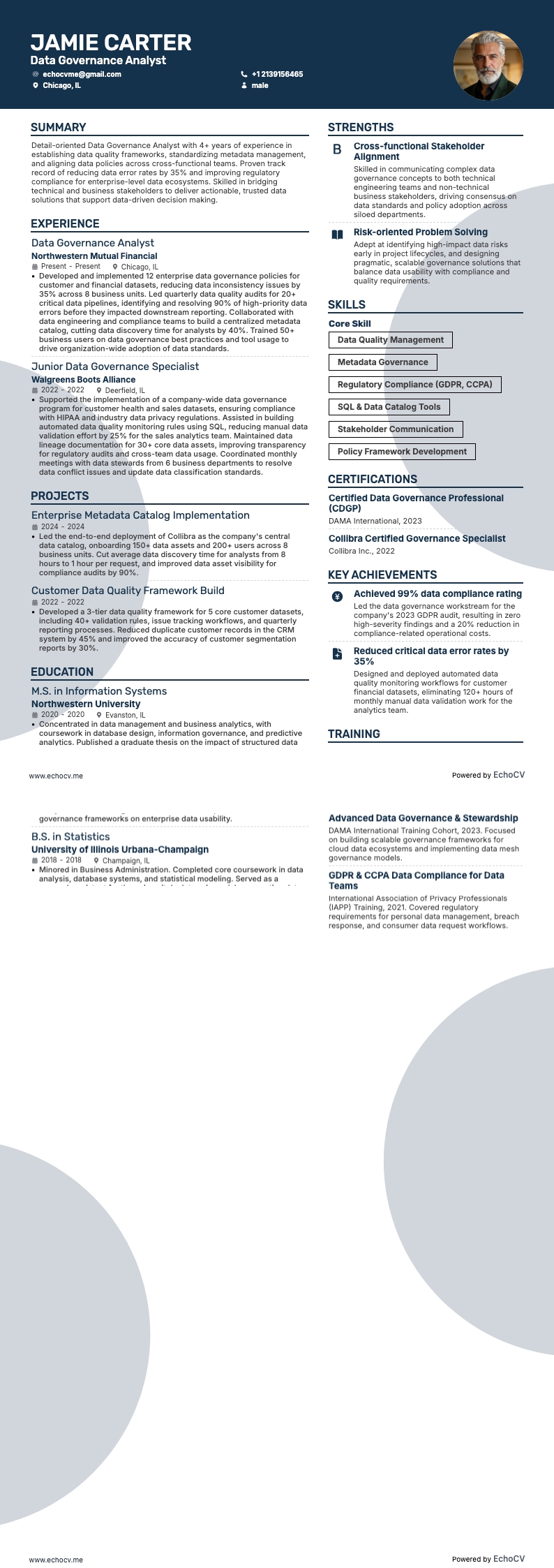
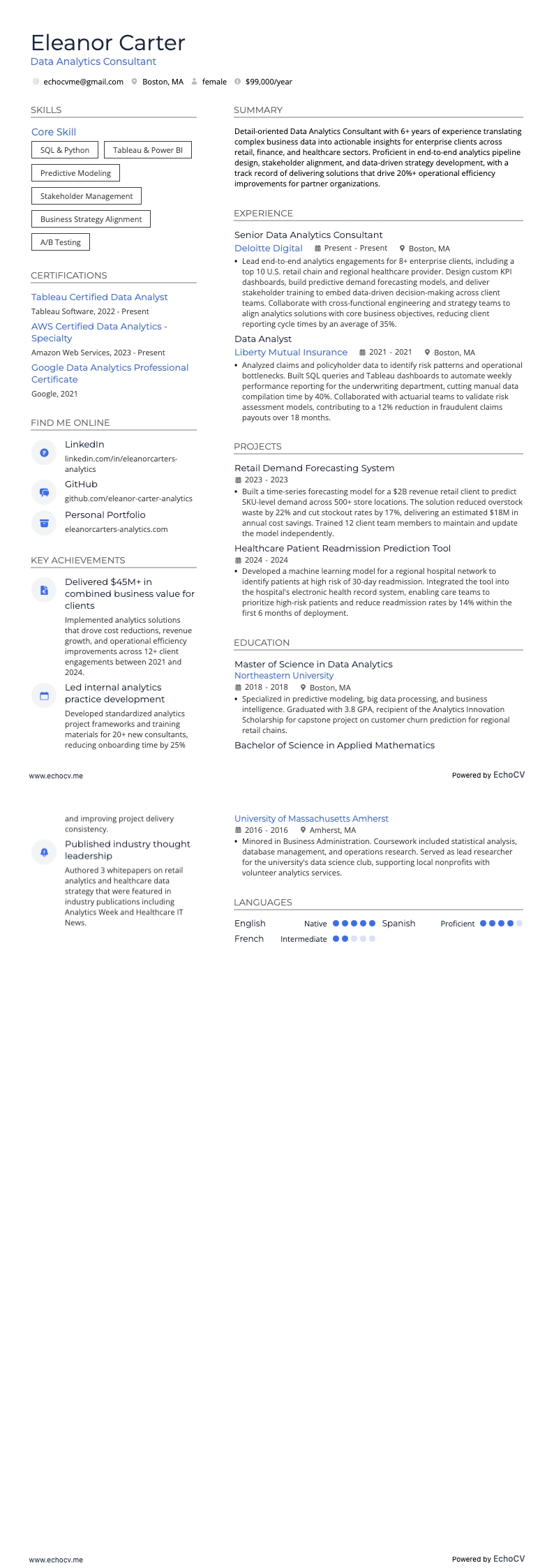
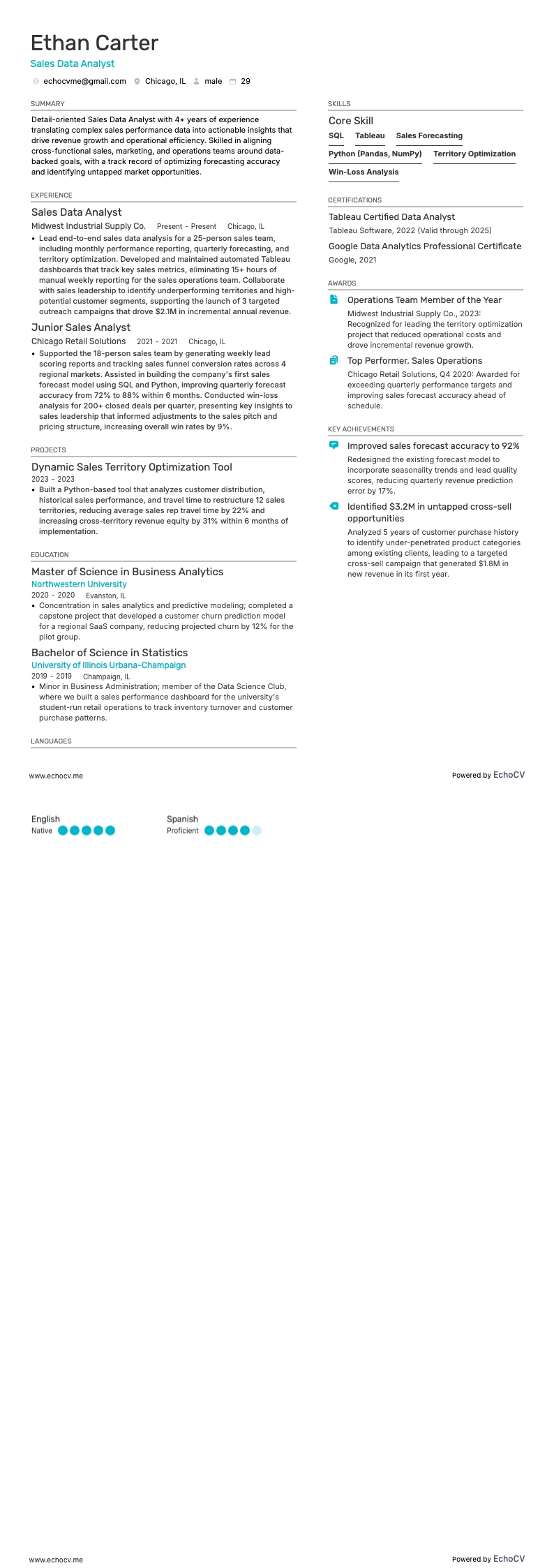
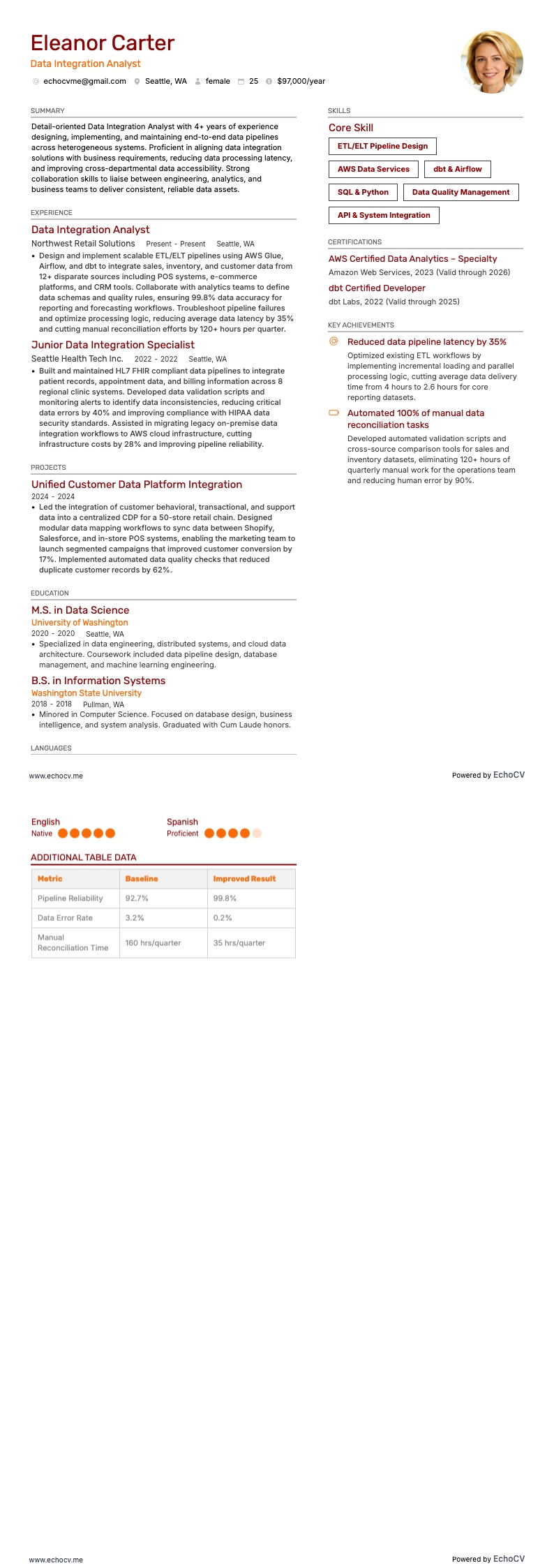
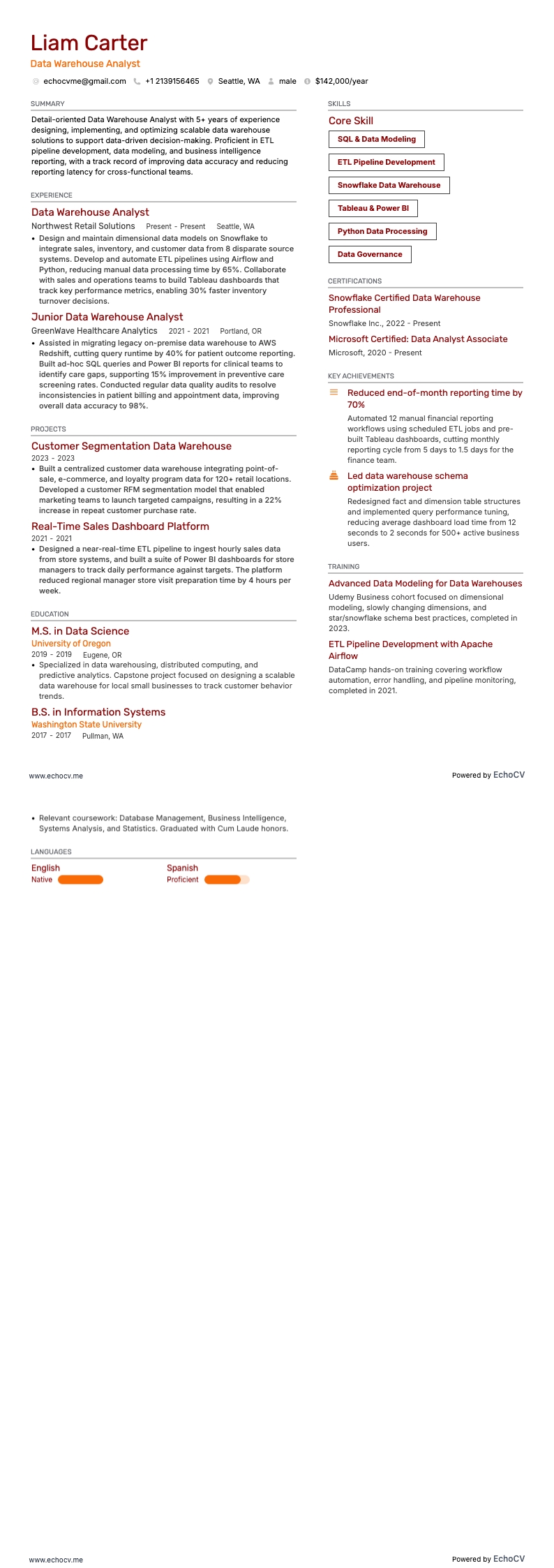
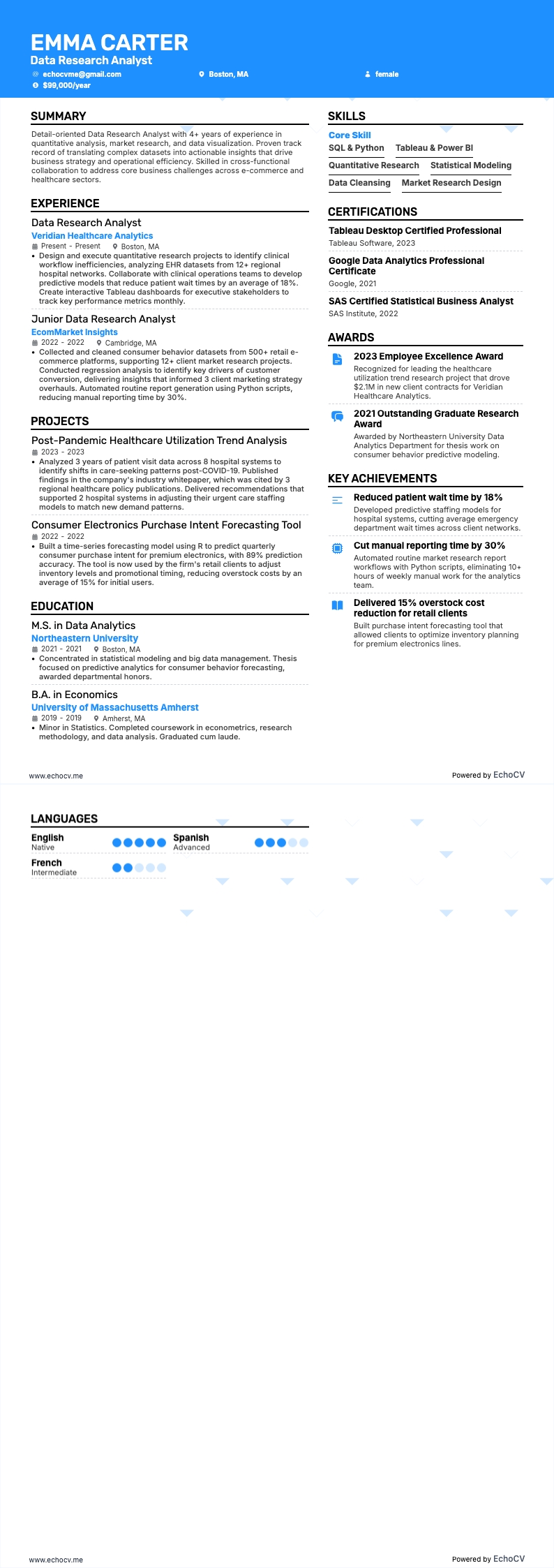
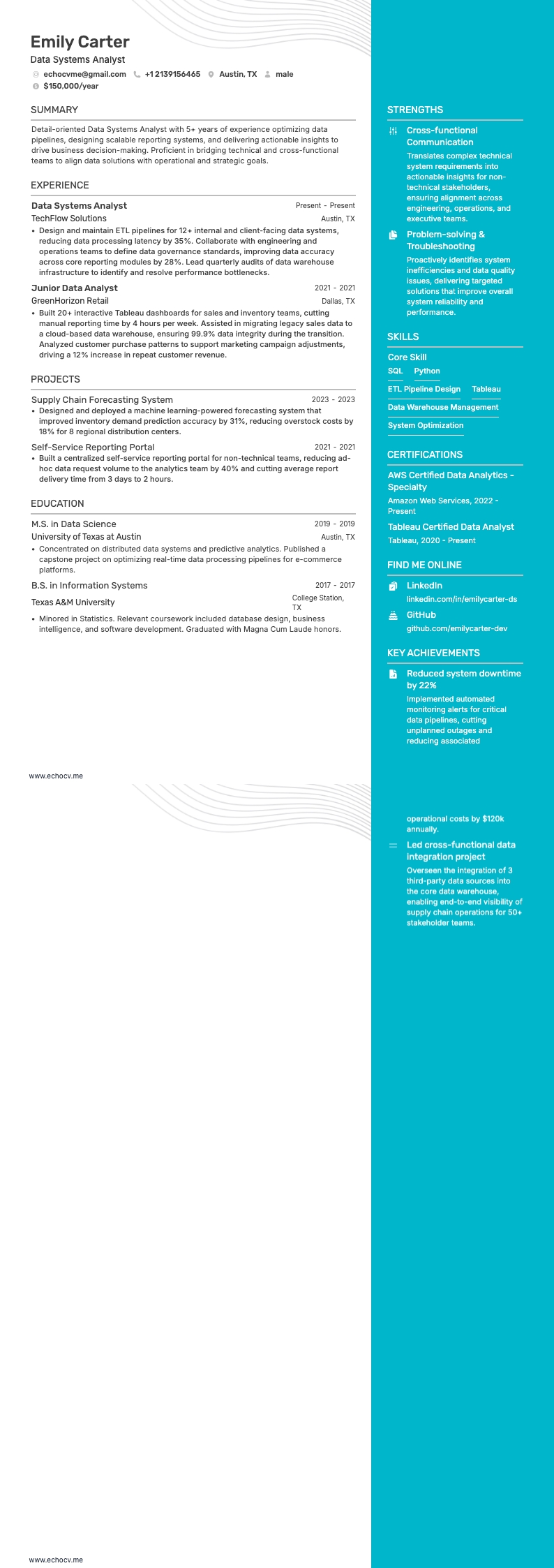
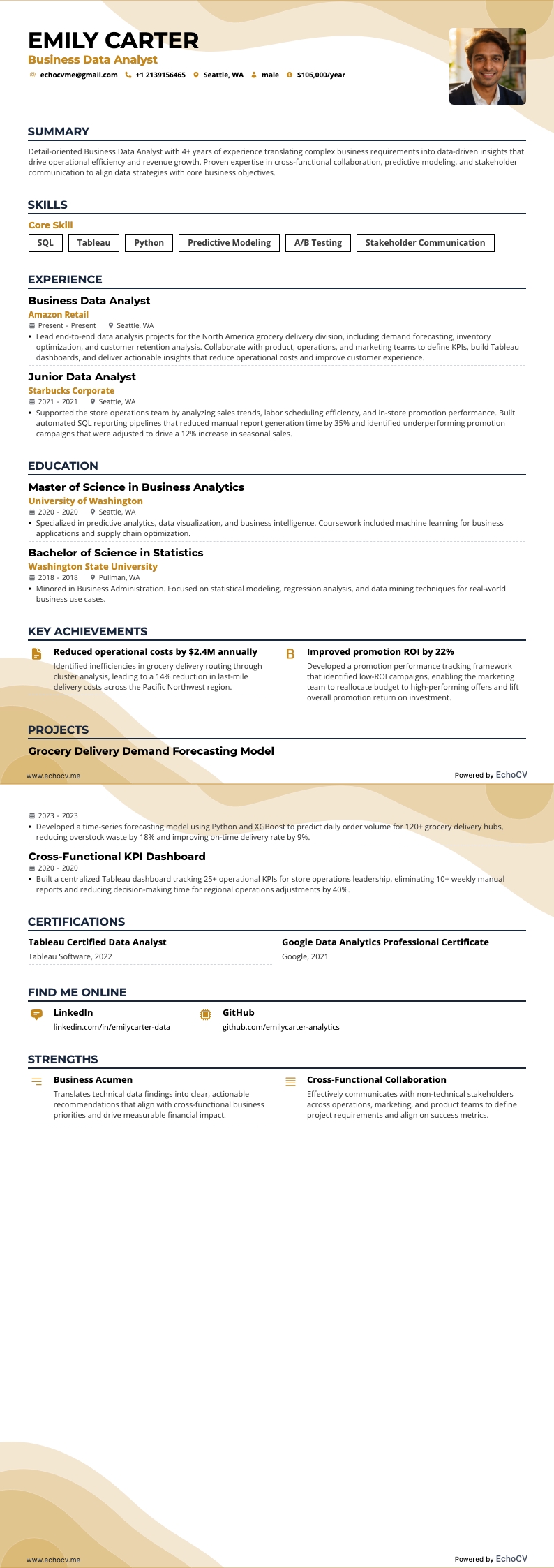
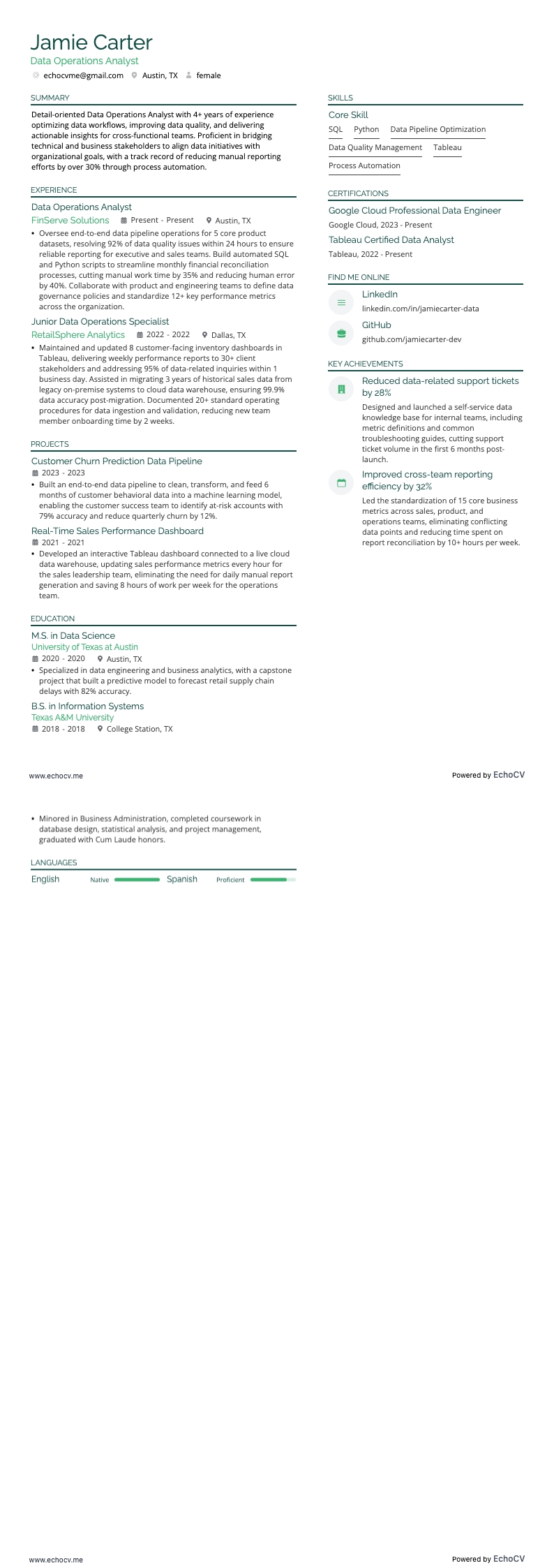
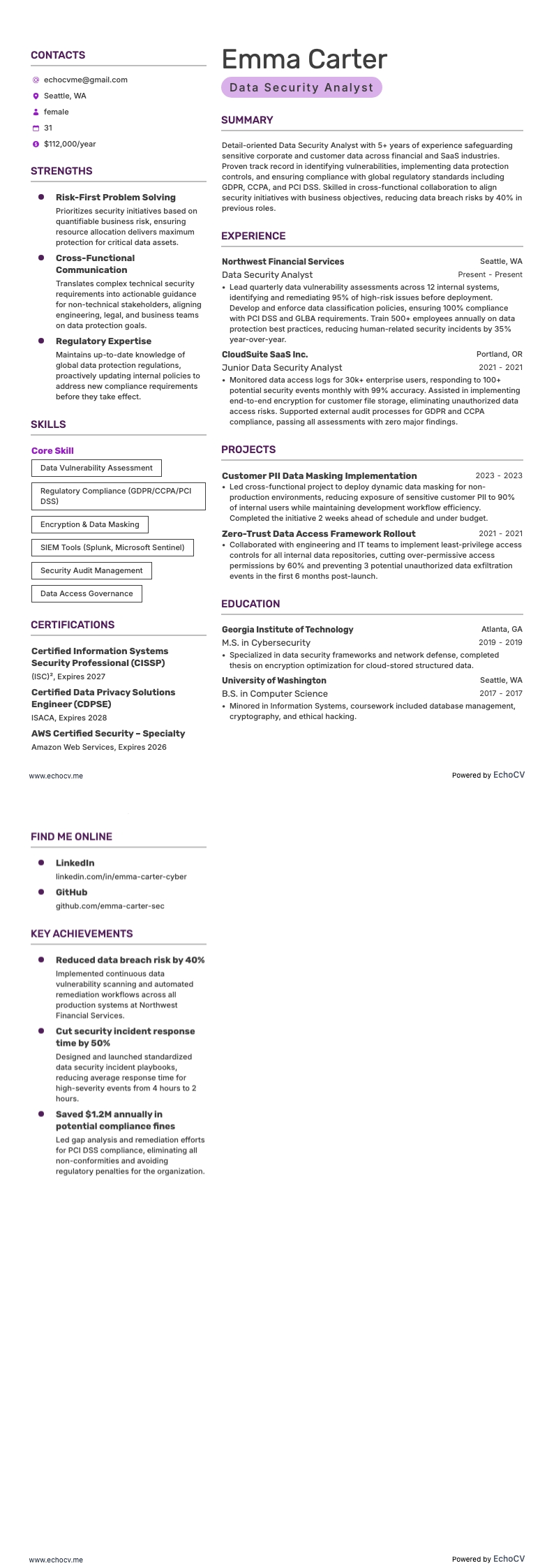
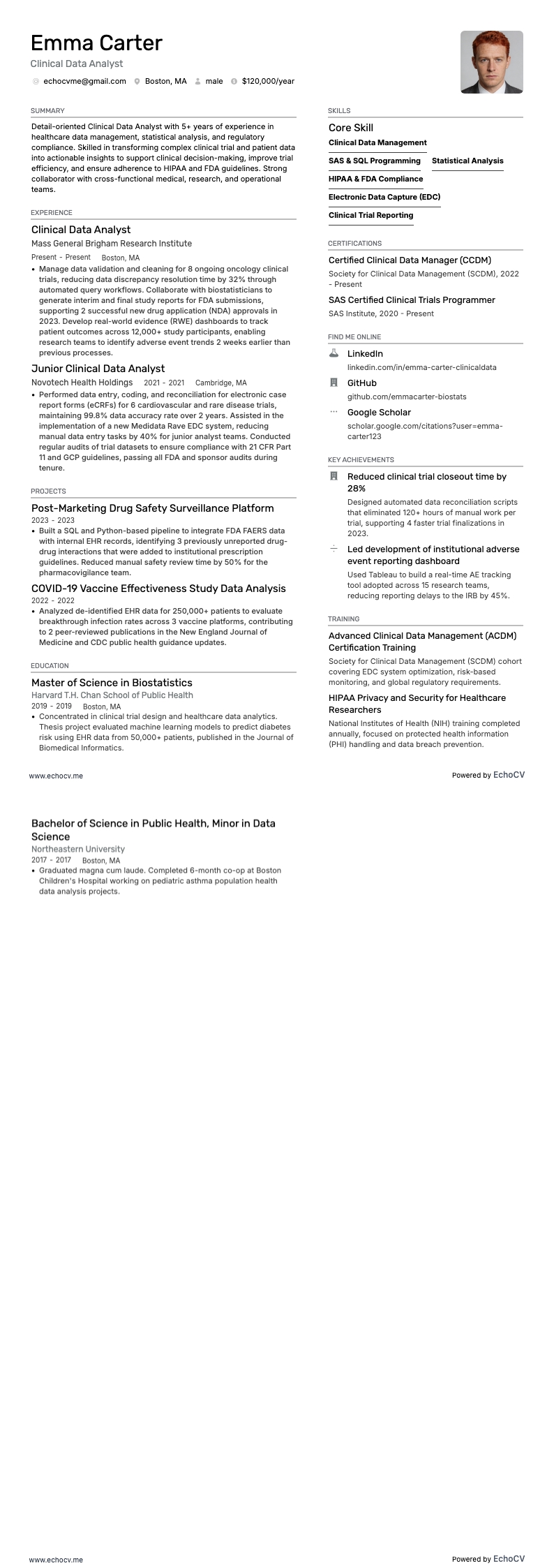
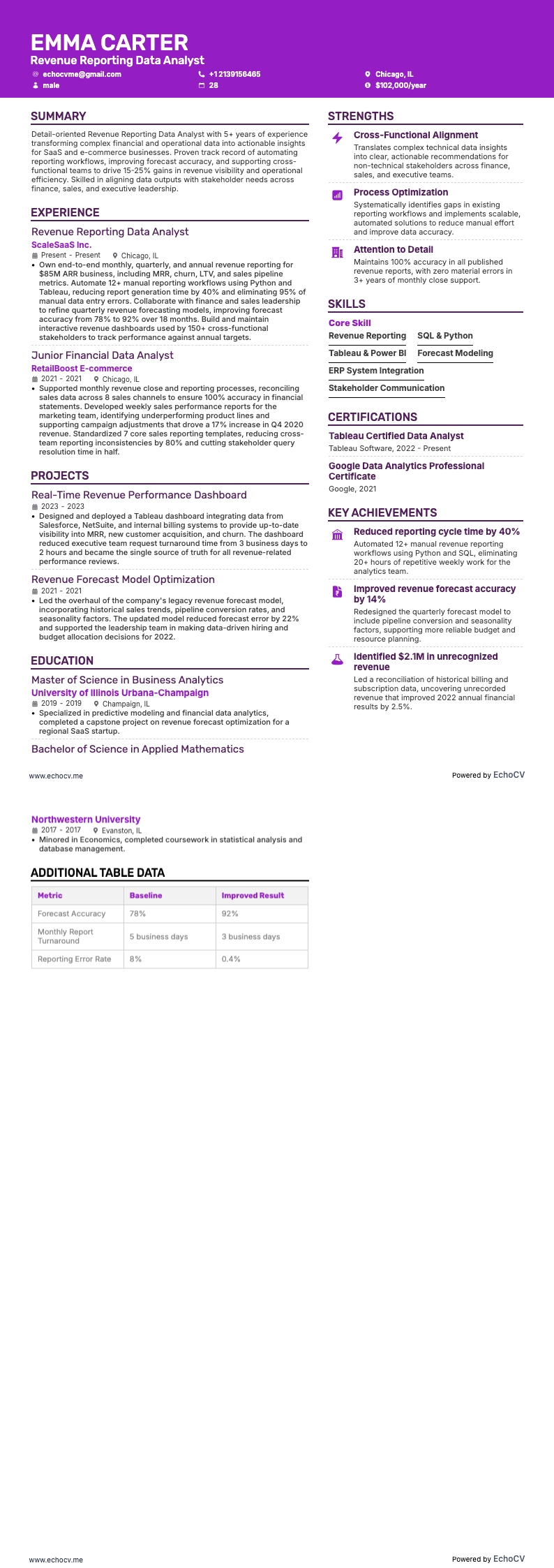
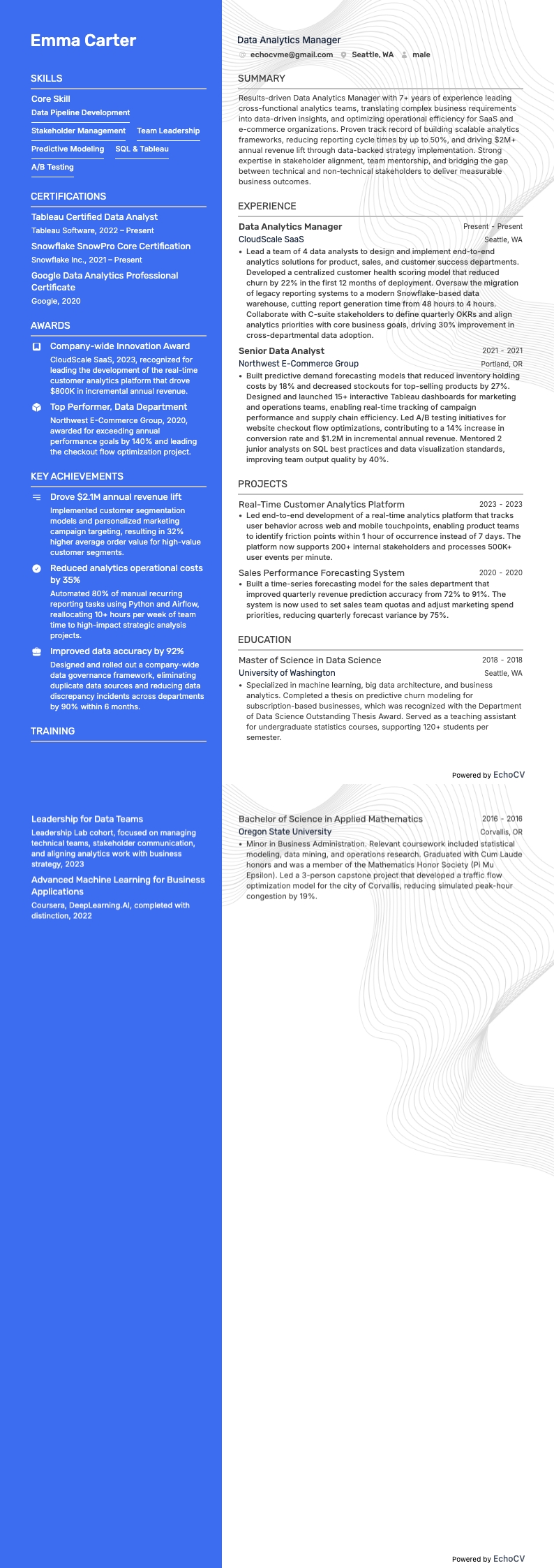
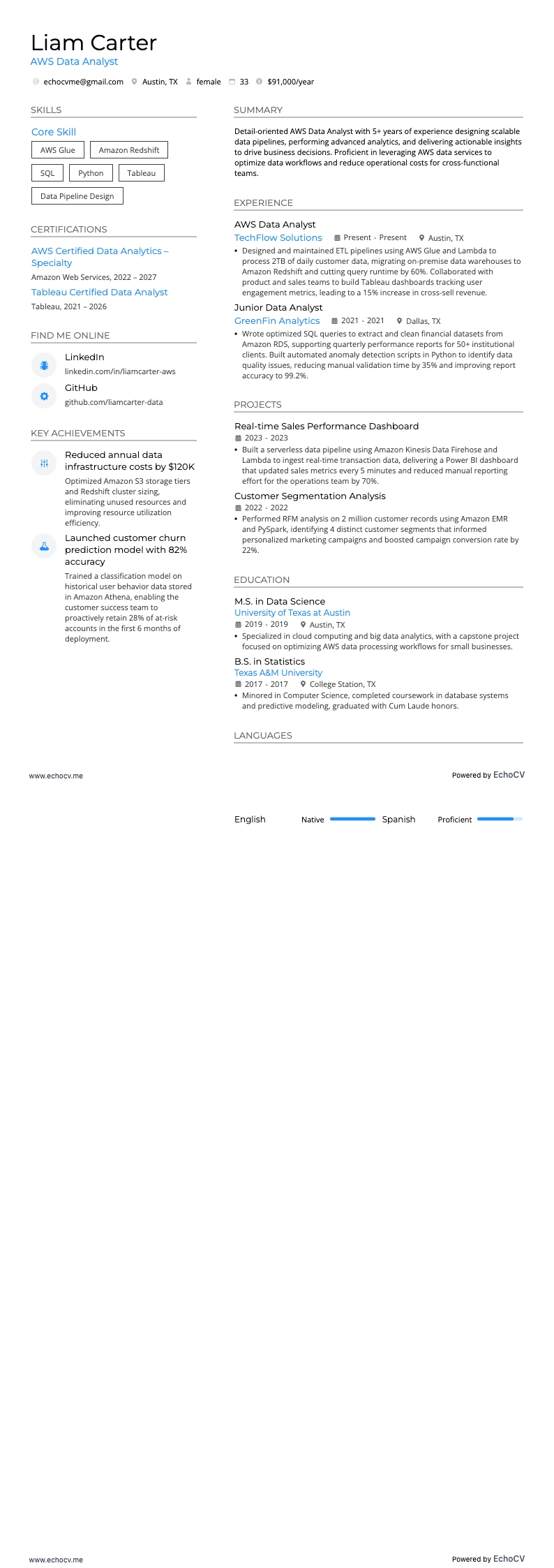
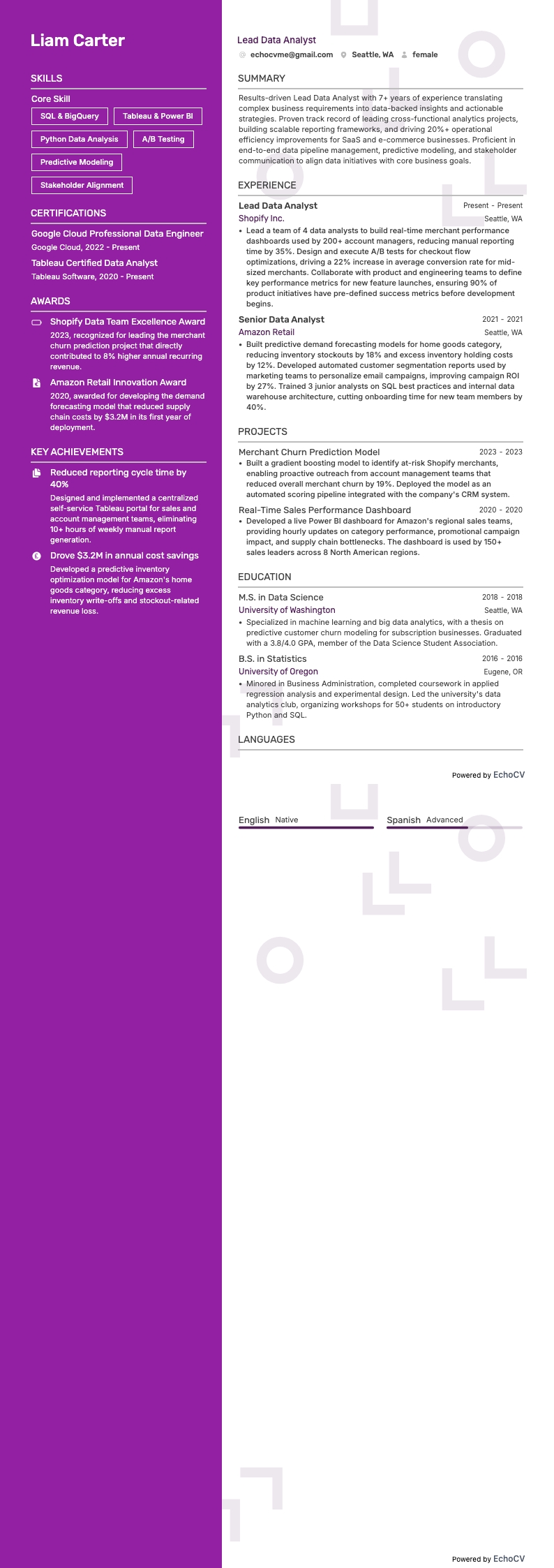
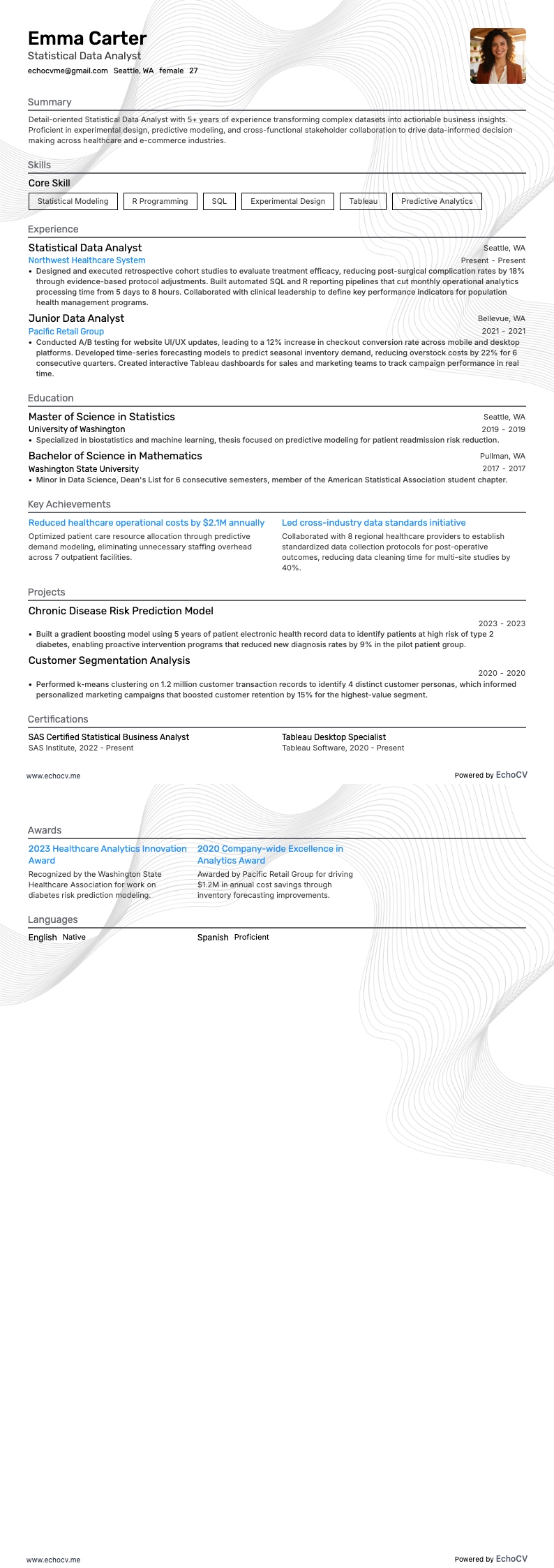
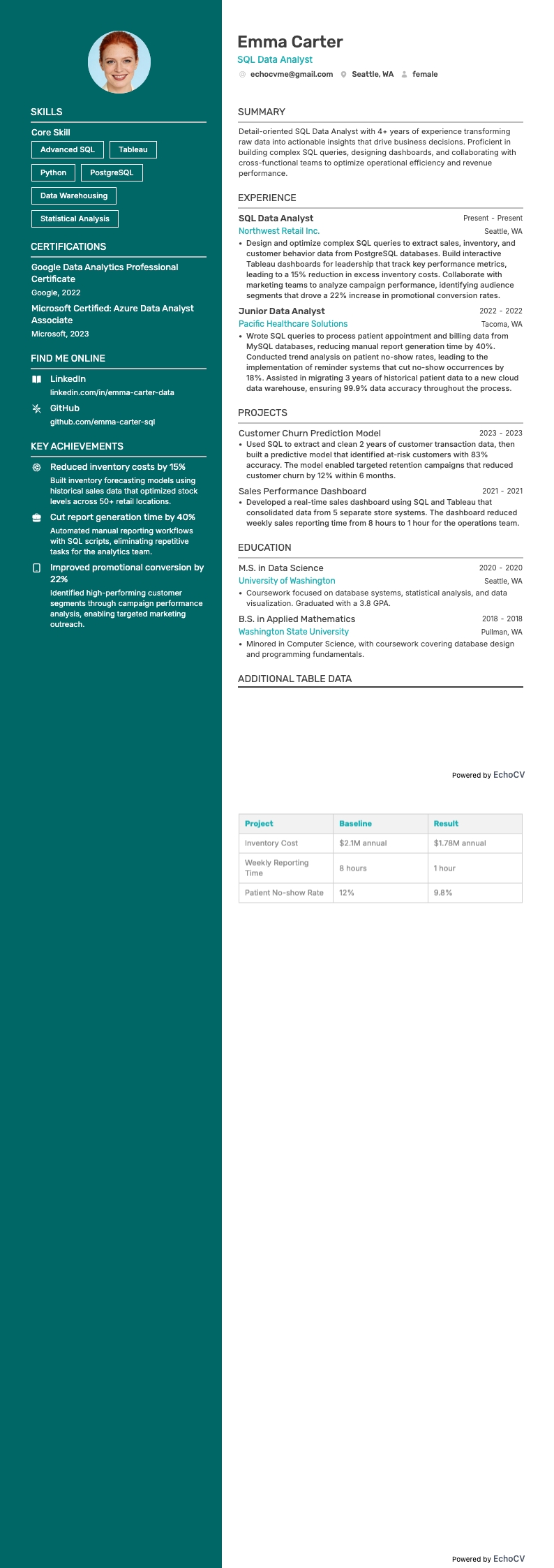
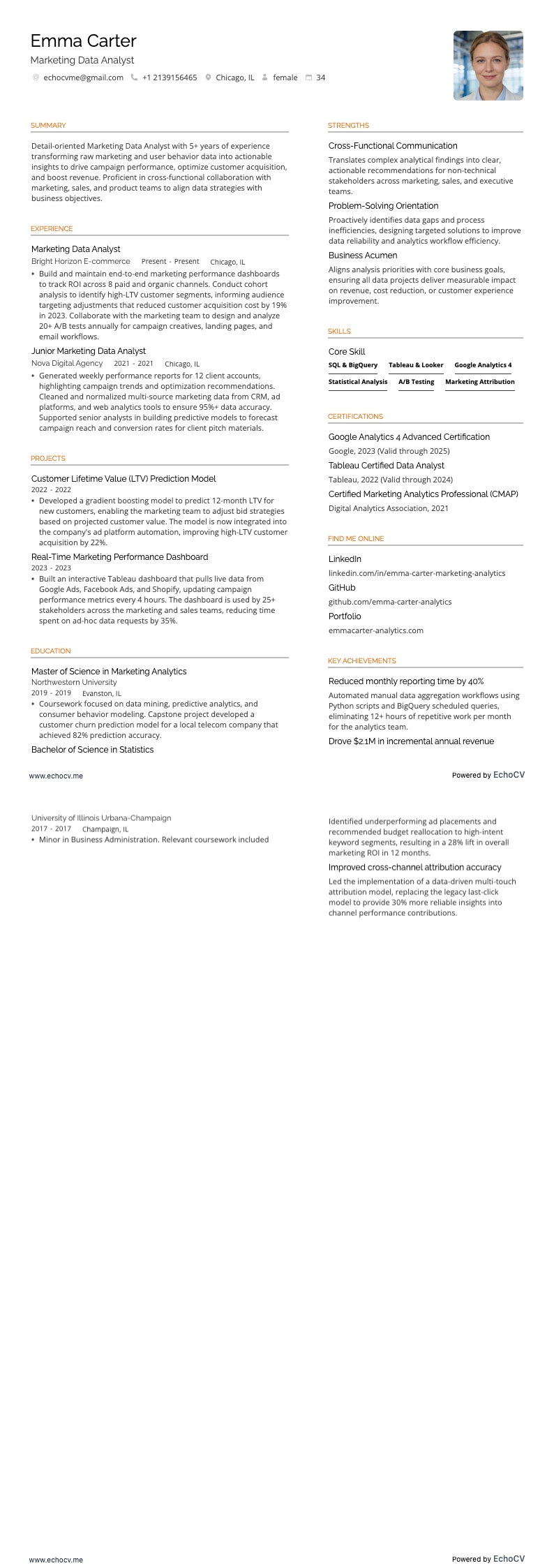
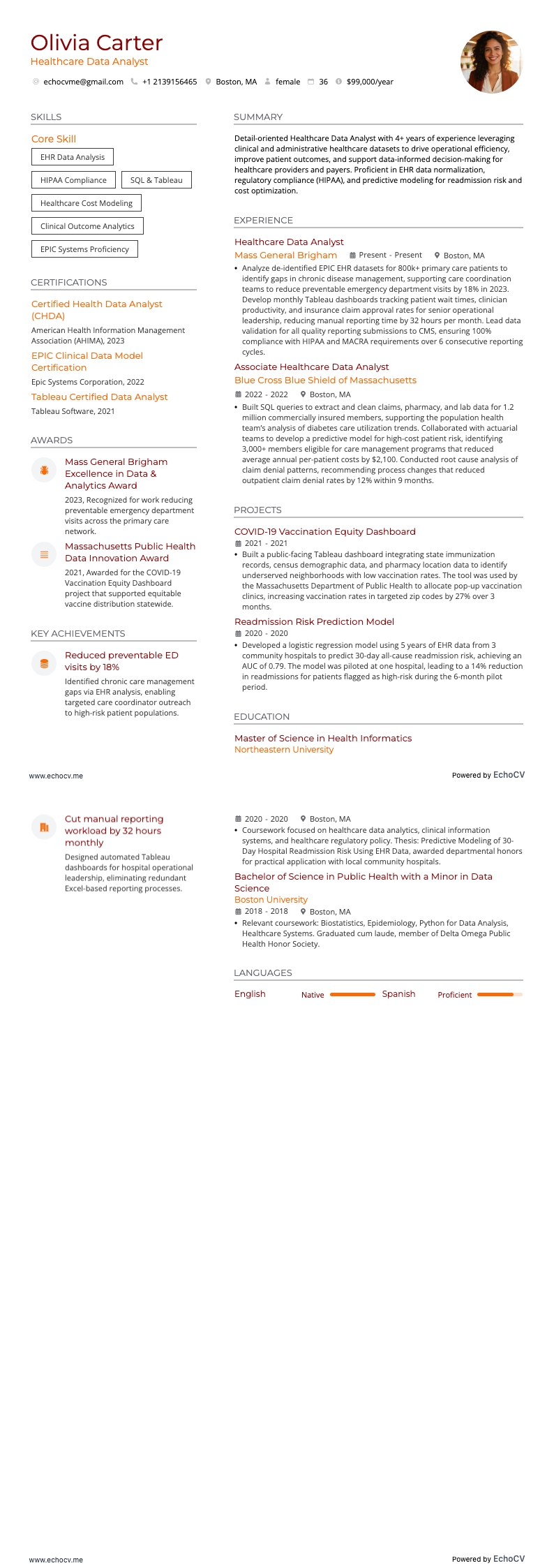
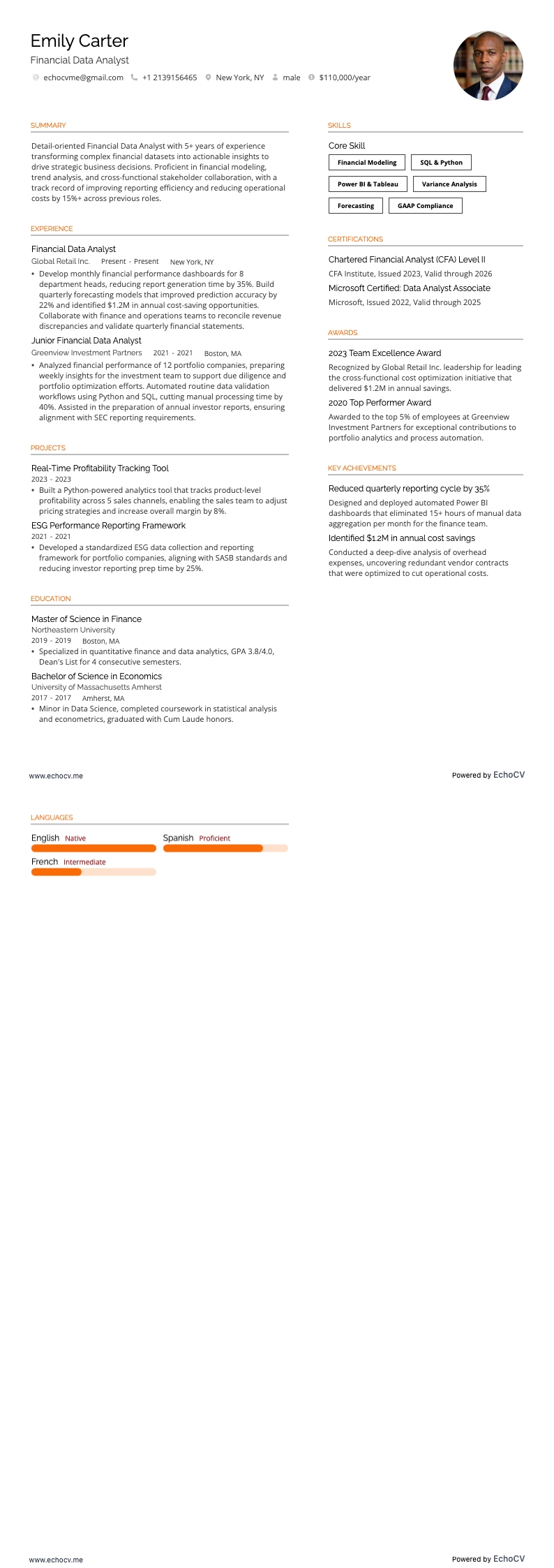
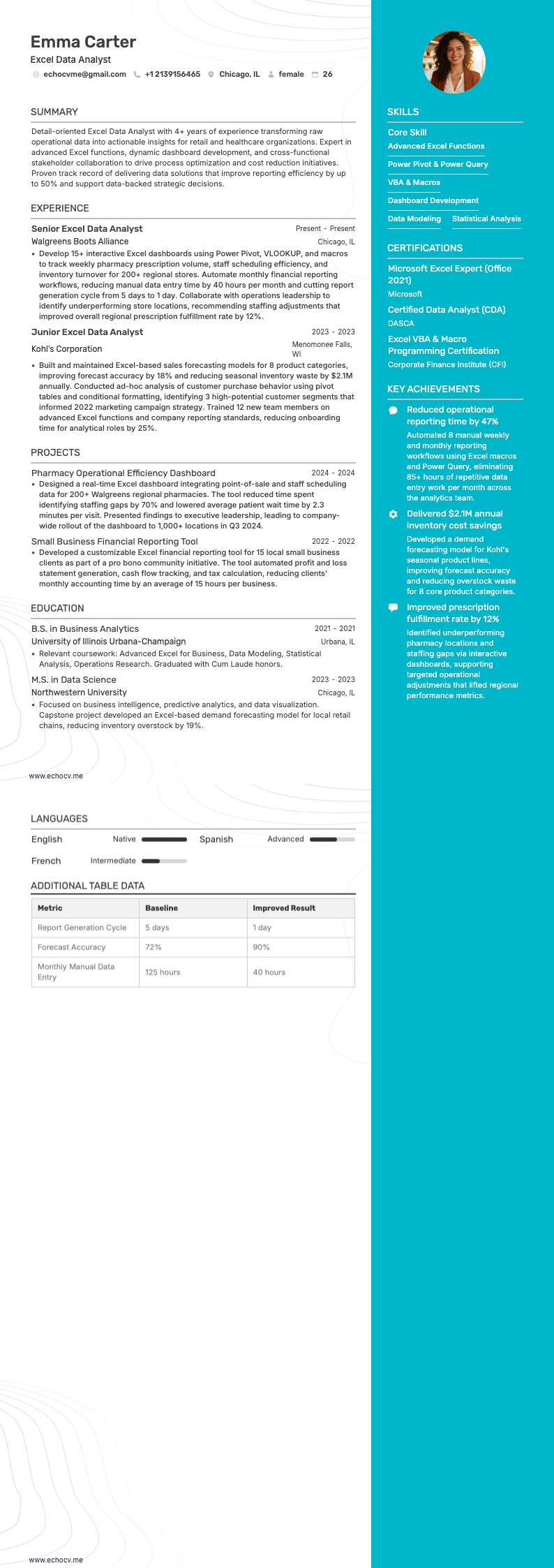
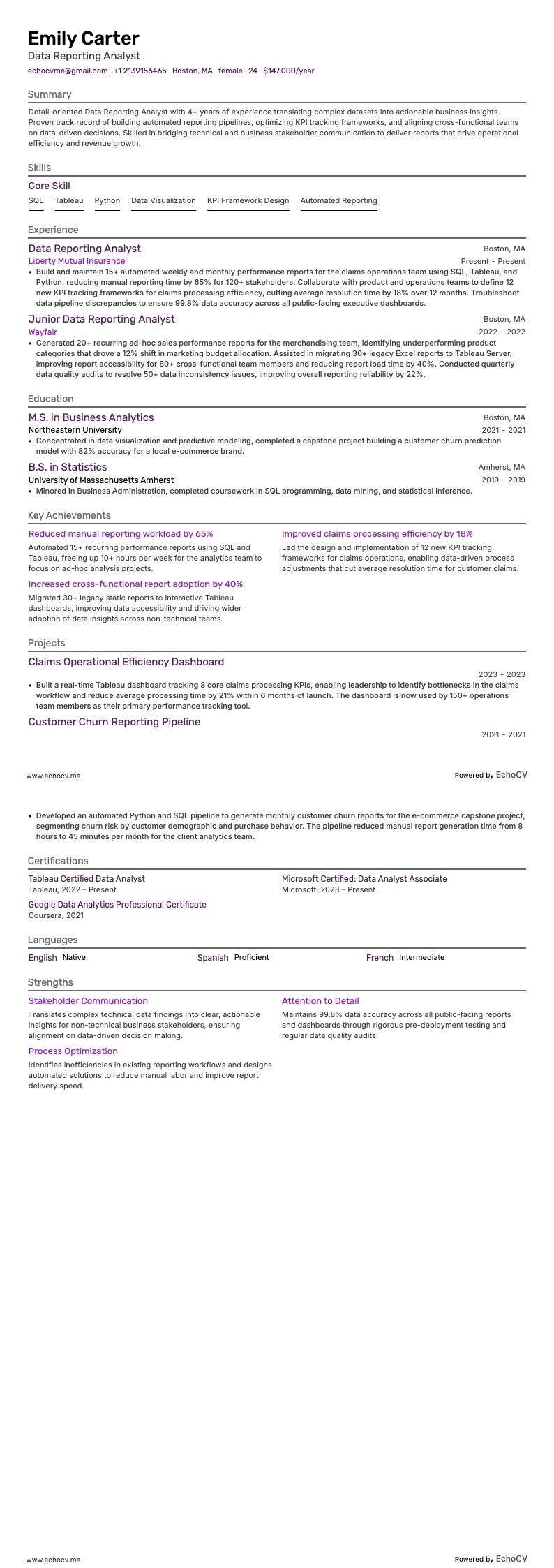
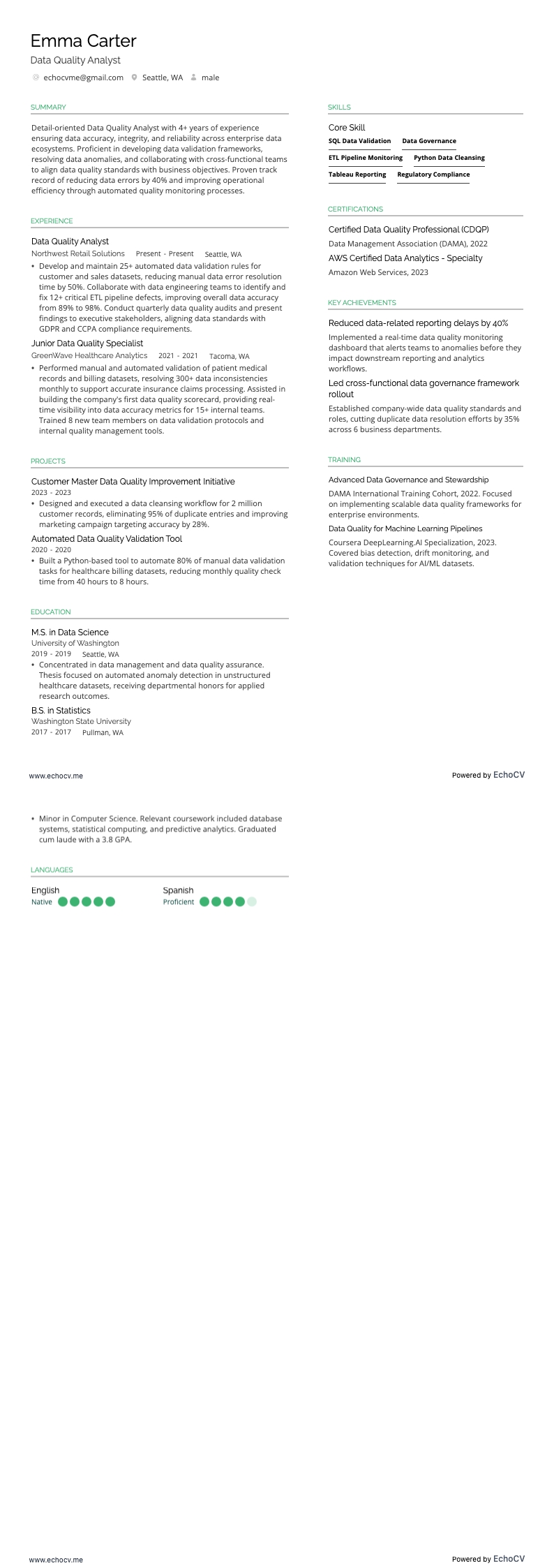
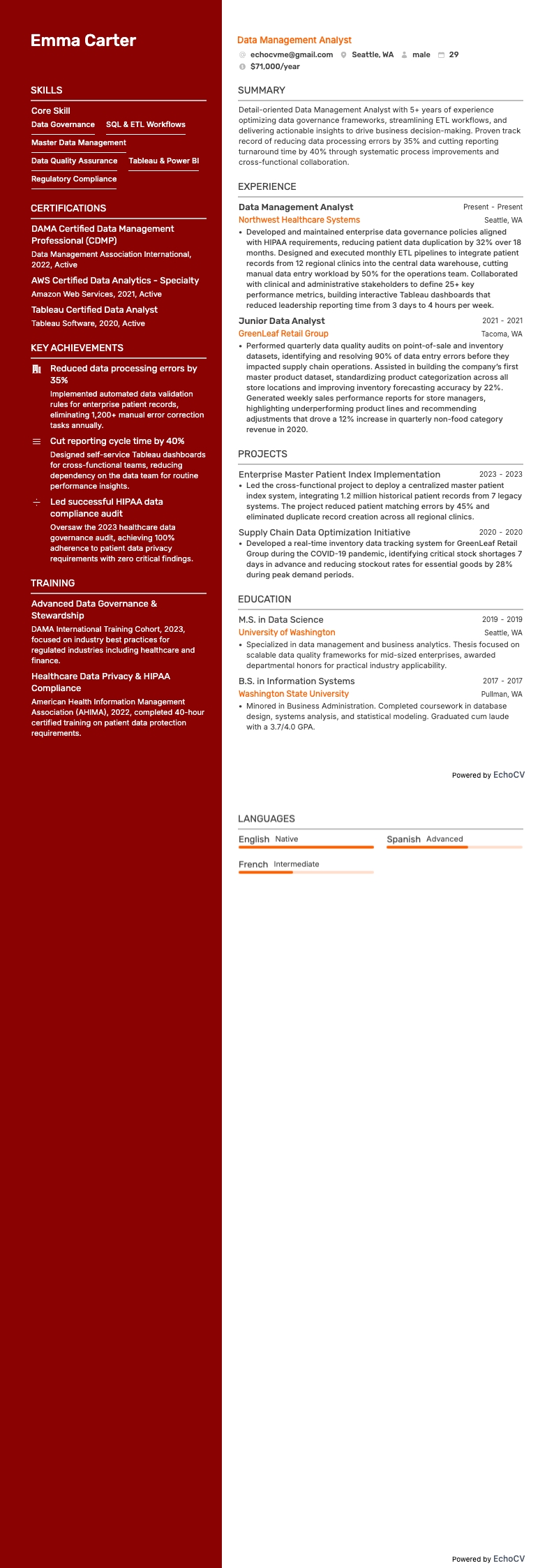
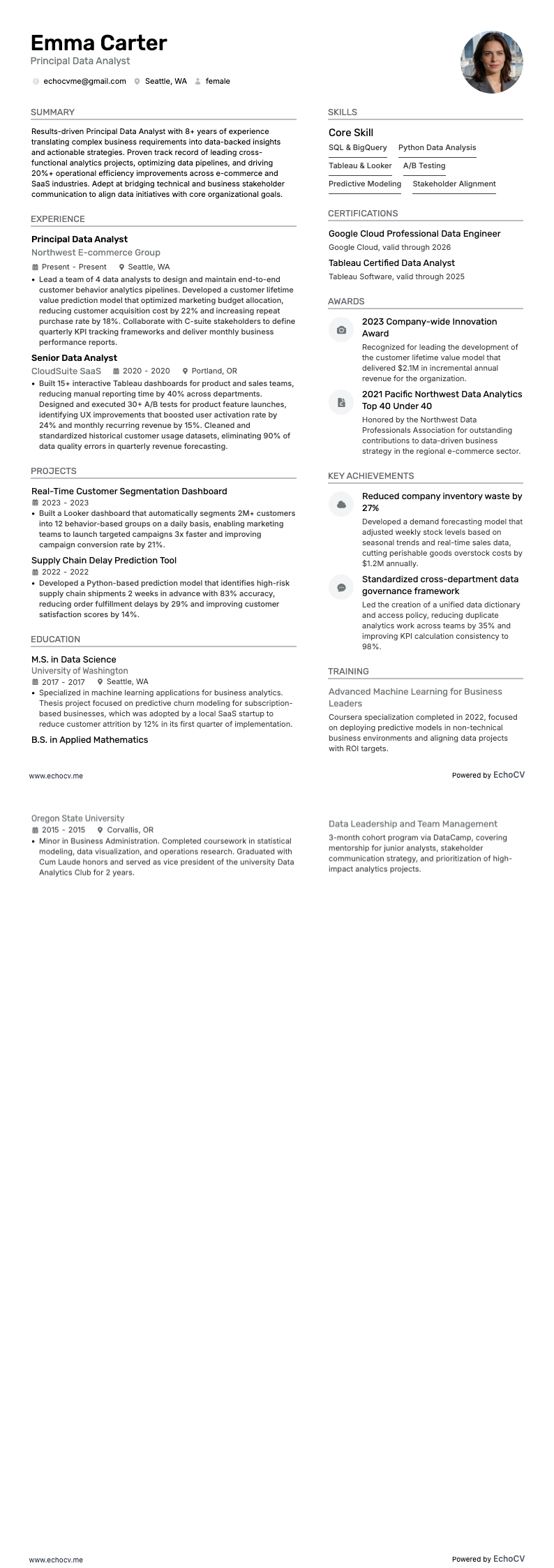
Quantitative metrics are crucial in making a strong impression on recruiters because they provide concrete evidence of your capabilities. Numbers, percentages, and specific metrics transform your experiences from vague statements into compelling proofs of your effectiveness.
Here are the best quantifiable results to show recruters the scope of your impact:
- Increased sales through data analysis: Can you quantify the percentage or amount your data analysis strategies contributed to sales growth?
- Enhanced efficiency in data processing: In what ways did your improvements or innovations reduce the time or resources required for data processing tasks?
- Achieved cost reduction: How much cost savings, in percentage or dollar amount, were realized through your data-driven optimizations?
- Boosted customer satisfaction: Reflect on the increase in customer satisfaction scores or ratings due to your analytical insights.
- Accelerated project completion: Describe the time saved in project completion, such as finishing ahead of schedule, due to your management or analytical skills.
- Influenced decision-making: How did your data insights impact key business decisions, and what changes in market share or business growth were observed?
- Improved data accuracy: Quantify the improvement in data accuracy or reduction in errors achieved through your data validation or cleaning processes.
- Enhanced predictive model accuracy: What was the percentage improvement in the accuracy of predictive models you developed?
- Streamlined reporting processes: Estimate the hours or resources saved per week or month due to more efficient reporting systems or tools you implemented.
- Optimized marketing campaigns: Discuss the improvement in marketing outcomes, like lead generation or conversion rates, due to your data-driven strategies.
How do I write a data analyst resume with no experience
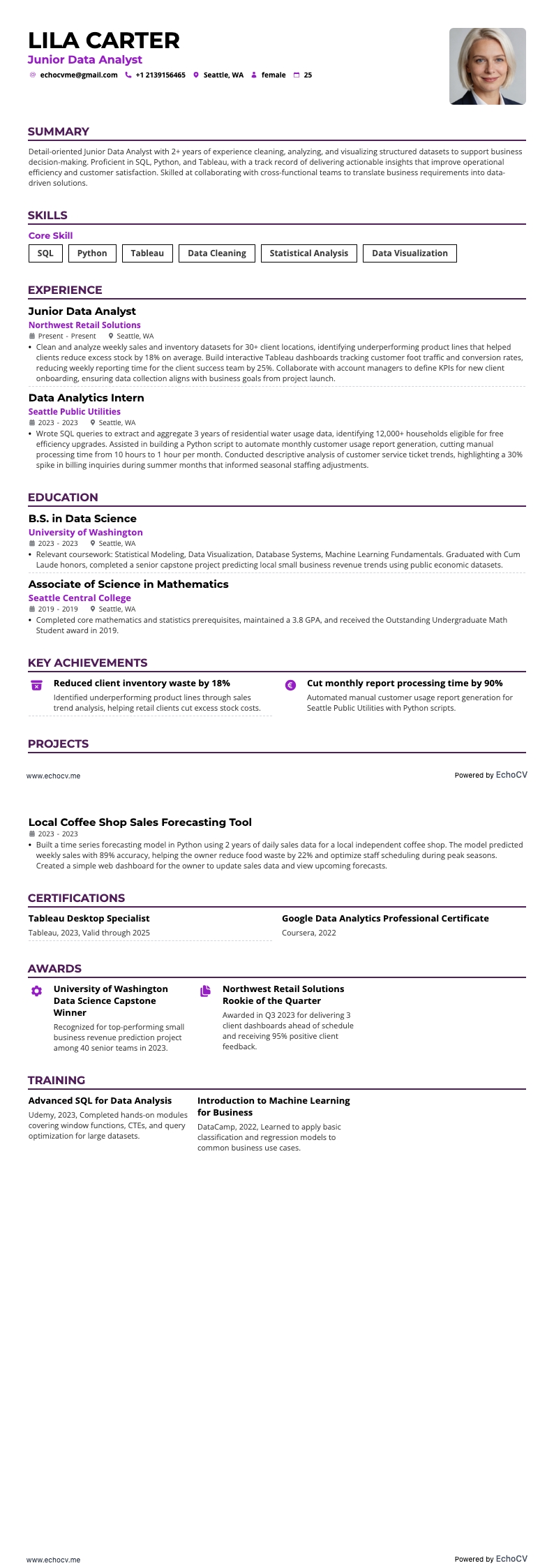
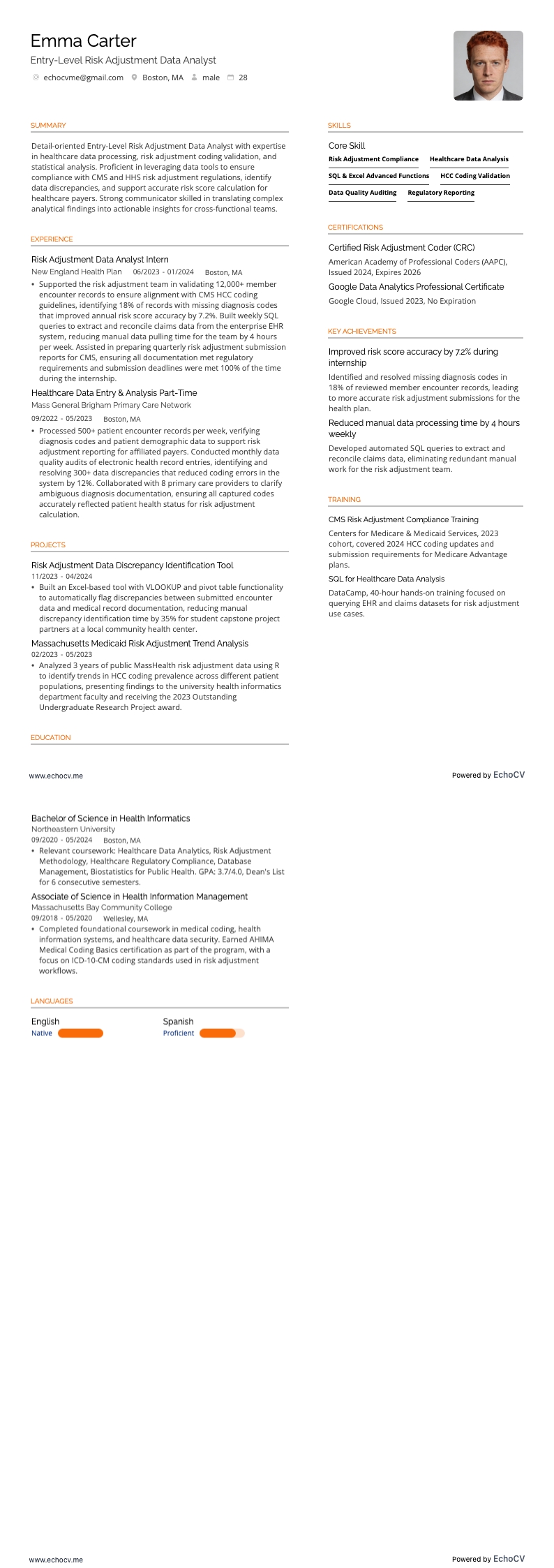
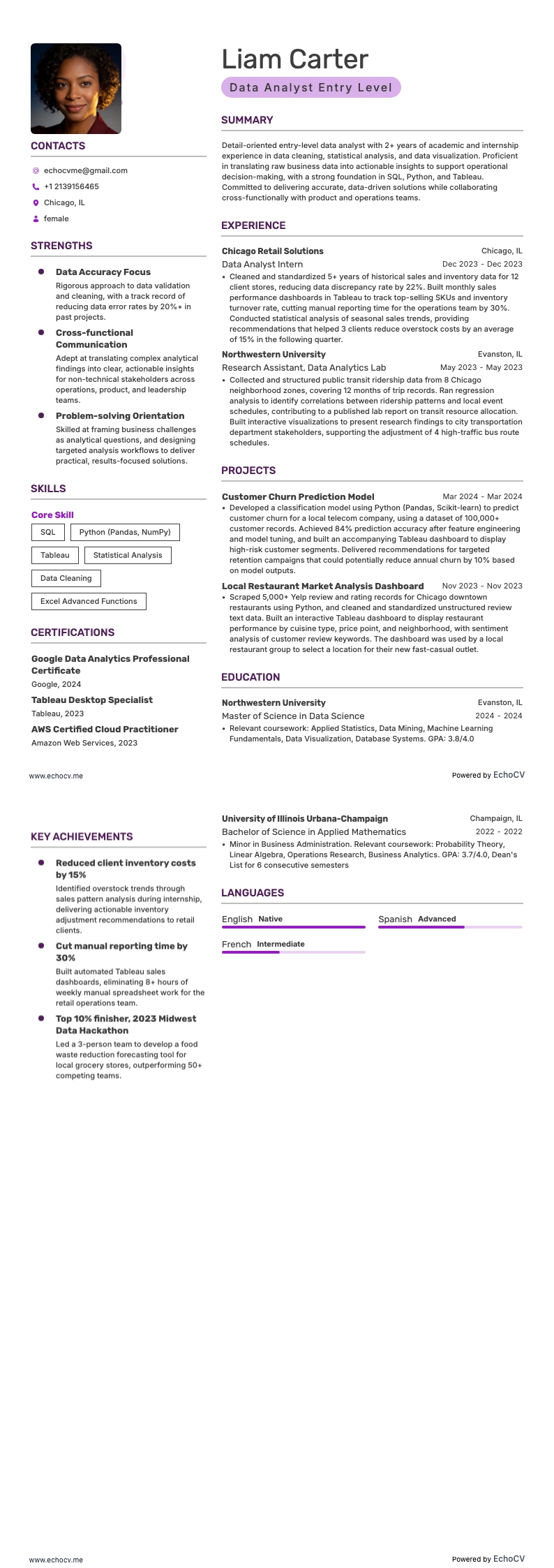
Embarking on a career as a data analyst can be both exciting and daunting, especially when you're just starting out. Your lack of experience may be the reason you’re missing out on some of the positions you’ve always dreamed of.
But it’s vital to remember that every seasoned data analyst was once a beginner, standing exactly where you are now. The key to breaking into this field is crafting a resume that showcases your potential and puts your best foot forward. This is your first step towards landing that dream job in data analysis.
Here are our tips to help you build an appealing resume despite a lack of direct experience:
- Highlight educational achievements: Emphasize relevant coursework, degrees, or certifications in data analysis as a key part of your resume.
- Showcase transferable skills: Many skills you learned from other disciplines like problem-solving and attention to detail can be applicable to data analysis.
- Include relevant projects: Detail any academic or personal projects involving data analysis.
- Demonstrate enthusiasm for learning: Recruiters love to see that you’re committed to growing in the field through courses or self-teaching.
- Leverage internship experience: Use any internships to display workplace adaptability and skills.
- Craft a compelling resume objective: Write a strong objective focusing on your passion and career goals in data analysis.
How to list your hard skills and soft skills on your resume
When hiring data analysts, recruiters seek candidates who possess a dynamic mix of technical skills and interpersonal traits. These abilities are not just perks but necessities, allowing data analysts to excel in their daily tasks and thrive in their roles.
Before we delve into how you can list skills on a resume, let us first define what soft skills and technical skills are.
Soft skills encompass the personal and interpersonal talents that shape how you interact in a professional setting. This includes traits that enable you to navigate complex data challenges, such as problem-solving, articulate data-driven insights to diverse audiences, such as communication, and collaborate across various departments, exemplified by teamwork.
Technical skills refer to the specific expertise required to perform various job functions. In data analysis, this includes proficiency in tools like SQL, Python, R, and Excel for data manipulation, skills in data visualization tools such as Tableau or Power BI, among others.
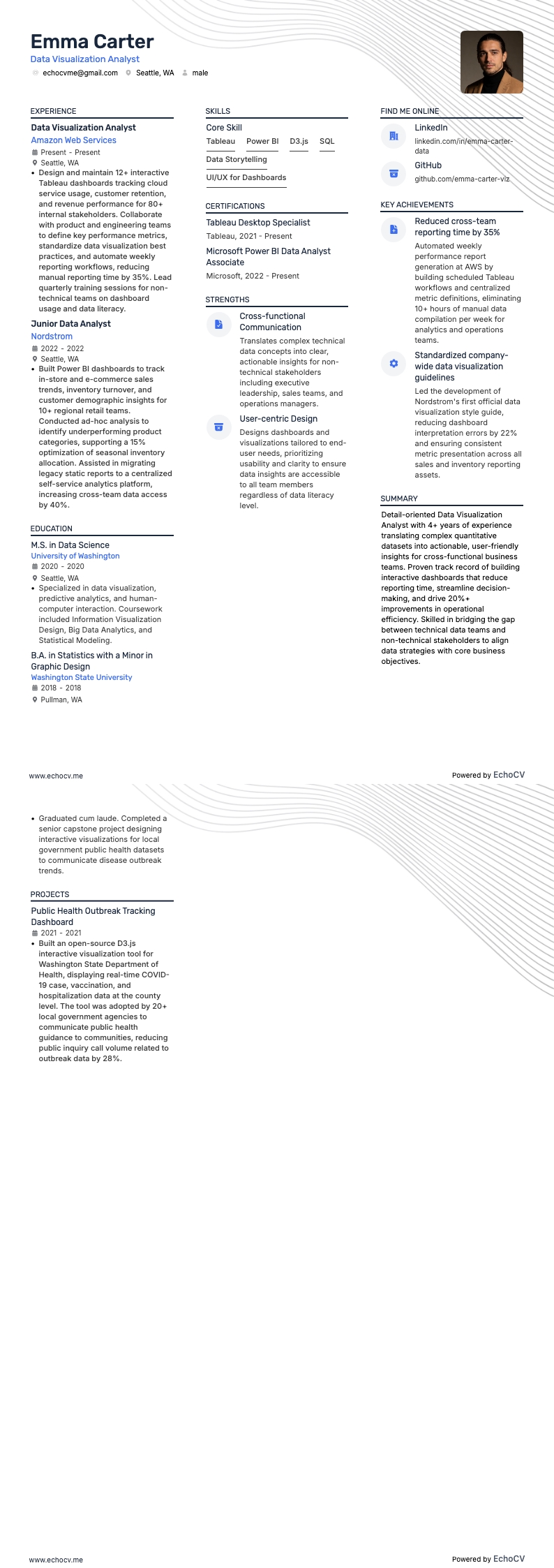
Blending these soft and technical skills is key to catching a recruiter's eye and distinguishing yourself from other candidates. Here’s how you can do that in your data analyst resume:
- Read carefully through the job description to identify the skills the employer values.
- Align your skillset with those required, highlighting a mix of technical and soft skills.
- Prioritize your most relevant and strongest skills at the top of your skills section.
- Provide context with examples of how you've applied these skills in your career in the summary, experience, and achievements section.