Xem trước đầy đủ Giám đốc Y khoa

20 mẫu sơ yếu lý lịch bác sĩ

EchoCV

Được viết bởi đội ngũ EchoCV

Cập nhật: 6/30/20248 min read

Xem tất cả ví dụ CV trong hướng dẫn này hoặc tạo ví dụ CV của riêng bạn với prompt cá nhân hóa

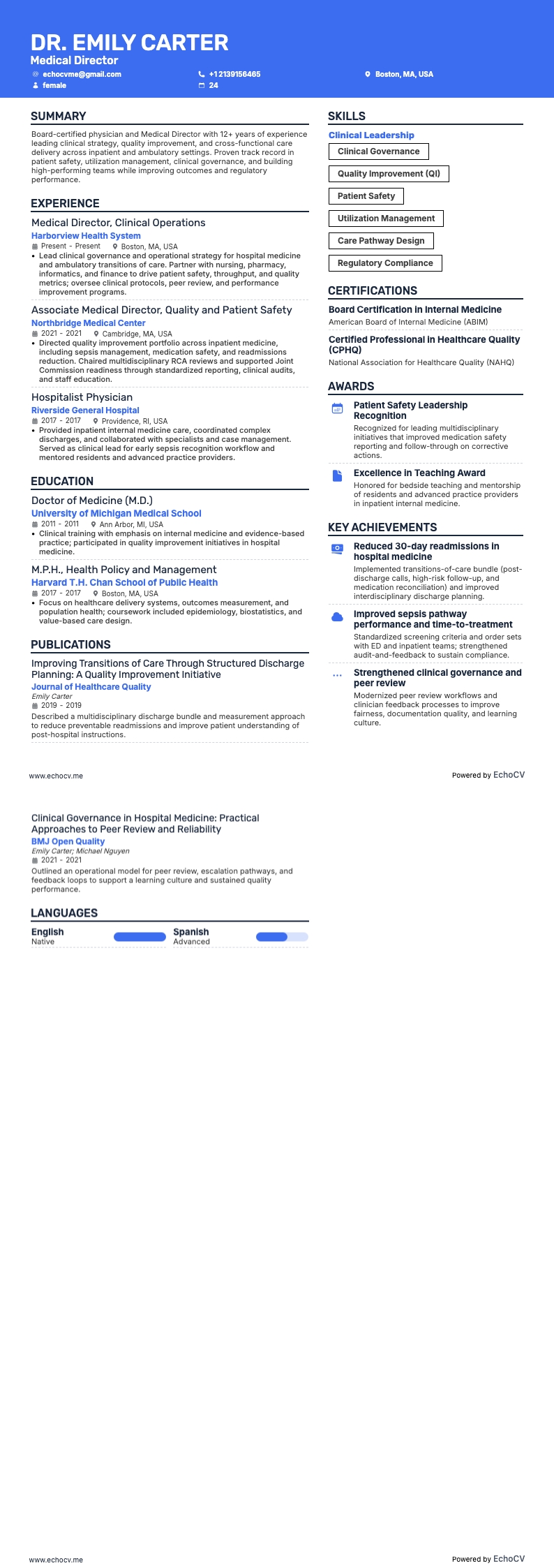
Giám đốc Y khoa example resume
Giám đốc Y khoa

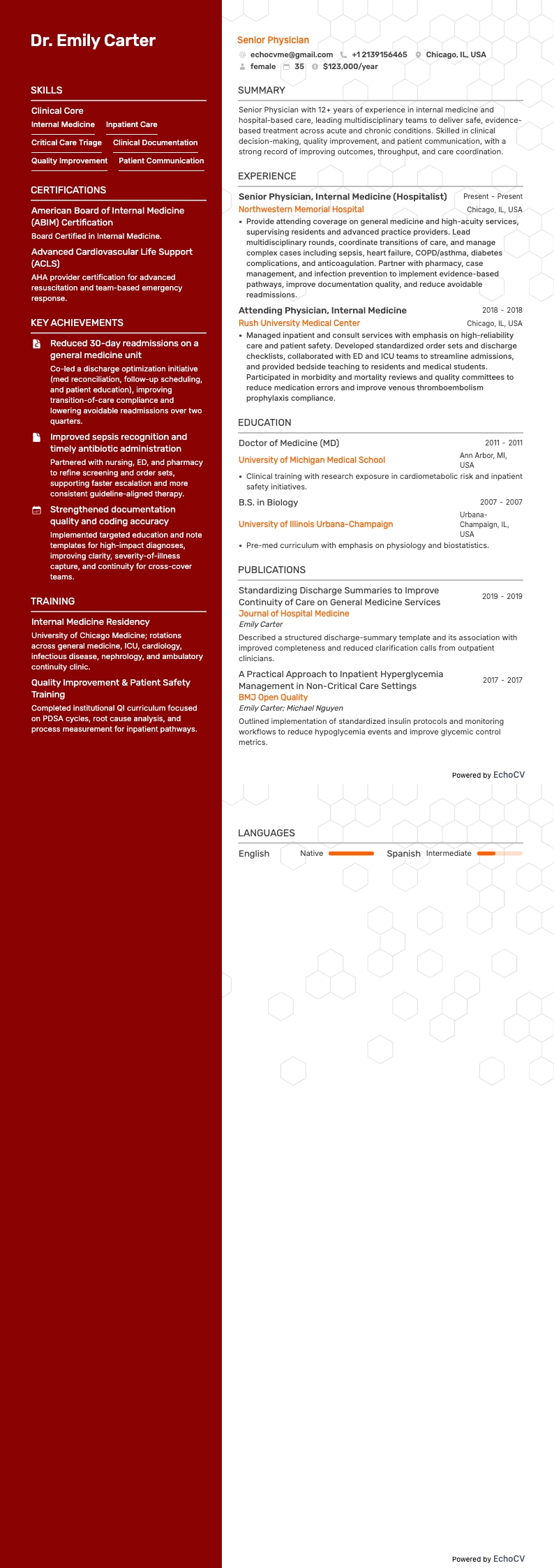
Bác sĩ cao cấp example resume

Bác sĩ cao cấp

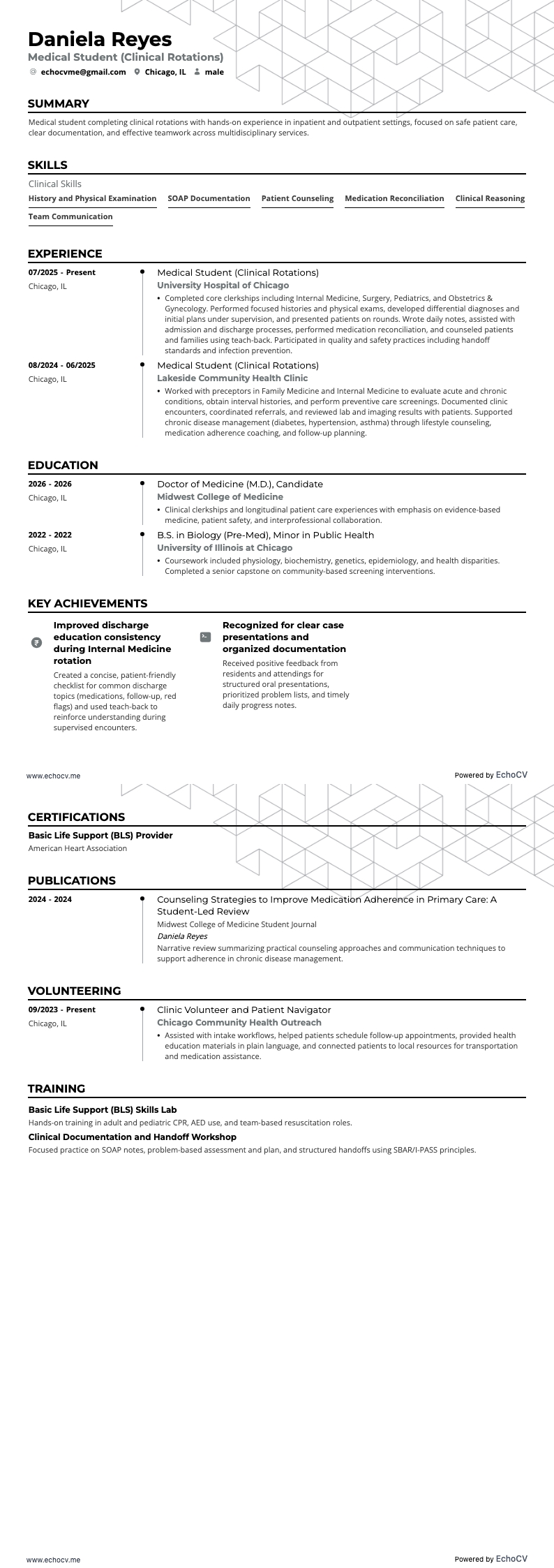
Sinh viên Y khoa (Luân khoa lâm sàng) example resume
Sinh viên Y khoa (Luân khoa lâm sàng)

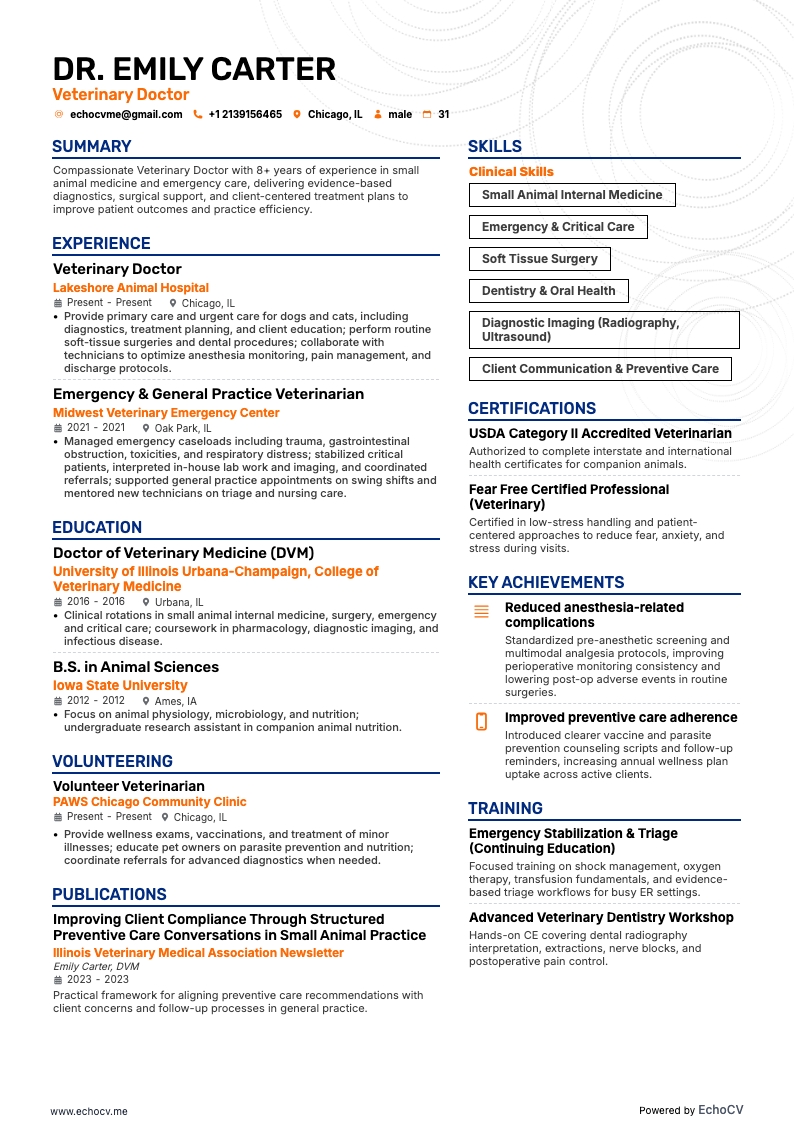
Bác sĩ thú y example resume
Bác sĩ thú y

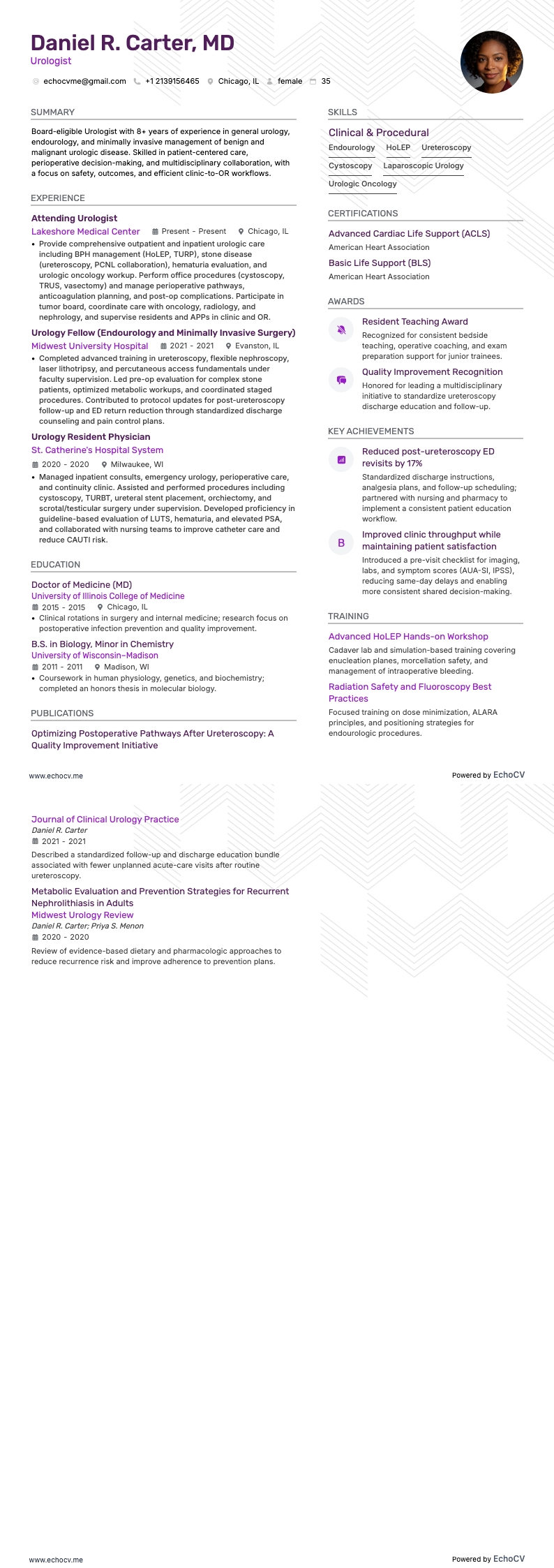
Bác sĩ tiết niệu example resume

Bác sĩ tiết niệu

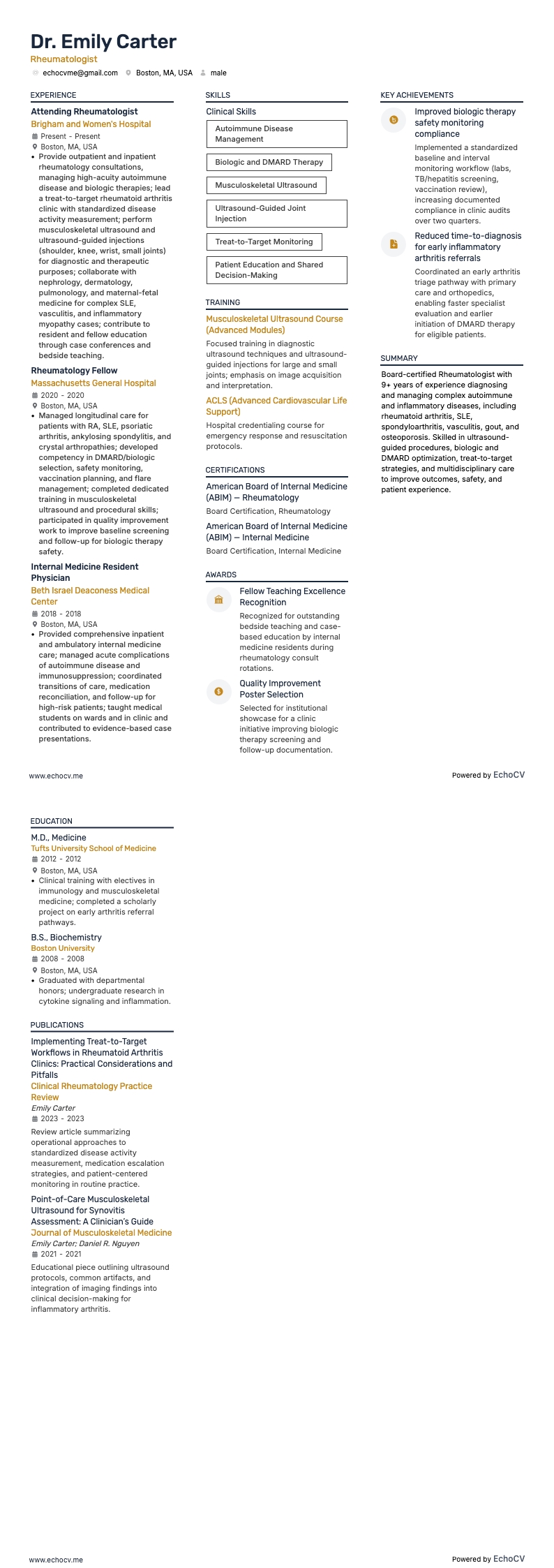
Bác sĩ thấp khớp example resume

Bác sĩ thấp khớp

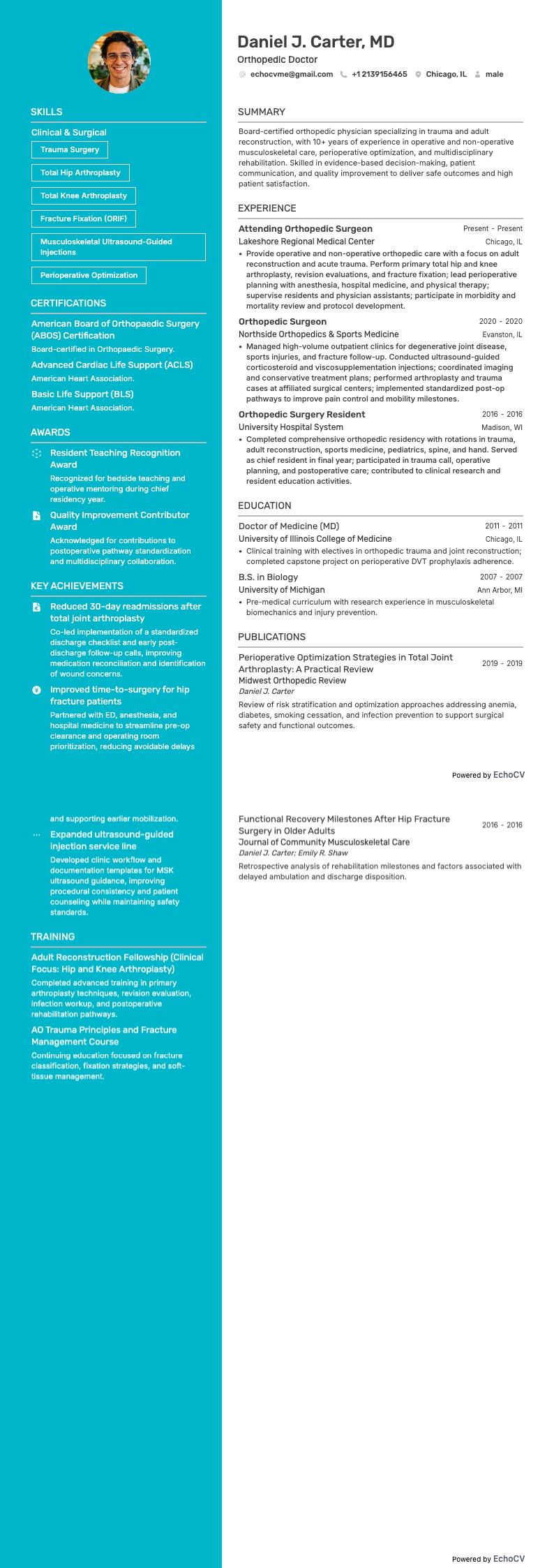
Bác sĩ chỉnh hình example resume

Bác sĩ chỉnh hình

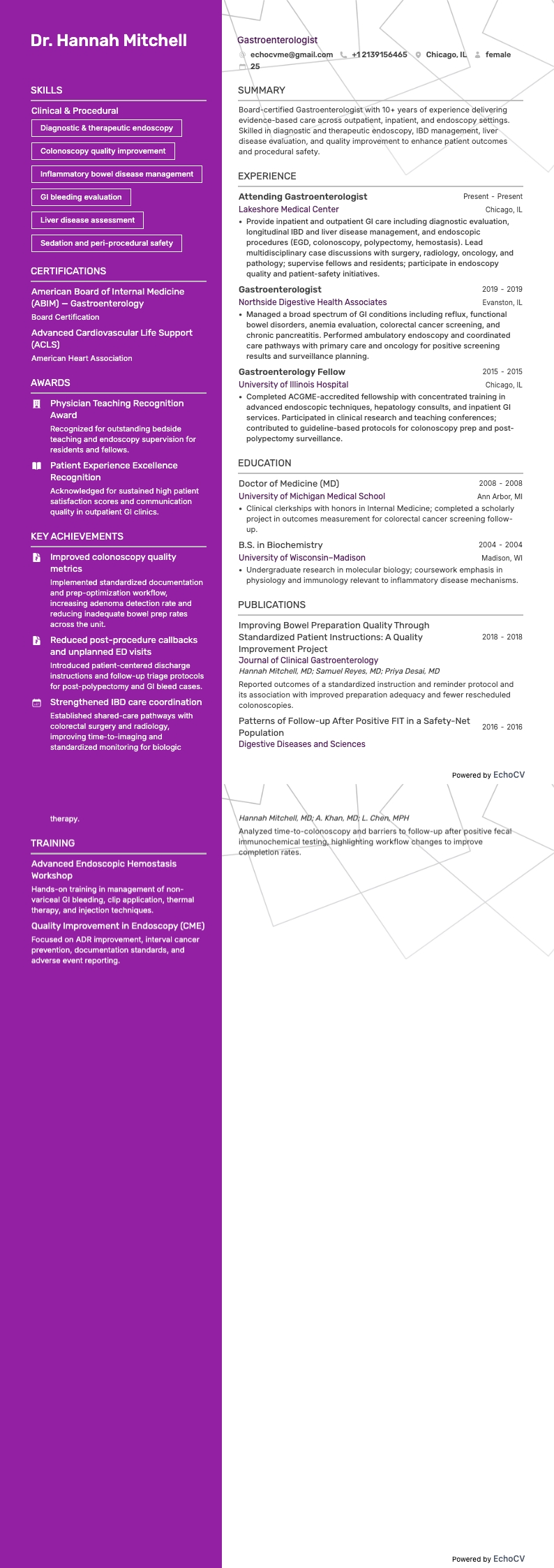
Bác sĩ tiêu hóa example resume

Bác sĩ tiêu hóa

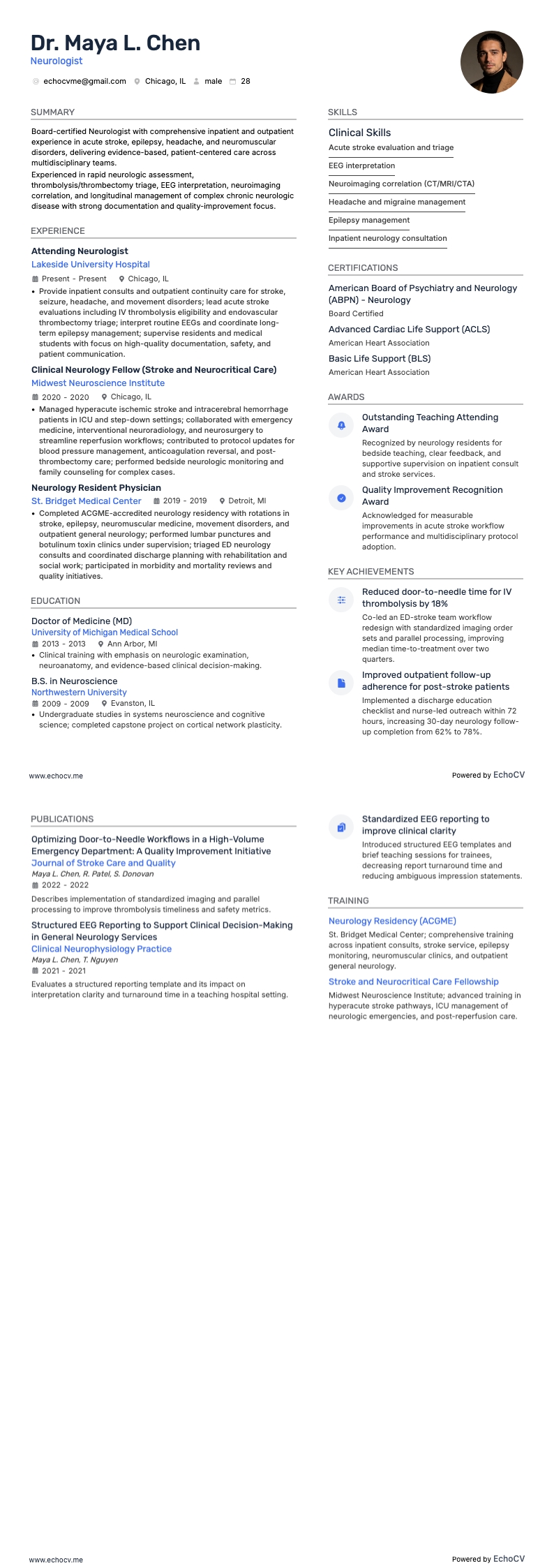
Bác sĩ thần kinh example resume

Bác sĩ thần kinh

Bác sĩ chẩn đoán hình ảnh example resume
Bác sĩ chẩn đoán hình ảnh

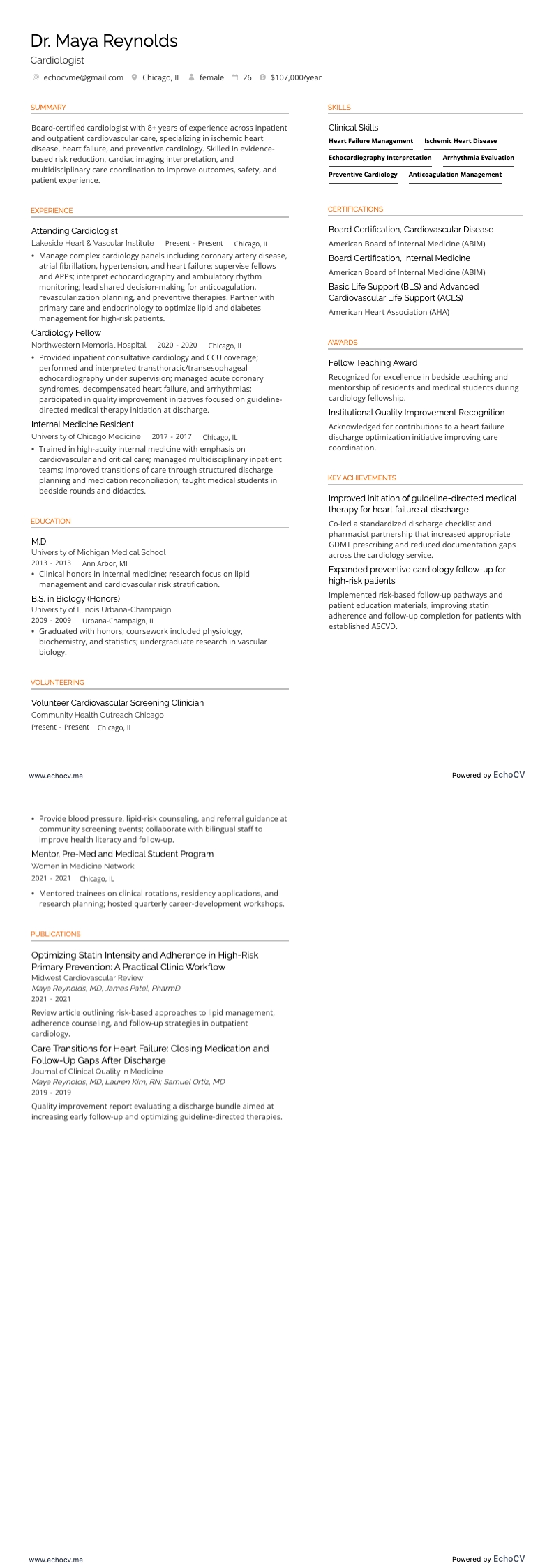
Bác sĩ tim mạch example resume
Bác sĩ tim mạch

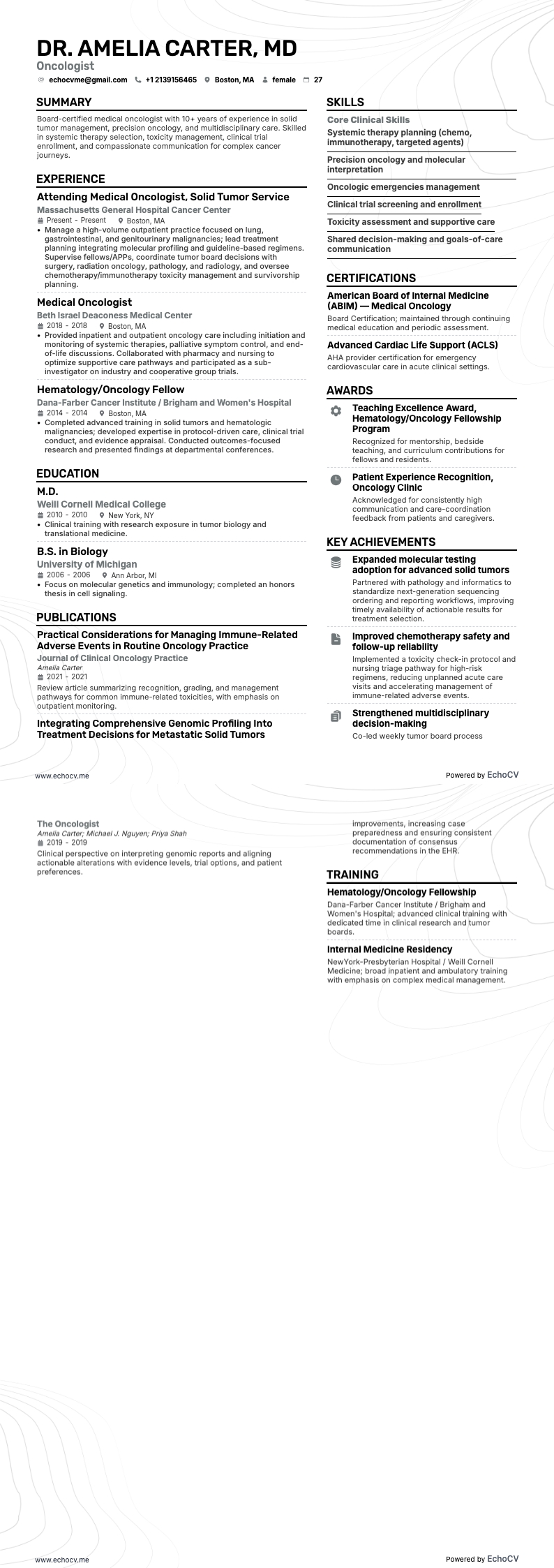
Bác sĩ ung bướu example resume

Bác sĩ ung bướu

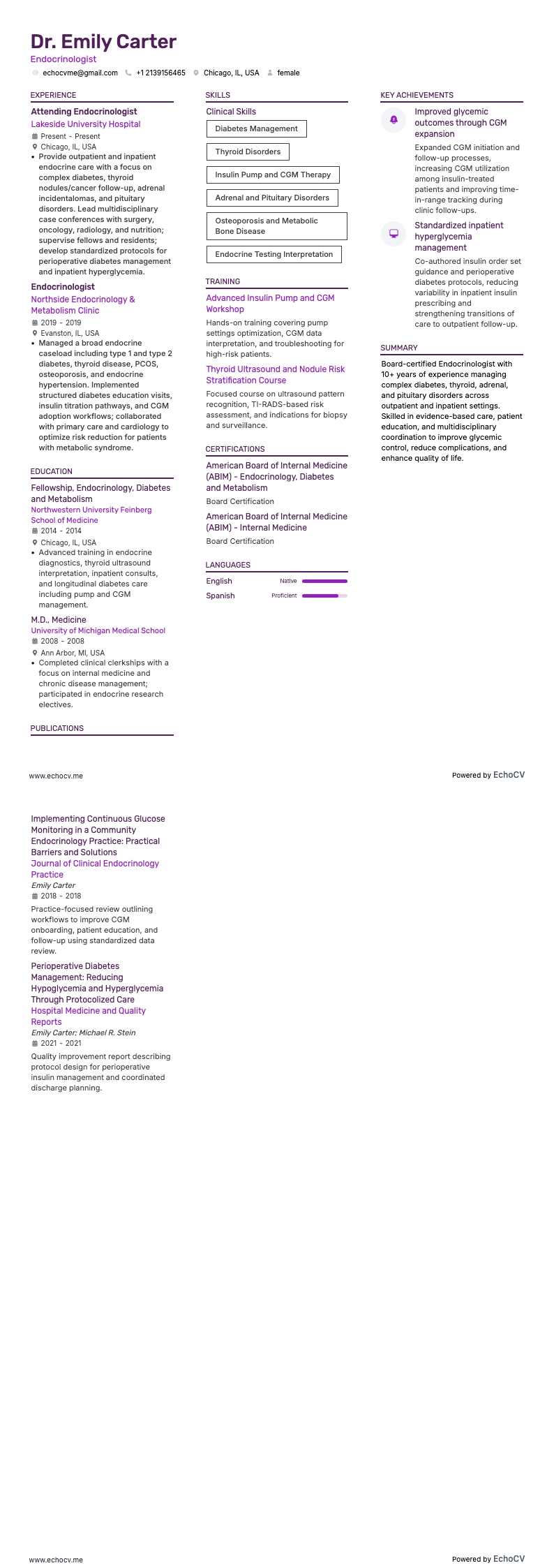
Bác sĩ nội tiết example resume

Bác sĩ nội tiết

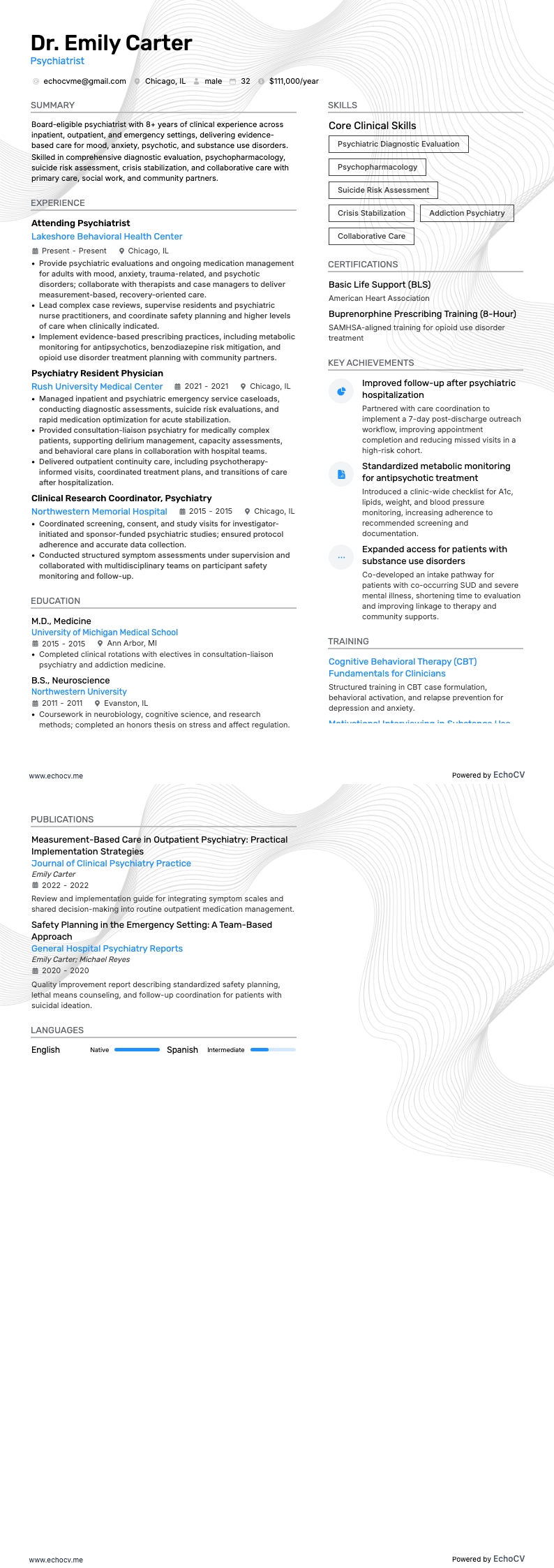
Bác sĩ tâm thần example resume

Bác sĩ tâm thần

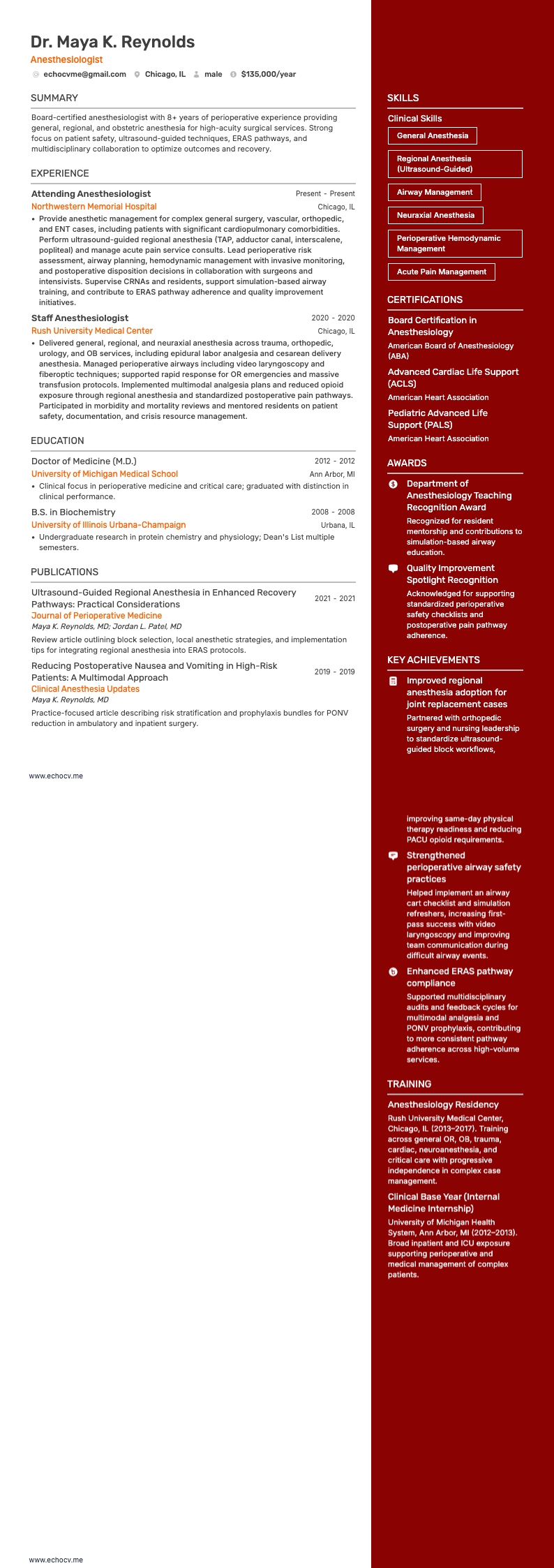
Bác sĩ gây mê example resume

Bác sĩ gây mê

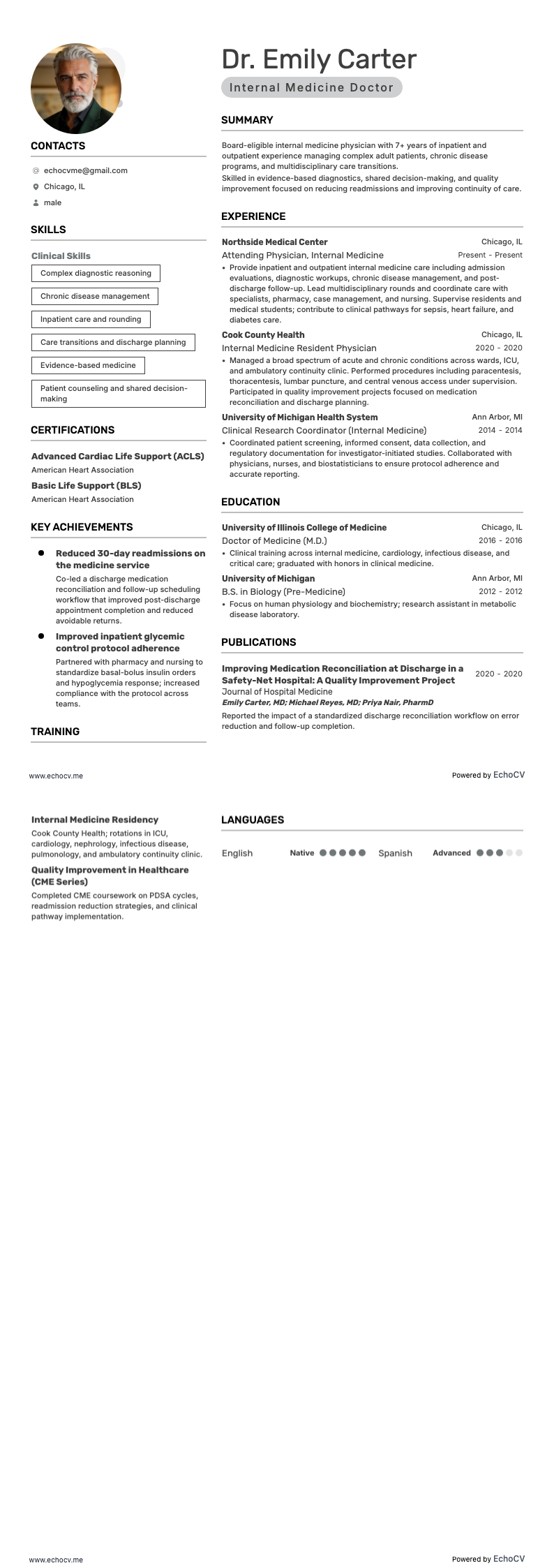
Bác sĩ nội khoa example resume

Bác sĩ nội khoa

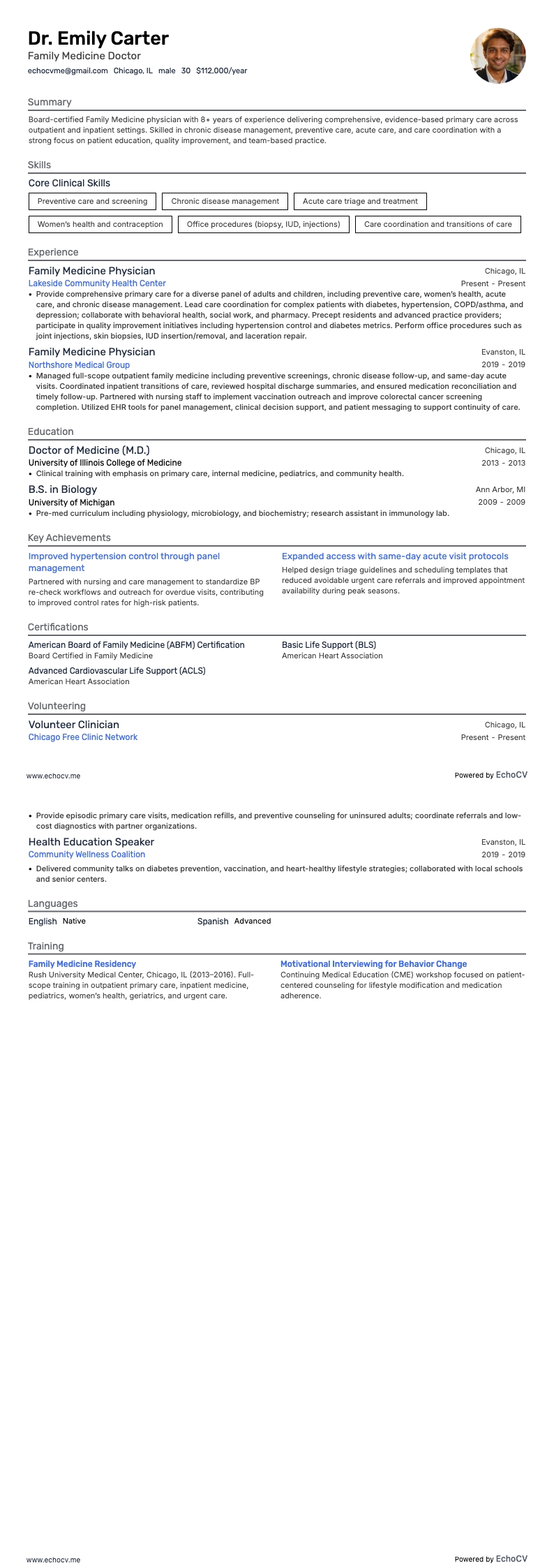
Bác sĩ y học gia đình example resume
Bác sĩ y học gia đình

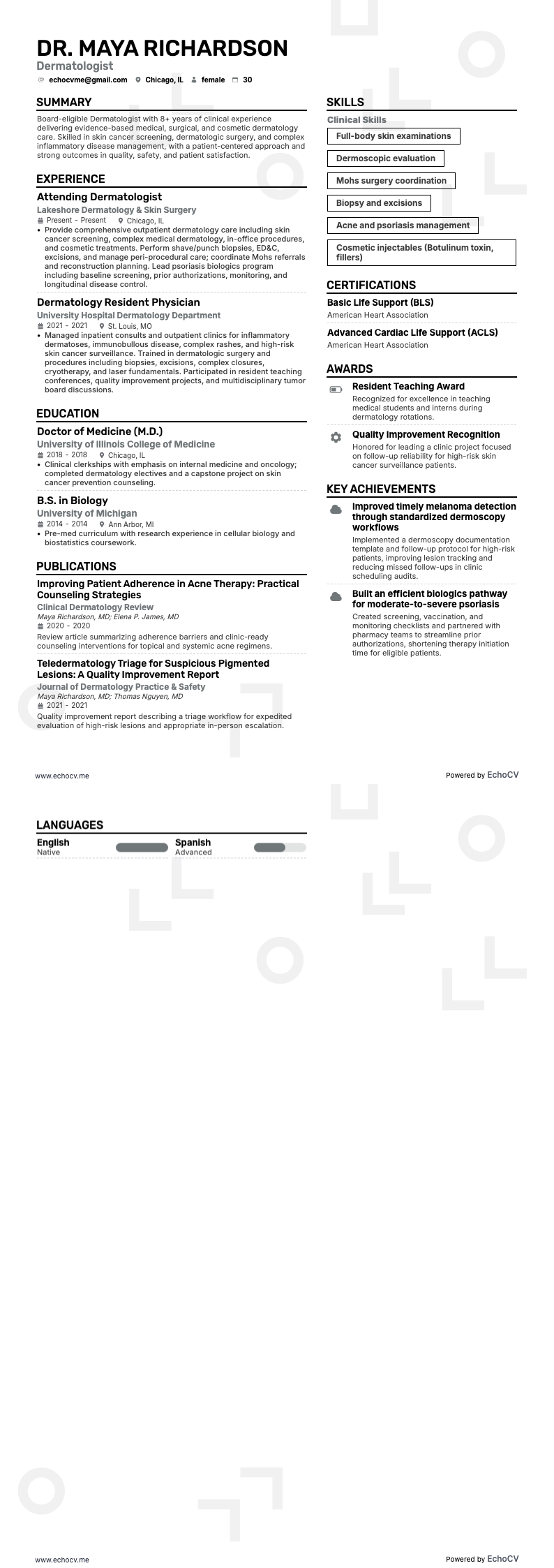
Bác sĩ da liễu example resume
Bác sĩ da liễu

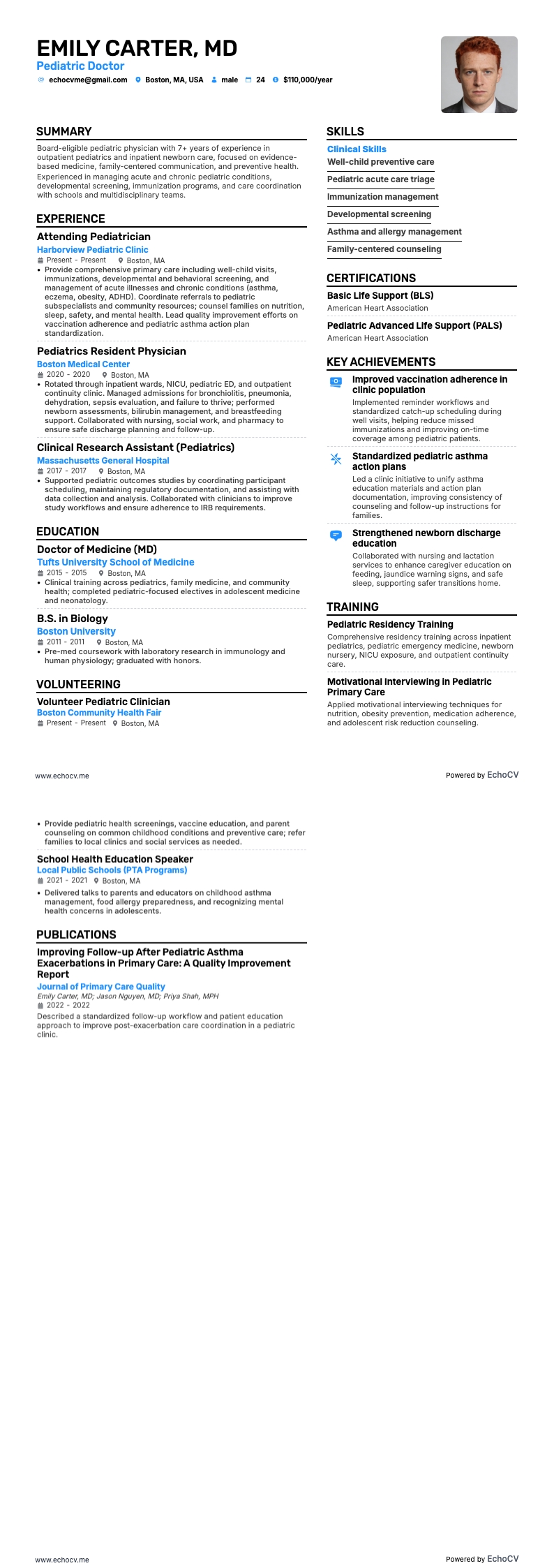
Bác sĩ nhi khoa example resume

Bác sĩ nhi khoa

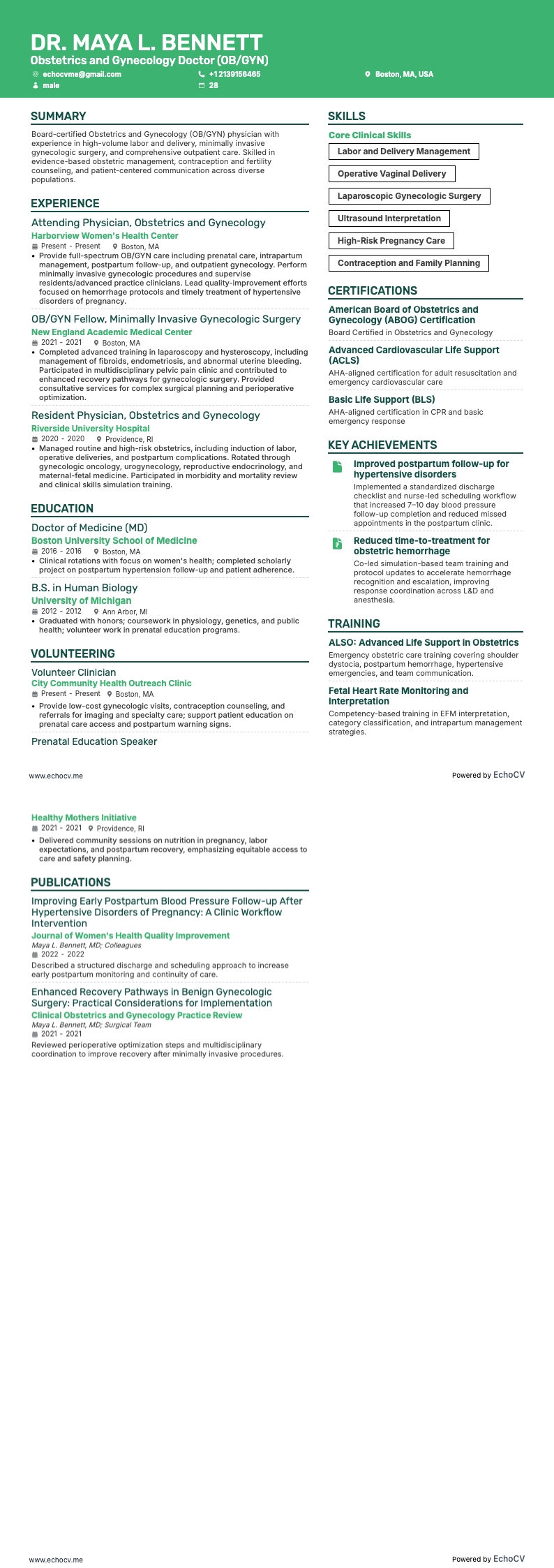
Bác sĩ Sản phụ khoa (OB/GYN) example resume
Bác sĩ Sản phụ khoa (OB/GYN)

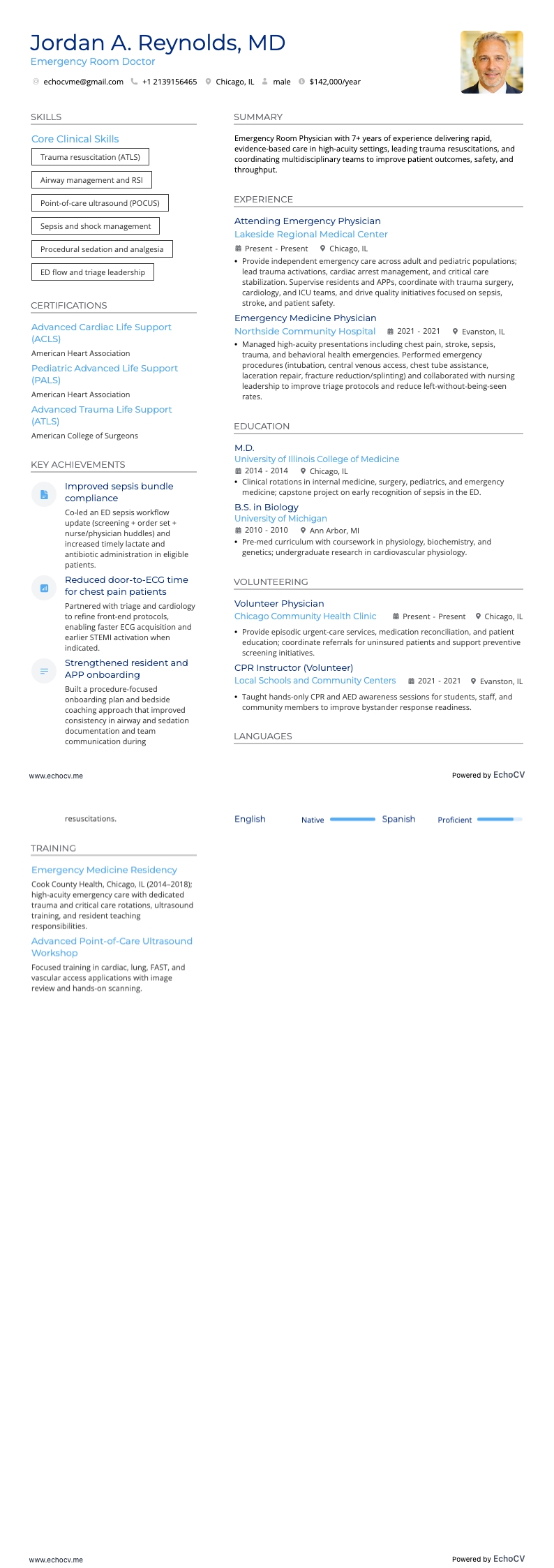
Bác sĩ cấp cứu example resume
Bác sĩ cấp cứu

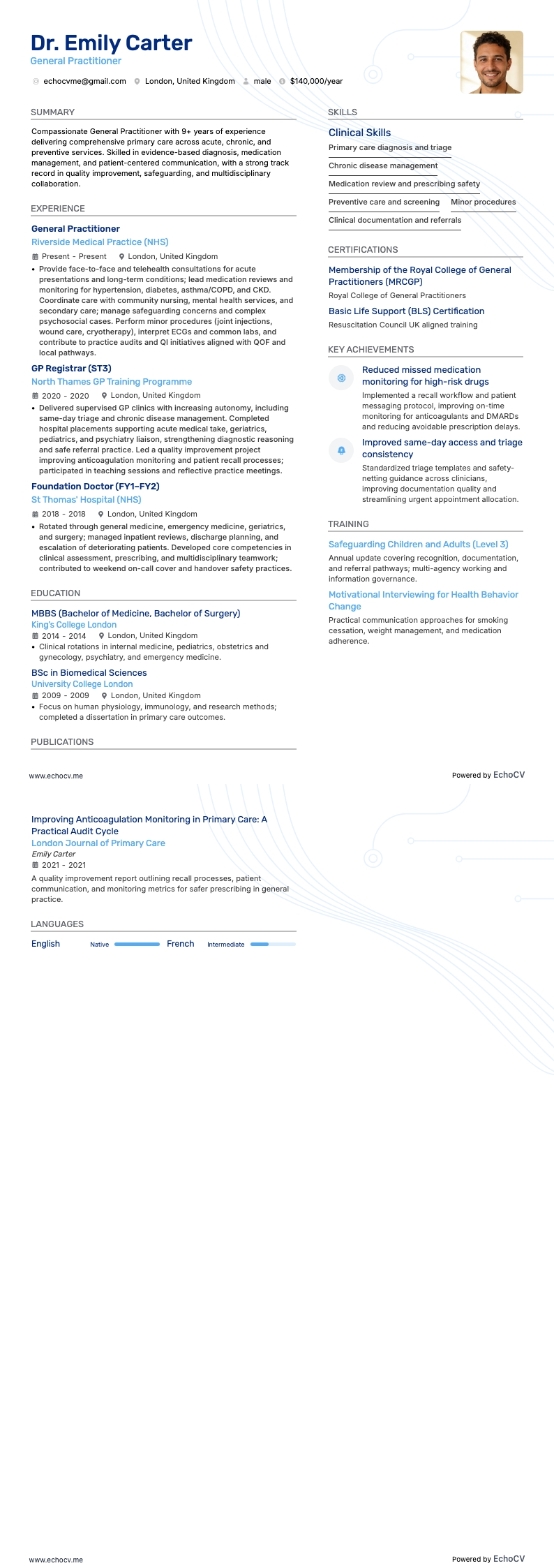
Bác sĩ đa khoa example resume

Bác sĩ đa khoa

A great medical doctor resume does more than list credentials—it shows the difference you make in patients’ lives, your ability to lead clinical teams, and the outcomes you’ve achieved in high-pressure environments.

Whether you’re applying for a hospital leadership role, joining a new healthcare system, or exploring non-clinical opportunities in management or health technology, a clear and well-structured resume helps your expertise stand out.

While some medical roles still require a detailed curriculum vitae (CV)—especially in academia or research—this guide focuses on creating a resume for practicing physicians who are advancing their careers or transitioning into leadership positions.

Here, you’ll find doctor resume examples, templates, and expert insights to help you present your medical experience with confidence and clarity.

Key takeaways

  • A doctor resume should highlight measurable outcomes and leadership impact, not just a list of credentials.

  • Use a reverse-chronological or hybrid format to make your qualifications easy to verify.

  • Avoid academic detail overload—focus on results, patient outcomes, and systems improvement.

  • Include relevant keywords and keep formatting simple. Echocv’s Resume Checker can help ensure your document passes both ATS and human review.

  • Update your resume regularly to reflect active licenses, certifications, and evolving areas of expertise.

Before diving into the how-tos, explore our selection of doctor resume examples to see how different MDs present their experience across various medical roles.

How to choose the best doctor resume format

Recruiters and hospital administrators reviewing physician resumes look for clarity, credibility, and a consistent career story. The format you choose determines how easily they can see your qualifications, leadership experience, and clinical results.

Most medical doctors should use a reverse-chronological format, as it highlights your most recent and relevant clinical experience first. This structure helps hiring teams quickly verify your credentials, licenses, and scope of responsibility—all crucial in healthcare hiring.

If you’re shifting from clinical practice to administration, consulting, or health tech, a hybrid (combination) format works best. It lets you spotlight transferable skills—like operational management, data-driven decision-making, or patient safety leadership—while still presenting a clear work history.

What sections should go on a doctor's resume?

A well-structured physician resume typically includes:

  • Header: Full name, medical credentials (e.g., MD, DO), contact details, and a professional profile link (LinkedIn or Doximity)
  • Professional summary: A brief snapshot of your specialty, years of experience, and key achievements
  • Clinical experience: Your practice settings, patient population, and measurable outcomes or leadership impact
  • Education and medical training: Medical school, residency, and fellowships in reverse-chronological order
  • Certifications and licenses: Board certifications, state licenses, and continuing education relevant to your specialty
  • Core skills: Clinical expertise, diagnostic proficiency, and interpersonal or administrative skills that support patient care and team performance
  • Optional sections: Research contributions, publications, conference presentations, or professional affiliations (e.g., AMA, AAFP, ACP)

The sections you include—and the emphasis you give each—should align with your target role. A professional moving into hospital leadership, for example, might prioritize management and quality improvement achievements over research or publications.

Once you’ve outlined your sections, it’s worth checking how your resume performs before you send it out. With Echocv’s Resume Checker, you can instantly see how your doctor resume scores on structure, keywords, and clarity—and get personalized suggestions to make it stronger.

How to write your doctor resume experience

Your experience section should give a clear sense of what you do every day and why it matters. Think of it as a way to show the scope of your work, the settings you’ve practiced in, and the difference your care or leadership has made.

Keep each entry focused. Start with where you worked and your role, then use a few short bullet points to show what you achieved or improved. Instead of listing clinical duties, describe the impact of your decisions—whether it’s better patient outcomes, smoother operations, or a more confident team.

Here’s what a strong entry might look like:

Good example of a doctor's experience section

Attending Physician

Internal Medicine | Cleveland Clinic, OH
2018–2020

  • Managed a patient panel of over 1,000 adults, maintaining a 92% chronic disease management compliance rate.
  • Introduced an EHR workflow that cut documentation time by 20% while improving data accuracy.
  • Mentored a team of eight residents, fostering collaboration and evidence-based practice.

Avoid listing medical school rotations or required training once you’ve completed residency—they belong on a CV, not a resume. Here, focus on your post-training clinical roles and measurable contributions.

How to tailor your doctor resume experience

In medicine, job descriptions can sound almost identical, but the expectations behind them rarely are. Tailoring your resume isn’t about rewriting your story, but about choosing which parts of your experience matter most for the role in front of you.

Here’s how to approach it:

  • Read the job posting like a patient chart: identify the priorities, such as patient outcomes, leadership, operational efficiency, or teaching.
  • Match their language: if they emphasize “care coordination,” use that phrase where it fits naturally.
  • Highlight relevant scale: patient volume, team size, or department scope signal your level of responsibility.
  • Show results tied to their goals: improved discharge rates, lower readmissions, higher satisfaction scores.
  • Leave out what’s routine: focus on what distinguishes you in your field, not what every clinician does daily.

MẸO CHUYÊN GIA

Following these steps also helps your resume pass through healthcare-specific ATS systems, which often screen applications based on required qualifications or key medical terms.

To put this in context, let’s look at how two tailored resume bullets might read when aligned with real physician job postings.

Resume tailoring for a hospital medicine physician

Job description excerpt

MD or DO, Board Certified or Board Eligible in Family Medicine or Internal Medicine. 1–2 years of experience preferred, with a focus on collaboration with APCs in the hospital medicine setting.

Tailored resume bullet

Provided inpatient care in collaboration with advanced practice clinicians, managing 14–18 patients daily and supporting continuity between hospitalist and specialty teams.

Notice how the bullet takes a basic requirement—”working collaboratively in a hospital setting”—and turns it into proof of scope and impact.

Here’s how that same approach applies to a different physician role:

Resume tailoring for a medical director

Job description excerpt

Seeking a dedicated and experienced Medical Director (MD or DO) to lead a clinical team and oversee the delivery of high-quality patient care. Requires strategic thinking and expertise in men’s health.

Tailored resume bullet

Lead a multidisciplinary clinical team focused on preventive and hormone health, introducing standardized care pathways that increased patient follow-up compliance by 15% in the first year.

Tailoring shows that you understand what the hospital or clinic truly needs—and helps your resume stand out to both hiring committees and ATS systems. Start with a master resume that includes all your experience, then create tailored versions for specific job ads. With Echocv’s One-Click Tailoring Tool, you can paste the job description and instantly adjust your bullets, skills, and summary to match the role.

How to quantify your experience on an MD resume

Unlike an academic CV, where you’d list every training program, rotation, and publication, a resume is meant to help hiring managers see your impact quickly. In this format, it’s less about documenting everything you’ve done and more about showing the difference you’ve made.

That’s where numbers come in. Quantifying your work helps translate medical expertise into measurable outcomes—the kind of proof hospitals and healthcare employers look for when choosing their next physician.

Here are a few simple ways doctors can quantify their results:

  • Patient outcomes: improvement rates, readmission reductions, or chronic disease management compliance.
  • Efficiency metrics: shorter wait times, higher throughput, or reduced documentation time.
  • Patient experience: satisfaction or follow-up adherence percentages.
  • Leadership impact: number of staff supervised, programs implemented, or departments supported.
  • Operational performance: cost savings, improved scheduling accuracy, or reduced medical errors.

You don’t need numbers everywhere—just enough to show the scale and effect of your decisions.

Example: “Reduced outpatient wait times from 45 to 25 minutes by coordinating a new triage protocol and cross-training nursing staff.”

If you’d like help turning your results into strong, measurable statements, try Echocv’s Bullet Point Generator. It creates clear, results-driven bullets in seconds—you just need to fine-tune them to sound like you.

How to list your medical skills on a resume

A doctor’s skill set goes far beyond clinical expertise. Hospitals and healthcare organizations look for physicians who can balance precision in diagnosis with leadership, communication, and sound judgment. Your skills section should make that balance visible.

To keep it clear and focused:

  • Group your skills into Clinical Skills and Professional/Leadership Skills.
  • List 6–10 skills total—enough to show range, but not overwhelm.
  • Prioritize the ones that reflect your target role. For instance, a hospitalist might highlight care coordination and EHR proficiency, while a medical director emphasizes team leadership and quality improvement.
  • Avoid clichés like “hard-working” or “dedicated.” Instead, use terms that speak the language of medicine and results.

Example structure

Clinical Skills

Diagnostic evaluation, EHR (Epic, Cerner), acute patient management, clinical decision support

Professional Skills

Team leadership, interdisciplinary collaboration, performance improvement, patient communication

In most medical roles, core clinical skills are a given. Every professional is trained to diagnose, treat, and manage patients safely. What increasingly sets candidates apart are the digital and data-driven tools they’re comfortable using. From virtual care platforms to AI-assisted diagnostics, these are the skills that show you can keep pace with how modern healthcare works.

Here are some high-value technical skillsworth including on today’s doctor resumes:

Best hard skills for a medical doctor resume

  • Electronic Health Record (EHR) proficiency (Epic, Cerner, Allscripts)
  • Telemedicine and remote patient monitoring
  • Clinical data analysis and outcome tracking
  • AI-assisted diagnostic tools and imaging interpretation
  • Digital documentation and e-prescribing systems
  • Workflow optimization through clinical decision support tools
  • Healthcare compliance and data security awareness (HIPAA, GDPR)
  • Use of predictive analytics or population health dashboards

For doctors, the idea of separating hard and soft skills doesn’t quite fit. Medicine depends on how clinical expertise and human connection work together—a technically excellent physician who can’t build trust or communicate clearly won’t stand out for long.

These are the interpersonal skills that matter most in healthcare—the ones that define how you work with patients, families, and colleagues.

Many of these strengths fit best when woven naturally into your resume summary or experience section—where they can be shown through context, not listed outright. Most medical recruiters don’t expect a separate section for them, so use that space to highlight your hard skills instead.

How to list medical education and licenses on your resume

For doctors, education is one of the most important sections on the resume. It shows where you trained, the specialty you pursued, and that your path meets the requirements to practice medicine safely.

If you’re an established physician, you don’t need to include every academic milestone or certification update. Focus on the credentials that verify your clinical authority and current qualifications.

Most doctors include:

  • Medical degree (MD, DO, MBBS, or equivalent)—with school name and graduation year
  • Residency and fellowship training, including specialty, institution, and completion year
  • Optional: notable honors, distinctions, or leadership roles during training (e.g., Chief Resident)

For example:

Education on a doctor’s resume

Doctor of Medicine (MD)

University of Michigan Medical School | Ann Arbor, MI

2015

Residency, Internal Medicine

Massachusetts General Hospital | Boston, MA

2018

Fellowship, Cardiology

Johns Hopkins Hospital | Baltimore, MD

2021

If you hold multiple credentials, it’s best to separate licenses and board certifications into their own short section. It makes your resume easier to scan, especially for hospital recruiters or credentialing staff who are looking specifically for active status and board eligibility.

Here’s how this can look on your resume:

Licenses and certifications resume sample
  • Board Certified, American Board of Internal Medicine, 2021
  • State Medical License, Maryland (Active)
  • DEA License # [optional]

Before you move on, make sure you’ve double-checked the points below:

Top requirements to keep in mind for MD certifications and licenses

  • Active status: Always specify whether your license is current—expired credentials can raise red flags.
  • State or regional authority: Mention the state(s) or governing body where you’re licensed to practice.
  • Board certification: Include the official issuing board (e.g., American Board of Family Medicine), not just the specialty.
  • Renewal or recertification: Note recent renewals or maintenance of certification (MOC) to show ongoing professional compliance.
  • Unique credentials: If applicable, include identifiers like DEA registration, NPI number, or international equivalents, but only when relevant to your application.

Once your credentials are in order, it’s time to focus on the part of your resume that brings everything together—your professional profile.

How to write your doctor resume summary

For doctors, the summary is this short paragraph where first impressions form. It’s your chance to make your expertise memorable before anyone scrolls further.

A strong summary should include:

  • Your title and specialty (Board-Certified Internist, Emergency Physician, etc.)
  • Years of experience and practice setting (e.g., academic hospital, private clinic, telemedicine)
  • Core areas of expertise that reflect your focus
  • One or two measurable results that prove your effectiveness (improved patient outcomes, reduced wait times, led a team of 15 clinicians)
  • A brief statement of approach or values, such as patient-centered care or clinical innovation

Take a look at a good example:

Example summary

Board-certified family physician with 12 years of experience providing comprehensive primary care across urban and rural clinics in North Carolina. Skilled in chronic disease management, preventive medicine, and patient education, with measurable improvements in hypertension and diabetes control rates across a 1,200-patient panel. Known for combining evidence-based care with a personal, approachable style that builds long-term trust and adherence.

Give your resume summary a quick check-up with Echocv’s Summary Checker.

How to write a doctor resume with limited experience

Every physician starts somewhere. If you’ve recently finished medical school, residency, or fellowship, your resume will naturally lean more on education and training than long-term employment. That’s expected and perfectly fine.

Here’s how to make your early-career resume work:

  • Lead with your education and training: This is where your clinical exposure and specialty focus come through.
  • Highlight rotations or fellowships that match your target role, especially if they involved specific procedures, patient populations, or research.
  • Include certifications and licenses early—they prove readiness to practice.
  • Emphasize skills and achievements gained during training: teamwork, diagnostic accuracy, or patient outcomes in supervised settings.
  • Add relevant volunteer work or public health projects to show commitment and initiative.

Take a look at this medical doctor resume template. You can use it as a reference in Word or build your own version with Echocv’s AI Resume Builder for a polished, personalized result.

John A. Patel, MD

[email protected] | (312) 555-9247 | LinkedIn | Chicago, IL


Summary

Recent internal medicine residency graduate from Northwestern Memorial Hospital with hands-on experience in acute care, patient counseling, and chronic disease management. Skilled in clinical decision-making, EHR documentation, and interdisciplinary collaboration. Passionate about improving continuity of care and reducing readmission rates through evidence-based practice.


Education

Doctor of Medicine (MD)
University of Chicago Pritzker School of Medicine | Chicago, IL
2021

Bachelor of Science in Biochemistry
University of Illinois at Urbana-Champaign | Urbana, IL
2017


Certifications & Licensure

  • Illinois State Medical License — Active, 2024
  • Board Eligible, American Board of Internal Medicine
  • ACLS & BLS Certified, American Heart Association (exp. 2026)

Clinical Experience

Resident Physician, Internal Medicine
Northwestern Memorial Hospital | Chicago, IL
2021–2024

  • Managed a diverse inpatient caseload of 12–15 patients per day across general medicine and cardiology units.
  • Led a pilot project that improved discharge summary completion rates by 22%, enhancing communication with primary care providers.
  • Co-authored an internal review on hypertension management in high-risk populations, presented at the 2024 ACP Illinois Chapter Meeting.

Medical Intern, Emergency Medicine
Rush University Medical Center | Chicago, IL
2020–2021

  • Supported acute care interventions under attending supervision, assisting with trauma triage and procedural workflows.
  • Implemented a standardized checklist for rapid code response, reducing documentation delays by 18%.

Skills

Clinical: Electronic Health Record (EpicCare, Cerner PowerChart), diagnostic workups, chronic disease management (hypertension, diabetes, COPD), preventive screenings, medication reconciliation, care transitions, patient counseling, and discharge planning

Procedural: Venipuncture, IV placement, arterial blood gas sampling, lumbar puncture assistance, ECG interpretation, basic suturing, and point-of-care ultrasound (POCUS) familiarity


Professional Affiliations

  • American College of Physicians (ACP), Member since 2022
  • Illinois State Medical Society

Even if you haven’t practiced independently, you’ve already built the habits, judgment, and care standards that define a good doctor. Focus on what you’ve learned, how you’ve applied it, and the kind of medicine you want to practice next.

Frequently asked questions about doctor resumes and job applications

Before you wrap up your doctor resume, it’s worth checking a few more questions that come up for physicians at different career stages—from residents writing their first resume to experienced practitioners moving into leadership or telemedicine roles.

Should medical doctors use a CV or a resume when applying for jobs?

It depends on the type of position. A CV is best for academic, research, or residency applications—anywhere your full training and publication history matter. A resume works better for clinical, administrative, or industry roles where employers want a concise, results-focused summary of your qualifications.

How long should a doctor resume be?

For most practicing physicians, one to two pages is ideal. Your credentialing file or CV already covers the full chronology of your training and licenses, so your resume should focus only on relevant experience and measurable results.

How can I make my doctor resume stand out?

Keep it clean, structured, and readable. In Echocv’s recent ATS study, we spoke with 25 U.S. recruiters and every one of them said they preferred simple, easy-to-scan resumes with no fancy visuals, but with job description keywords clearly included. A straightforward format and relevant language are what help you stand out.

How should I save and send my medical resume?

Always save your resume as a PDFto preserve formatting across hospital and clinic systems, unless the job posting specifically asks for another format (like Word or an online application field). Name your file professionally, using a clear format such as: FirstnameLastnameMD_Resume.pdf.

When emailing your resume, include a short, polite message in the body of the email and attach both your resume and cover letter as separate PDFs. If you’re submitting through a hospital portal or healthcare recruiting system, double-check that any required documents (e.g., certifications or references) are uploaded in the correct section before sending.

Should I include research and publications on my resume?

Yes, if they’re directly relevant to the position or reflect expertise in your specialty. Otherwise, include a brief mention or link to your full CV or professional profile. Research doesn’t need its own section unless you’re applying for an academic or hybrid clinical-research role.

Do I need a cover letter as a doctor?

Usually, yes. For hospital, clinic, or leadership positions, a cover letter is your opportunity to share your motivation and values—the human side that a resume can’t fully capture. It’s also where you can tailor your message to a specific organization’s mission or patient population.

Can I use the same resume for hospital and telemedicine jobs?

Not ideally. Telemedicine employers look for comfort with virtual tools, remote workflow management, and patient communication over digital platforms. Use your core resume as a base, but tailor a few lines to highlight your telehealth experience or technical readiness.

How should international doctors format their resumes for U.S. or UK roles?

Include your ECFMG certification (for the U.S.) or GMC registration (for the UK) near the top of your resume, along with your medical degree equivalency. Use consistent terminology—for example, residency instead of specialty training if you’re applying in the U.S.—and highlight any observerships or local experience.

Which states need a high supply of doctors and healthcare professionals?

According to workforce analyses from the Association of American Medical Colleges (AAMC) and a 2024 report by Becker’s ASC Review, the greatest physician shortages are projected in Texas, Florida, California, and Georgia, particularly in rural and underserved areas. Primary care, psychiatry, and emergency medicine remain the most in-demand specialties nationwide.

Conclusion

A well-written doctor resume shows your competence, values, and impact on patient care. Whether you’re applying for a clinical, leadership, or non-traditional medical role, clarity and focus will always set you apart. Keep it concise, verify every credential, and let your results speak for themselves.

Ví dụ CV Bác sĩ

Khám phá thêm các ví dụ và hướng dẫn CV Bác sĩ để xem điều gì phù hợp với cấp độ kinh nghiệm hoặc vai trò của bạn.

Theo kinh nghiệm

Giám đốc Y khoa

Xem trước CV Giám đốc Y khoa

Bác sĩ cao cấp

Xem trước CV Bác sĩ cao cấp

Sinh viên Y khoa (Luân khoa lâm sàng)

Xem trước CV Sinh viên Y khoa (Luân khoa lâm sàng)

Ví dụ CV Bác sĩ

Khám phá thêm các ví dụ và hướng dẫn CV Bác sĩ để xem điều gì phù hợp với cấp độ kinh nghiệm hoặc vai trò của bạn.

Theo vai trò

Bác sĩ thú y

Xem trước CV Bác sĩ thú y

Bác sĩ tiết niệu

Xem trước CV Bác sĩ tiết niệu

Bác sĩ thấp khớp

Xem trước CV Bác sĩ thấp khớp

Bác sĩ chỉnh hình

Xem trước CV Bác sĩ chỉnh hình

Bác sĩ tiêu hóa

Xem trước CV Bác sĩ tiêu hóa

Bác sĩ thần kinh

Xem trước CV Bác sĩ thần kinh

Bác sĩ chẩn đoán hình ảnh

Xem trước CV Bác sĩ chẩn đoán hình ảnh

Bác sĩ tim mạch

Xem trước CV Bác sĩ tim mạch

Bác sĩ ung bướu

Xem trước CV Bác sĩ ung bướu

Bác sĩ nội tiết

Xem trước CV Bác sĩ nội tiết

Bác sĩ tâm thần

Xem trước CV Bác sĩ tâm thần

Bác sĩ gây mê

Xem trước CV Bác sĩ gây mê

Bác sĩ nội khoa

Xem trước CV Bác sĩ nội khoa

Bác sĩ y học gia đình

Xem trước CV Bác sĩ y học gia đình

Bác sĩ da liễu

Xem trước CV Bác sĩ da liễu

Bác sĩ nhi khoa

Xem trước CV Bác sĩ nhi khoa

Bác sĩ Sản phụ khoa (OB/GYN)

Xem trước CV Bác sĩ Sản phụ khoa (OB/GYN)

Bác sĩ cấp cứu

Xem trước CV Bác sĩ cấp cứu

Bác sĩ đa khoa

Xem trước CV Bác sĩ đa khoa