You must keep one key aspect in mind at all times. Companies also struggle with identifying the type of professional they’re searching for.
In a sense, no two job descriptions are alike.
Yet, all available positions have two things in common. The candidate must be:
- Familiar with AI and automation tools
- A problem-solver at heart who has the patience to search for a solution to a specific problem
What does this mean for your resume?
As long as you have the skills and professional background required in the ad, you’re all set for your new career.
Let’s start with the resume format.
You may be tempted to ask ChatGPT to help you out. But you still need to pass the tests of ATS software recruiters use. So, you’ll still need to do some editing yourself.
Fortunately, we’ve done the research for you. We compared how various ATS tools evaluate different resumes. Everything from the file type to the fonts used.
The main conclusions in our research are:
- Fonts: Many guides point to particular fonts. The truth is that all the popular Google fonts are accepted by the ATS tools.
- Length/Columns: It’s preferable to fit everything in one page. But you’re still free to use double or single columns, so long it makes sense for your resume.
- Color and Design: Your choices here are as limitless as is your imagination. The ATS software won’t sanction you, but recruiters will appreciate a stylish resume.
- Section Headings: The tools keep track of certain keywords, such as “education” and “experience”. That’s why you need to name the sections appropriately.
- File Format: Both PDFs and MS Word files are valid. But we recommend saving your resume as a PDF, because it best preserves style and formatting.
Currently, almost all the available positions demand several years of related experience.
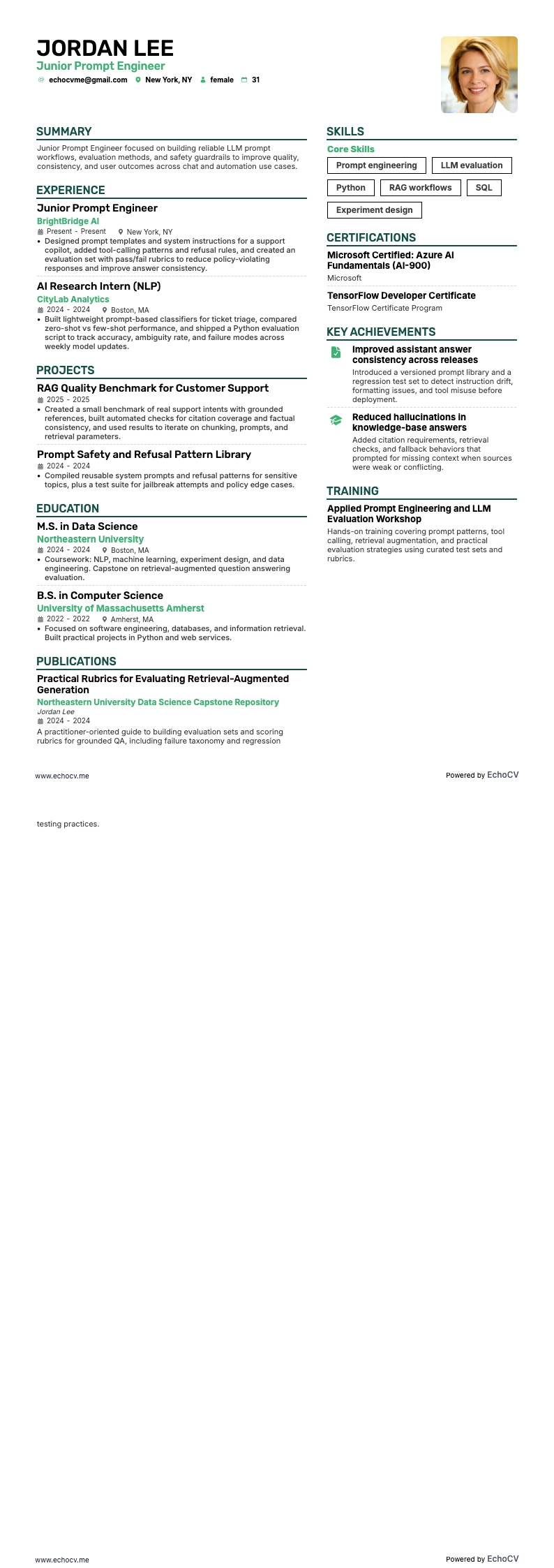
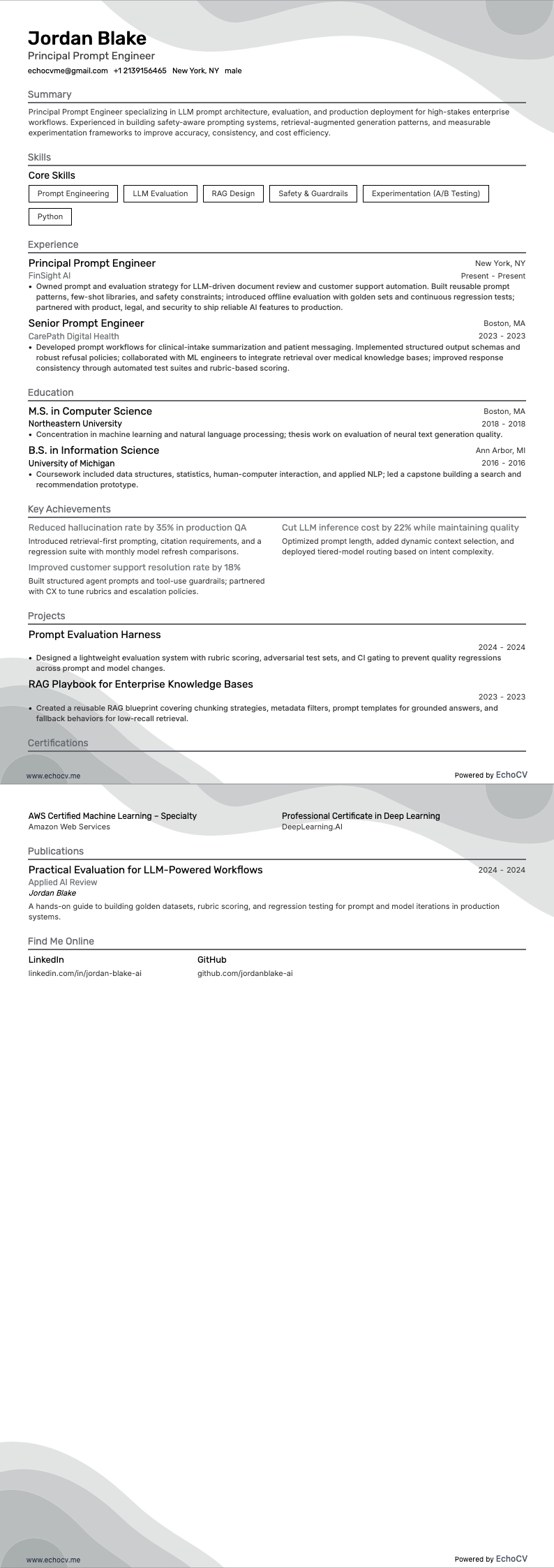
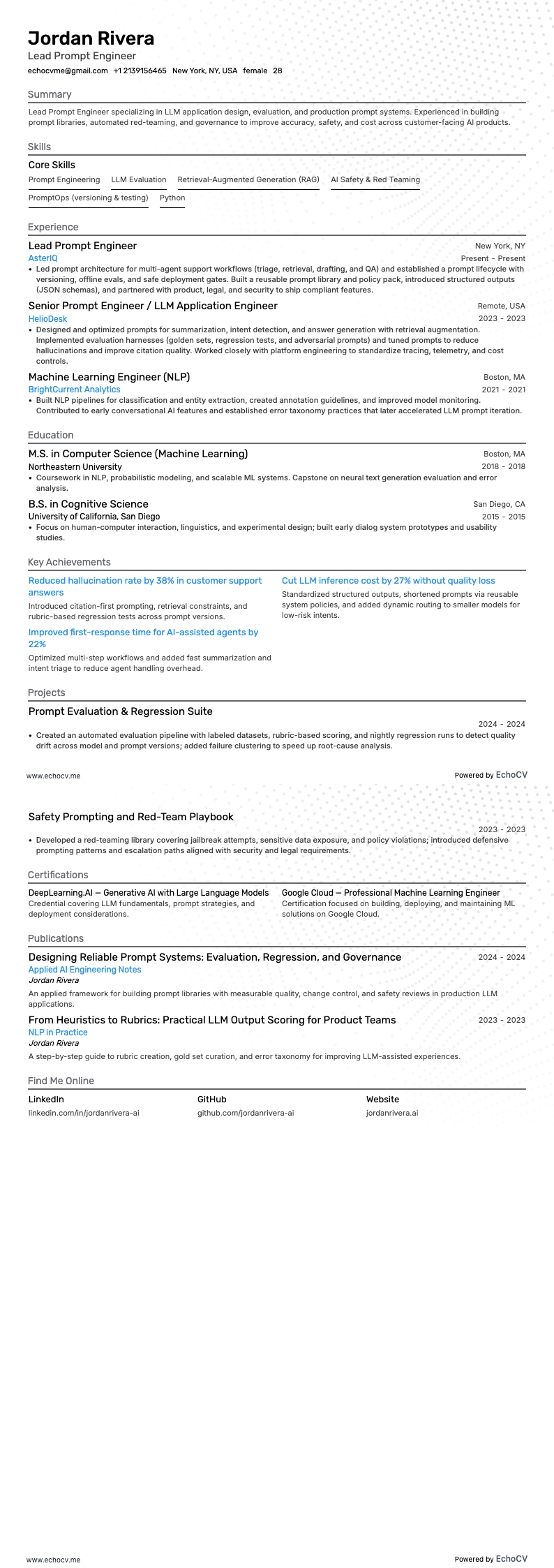
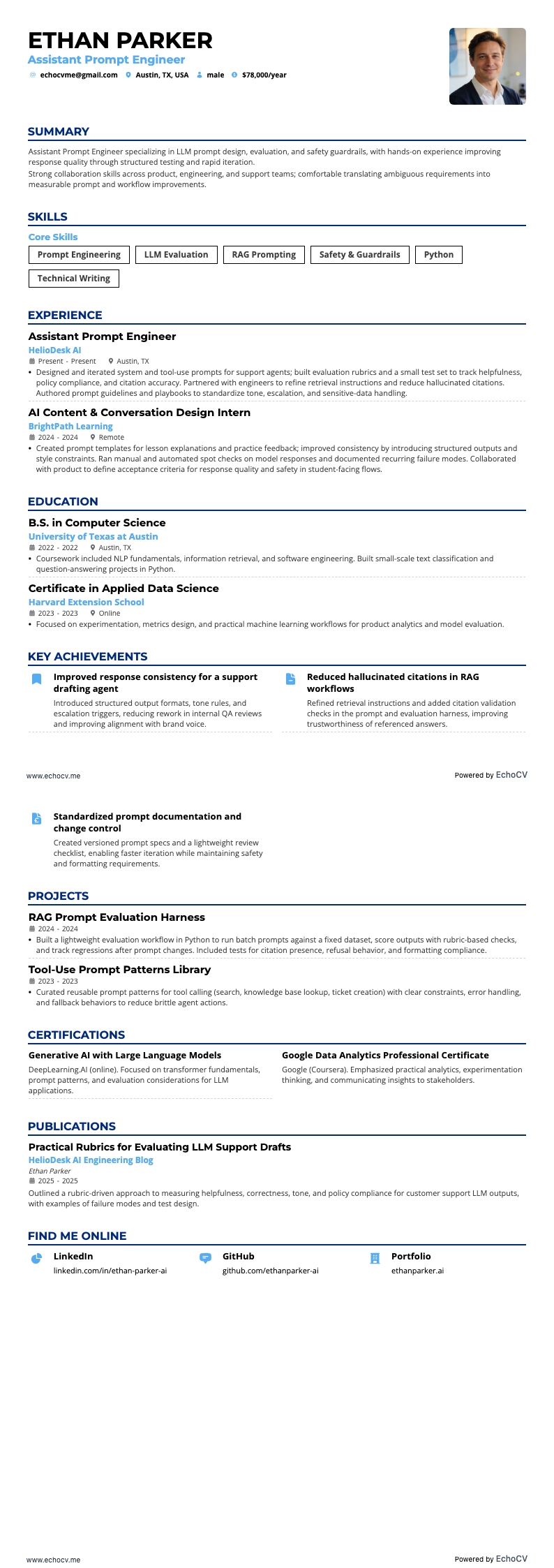
So, when it comes to resume layouts, it’s best to rely on the traditional reverse-chronological resume format.
But if you’re switching careers and have little to no experience, use the hybrid resume format.
This one provides enough space to share both any:
- Relevant experience you may have
- Transferable skills, courses and side gigs you’ve done
Keep in mind the market you’re applying to – a Canadian resume, for instance, might have a unique layout.